ART
BEAUTÉ ET BIEN-ÊTRE
ARTISANAT
CULTURE ET HISTOIRE
DIVERTISSEMENT
ENVIRONNEMENT
NOURRITURE ET BOISSONS
INGÉNIERIE INVERSE
SCIENCES
SPORTS
TECHNOLOGIE
TECHNOLOGIE PORTABLE
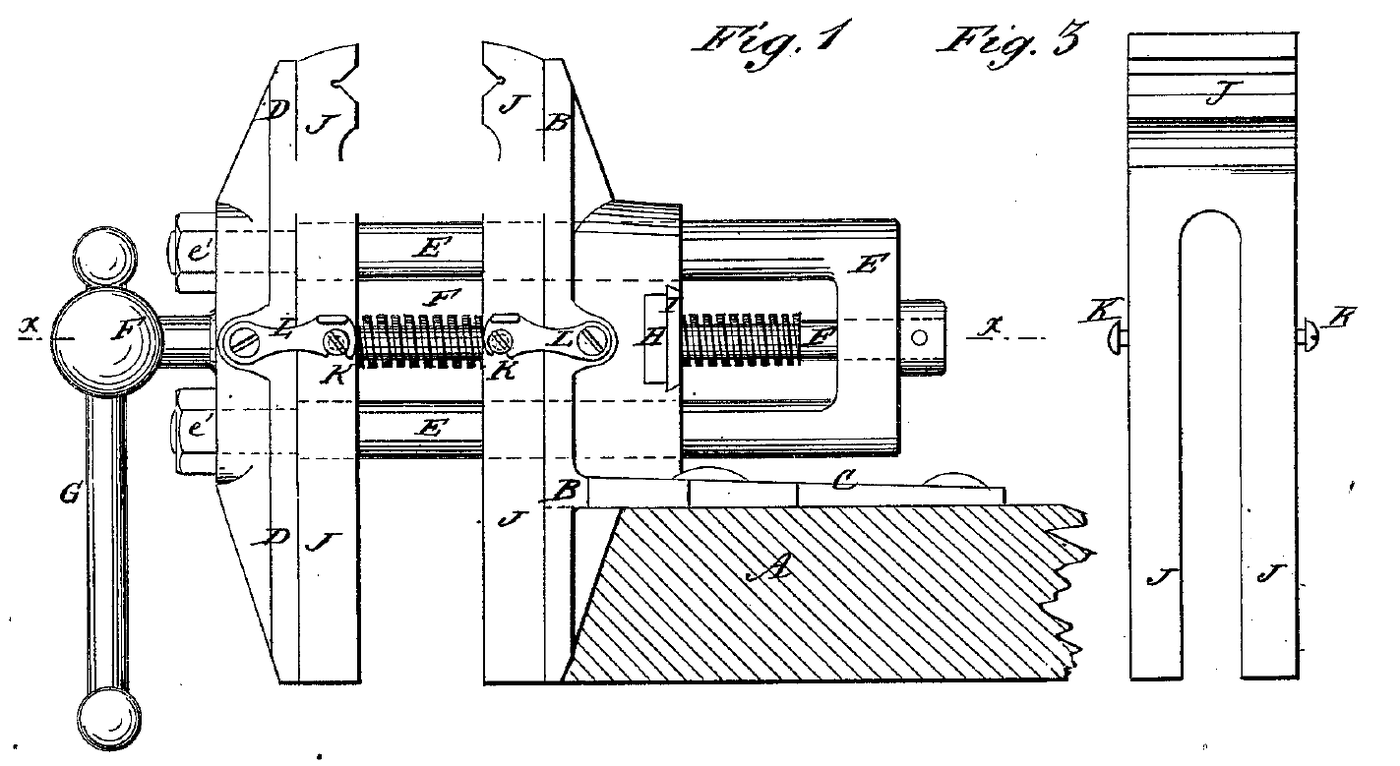


Bench Vise with Parallel Double Slide: Grimmitt, 1879
Thomas Grimmitt of Rockford, Illinois, patented this bench vise in 1879, US 214,907. The fixed jaw is bolted to the bench by a plate formed on its back. The movable jaw is fixed to the open ends of a U-shaped double slide whose arms pass through both jaws, so the two jaws always stay exactly parallel. A screw with a sliding lever handle, swivelled to the slide, works in a nut in the fixed jaw and moves the front jaw both ways. Detachable notched wooden jaws slip over the slide and screw to hold rectangular or round work, and the vise can be fitted on top of the bench for carriage and wagon work or reversed underneath for carpenters' and cabinet-makers' work.
Intermédiaire
Workshop process
Consignes
1
1
Jaws and plate
Jaws and plate
Make the inner jaw with a plate formed on its rear side, holed for the bolts that secure it to the bench, and the outer movable jaw of the same general form. Make both jaws double, so the plate can be fixed to the top of the bench or, reversed, to its underside with the lower jaw ends flush with the bench top.
Matériaux pour cette étape :
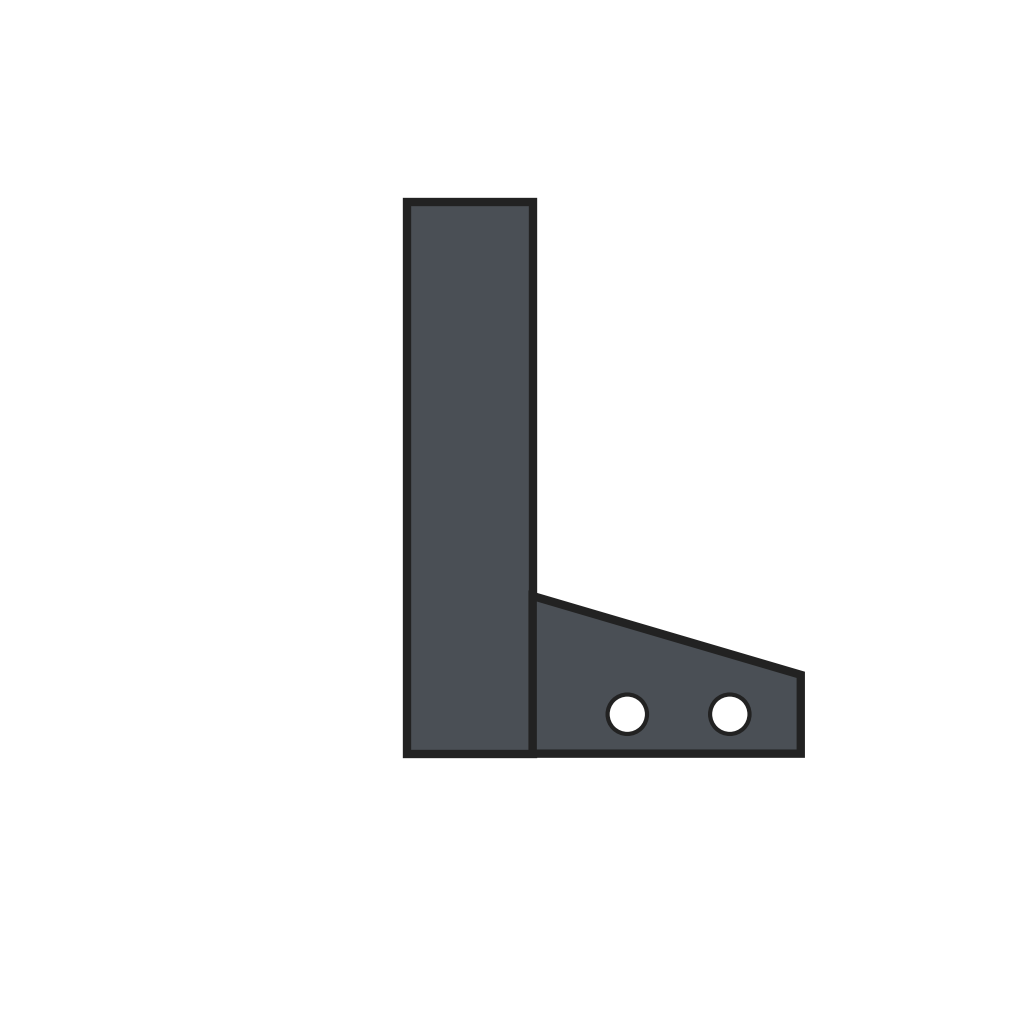 Mors fixe avec plaque d'établi1 pièce
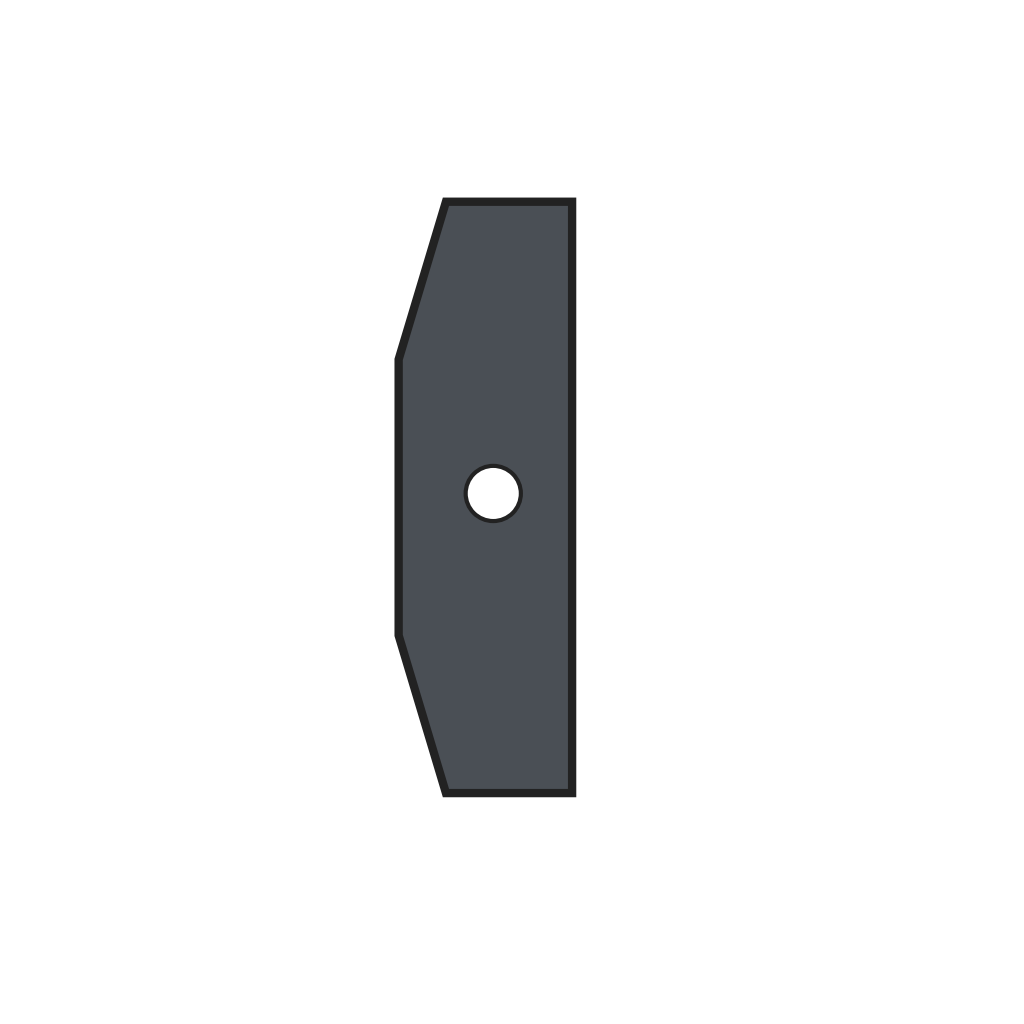 Mors mobile d'étau1 pièce
Outils nécessaires :
 Perceuse à colonne
 Jeu de forets
 Limes (lime à main)
2
2
Double slide
Double slide
Pass the arms of the U-shaped double slide through holes in both jaws and secure their ends to the outer jaw with nuts, so the outer jaw is always held exactly parallel to the inner one.
Matériaux pour cette étape :
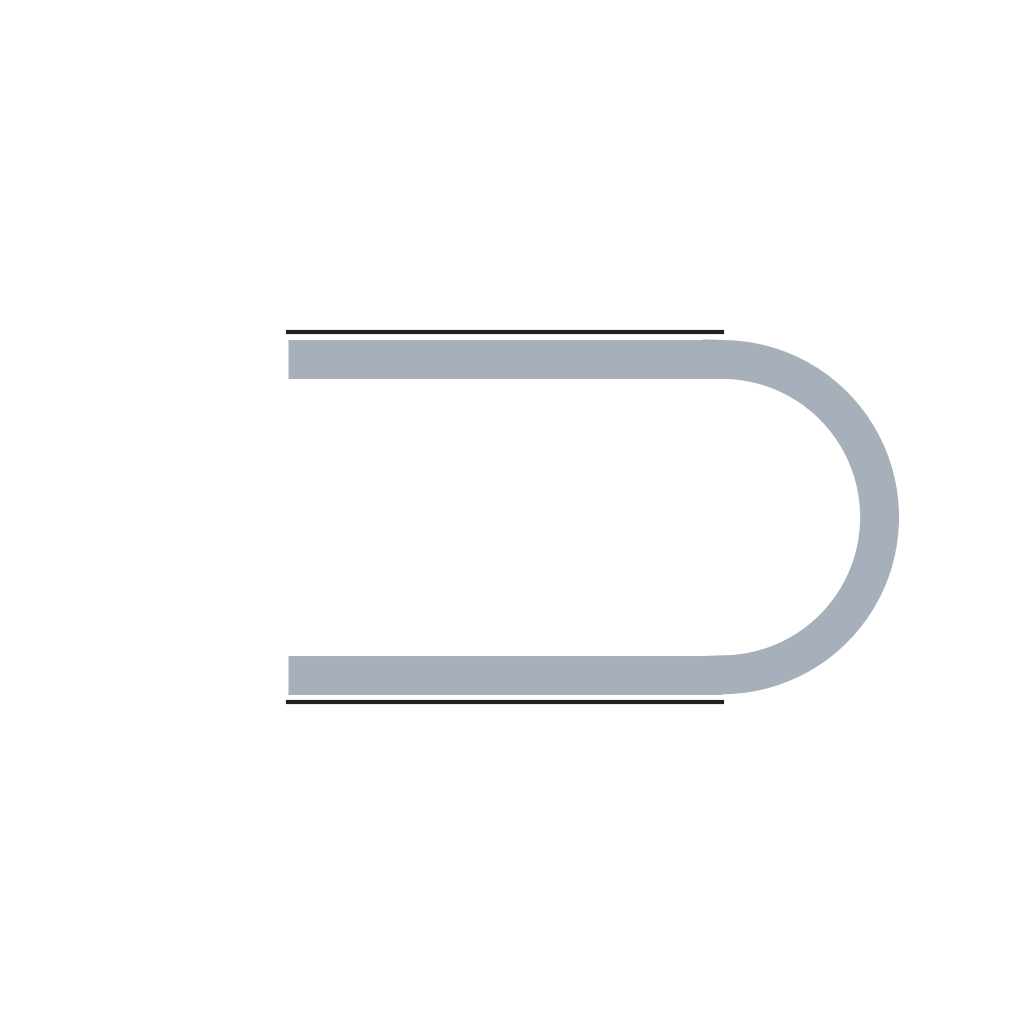 Glissière double en U1 pièce
Outils nécessaires :
 Clé à molette
3
3
Screw and nut
Screw and nut
Pass the screw through a hole in both jaws midway between the slide's arms, swivel its forward end to the slide at the centre of its bend, and slide a lever handle through its outer head. The screw works in a nut set in a cross-notch at the back of the inner jaw, held by a dovetailed plate slid into the notch's sides.
Matériaux pour cette étape :
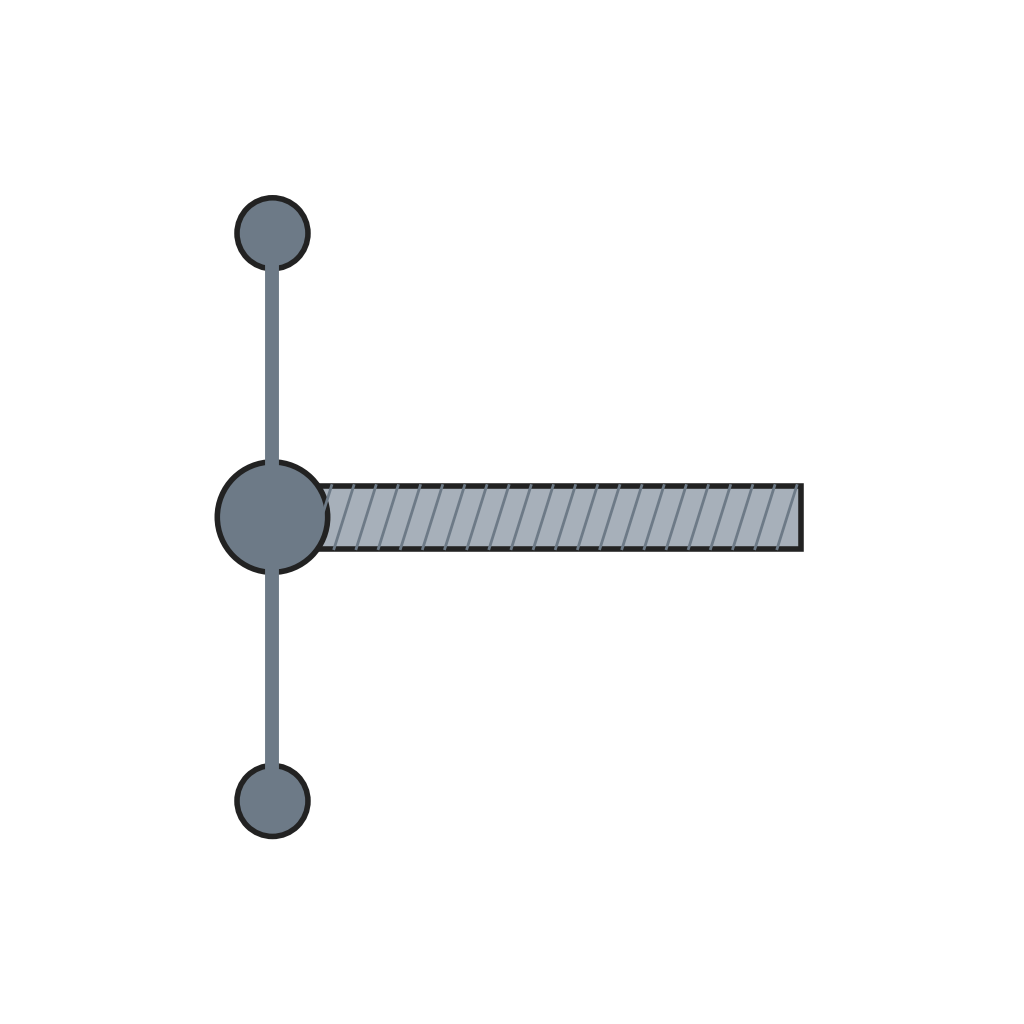 Vis d'étau avec levier coulissant1 pièce
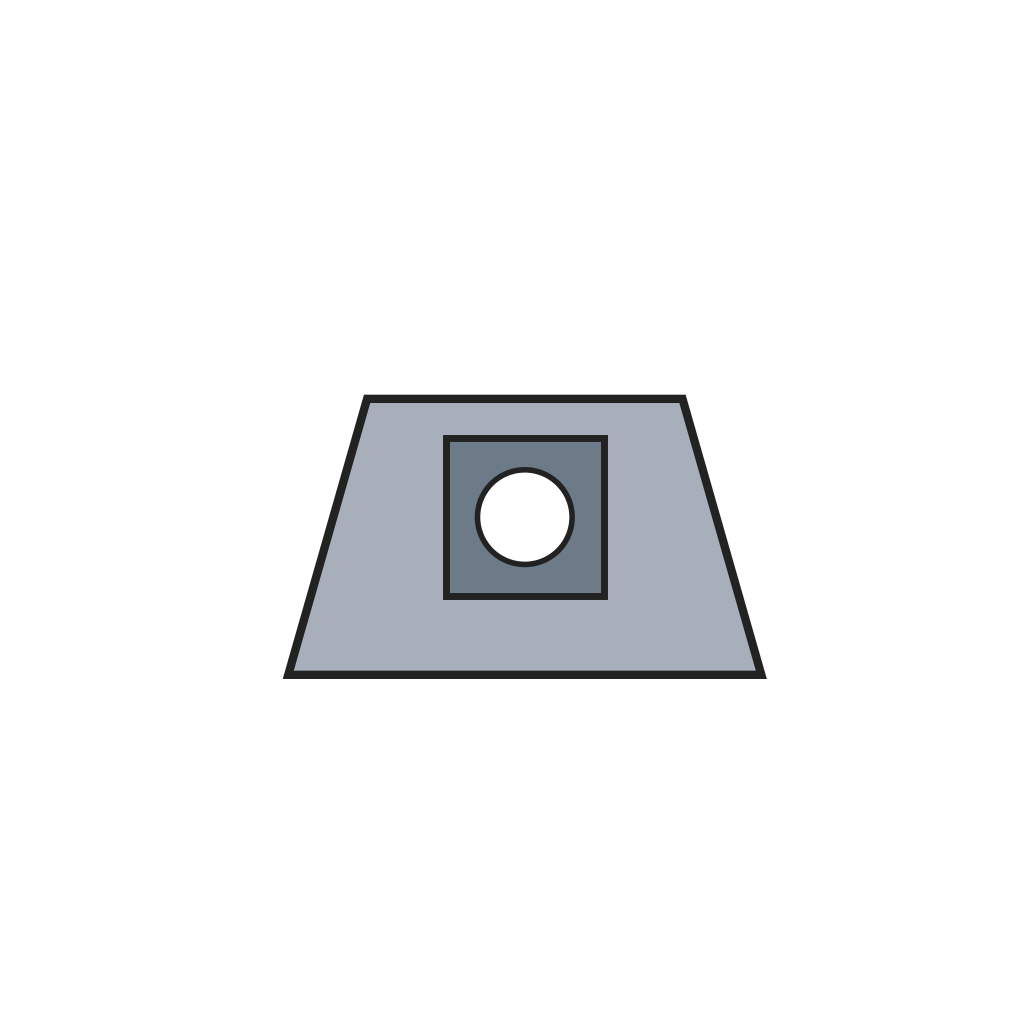 Écrou d'étau avec plaque en queue d'aronde1 pièce
Outils nécessaires :
Limes (lime à main)Clé à molette4
4
Wooden jaws
Wooden jaws
Slot the wooden jaws from their lower ends so they slip down over the slide's arms and the screw between the metal jaws. Notch their faces for rectangular or round work, and hold them to the metal jaws with hooks pivoted on the metal jaws' side edges that catch screws or pins on the wooden jaws.
Matériaux pour cette étape :
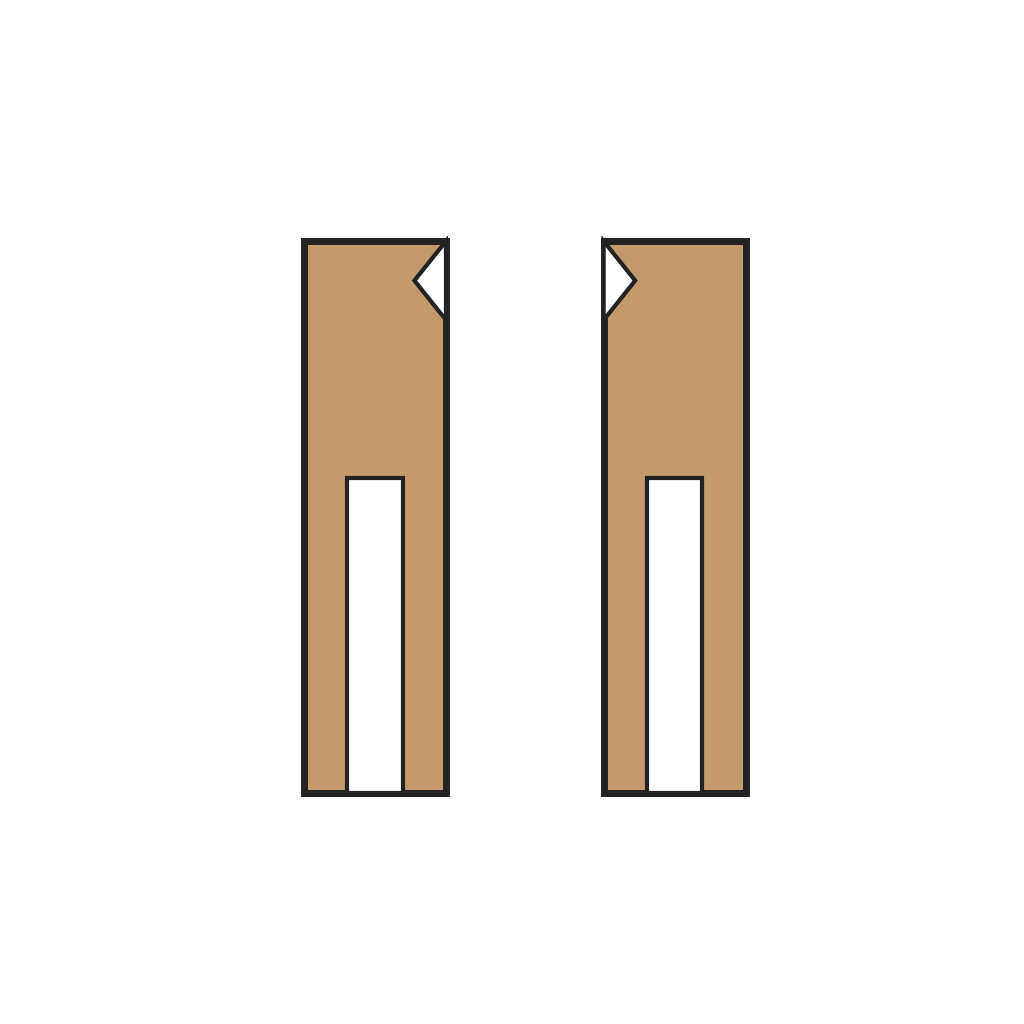 Mors en bois entaillés amovibles1 pièce
Outils nécessaires :
 Scie égoïne
 Jeu de ciseaux à bois
 Jeu de tournevis
Matériaux
6- Espace réservé
- 1 pièceEspace réservé
- 1 pièceEspace réservé
- Espace réservé
- Espace réservé
- Espace réservé
Outils requis
7- Espace réservé
- Espace réservé
- Espace réservé
- Espace réservé
- Espace réservé
- Espace réservé
- Espace réservé
Ce plan fabrique
Blueprints liés
Ces blueprints partagent des connaissances — techniques, matériaux ou principes
CC0 Domaine public
Ce blueprint est publié sous CC0. Vous êtes libre de copier, modifier, distribuer et utiliser ce travail pour tout usage, sans demander la permission.
Soutenez le Maker en achetant des produits via son Blueprint où il perçoit une Commission Maker définie par les Vendeurs, ou créez une nouvelle itération de ce Blueprint et incluez-le comme connexion dans votre propre Blueprint pour partager les revenus.