ART
BEAUTÉ ET BIEN-ÊTRE
ARTISANAT
CULTURE ET HISTOIRE
DIVERTISSEMENT
ENVIRONNEMENT
NOURRITURE ET BOISSONS
INGÉNIERIE INVERSE
SCIENCES
SPORTS
TECHNOLOGIE
TECHNOLOGIE PORTABLE
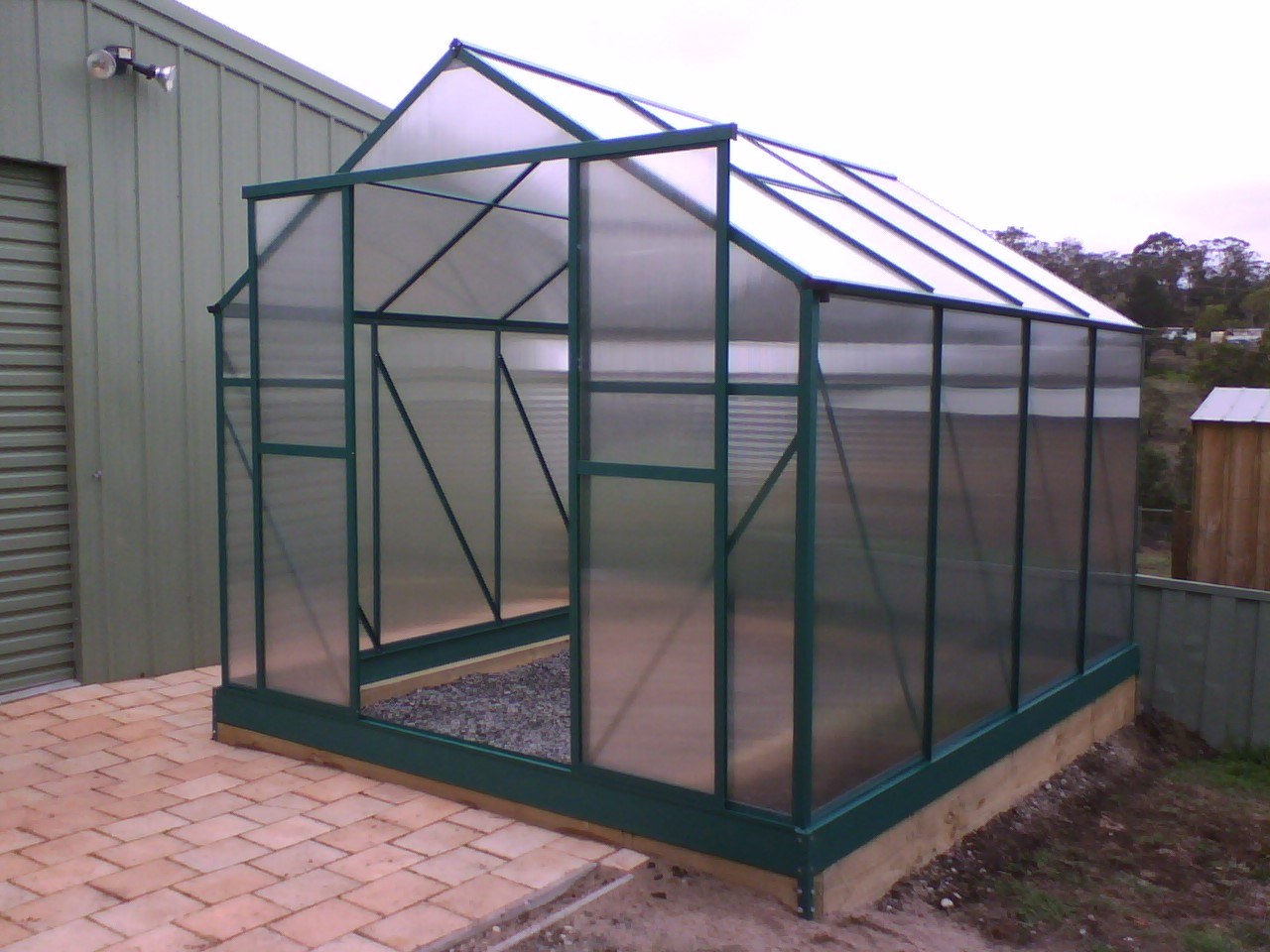


Polycarbonate
In 1953 Hermann Schnell at Bayer joined bisphenol A into long chains through carbonate links and got a clear plastic of remarkable toughness. Daniel Fox at General Electric reached the same material independently the same year, and both companies were selling it by around 1960.
**US 3,028,365**, "Thermoplastic aromatic polycarbonates and their manufacture", Schnell, Bottenbruch and Krimm, assigned to Bayer, filed 12. October 1954, granted 3. April 1962, claims "a high molecular weight, thermoplastic polycarbonate having a melting point of at least about 135°C", made from bisphenol A among a wider family.
**The classic route uses phosgene, a war gas.** You build a drop-weight rig and find the energy that cracks acrylic - then drop the same on polycarbonate.
Débutant
2 hours
Consignes
1
1
The specimen table
The specimen table
Cut a 300 x 300 mm plywood board and bore a 100 mm hole in its centre with the hole saw. Rest it on two blocks so the hole is open underneath.
Matériaux pour cette étape :
 Panneau de contreplaqué1 pièce
Outils nécessaires :
 Scie égoïne
 Jeu de scies-cloches
 Perceuse sans fil
2
2
The drop tube
The drop tube
Take 2 m of 32 mm PVC pipe. Mark heights from the bottom every 100 mm and drill a 3 mm hole straight through at each mark. A nail through a hole holds the ball; pulling it drops the ball from that height.
Matériaux pour cette étape :
 Tube PVC2 mètres
 Clous1 pièce
Outils nécessaires :
 Mètre ruban
 Jeu de marqueurs peinturePerceuse sans fil
 Coffret de forets
3
3
Stand it plumb
Stand it plumb
Clamp the tube to a post or bench leg with pipe clamps, its bottom 10 mm above the hole's centre. Check it with the plumb bob in two directions.
Outils nécessaires :
 Serre-joint à tube
 Fil à plomb
4
4
Clamp a sheet
Clamp a sheet
Cut 150 x 150 mm squares of 3 mm acrylic and 3 mm polycarbonate. Leave the protective film on. Clamp one over the hole at all four corners.
Matériaux pour cette étape :
 Plaque acrylique1 pièce
 Plaque de polycarbonate (transparente)1 pièce
Outils nécessaires :
 Serre-joint en C
 Lunettes de sécurité transparentes
5
5
Climb the ladder
Climb the ladder
Glasses on. Weigh the 25 mm ball. Drop it from 100 mm, then 200 mm, and so on, on a fresh spot each time, until the acrylic cracks. Record that height. If it survives the top hole, repeat with the 1 kg weight as in the next step.
Outils nécessaires :
 Roulement à billes en acier
 Balance numérique de précisionLunettes de sécurité transparentes
6
6
Same on polycarbonate
Same on polycarbonate
Repeat the whole ladder on polycarbonate. If it survives the top hole, tape the 1 kg weight to a rounded bolt head and drop that from 1.8 m outside the tube, hands clear.
Outils nécessaires :
 PoidsLunettes de sécurité transparentes
7
7
Energy at failure
Energy at failure
Chargement du notebook Jupyter…
8
8
History & Context
History & Context
**What the patent specifies:** high-molecular aromatic polycarbonates from dihydroxy compounds such as bisphenol A, melting at 135 °C or more. **Modern build (derived):** extruded clear polycarbonate sheet.
It went into safety glasses, riot shields, machine guards, bottles and later CDs. Its limits: it scratches easily, yellows in sunlight without a UV coat, is attacked by some solvents, and bisphenol A leaching from food containers made many makers switch those to other plastics.
Matériaux
5- 1 pièceEspace réservé
- 2 mètresEspace réservé
- 1 pièceEspace réservé
- 1 pièceEspace réservé
- Espace réservé
Outils requis
13- Espace réservé
- Espace réservé
- 1 vendor sell this, none ship to you yetEspace réservé
- 1 vendor sell this, none ship to you yetEspace réservé
- Espace réservé
- Espace réservé
- Espace réservé
- Espace réservé
- Espace réservé
- Espace réservé
- Espace réservé
- Espace réservé
- Espace réservé
Blueprints liés
Ces blueprints partagent des connaissances — techniques, matériaux ou principes

CC0 Domaine public
Ce blueprint est publié sous CC0. Vous êtes libre de copier, modifier, distribuer et utiliser ce travail pour tout usage, sans demander la permission.
Soutenez le Maker en achetant des produits via son Blueprint où il perçoit une Commission Maker définie par les Vendeurs, ou créez une nouvelle itération de ce Blueprint et incluez-le comme connexion dans votre propre Blueprint pour partager les revenus.