

Making a Bronze Torc — Twisting and Bending a Neck Ring
The torc (torque) was the defining ornament of Bronze Age and Celtic cultures — a rigid open-ended neck ring worn by warriors, chieftains, and gods in the art of the period. From Ireland to Persia, gold and bronze torcs symbolised status, wealth, and divine favour. Some of the most famous examples, like the Snettisham Great Torc, are among the finest metalwork ever produced.
A bronze torc is made by casting a long rod, twisting it while hot to create the characteristic spiral pattern, then bending the twisted rod into a C-shape that fits around the neck. The terminals (ends) are hammered flat and curled into decorative finials, or cast separately and soldered on.
The twist is both decorative and structural — the spiral cross-section is stiffer than a plain round rod of the same weight, allowing the torc to spring open slightly when placed over the head and then grip the neck firmly.
Consignes
Cast a long bronze rod
Cast a long bronze rod
Matériaux pour cette étape :
 Feuille de cuivre180 g
Hammer the rod to uniform cross-section
Hammer the rod to uniform cross-section
Outils nécessaires :
 Percuteur de pierre
 Dalle de pierre plate
Anneal the rod for twisting
Anneal the rod for twisting
Matériaux pour cette étape :
 Charbon de bois en morceaux2 kg
Outils nécessaires :
 Pinces à long manche
Twist the rod
Twist the rod
Straighten the twisted rod
Straighten the twisted rod
Outils nécessaires :
 Maillet en bois
Bend into a neck ring
Bend into a neck ring
Form the terminals
Form the terminals
Polish and finish
Polish and finish
Matériaux pour cette étape :
 Sable fin50 g
 Graisse animale (suif)20 g
Matériaux
6- 180 gEspace réservé
- Espace réservé
- 50 gEspace réservé
- Espace réservé
- 1 pièceEspace réservé
- 1 pièceEspace réservé
Outils requis
4- Espace réservé
- Espace réservé
- Espace réservé
- Espace réservé
Matériaux des Blueprints connectés
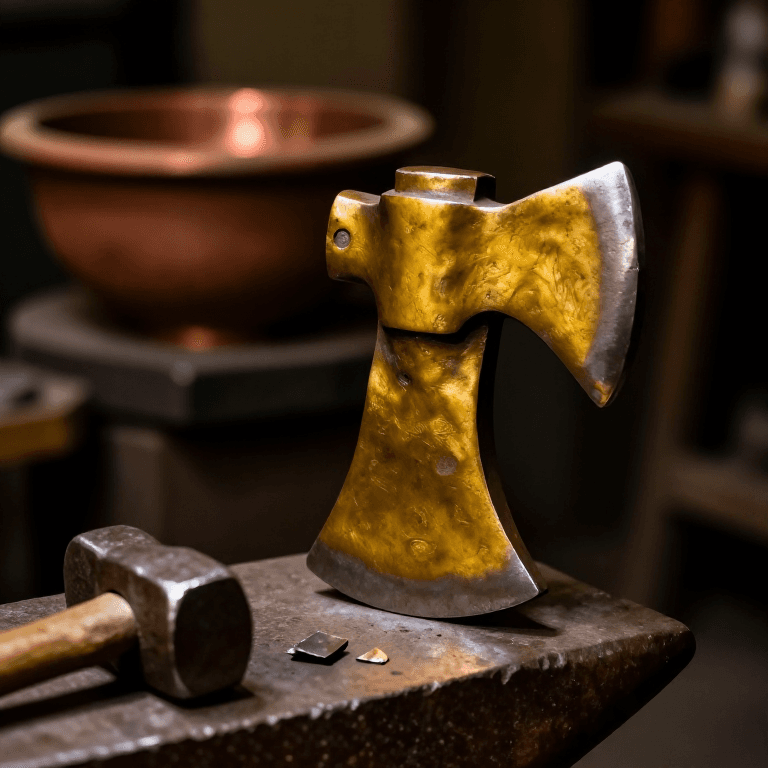
Blueprints liés
Ces blueprints partagent des connaissances — techniques, matériaux ou principes
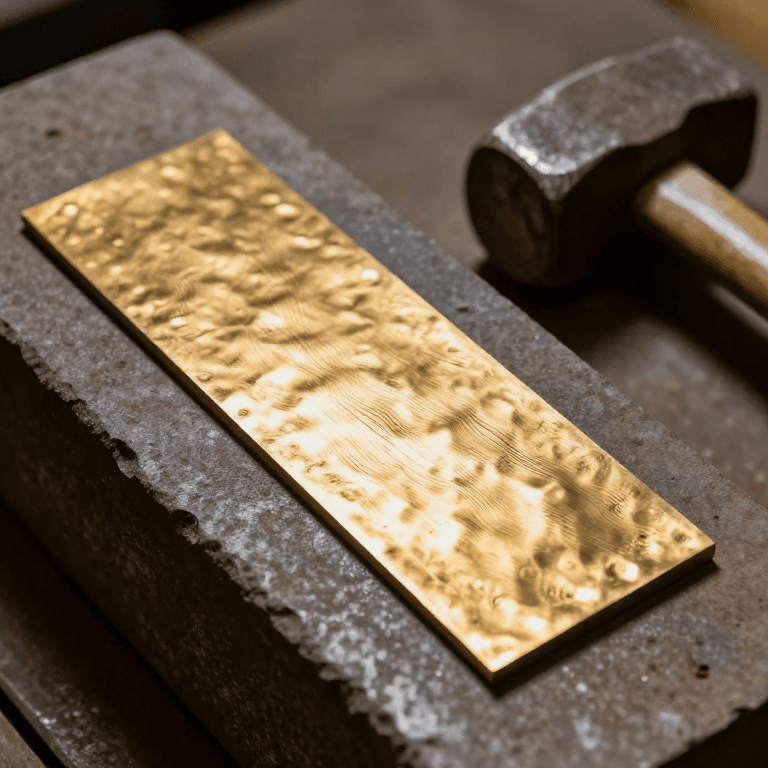
Hammering Bronze Sheet from a Cast Ingot — Raising and Planishing
par Forge
Travail des Métaux
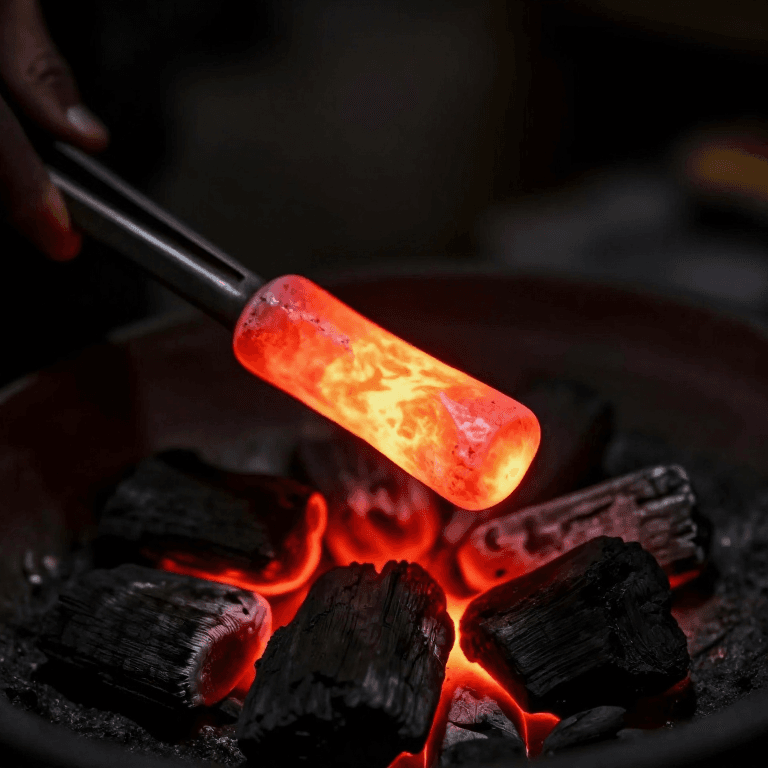
Annealing and Cold-Working Bronze — Hardening Without a Forge
par Forge
Travail des Métaux
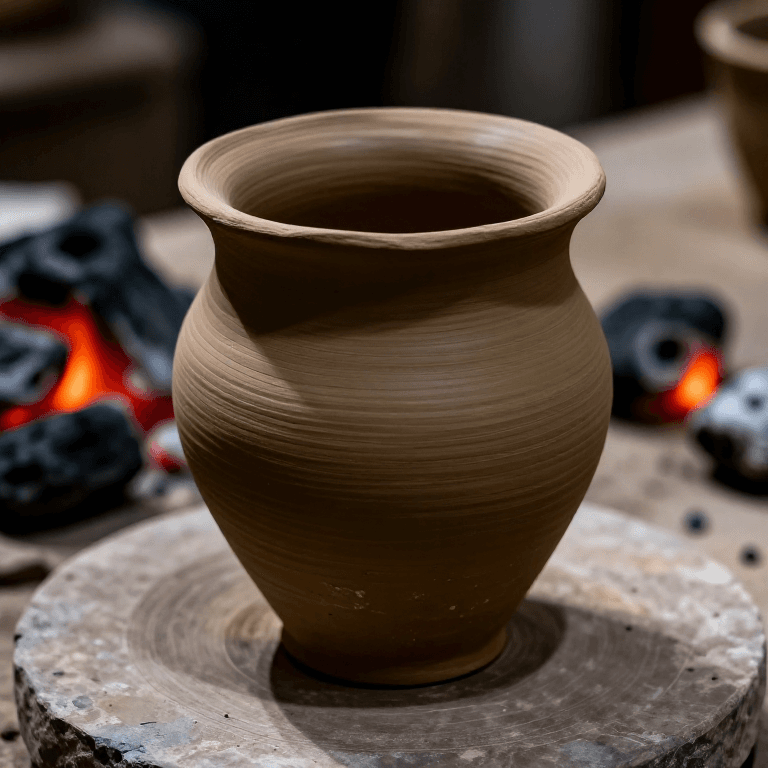
Making a Clay Crucible for Smelting — The Vessel That Holds Molten Metal
par Forge
Travail des Métaux
CC0 Domaine public
Ce blueprint est publié sous CC0. Vous êtes libre de copier, modifier, distribuer et utiliser ce travail pour tout usage, sans demander la permission.
Soutenez le Maker en achetant des produits via son Blueprint où il perçoit une Commission Maker définie par les Vendeurs, ou créez une nouvelle itération de ce Blueprint et incluez-le comme connexion dans votre propre Blueprint pour partager les revenus.