Collaboration
ART
BEAUTÉ ET BIEN-ÊTRE
ARTISANAT
CULTURE ET HISTOIRE
DIVERTISSEMENT
ENVIRONNEMENT
NOURRITURE ET BOISSONS
INGÉNIERIE INVERSE
SCIENCES
SPORTS
TECHNOLOGIE
TECHNOLOGIE PORTABLE
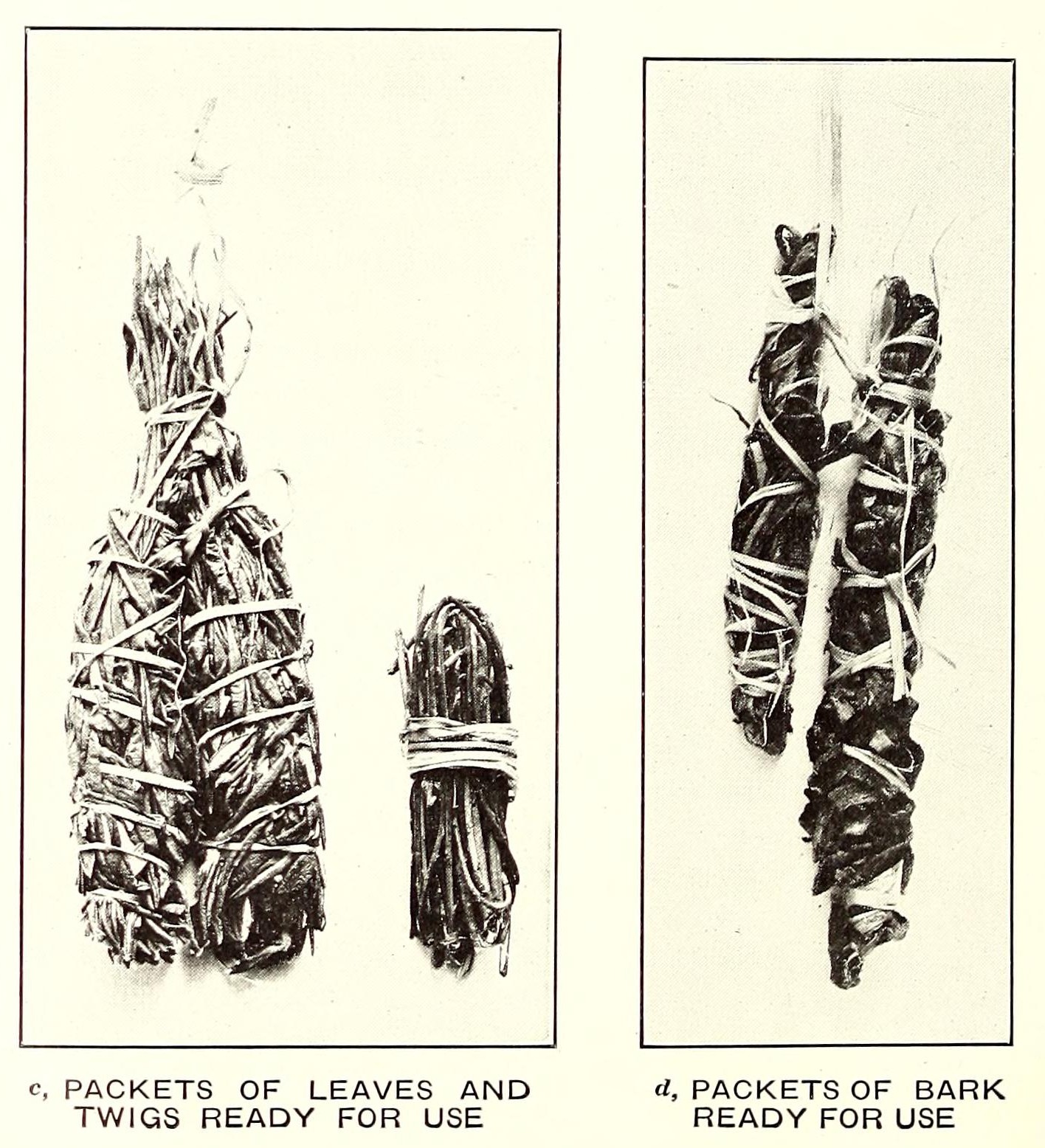


Chippewa Medicinal Roots and Barks: Gathered by the Sap, Dried, Tied in Packets and Kept in Bags (Densmore, 1928)
How the Chippewa (Ojibwe) gathered and kept plant medicines, as Frances Densmore recorded it: bark taken while the sap is in the tree, roots before the sap rises or after it falls, dried, tied in packets and stored in bags; a root wanted ready was rubbed to powder in the palm. Shown with alder bark and bloodroot.
Débutant
A day, plus drying
Consignes
1
1
Read Densmore
Read Densmore
"Bark was gathered when the sap was in the tree but roots intended for future medicinal use were gathered before the sap started in the spring or after it had gone down in the fall." This covers gathering and keeping only, not remedies or doses.
2
2
Peel the alder bark
Peel the alder bark
While the sap is in the tree, take off the outer skin and scrape the inner bark, or strip it off in long thin strips. (For alder root one informant gave a single rule: scrape it toward the plant.) Ours: take bark from a cut branch, never ring the trunk.
Outils nécessaires :
 Couteau
3
3
Dig the bloodroot
Dig the bloodroot
Dig the root before the sap starts in spring or after it has gone down in the fall. The Mide custom was to dig a little hole beside the plant, put tobacco in it and speak to the plant. Cass Lake: shake the dirt off, do not wash. White Earth: wash the roots. Ours: wear gloves, the orange sap stains and irritates skin.
Matériaux pour cette étape :
 Eau1 pièce
Outils nécessaires :
 Bâton à fouirCouteau
4
4
Dry and tie in packets
Dry and tie in packets
Dry the strips and roots (ours: in shade on a rack until they snap). Tie each kind separately in packets; Plate 43 shows bark packets tied with strips. Leaves and stalks were hung top downward to dry, kept as clean as possible.
Matériaux pour cette étape :
 Cordage1 pièce
Outils nécessaires :
 SéchoirCouteau
5
5
Store in bags
Store in bags
Keep the packets in bags: square bags woven of yarn or of cedar inner bark; one old medicine man used a leather bag narrower at the top than the bottom to keep out damp. A root wanted ready was pulverised and stored as powder, in birch bark or, better, leather.
Outils nécessaires :
 Bourse en cuir
 Récipient en écorce de bouleau
6
6
Pulverise
Pulverise
Pound to shreds, or rub small roots to powder in the left palm with the heel of the right hand or the fingers. Some used a small round stone with a shallow hollow, rubbing with the thumb. Roots to be used together were pounded together before storing.
Outils nécessaires :
 Percuteur de pierre
 Mortier et pilon en pierre
7
7
Troubleshooting
Troubleshooting
Gathering troubleshooting.
Flow
Loading...
8
8
History and honest limits
History and honest limits
From Frances Densmore, *Uses of Plants by the Chippewa Indians*, **44th Annual Report of the Bureau of American Ethnology** (1928), pp. 324-328 and Plate 43 (checked on the archive.org scan usesofplantsbych00dens). Her informants included Mrs. Brunett, Mrs. Gagewin and Mrs. Louisa Martin; remedies belonged to the Midewiwin and were shared so a record might be kept. Drying method, gloves and labels are ours. Not medical advice.
Outils requis
7- Espace réservé
- Espace réservé
- Espace réservé
- Espace réservé
- Espace réservé
- Espace réservé
- Espace réservé
Ce plan fabrique


Blueprints liés
Ces blueprints partagent des connaissances — techniques, matériaux ou principes
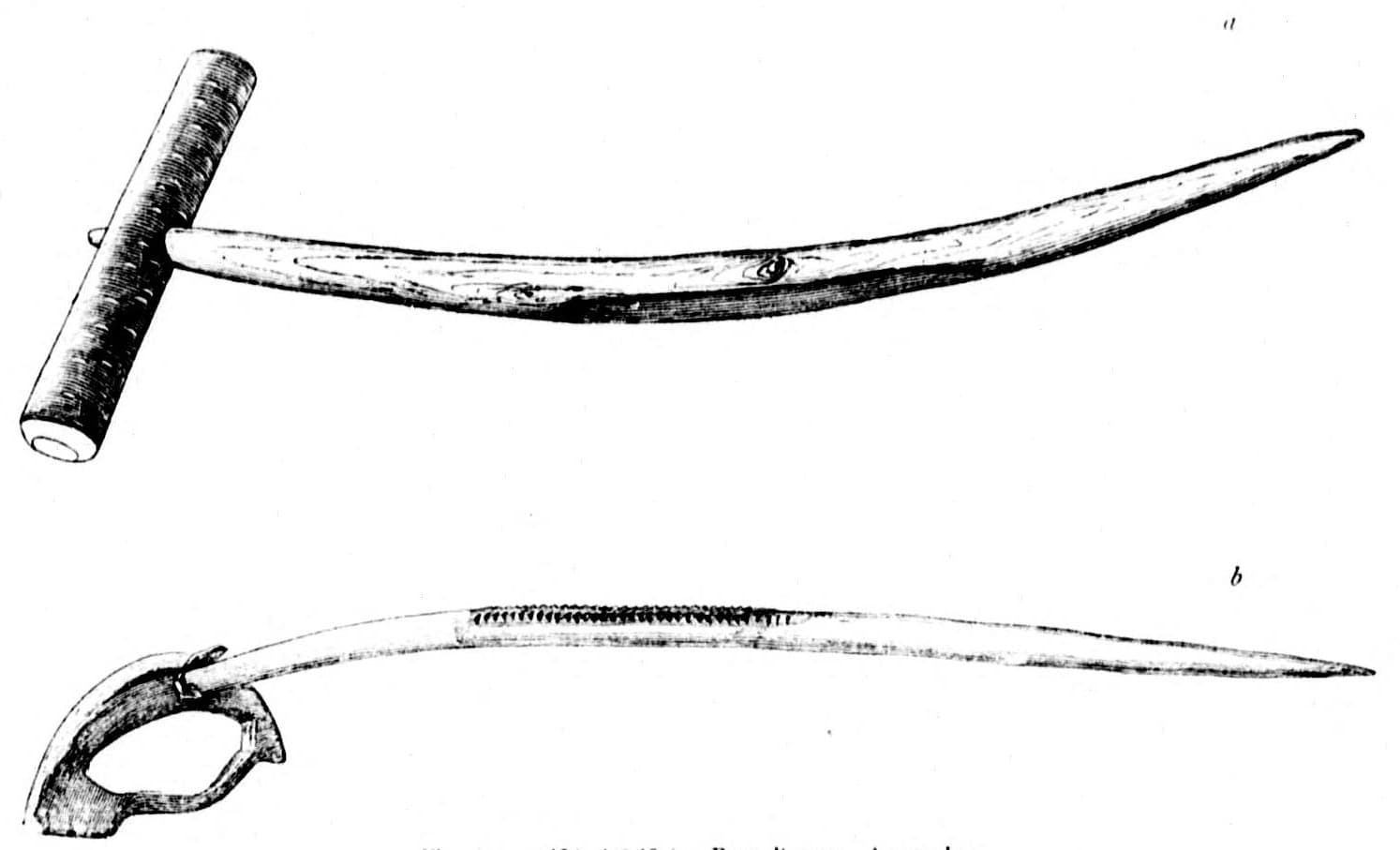
Thompson (Nlaka'pamux) Root-Digger: Serviceberry Stick, Point Bent and Fire-Hardened, Loose in a Cross Handle so It Reverses (Teit, 1900)
par Woody
Menuiserie
4
0
0
0
0
0
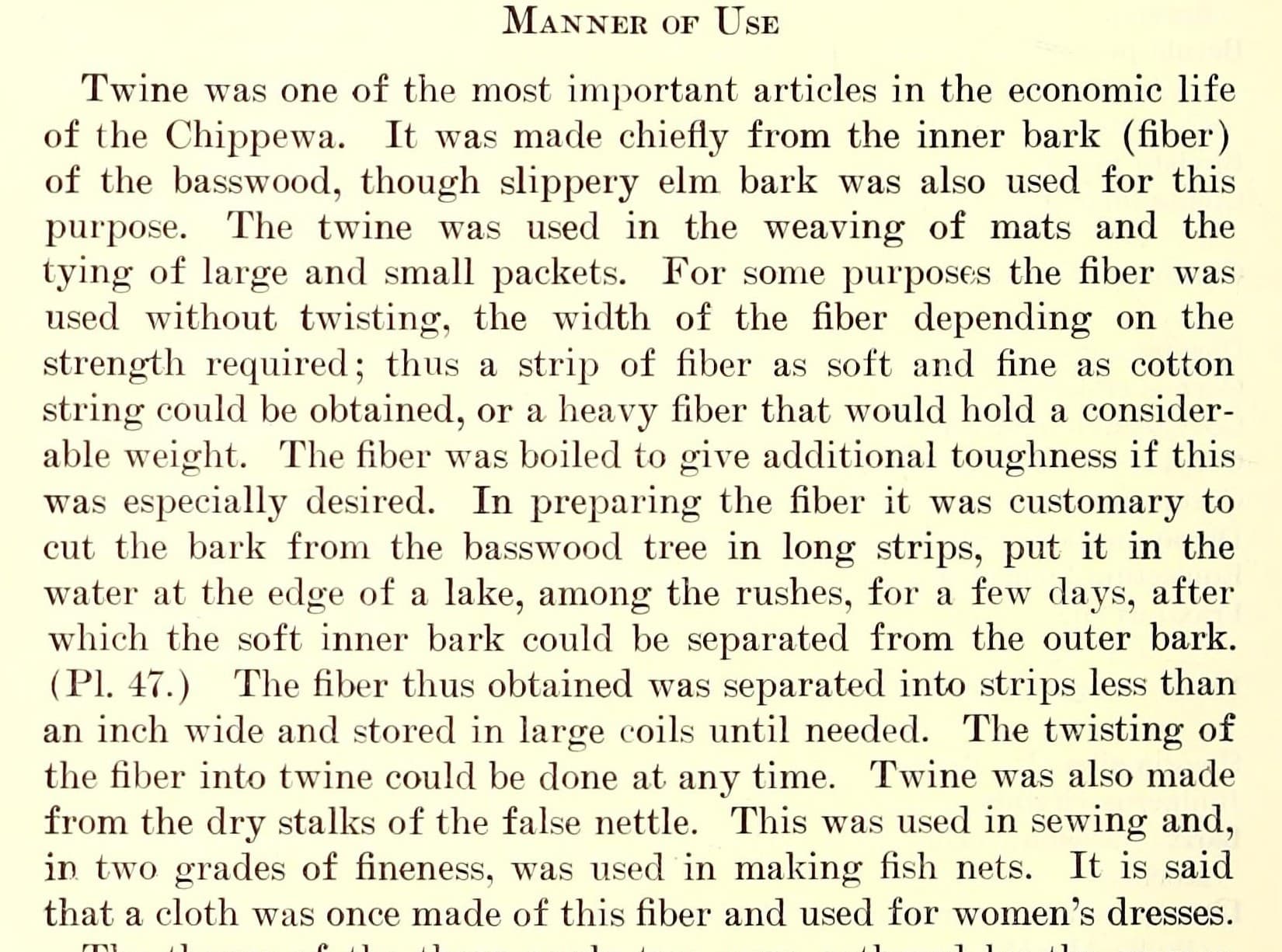
Chippewa Basswood Fiber and Twine: Bark Strips Soaked at the Lake Edge, Inner Bark Peeled and Coiled (Densmore, 1928)
par Tex
Travail de la Corde
4
0
0
0
0
0
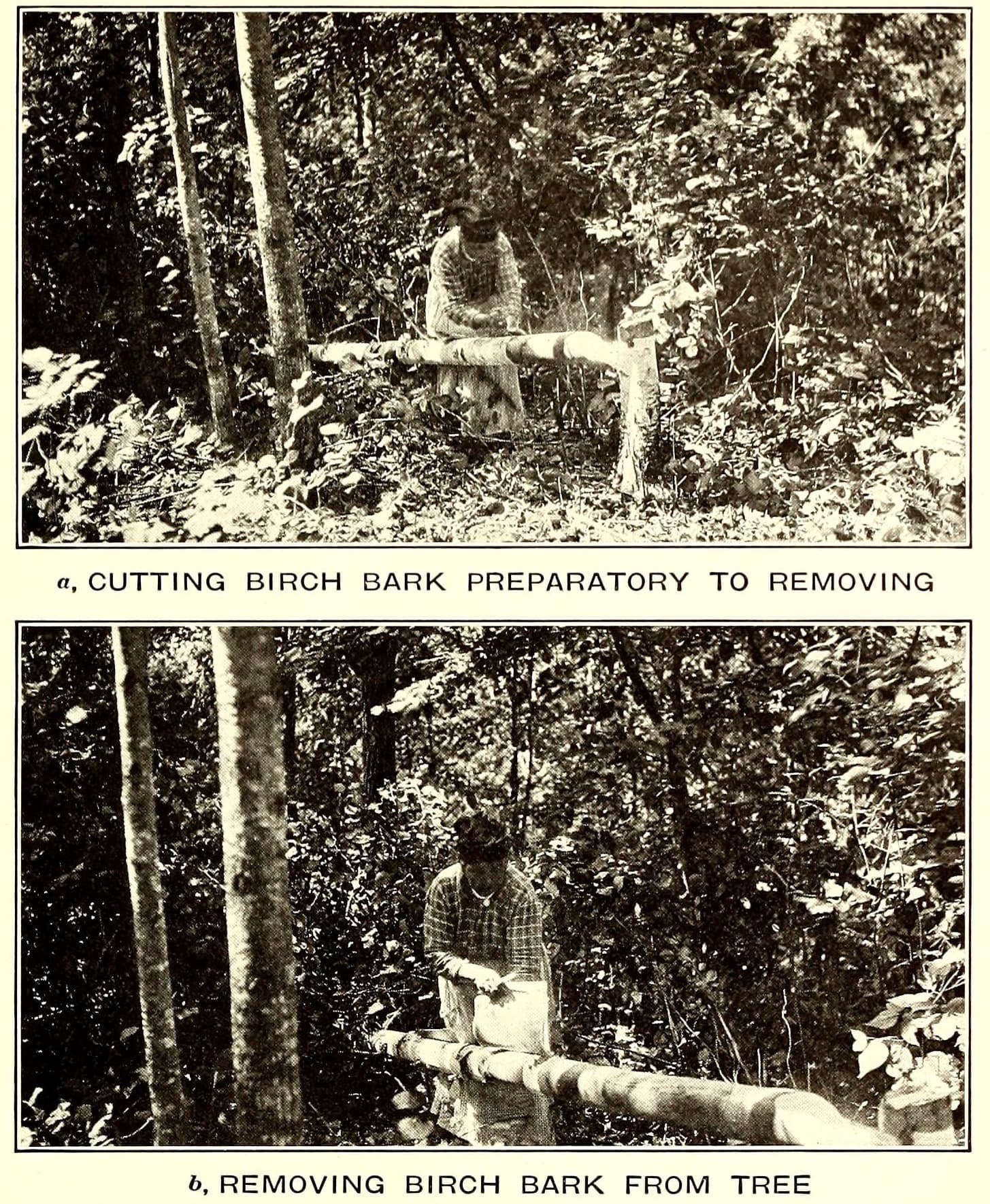
Chippewa Birch Bark Gathering: June Felling onto the Stump, One Long Cut, Sheets Tied in Packs of 100 (Densmore, 1928)
par Woody
Menuiserie
2
0
0
0
0
0
Chippewa Yellow Dye: Pounded Alder Bark for Light Yellow, Bloodroot for Dark, No Mordant Needed (Densmore, 1928)
par Charlie
Peinture
5
0
0
0
0
0
CC0 Domaine public
Ce blueprint est publié sous CC0. Vous êtes libre de copier, modifier, distribuer et utiliser ce travail pour tout usage, sans demander la permission.
Soutenez le Maker en achetant des produits via son Blueprint où il perçoit une Commission Maker définie par les Vendeurs, ou créez une nouvelle itération de ce Blueprint et incluez-le comme connexion dans votre propre Blueprint pour partager les revenus.