ART
BEAUTÉ ET BIEN-ÊTRE
ARTISANAT
CULTURE ET HISTOIRE
DIVERTISSEMENT
ENVIRONNEMENT
NOURRITURE ET BOISSONS
INGÉNIERIE INVERSE
SCIENCES
SPORTS
TECHNOLOGIE
TECHNOLOGIE PORTABLE
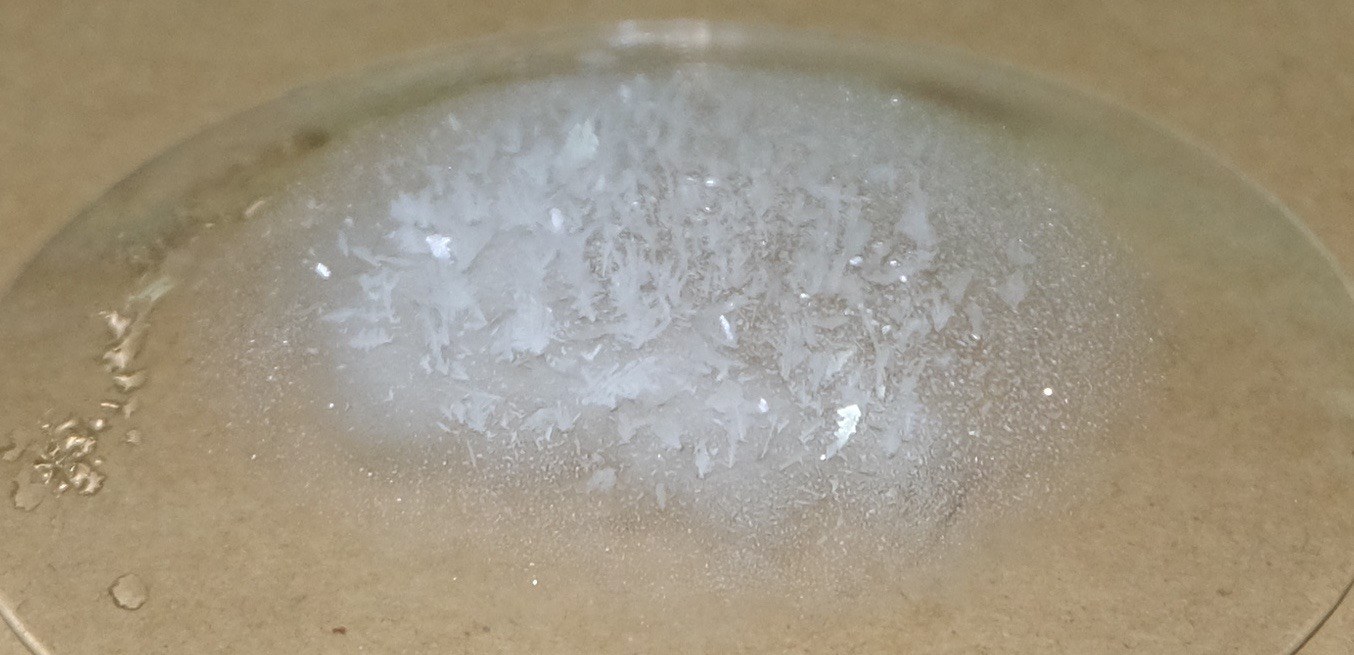


Crude Naphthalene from Light Creosote Oil: Warnes, 1913
How a coal-tar works made crude naphthalene, from Arthur R. Warnes's Coal Tar Distillation (1913). The naphthalene crystallises out of the light creosote oil (middle or carbolic oil) as it stands. It is melted, recrystallised and drained, sold as drained naphthalene, or pressed hard in bags as pressed naphthalene.
Avancé
Works process
Consignes
1
1
Salt out the oil
Salt out the oil
Use washed light creosote, quite free from tarry matter. Pump it into crystallising boilers and let it stand for several days, on average 3 to 5 depending on the time of year, while the naphthalene, the "salts", crystallises out. Then drain the separated oil away through the drain pipes.
Matériaux pour cette étape :
 Huile de créosote légère1 as required
Outils nécessaires :
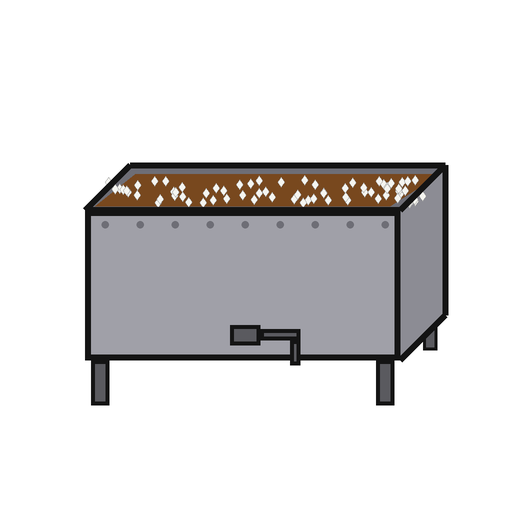 Bac de cristallisation
 Pompe de transfert
2
2
Melt and recrystallise
Melt and recrystallise
Melt the crude naphthalene left in the boilers with closed steam. When it is all liquid and well above its crystallising point, pump it into the recrystallising tanks, and at once blow steam through the pipes so no liquid salts set solid in them. Let it cool and recrystallise from the oil carried over.
Outils nécessaires :
 Chaudière à vapeurPompe de transfertBac de cristallisation
 Thermomètre
3
3
Drain it
Drain it
After two to four days open the drain taps and run off the oil that has separated. When the crude naphthalene has thoroughly drained, it can be packed in barrels as drained naphthalene.
Outils nécessaires :
Bac de cristallisation Tonneau en bois
4
4
Press it in bags
Press it in bags
For pressed naphthalene, fill press bags (sometimes ordinary sacking) with the recrystallised crude, about 9 by 18 by 3 inches, keeping them evenly thick. Lay them on the press table about 2 inches apart, cover with a wrought-iron plate about 1/4 inch thick, and build up layer on layer, each lying squarely over the one below. Raise the press gently, then slowly increase the pressure to 1 1/2 to 2 tons per square inch and hold about an hour.
Outils nécessaires :
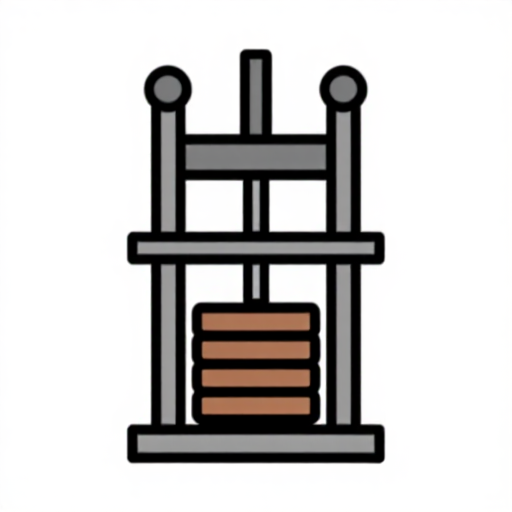 Presse hydraulique
 Plaque de fer
 Toile de jute
5
5
Trim and break up the cakes
Trim and break up the cakes
Release the pressure and take the cakes from the bags. Cut off any wet edges and press them again with the next batch. Break the cakes up in a disintegrator and pack them.
Outils nécessaires :
 Couteau
 Désintégrateur
6
6
The press load
The press load
Chargement du notebook Jupyter…
Matériaux
1- 1 as requiredEspace réservé
Outils requis
10- Espace réservé
- Espace réservé
- Espace réservé
- Espace réservé
- Espace réservé
- Espace réservé
- Espace réservé
- Espace réservé
- Espace réservé
- Espace réservé
Ce plan fabrique

Blueprints liés
Ces blueprints partagent des connaissances — techniques, matériaux ou principes


CC0 Domaine public
Ce blueprint est publié sous CC0. Vous êtes libre de copier, modifier, distribuer et utiliser ce travail pour tout usage, sans demander la permission.
Soutenez le Maker en achetant des produits via son Blueprint où il perçoit une Commission Maker définie par les Vendeurs, ou créez une nouvelle itération de ce Blueprint et incluez-le comme connexion dans votre propre Blueprint pour partager les revenus.