Collaboration
ART
BEAUTÉ ET BIEN-ÊTRE
ARTISANAT
CULTURE ET HISTOIRE
DIVERTISSEMENT
ENVIRONNEMENT
NOURRITURE ET BOISSONS
INGÉNIERIE INVERSE
SCIENCES
SPORTS
TECHNOLOGIE
TECHNOLOGIE PORTABLE
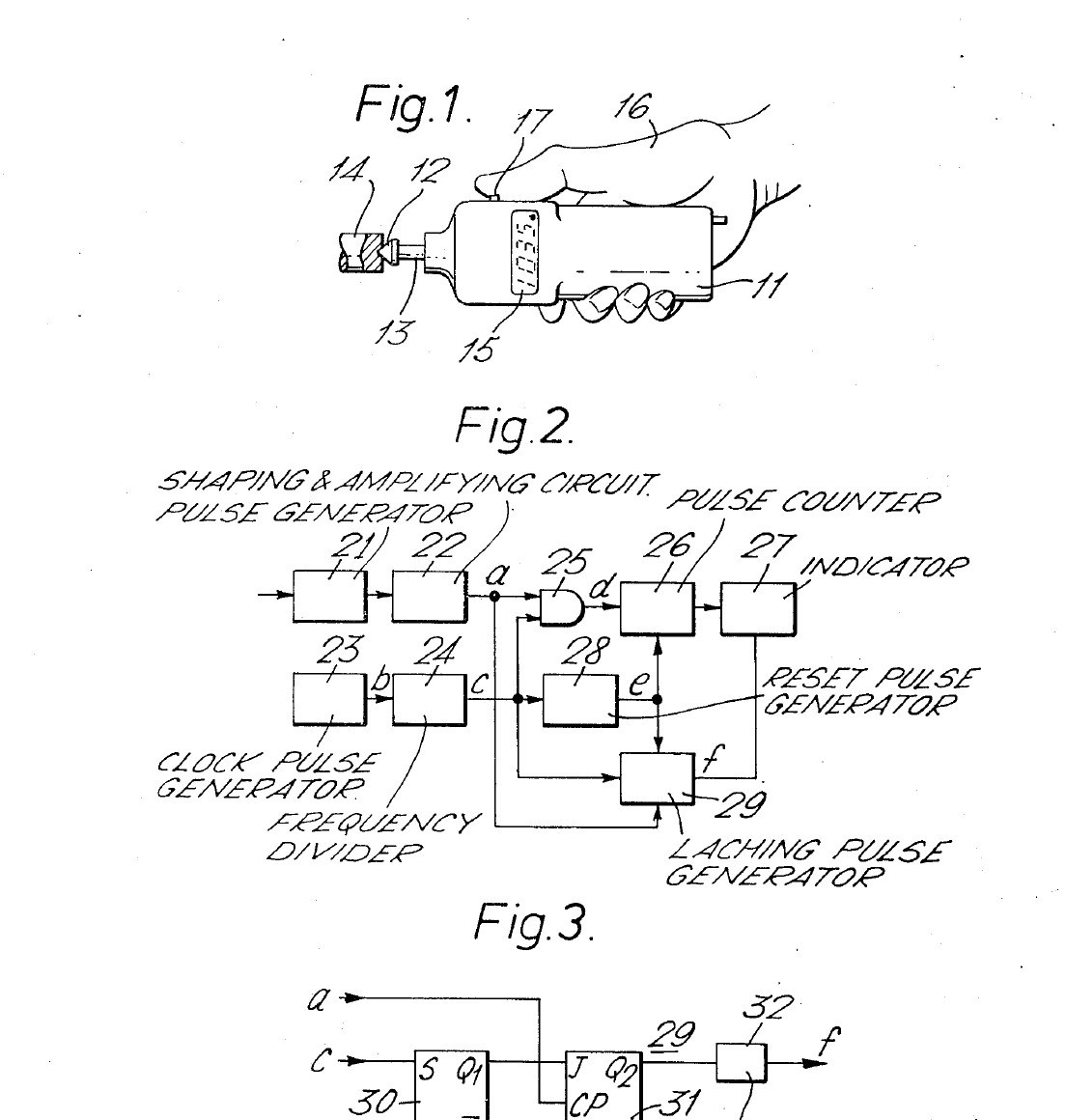

Digital Tachometer: Hand-Held Contact Type That Holds Its Reading (Sugiyama, Shimpo, US 4,000,465, 1976)
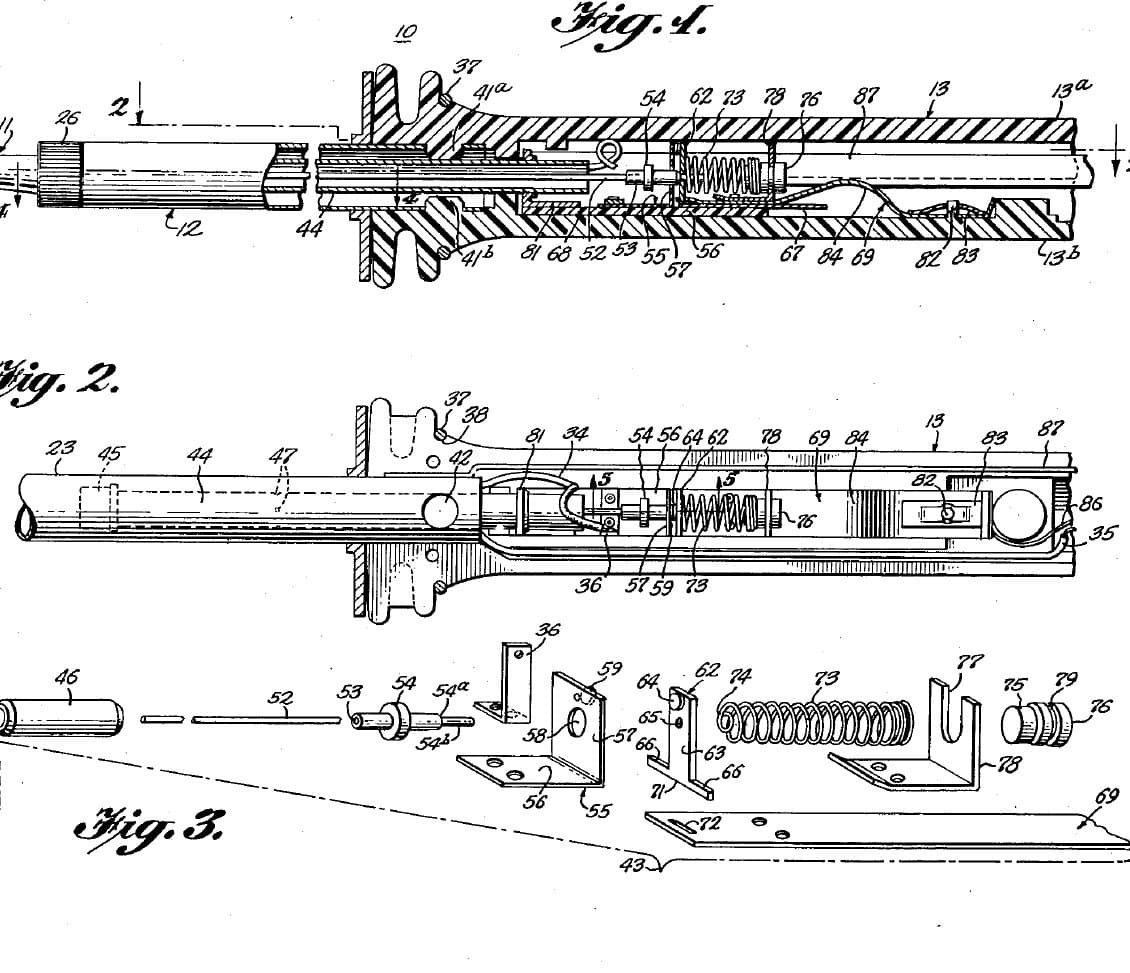
A hand-held digital tachometer. You press the contact head on its shaft against the end of a turning shaft and push the thumb button; a slotted disk inside chops a light beam into pulses, and the pulses counted in a fixed time, set by a quartz clock, appear in the window as the speed. A latch holds the reading after you take the tachometer away, so you can read it even where you could not see the window while measuring.
Result: a contact tachometer that shows revolutions per unit time and keeps the last reading.
Source: Y. Sugiyama (Shimpo Kogyo), US 4,000,465 (1976). Unknown: the number of holes, the clock, the gate time and the circuit details. Picture: the patent drawing.
Avancé
Unknown
Consignes
1
1
Make the housing and measuring shaft
Make the housing and measuring shaft
Make a cylindrical housing to hold in one hand, with a window in its side for the reading and a push button for the power switch where the thumb falls. Run a measuring shaft out of the front end in bearings and fit a contact head on its tip to press against the shaft being measured. Not given: materials, sizes. Ours: aluminium tube, a ball bearing.
Matériaux pour cette étape :
 Tube d'aluminium1 housing
 Métal inconnu1 measuring shaft
 Roulement à billes1 pièce
 Matériau inconnu1 contact head
Outils nécessaires :
 Tour à métaux
 Chignole à main
 Dimensions inconnues
2
2
Make the pulse generator
Make the pulse generator
Fix a disk on the measuring shaft with a ring of small holes evenly spaced near its edge. Put a light source on one side of the disk and a photodetector on the other: each hole passing makes one pulse. Shape and amplify the pulses. Not given: the number of holes. Ours: an LED and a photodiode.
Matériaux pour cette étape :
Matériau inconnu1 slotted disk Assortiment de LED1 light source
 Photodiode (BPW34)1 photodetector
 Résistance1 jeu
Outils nécessaires :
Chignole à main3
3
Build the counting circuit
Build the counting circuit
Divide a quartz oscillator's clock down to gate pulses one unit of time long. Pass the measurement pulses through an AND gate during each gate pulse into a counter. At the start of each gate pulse a reset pulse clears the counter. After the gate pulse ends, the first measurement pulse that arrives triggers a latch pulse that loads the new count into the display. If the head has been taken off the shaft, no pulse arrives, no latch pulse is made, and the display keeps the last reading until the next measurement or until the power is switched off. Not given: the clock frequency and gate time. Ours: logic ICs and a seven-segment display.
Matériaux pour cette étape :
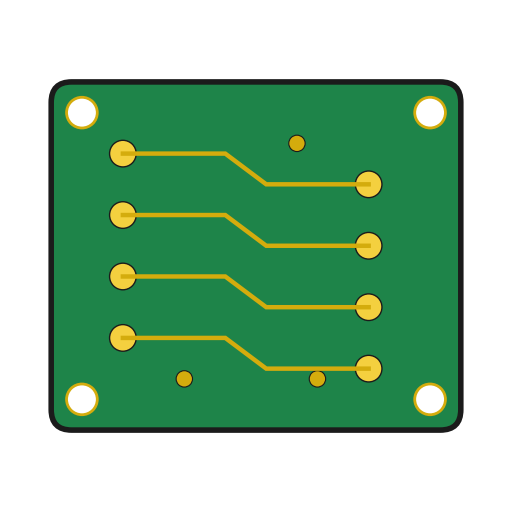 Circuit imprimé1 pièce
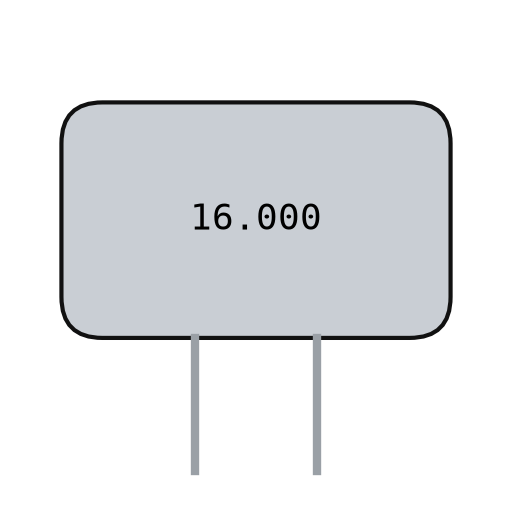 Cristal de quartz1 pièce
 Assortiment de circuits intégrés logiques1 divider, AND gate, counter, latch, reset
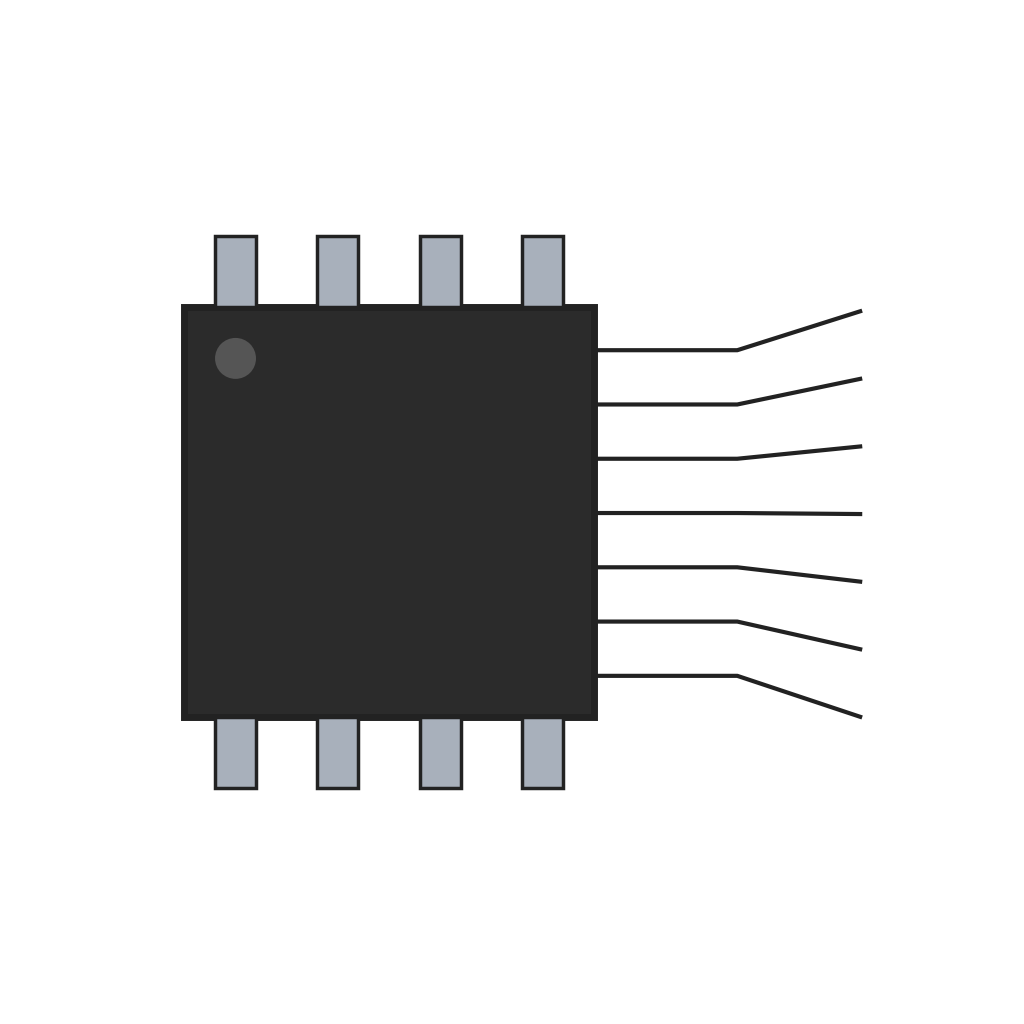 Pilote d'afficheur sept segments1 pièce
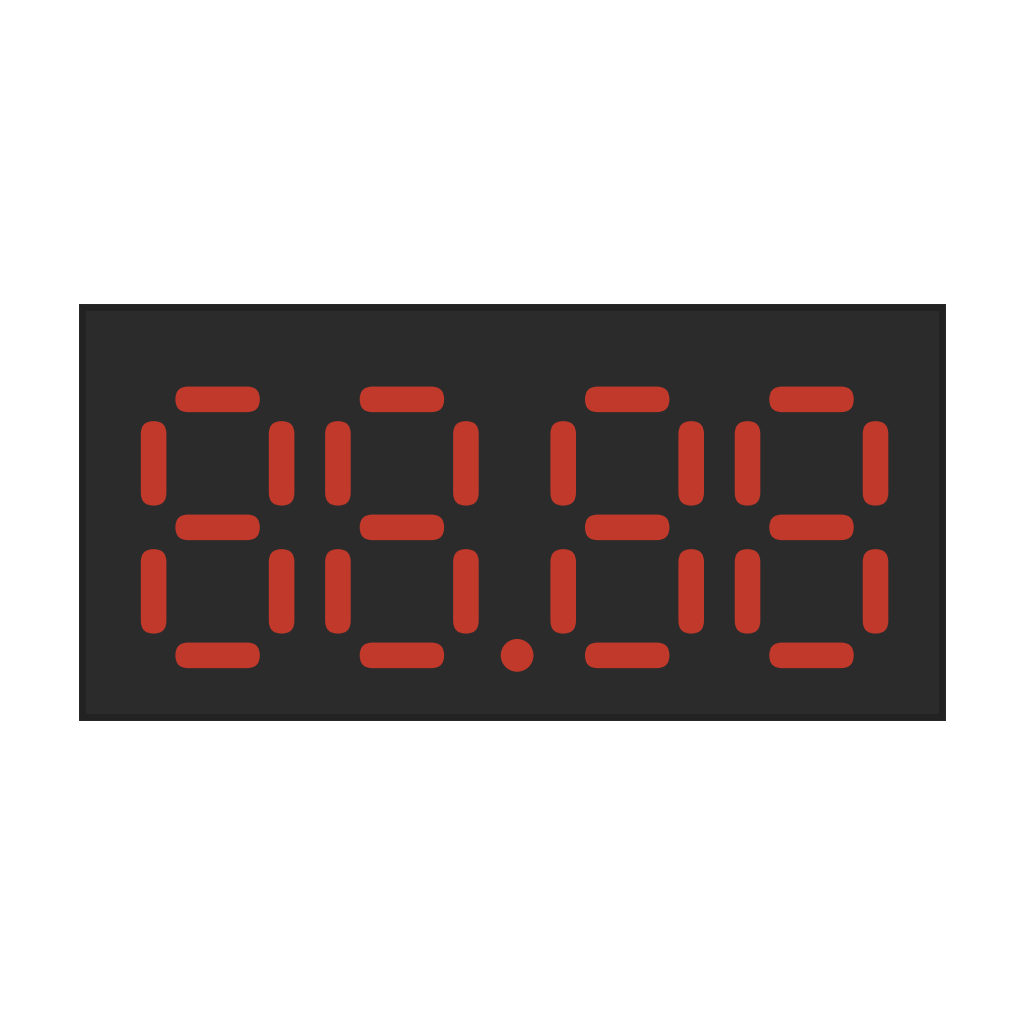 Afficheur sept segments à quatre chiffres1 pièce
 Fil de soudure1 as needed
Outils nécessaires :
 Fer à souder
4
4
Power it and measure
Power it and measure
Fit the battery and the thumb button as the power switch. Press the contact head against the end of the turning shaft so it turns with it, push the button, and read the revolutions in the window, now or after you take the tachometer away.
Matériaux pour cette étape :
 Batterie1 pièce
 Bouton-poussoir1 pièce
Outils nécessaires :
Fer à souderMatériaux
15- 1 housingEspace réservé
- 1 measuring shaftEspace réservé
- Espace réservé
- 1 slotted diskEspace réservé
- 1 light sourceEspace réservé
- 1 photodetectorEspace réservé
- 1 jeuEspace réservé
- 1 pièceEspace réservé
- 1 pièceEspace réservé
- 1 divider, AND gate, counter, latch, resetEspace réservé
- Espace réservé
- Espace réservé
- 1 as neededEspace réservé
- 1 pièceEspace réservé
- Espace réservé
Outils requis
4- Espace réservé
- Espace réservé
- Espace réservé
- 2 vendors sell this, none ship to you yetEspace réservé
Matériaux des Blueprints connectés
Ce plan fabrique
CC0 Domaine public
Ce blueprint est publié sous CC0. Vous êtes libre de copier, modifier, distribuer et utiliser ce travail pour tout usage, sans demander la permission.
Soutenez le Maker en achetant des produits via son Blueprint où il perçoit une Commission Maker définie par les Vendeurs, ou créez une nouvelle itération de ce Blueprint et incluez-le comme connexion dans votre propre Blueprint pour partager les revenus.