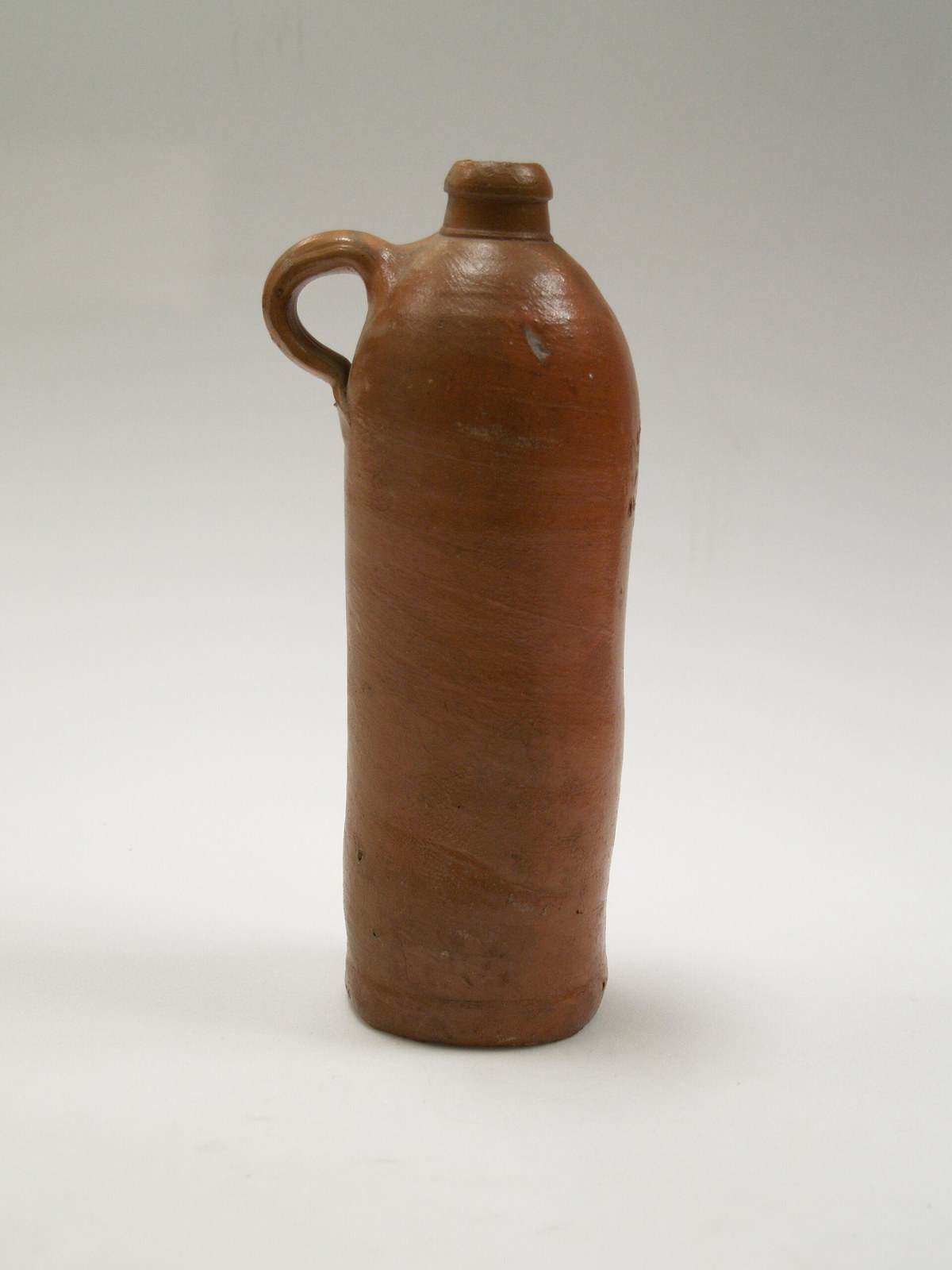

Dutch Geneva (Genever): Malt and Rye Mashed at 162 F, Distilled Three Times with Juniper and Hops (Byrn, 1868)
Consignes
Read Byrn, and the law
Read Byrn, and the law
The still
The still
His measures in metric
His measures in metric
Grind the grain
Grind the grain
Matériaux pour cette étape :
 Malt pâle1 as required
 Grain de seigle1 as required
Outils nécessaires :
 Moulin à grain
Mash at 162 F
Mash at 162 F
Matériaux pour cette étape :
 Eau1 as required
Outils nécessaires :
 Baquet en bois
 Cuillère en bois
 Thermomètre de cuisson
 Grande marmite
Cut with cold water
Cut with cold water
Matériaux pour cette étape :
Eau1 as requiredOutils nécessaires :
Baquet en bois Densimètre
Ferment 48 hours
Ferment 48 hours
Matériaux pour cette étape :
 Levure de brassage1 as required
Outils nécessaires :
 Tonneau en boisThermomètre de cuisson
Charge and lute the still
Charge and lute the still
Matériaux pour cette étape :
 Carbonate de calcium (blanc de Meudon)1 as required
 Farine de seigle1 as requiredEau1 as required
 Pain de savon1 pièce
Outils nécessaires :
 Alambic de distillation
Raise the fire by degrees
Raise the fire by degrees
Outils nécessaires :
Alambic de distillation Couverture en laine tissée
Set aside the first runnings
Set aside the first runnings
Outils nécessaires :
 Verre doseur
Run the low wines
Run the low wines
Outils nécessaires :
Alambic de distillation BougieTonneau en boisDensimètre
Second distillation
Second distillation
Outils nécessaires :
Alambic de distillationThird distillation, juniper and hops
Third distillation, juniper and hops
Matériaux pour cette étape :
 Genévrier (baies et bois)1 as required
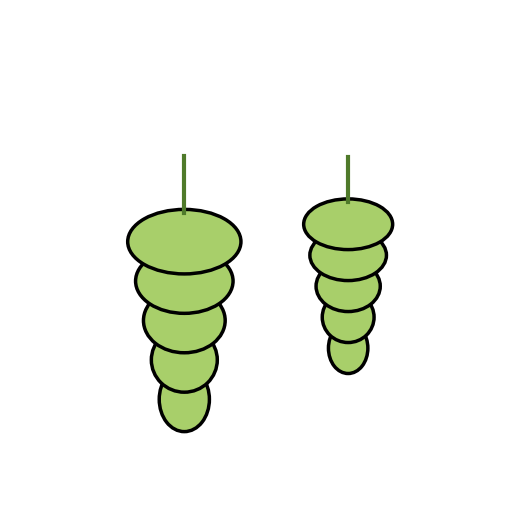 Houblon1 as required
Outils nécessaires :
Alambic de distillationCut at the bead
Cut at the bead
Outils nécessaires :
 Flacon de verre (petit, pour échantillons)Verre doseur
Collect the feints, stop the fire
Collect the feints, stop the fire
Outils nécessaires :
Tonneau en boisBougieBring to proof
Bring to proof
Matériaux pour cette étape :
Eau1 as requiredOutils nécessaires :
DensimètreVerre doseurRedistil the feints
Redistil the feints
Matériaux pour cette étape :
 Sel1.8 kg
Outils nécessaires :
Alambic de distillationKeep it in glass
Keep it in glass
Matériaux pour cette étape :
 Bouteilles en verre avec bouchons1 pièce
Outils nécessaires :
Verre doseurTroubleshooting
Troubleshooting
Flow
History and honest limits
History and honest limits
Matériaux
11- 1 as requiredEspace réservé
- 1 as requiredEspace réservé
- 4 as requiredEspace réservé
- 1 as requiredEspace réservé
- 1 as requiredEspace réservé
- 1 as requiredEspace réservé
- 1 pièceEspace réservé
- 1 as requiredEspace réservé
- 1 as requiredEspace réservé
- 1.8 kgEspace réservé
- Espace réservé
Outils requis
12- Espace réservé
- Espace réservé
- Espace réservé
- Espace réservé
- Espace réservé
- Espace réservé
- Espace réservé
- Espace réservé
- Espace réservé
- Espace réservé
- Espace réservé
- Espace réservé
Matériaux des Blueprints connectés

Ce plan fabrique
Blueprints liés
Ces blueprints partagent des connaissances — techniques, matériaux ou principes
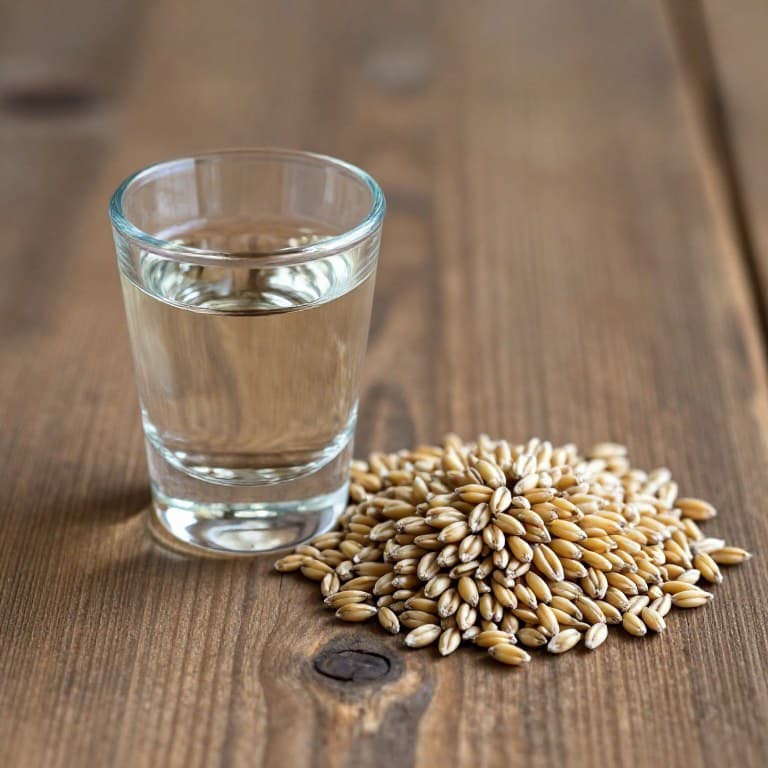
Malt Whisky: Malt and Barley Meal Mashed at 150 F, Fermented 8 to 12 Days and Distilled (Byrn, 1868)
par Alchometer
Boissons Alcoolisées
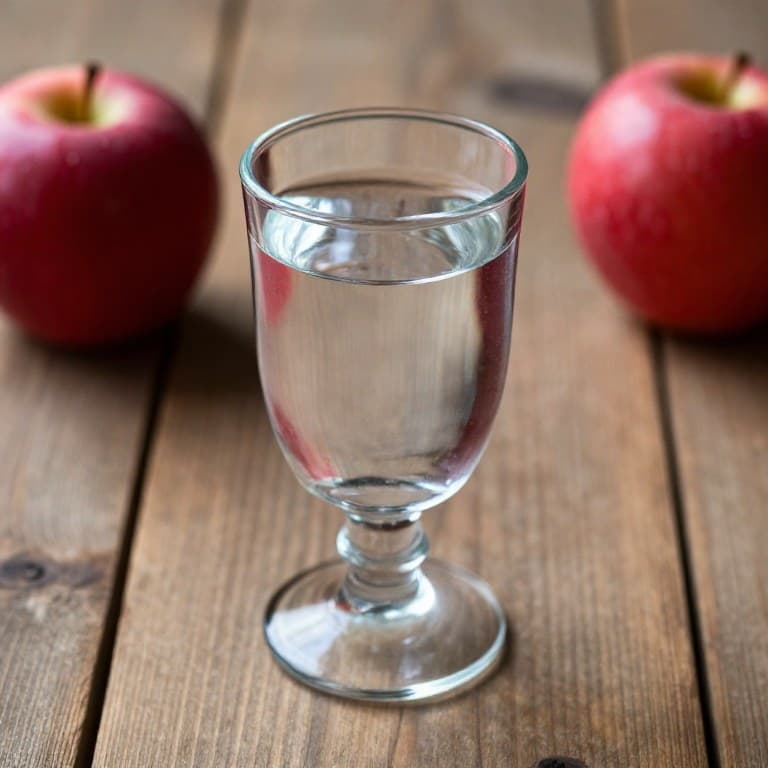
Apple Brandy (Cider Spirits): Pressed Cider Fermented, Distilled to Low Wines and Doubled (Byrn, 1868)
par Alchometer
Boissons Alcoolisées
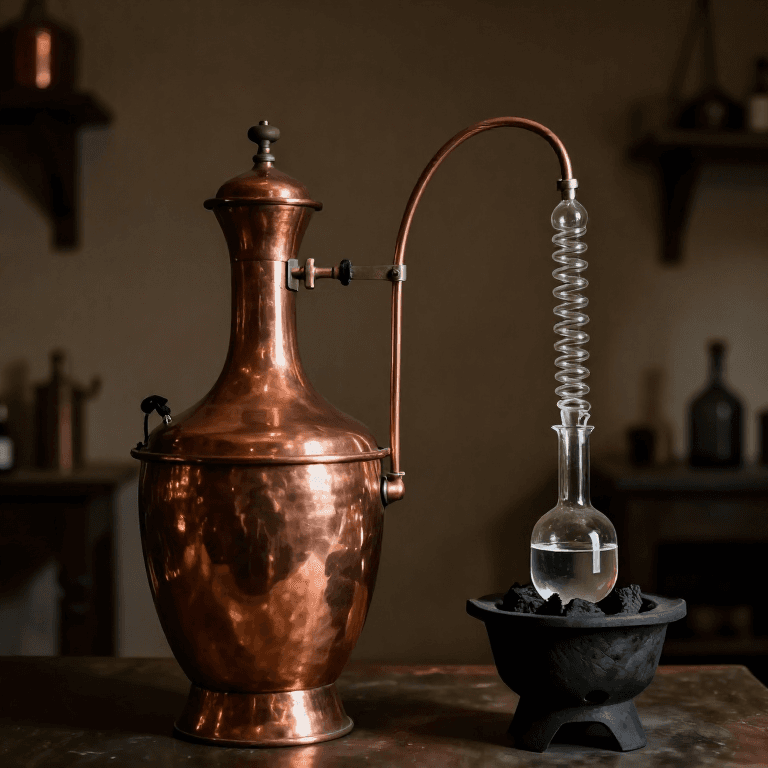
Building a Copper Alembic Still — Islamic Golden Age Distillation
par Charlie
ARTISANAT
CC0 Domaine public
Ce blueprint est publié sous CC0. Vous êtes libre de copier, modifier, distribuer et utiliser ce travail pour tout usage, sans demander la permission.
Soutenez le Maker en achetant des produits via son Blueprint où il perçoit une Commission Maker définie par les Vendeurs, ou créez une nouvelle itération de ce Blueprint et incluez-le comme connexion dans votre propre Blueprint pour partager les revenus.