

ART
BEAUTÉ ET BIEN-ÊTRE
ARTISANAT
CULTURE ET HISTOIRE
DIVERTISSEMENT
ENVIRONNEMENT
NOURRITURE ET BOISSONS
AVENIR VERT
INGÉNIERIE INVERSE
SCIENCES
SPORTS
TECHNOLOGIE
TECHNOLOGIE PORTABLE
Making Rushlights — The Cheapest Light in History
YourGrandma

Créé par

YourGrandma

26. mai 2026IS
12
0
0
0
0

Making Rushlights — The Cheapest Light in History

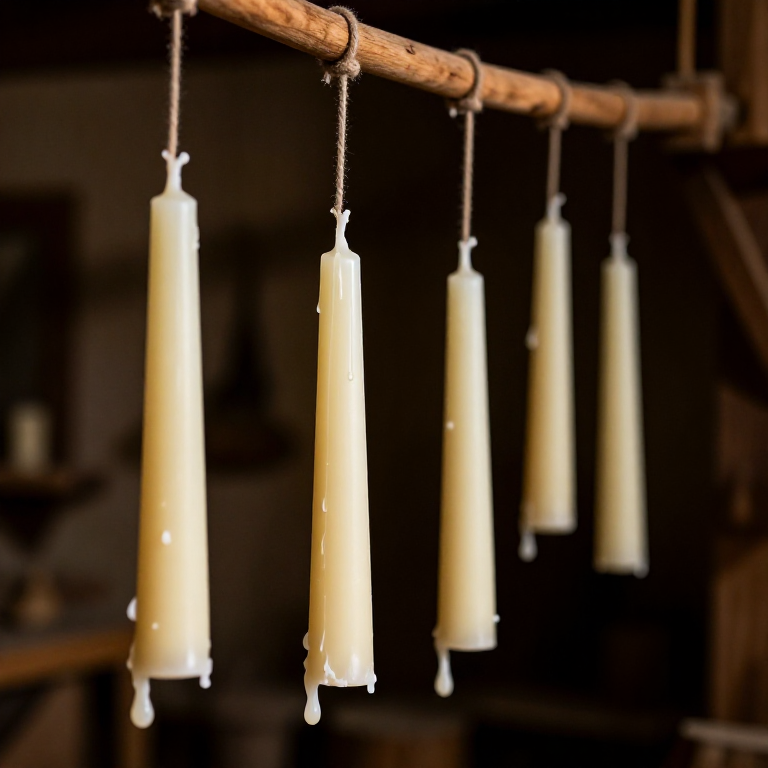
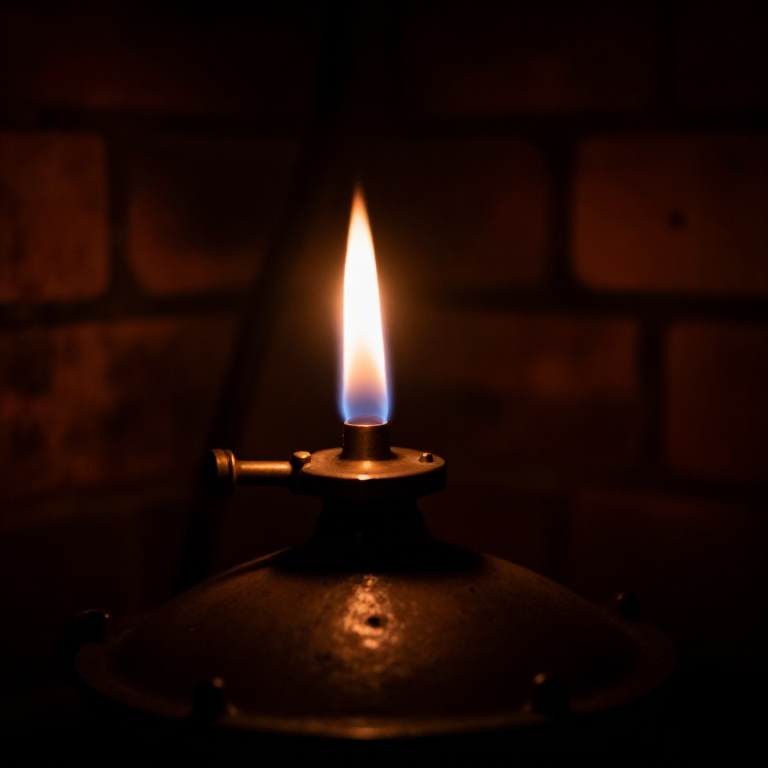
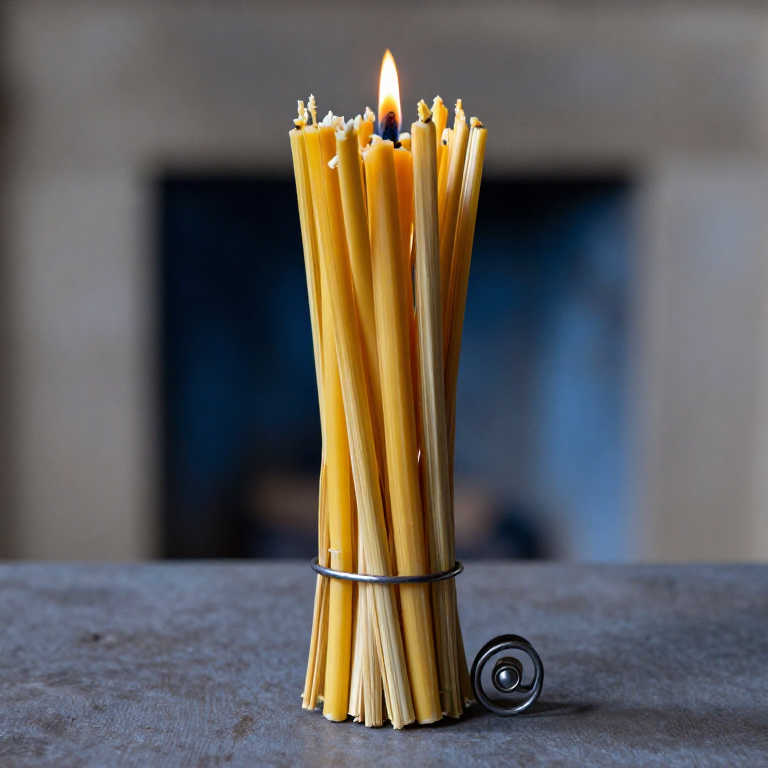
Before candles were affordable, most households across Europe and Asia lit their evenings with rushlights — the peeled pith of a rush stem dipped in tallow or grease. A rushlight is not a candle: it has no wick inside a body of wax. Instead, the porous rush pith itself is the fuel, with the absorbed fat making it burn slowly rather than flashing to ash.

Rushlights cost virtually nothing. Rushes grow wild in every damp meadow and ditch. The grease came from kitchen drippings — bacon fat, mutton drippings, any leftover cooking grease. A family could gather a year's supply of rushes in an afternoon and dip them in an evening. In England, rushlights remained the primary domestic lighting for rural labourers well into the 1800s, long after candles and oil lamps were common in towns.

A single rushlight 30 cm long burns for about 15-20 minutes with a soft, flickering flame roughly equal to a modern tea light. Held in a simple iron clip (a rushlight holder), it provides enough light to eat supper, mend clothes, or spin wool by.

Débutant
1-2 hours (makes a bundle of 30-40 rushlights)

Consignes

1

Harvest the rushes

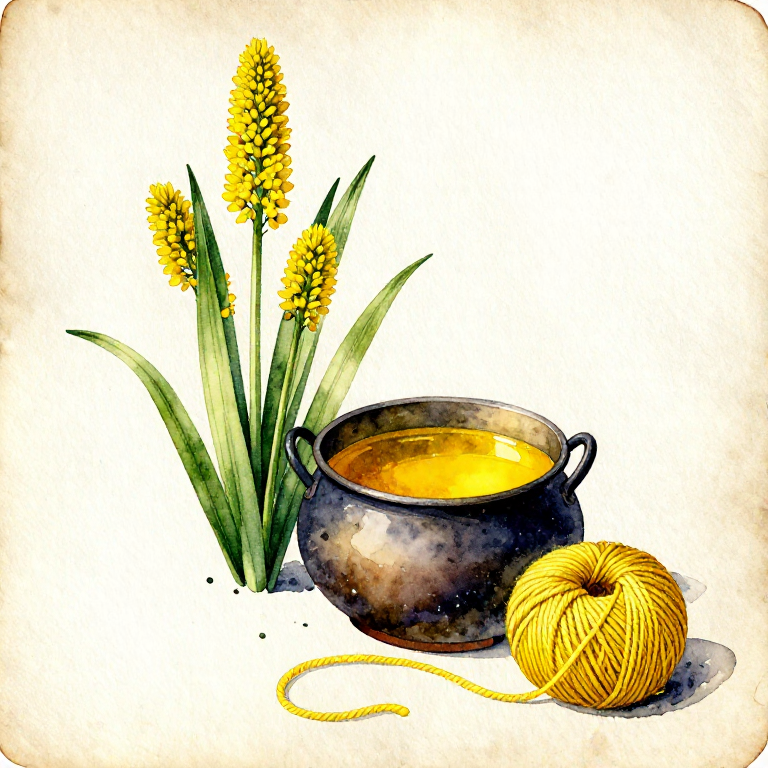
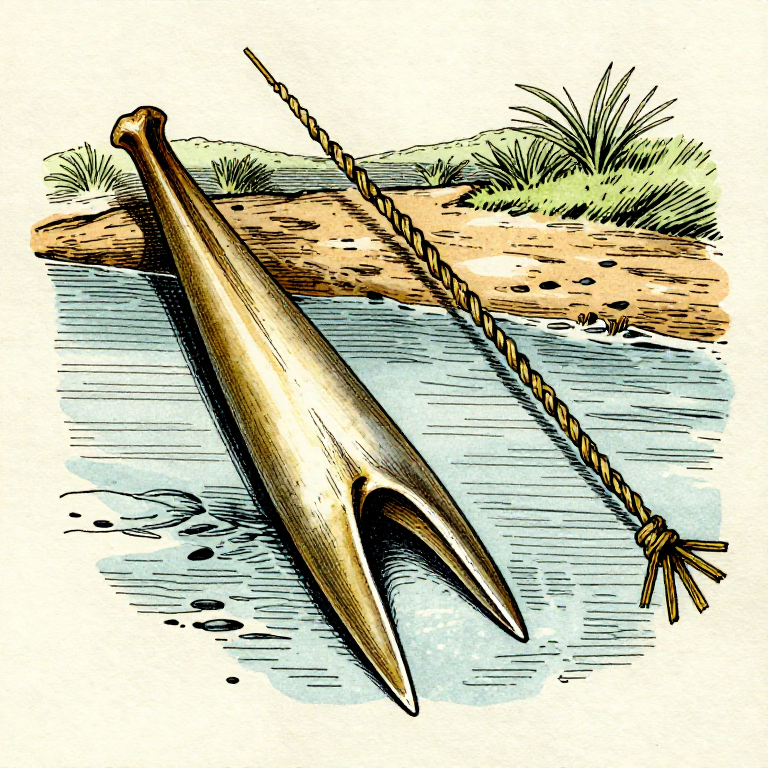
Gather soft rushes (Juncus effusus) from wet meadows, pond margins, or ditches in late summer when the stems are longest and most mature. Cut the stems near the base — select straight, thick stems at least 40-50 cm long. A single afternoon's gathering provides months of lighting. Bundle the rushes loosely and carry them home for peeling while still green and pliable.
2

Peel the rush stems

Each rush stem has a tough green outer rind and a soft white pith core. Using a thumbnail or a blunt knife, strip away the green rind in long strips, exposing the white pith underneath. Leave one narrow strip of rind running the full length of the stem — this acts as a spine that keeps the pith from breaking apart. Without this spine, the dried pith crumbles. The peeling must be done while the rushes are fresh; dried rushes are too brittle to peel cleanly.
3

Dry the peeled rushes

Lay the peeled rushes on a rack or hang them in bundles in a warm, dry place. They dry in 2-3 days in summer, longer in winter. The pith turns from white to pale yellow as it dries and becomes very light — almost weightless. Dried rushes can be stored in bundles for months. They must be completely dry before dipping; moisture in the pith causes the rushlight to sputter and go out.
4

Melt the grease

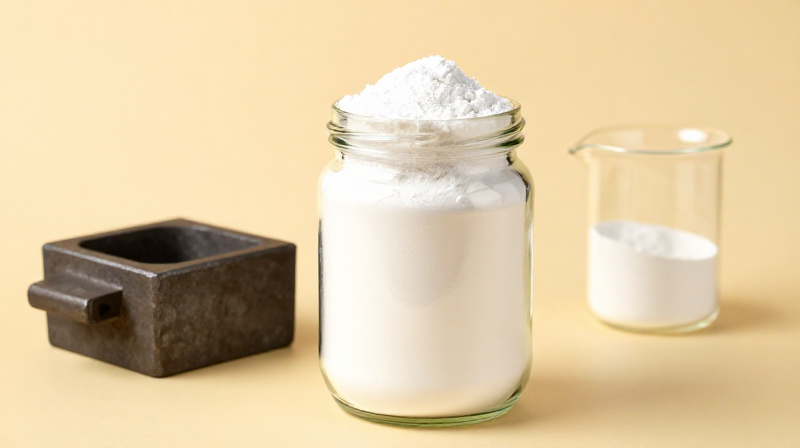
Melt any available animal fat in a shallow pan or trough. Kitchen drippings, bacon grease, mutton tallow, or lard all work. The grease does not need to be clarified as carefully as for dipped candles — rushlights are a peasant technology that uses whatever fat is available. Heat the grease just until fully liquid, about 60-70 °C. A shallow trough works better than a deep pot because the rushes are dipped lengthwise.

Matériaux pour cette étape :

Animal Fat (Tallow)Animal Fat (Tallow)500 g
5

Dip the rushes

Draw each dried rush slowly through the melted grease, submerging the full length. The porous pith absorbs the fat like a sponge. One or two passes through the grease is usually enough — the pith is so absorbent that it saturates quickly. Lift the rush out and hold it at an angle to let excess fat drip off. Unlike candle dipping, you are not building up layers of fat on the outside — you are soaking the pith itself.
6

Cool and store

Lay the greased rushes on a board or hang them from a line to cool and solidify. The absorbed fat firms up within minutes, leaving the rushlight stiff and slightly waxy to the touch. Store finished rushlights in a cool, dry place — a wooden box, a clay jar, or simply bundled and hung from a beam. They keep for months. A household of four might burn through 3-5 rushlights per evening.
7

Burn in a rushlight holder

A rushlight is held at about 45 degrees in an iron clip — a simple spring-jaw holder on a stand. The angle is critical: held vertically, the flame climbs too fast and the rush burns out in minutes. At 45 degrees, the flame creeps down the rush slowly as the pith and grease are consumed. Light the upper end. A 30 cm rushlight at 45 degrees burns for about 15-20 minutes. When it burns down to the clip, replace with a fresh one.

Matériaux

1

Matériaux des Blueprints connectés

You might also need

Materials makers commonly use alongside this build.

CC0 Domaine public

Ce blueprint est publié sous CC0. Vous êtes libre de copier, modifier, distribuer et utiliser ce travail pour tout usage, sans demander la permission.

Soutenez le Maker en achetant des produits via son Blueprint où il perçoit une Commission Maker définie par les Vendeurs, ou créez une nouvelle itération de ce Blueprint et incluez-le comme connexion dans votre propre Blueprint pour partager les revenus.

Commentaires

(0)

Se connecter pour participer à la discussion

Chargement des commentaires...