

Building a Wooden Cart Wheel — Hub, Spokes, and Felloes
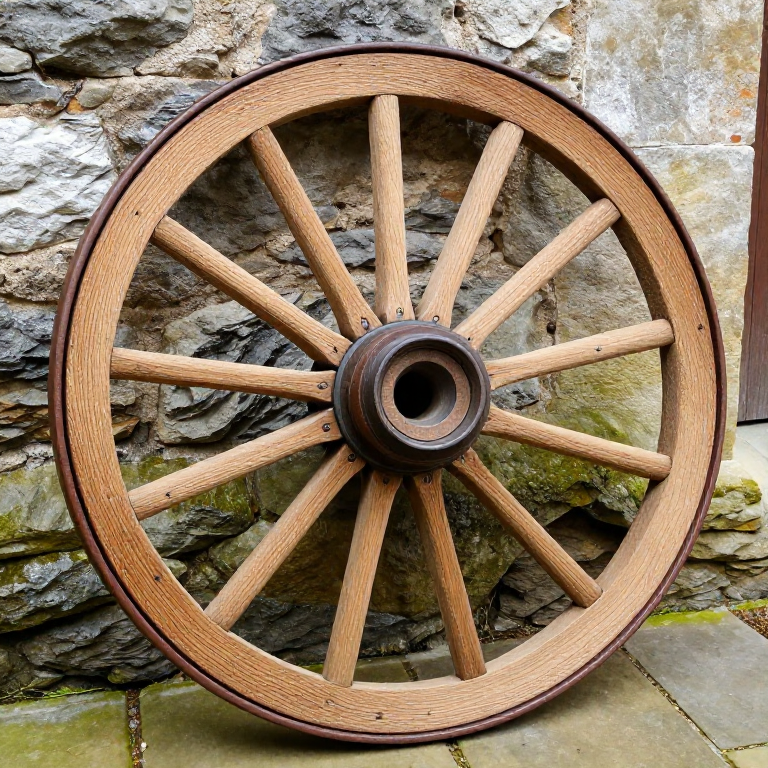
The spoked wheel is one of the greatest inventions in human history. First appearing around 2000 BCE, it made overland transport practical and remained essentially unchanged for nearly four thousand years. A wooden cart wheel is a precision assembly of three distinct components: a central hub (the nave) bored to fit the axle, a set of spokes radiating outward from the hub, and a rim (the felloe) made from curved segments joined end to end. Each component demands a different woodworking skill.
The hub is turned or carved from a single block of dense hardwood — elm is traditional because its interlocked grain resists splitting when mortised for the spokes. The spokes are riven from straight-grained oak for maximum strength. The felloes are sawn or carved from naturally curved timber — the crook of a branch that matches the wheel's curvature. Every joint must be tight: the spokes are driven into mortises in the hub and through mortises in the felloes, then wedged.
Wheelwrighting was one of the most skilled of the traditional trades. The wheel must be perfectly round, perfectly flat, and slightly dished (the spokes angled outward from the hub so the wheel tracks straight under load). A badly made wheel wobbles, wears unevenly, and collapses under the first heavy load.
Consignes
Turn or carve the hub
Turn or carve the hub
Outils nécessaires :
 Herminette
 Plane
PlaneCut the spoke mortises in the hub
Cut the spoke mortises in the hub
Outils nécessaires :
 Tarière à main
 Jeu de ciseaux à bois
 Trusquin
 Compas à pointes sèches
Rive and shape the spokes
Rive and shape the spokes
Outils nécessaires :
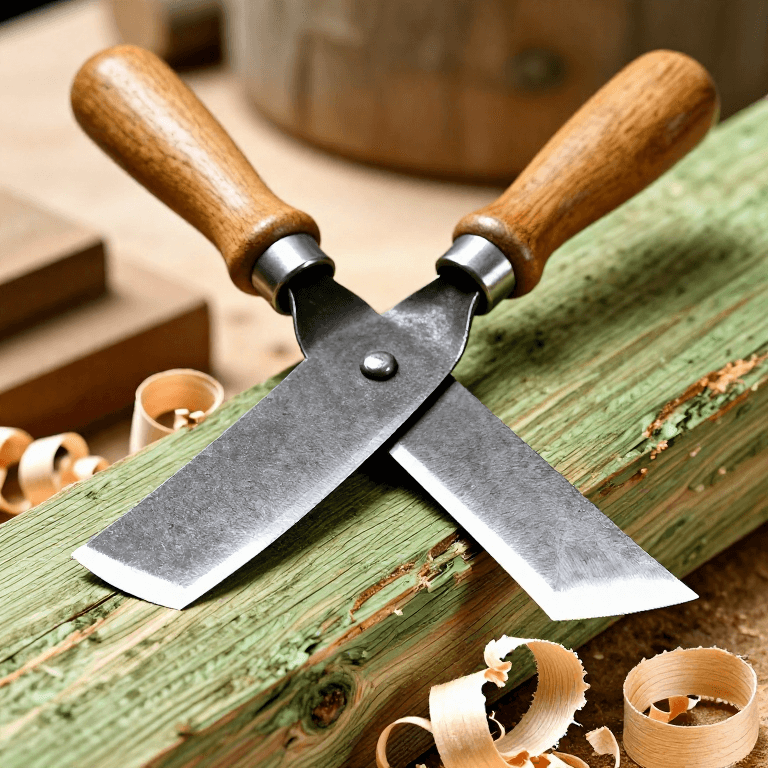
Plane Départoir (froe)
Drive the spokes into the hub
Drive the spokes into the hub
Outils nécessaires :
 Maillet en bois
Shape and fit the felloes
Shape and fit the felloes
Matériaux pour cette étape :
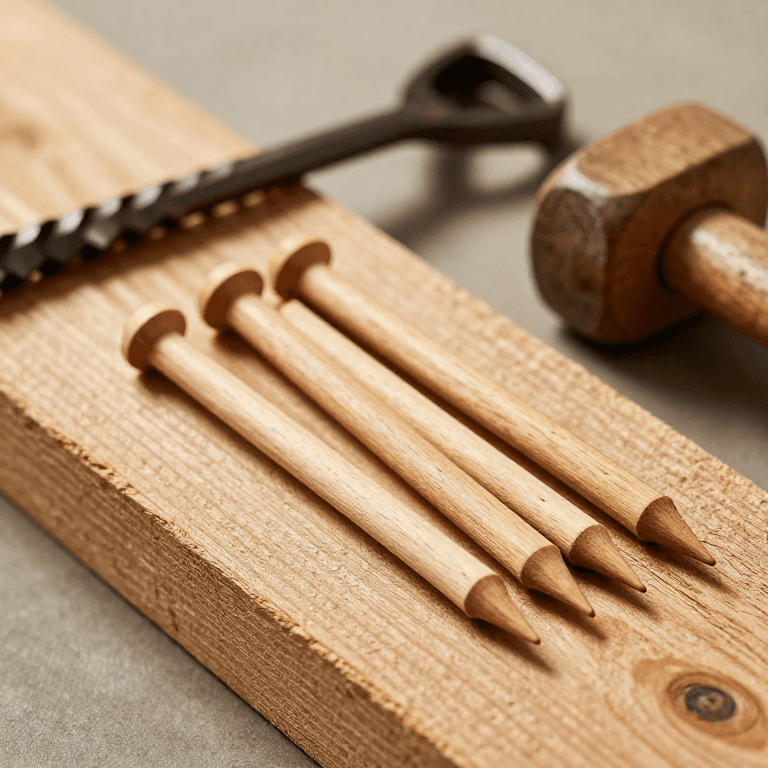
 Tourillon en bois1 pièce
Fit the iron tyre (optional reinforcement)
Fit the iron tyre (optional reinforcement)
Matériaux
1- 1 pièceEspace réservé
Outils requis
8- Espace réservé
- Espace réservé
- Espace réservé
- Espace réservé
- Espace réservé
- Espace réservé
- Espace réservé
- Espace réservé
Matériaux des Blueprints connectés


Blueprints liés
Ces blueprints partagent des connaissances — techniques, matériaux ou principes
CC0 Domaine public
Ce blueprint est publié sous CC0. Vous êtes libre de copier, modifier, distribuer et utiliser ce travail pour tout usage, sans demander la permission.
Soutenez le Maker en achetant des produits via son Blueprint où il perçoit une Commission Maker définie par les Vendeurs, ou créez une nouvelle itération de ce Blueprint et incluez-le comme connexion dans votre propre Blueprint pour partager les revenus.