ART
BEAUTÉ ET BIEN-ÊTRE
ARTISANAT
CULTURE ET HISTOIRE
DIVERTISSEMENT
ENVIRONNEMENT
NOURRITURE ET BOISSONS
INGÉNIERIE INVERSE
SCIENCES
SPORTS
TECHNOLOGIE
TECHNOLOGIE PORTABLE
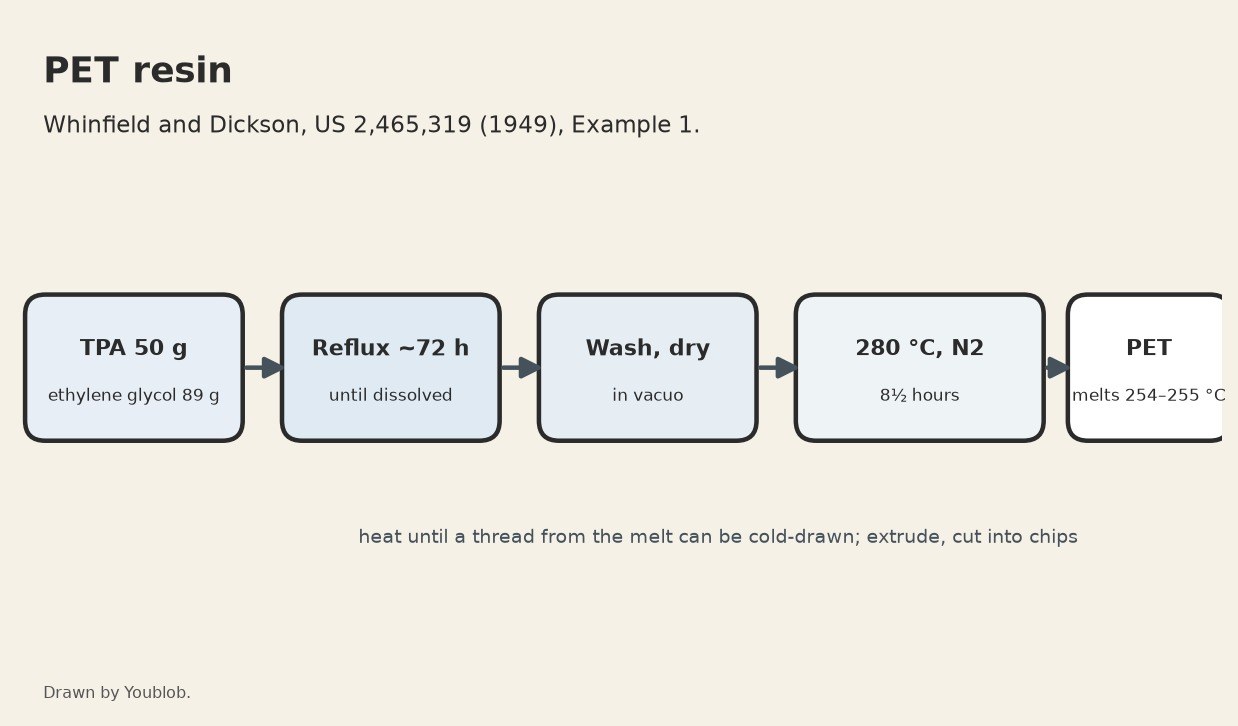


PET Resin: Terephthalic Acid and Ethylene Glycol, Whinfield and Dickson
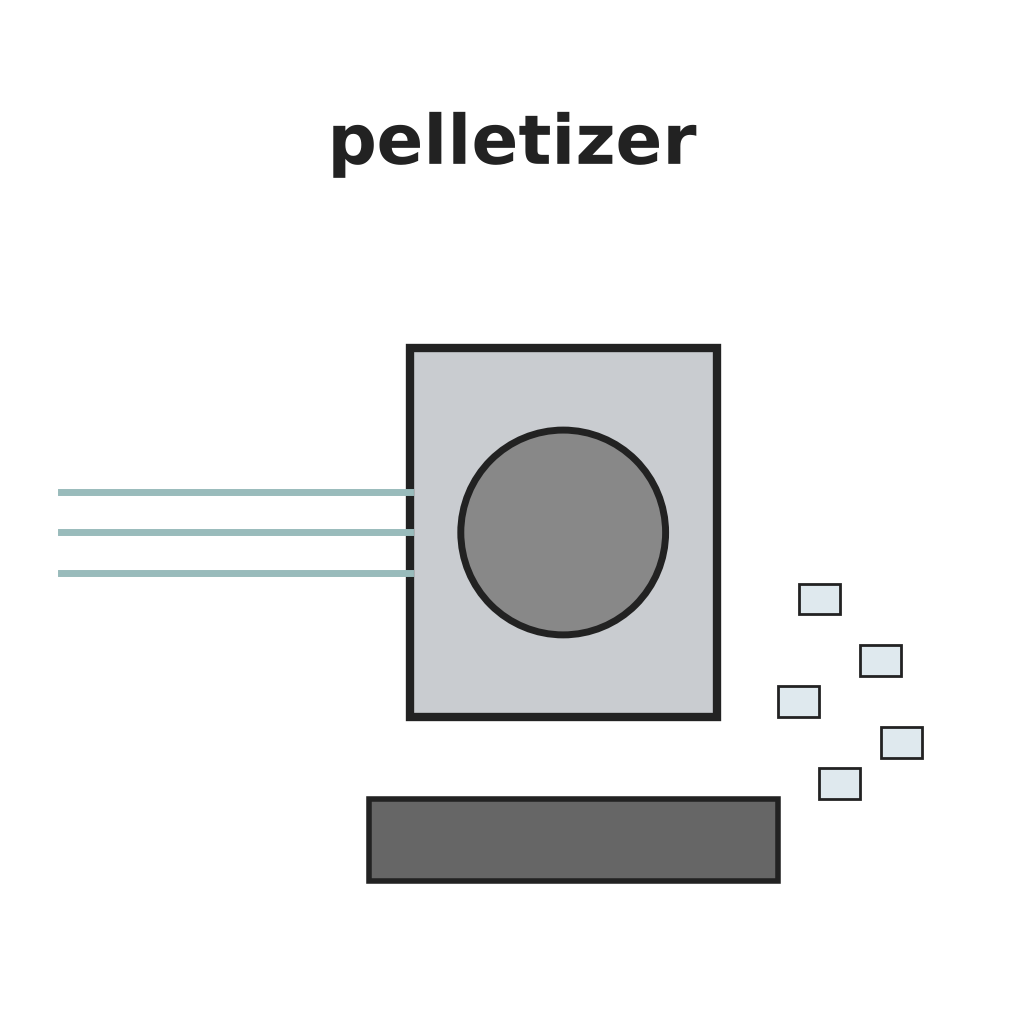
PET (polyethylene terephthalate) was invented by Whinfield and Dickson, whose patent (US 2,465,319, 1949) gives this first example: boil terephthalic acid in ethylene glycol until it dissolves, wash and dry the glycol ester, then heat it at 280 °C under nitrogen until it is a viscous polymer that melts at 254–255 °C and can be drawn into fibre. The melt is extruded and cut into chips (pellets) for moulding and spinning.
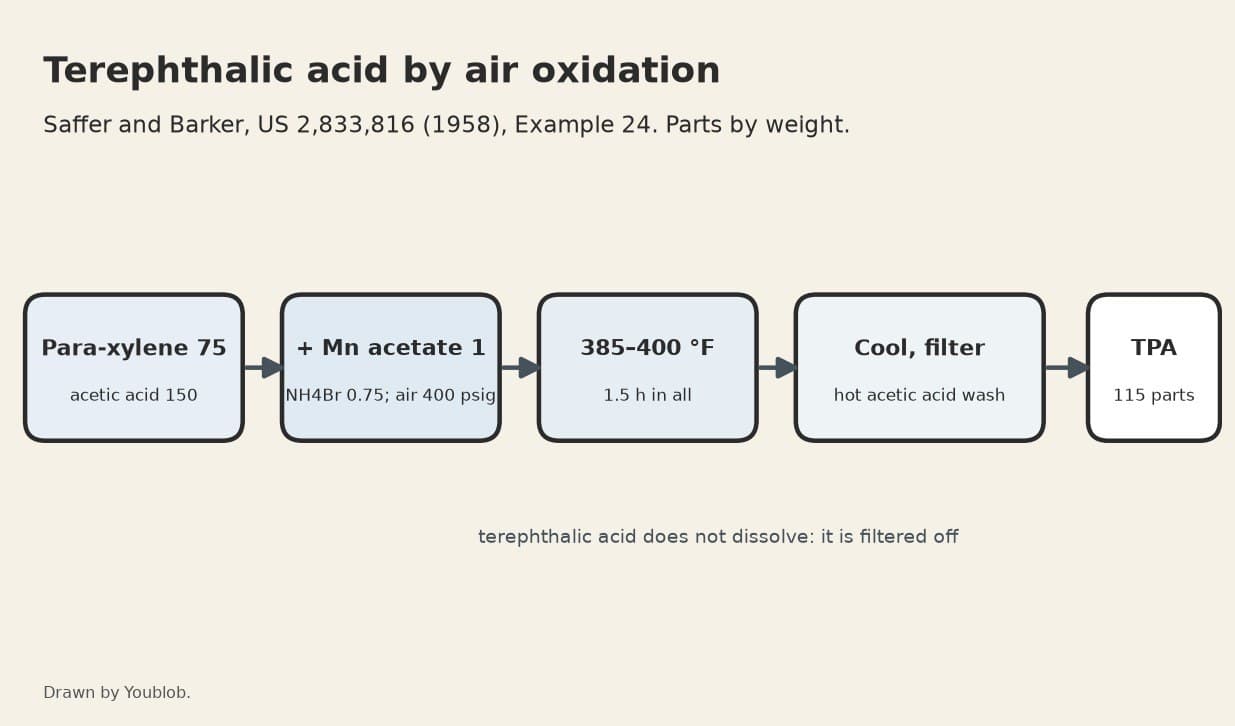
The picture: our diagram.
Avancé
About 4 days
Consignes
1
1
Boil the acid in glycol
Boil the acid in glycol
Reflux 50 g terephthalic acid with 89 g ethylene glycol for about 72 hours, until it has all dissolved. This makes glycol terephthalate.
Matériaux pour cette étape :
 Acide téréphtalique50 g
 Éthylène glycol89 g
Outils nécessaires :
 Balance à fléau
 Ballon à fond rond
 Serpentin de condenseur
 Plaque chauffante
2
2
Wash and dry the ester
Wash and dry the ester
Wash the glycol terephthalate with water and dry it under vacuum.
Outils nécessaires :
 Eau distillée
 Entonnoir en verre à tige
 Papier filtre
 Pompe à vide
3
3
Heat at 280 °C under nitrogen
Heat at 280 °C under nitrogen
Melt it and heat at 280 °C for 8½ hours in a slow stream of nitrogen: no air may reach it. It grows thick as it polymerises.
Outils nécessaires :
Ballon à fond rondPlaque chauffante Thermocouple avec afficheur
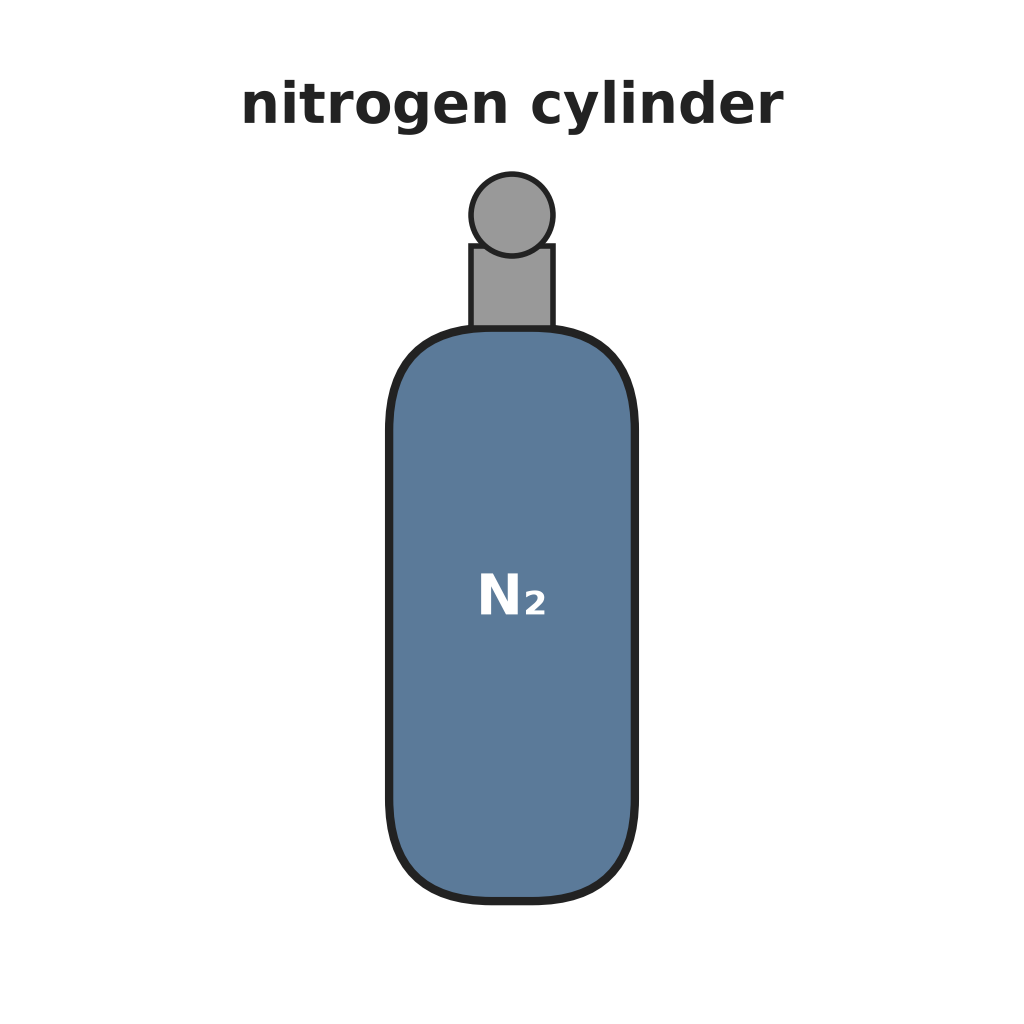 Bouteille d’azote
 Gants résistants à la chaleur
 Lunettes-masque anti-projections chimiques
4
4
Test for cold-drawing
Test for cold-drawing
Pull a thread from the melt with a rod and let it cool. It is ready when the cold thread can be stretched to several times its length. The finished polymer melts at 254–255 °C.
Outils nécessaires :
 Baguette de verreGants résistants à la chaleur
5
5
Extrude and cut into chips
Extrude and cut into chips
Extrude the molten polymer, let it cool, and cut it into chips (pellets).
Outils nécessaires :
 Extrudeuse de plastique
 GranulateurGants résistants à la chaleur
Matériaux
2- Espace réservé
- 89 gEspace réservé
Outils requis
15- Espace réservé
- Espace réservé
- Espace réservé
- Espace réservé
- Espace réservé
- Espace réservé
- Espace réservé
- 1 vendor sell this, none ship to you yetEspace réservé
- Espace réservé
- Espace réservé
- Espace réservé
- Espace réservé
- Espace réservé
- Espace réservé
- Espace réservé
Ce plan fabrique
Blueprints liés
Ces blueprints partagent des connaissances — techniques, matériaux ou principes
CC0 Domaine public
Ce blueprint est publié sous CC0. Vous êtes libre de copier, modifier, distribuer et utiliser ce travail pour tout usage, sans demander la permission.
Soutenez le Maker en achetant des produits via son Blueprint où il perçoit une Commission Maker définie par les Vendeurs, ou créez une nouvelle itération de ce Blueprint et incluez-le comme connexion dans votre propre Blueprint pour partager les revenus.