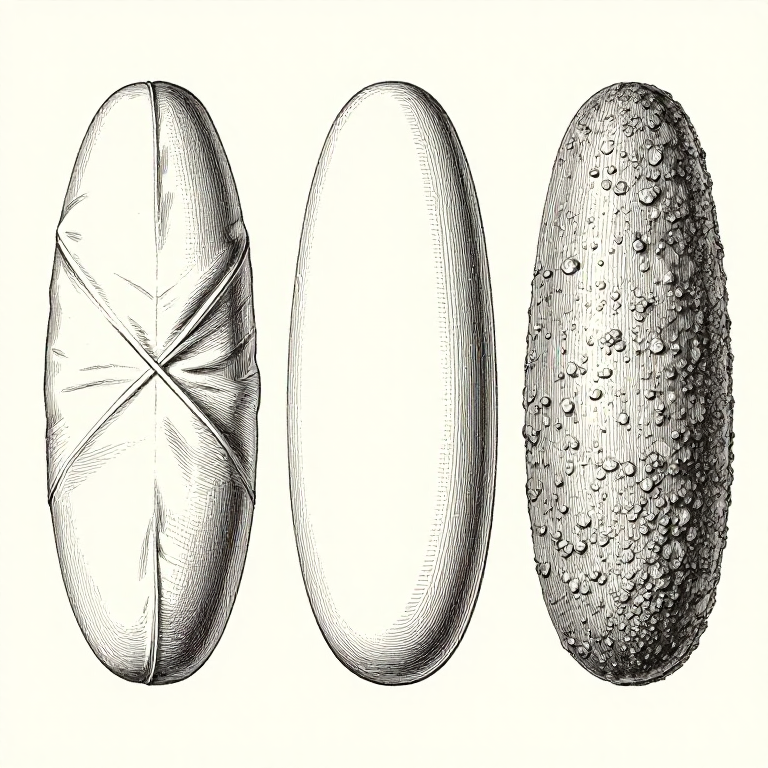

Pouring Temperature: Too Cold Misruns, Too Hot Tears the Mould
Consignes
Superheat, by alloy
Superheat, by alloy
Matériaux pour cette étape :
 Lingot de bronze1 pièce
 Lingot d'aluminium pur à 99,7 % de 450 g1 pièce
Outils nécessaires :
 Pyromètre
 Thermocouple avec afficheur
 Ordinateur de bureau
Skim, and do not stir the dross back in
Skim, and do not stir the dross back in
Matériaux pour cette étape :
Lingot de bronze1 pièceOutils nécessaires :
 Écumoire à mailles fines
 Poche de fonderie
 Pince à creuset
 Gants de cuir à crispin
Dry everything, and mean it
Dry everything, and mean it
Matériaux pour cette étape :
Lingot de bronze1 pièce Charbon de bois en morceaux1 pièce
Outils nécessaires :
 CreusetPince à creuset
 Lunettes teintées de forgeGants de cuir à crispin
Everything ready before the metal is
Everything ready before the metal is
Matériaux pour cette étape :
 Sable de moulage1 kg
Outils nécessaires :
 Châssis de moulage (chape et fond)Pince à creusetLunettes teintées de forgeGants de cuir à crispin
Matériaux
4- 1 pièceEspace réservé
- Espace réservé
- 1 pièceEspace réservé
- 1 kgEspace réservé
Outils requis
10- Espace réservé
- Espace réservé
- Espace réservé
- Espace réservé
- Espace réservé
- Espace réservé
- Espace réservé
- Espace réservé
- Espace réservé
- Espace réservé
Blueprints liés
Ces blueprints partagent des connaissances — techniques, matériaux ou principes
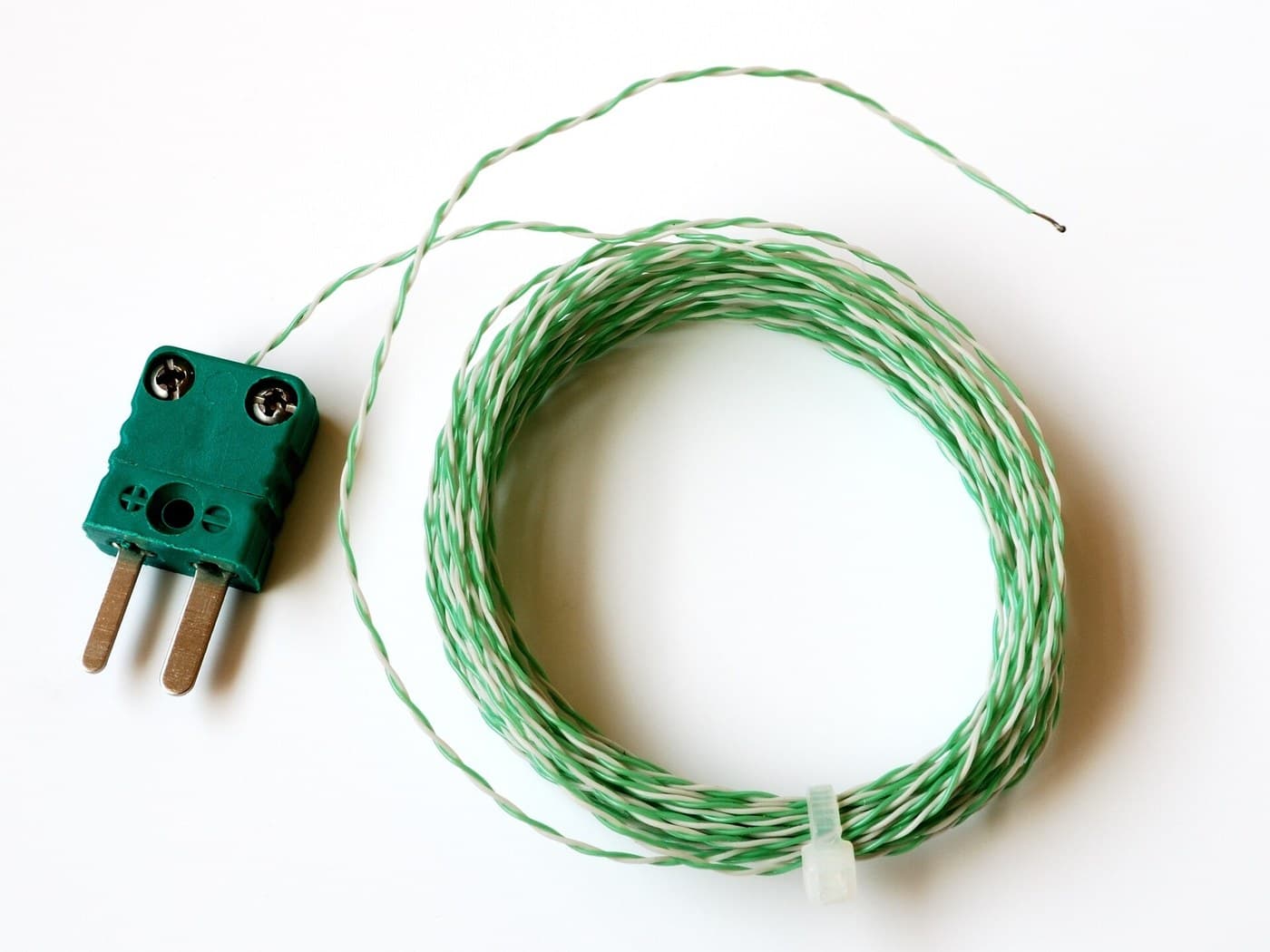
Measuring High Temperature: Thermocouples, Pyrometers, and What Each Lies About
par Penny
Travail des Métaux

Casting Iron in a Cupola Furnace — Re-Melting Pig Iron into Finished Castings
par Piett
Travail des Métaux
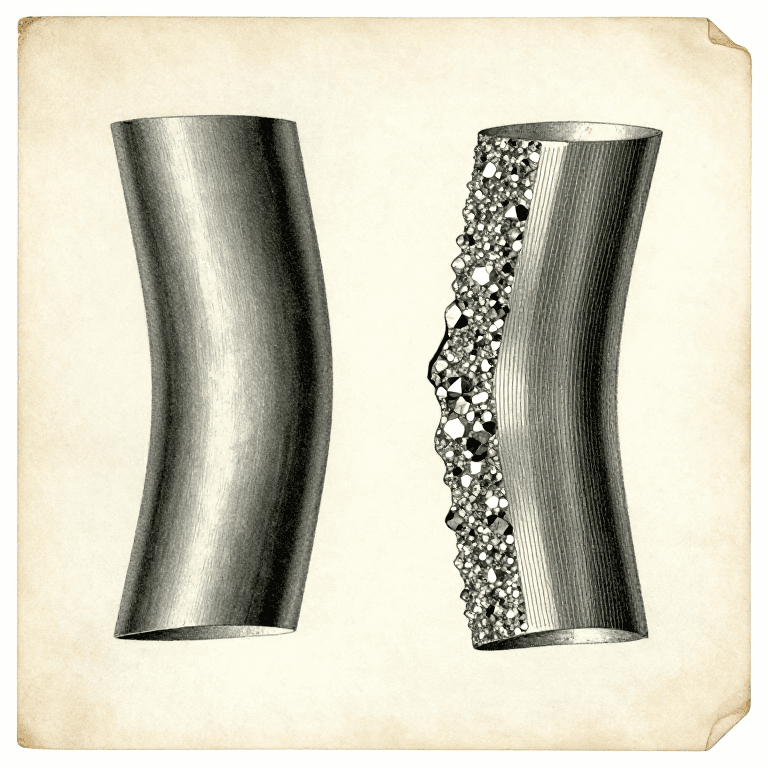
What Heat Costs: Scale, Grain Growth and Burnt Steel
par Forge
Travail des Métaux
CC0 Domaine public
Ce blueprint est publié sous CC0. Vous êtes libre de copier, modifier, distribuer et utiliser ce travail pour tout usage, sans demander la permission.
Soutenez le Maker en achetant des produits via son Blueprint où il perçoit une Commission Maker définie par les Vendeurs, ou créez une nouvelle itération de ce Blueprint et incluez-le comme connexion dans votre propre Blueprint pour partager les revenus.