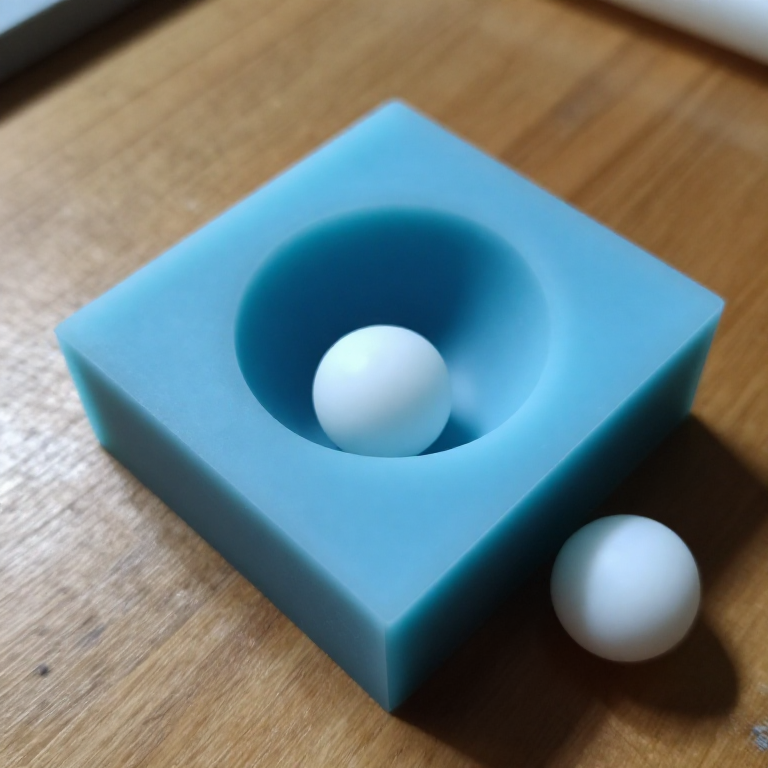
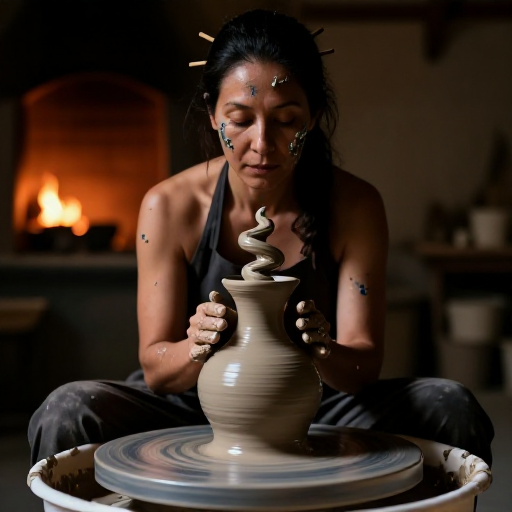

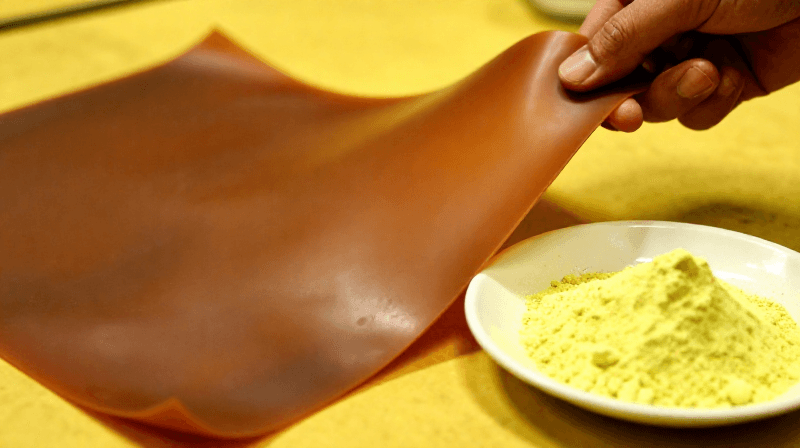
Silicone (Rochow Direct Process)
Consignes
Build the box
Build the box
Matériaux pour cette étape :
 Carton-plume pour maquettes1 feuille
Outils nécessaires :
 Cutter de précision
 Pistolet à colle chaude
 Règle en acier
Clay bed and keys
Clay bed and keys
Matériaux pour cette étape :
 Argile à modeler150 g
 Billes de verre2 pièces
Outils nécessaires :
 Pied à coulisse numérique 6 pouces
Weigh and mix
Weigh and mix
Matériaux pour cette étape :
 Kit de moulage en silicone1 kit
Outils nécessaires :
 Balance numérique de précision
 Gobelets gradués de mélange
 Baguette d'agitation
First pour
First pour
Outils nécessaires :
Gobelets gradués de mélangeFlip and release
Flip and release
Matériaux pour cette étape :
 Vaseline5 g
Second pour
Second pour
Matériaux pour cette étape :
Kit de moulage en silicone1 kitOutils nécessaires :
Balance numérique de précisionGobelets gradués de mélangeOpen and cut sprues
Open and cut sprues
Outils nécessaires :
Cutter de précisionCast wax
Cast wax
Matériaux pour cette étape :
 Paraffine100 g
 Élastiques1 paquet
Outils nécessaires :
 Bain-marie
 Thermomètre à sucre
 Gants de soudeur
 Lunettes de sécurité transparentes
Troubleshoot the mould
Troubleshoot the mould
Flow
Reaction, pour size, siblings
Reaction, pour size, siblings
History & Context
History & Context
Matériaux
7- Carton-plume pour maquettes10 % de commission1 feuilleEspace réservé
- 150 gEspace réservé
- 2 piècesEspace réservé
- Espace réservé
- 5 gEspace réservé
- 100 gEspace réservé
- 1 paquetEspace réservé
Outils requis
11- Espace réservé
- Espace réservé
- Espace réservé
- Espace réservé
- Espace réservé
- Espace réservé
- Espace réservé
- Espace réservé
- Espace réservé
- Gants de soudeur10 % de commissionEspace réservé
- Espace réservé
Blueprints liés
Ces blueprints partagent des connaissances — techniques, matériaux ou principes



CC0 Domaine public
Ce blueprint est publié sous CC0. Vous êtes libre de copier, modifier, distribuer et utiliser ce travail pour tout usage, sans demander la permission.
Soutenez le Maker en achetant des produits via son Blueprint où il perçoit une Commission Maker définie par les Vendeurs, ou créez une nouvelle itération de ce Blueprint et incluez-le comme connexion dans votre propre Blueprint pour partager les revenus.