ART
BEAUTÉ ET BIEN-ÊTRE
ARTISANAT
CULTURE ET HISTOIRE
DIVERTISSEMENT
ENVIRONNEMENT
NOURRITURE ET BOISSONS
INGÉNIERIE INVERSE
SCIENCES
SPORTS
TECHNOLOGIE
TECHNOLOGIE PORTABLE
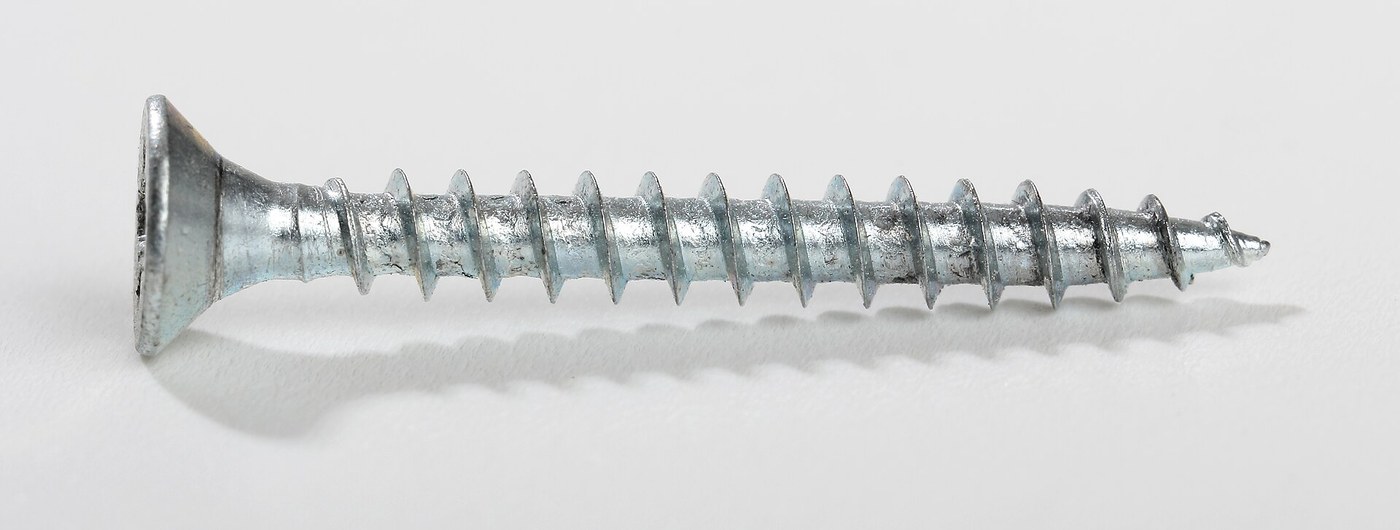


Screws: Cold Headed and Thread Rolled
Most screws are made in three steps: heading, thread rolling and coating. Wire from a coil is cut into blanks, and each blank is cold headed: a punch squeezes the end into a die shaped like the head, so a flat head comes from a flat die, with almost no waste. The thread is then rolled, not cut: the blank is rolled between hardened dies that press the thread into it. Rolling makes no swarf, needs a blank 15–20 % lighter than cutting would, gives a 10–20 % stronger thread, and runs at about one piece a second. Most screws are then zinc plated or blackened against rust.
Avancé
About one per second (industrial)
Consignes
1
1
Cut blanks
Cut blanks
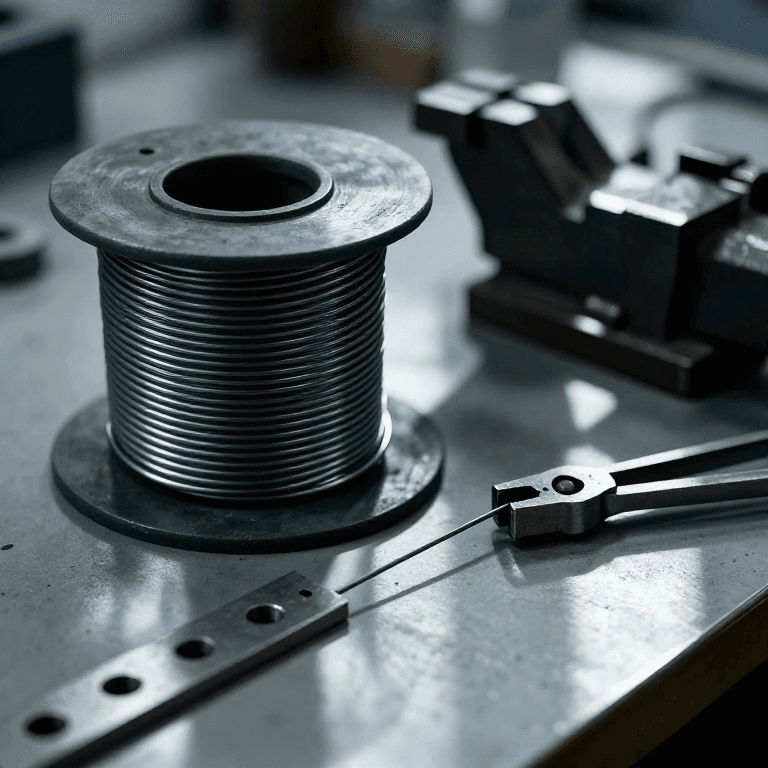
Wire from a coil is fed in and cut to the length of the screw: each piece is a blank.
Matériaux pour cette étape :
 Fil d'acier10 kg
Outils nécessaires :
 Frappeuse à froid
2
2
Head
Head
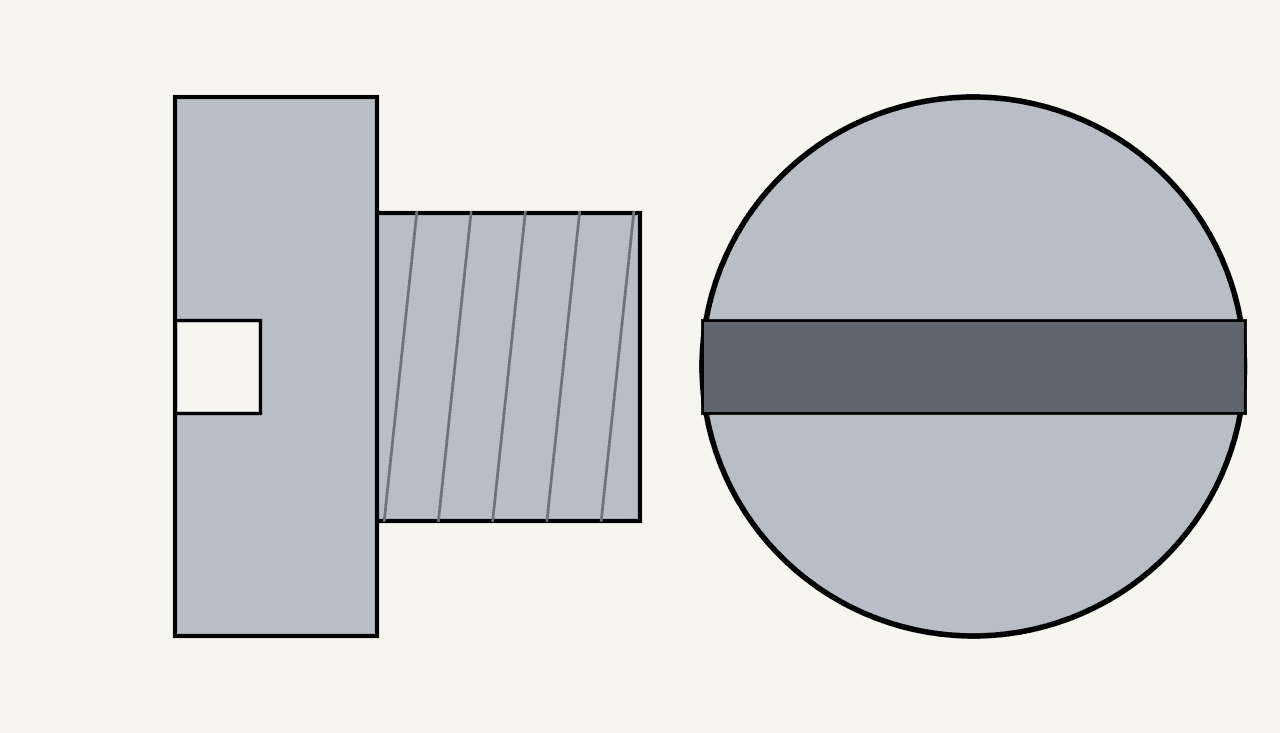
A punch drives into the end of the blank and the metal flows into the head die. Complex heads take two blows; slotted heads get their slot cut afterwards.
Outils nécessaires :
Frappeuse à froid3
3
Roll the thread
Roll the thread
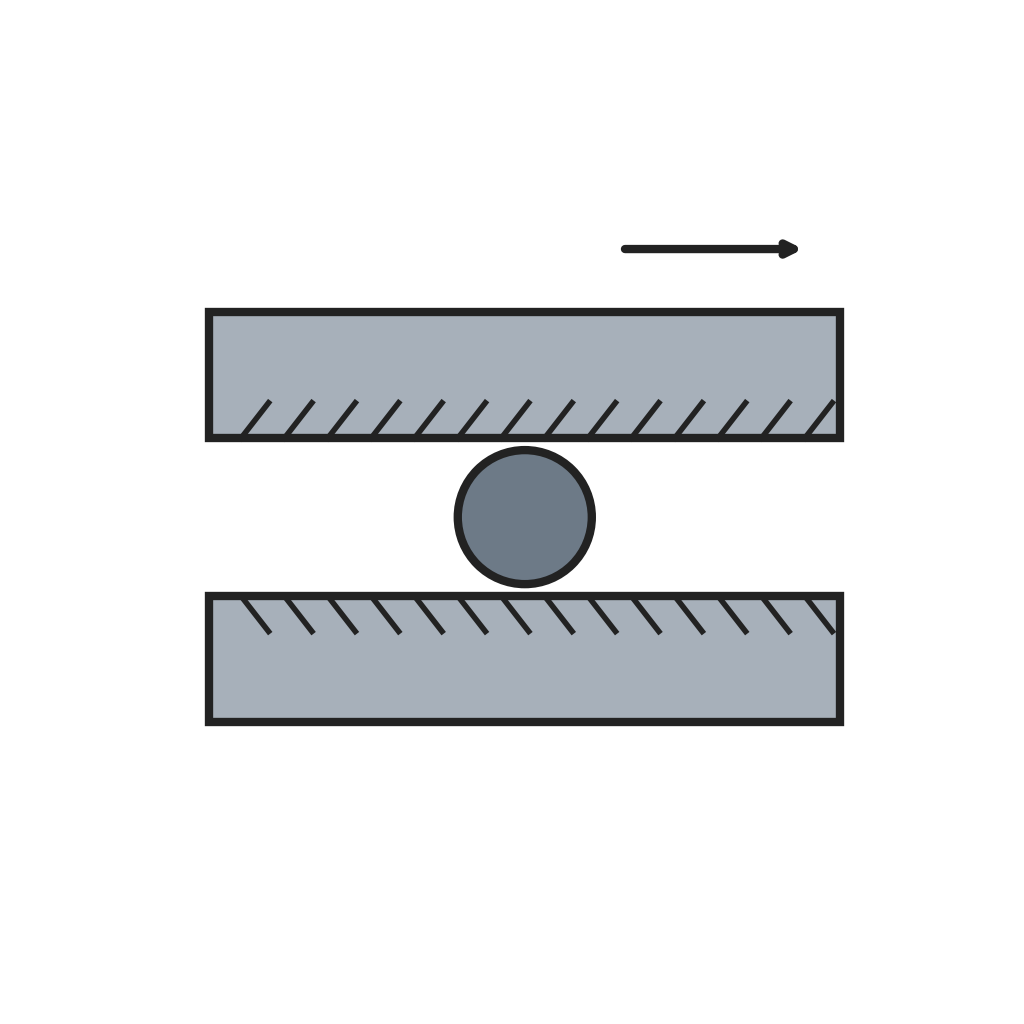
The blank rolls between two flat dies, one fixed and one sliding, which press the thread into it cold.
Outils nécessaires :
 Peignes de roulage de filets
4
4
Coat
Coat
The screws are cleaned and given a coating against rust, such as zinc electroplating or black oxide.
5
5
Check
Check
Length, head and thread diameter are measured on samples.
Outils nécessaires :
 Pied à coulisse numérique 6 pouces
Matériaux
1- 10 kgEspace réservé
Outils requis
3- Espace réservé
- Espace réservé
- Espace réservé
Ce plan fabrique




Blueprints liés
Ces blueprints partagent des connaissances — techniques, matériaux ou principes



CC0 Domaine public
Ce blueprint est publié sous CC0. Vous êtes libre de copier, modifier, distribuer et utiliser ce travail pour tout usage, sans demander la permission.
Soutenez le Maker en achetant des produits via son Blueprint où il perçoit une Commission Maker définie par les Vendeurs, ou créez une nouvelle itération de ce Blueprint et incluez-le comme connexion dans votre propre Blueprint pour partager les revenus.