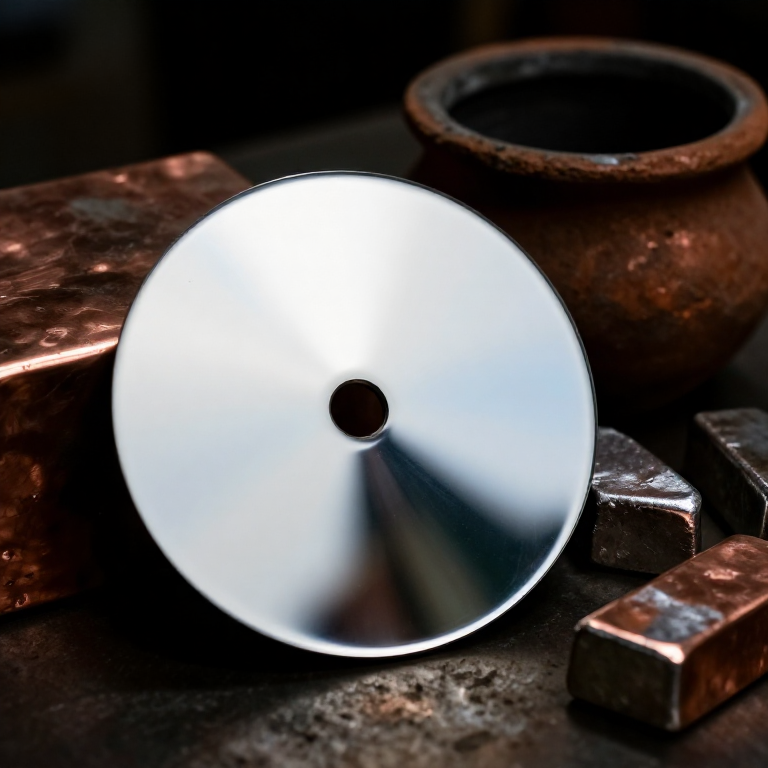


Casting and Grinding a Speculum Metal Telescope Mirror — Newton's Reflecting Alloy
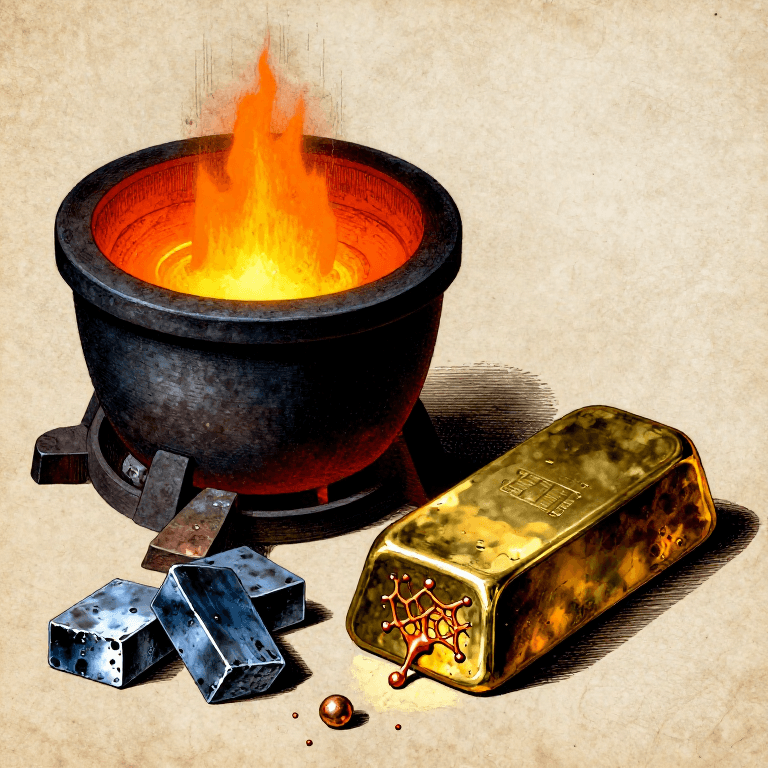
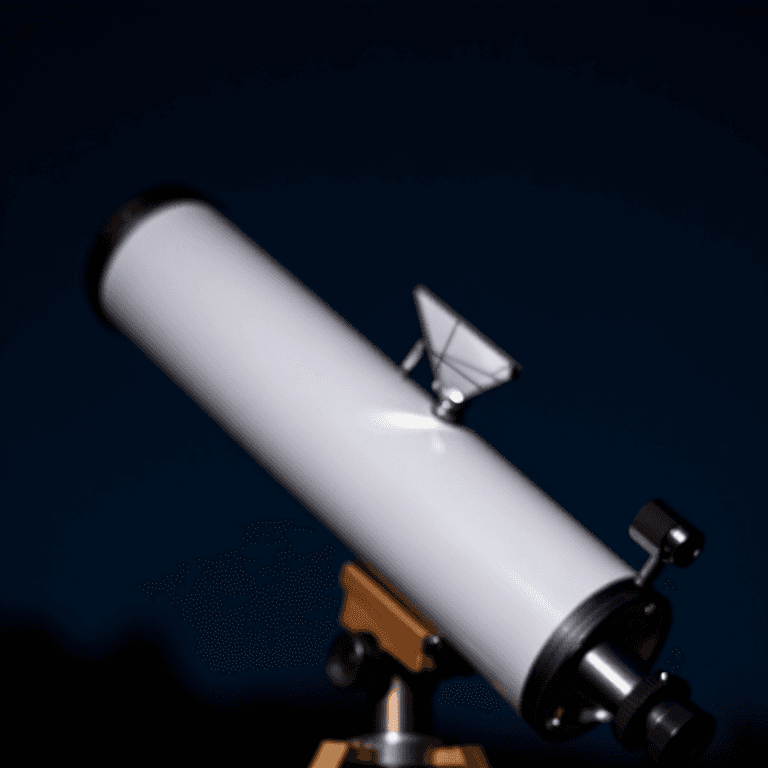
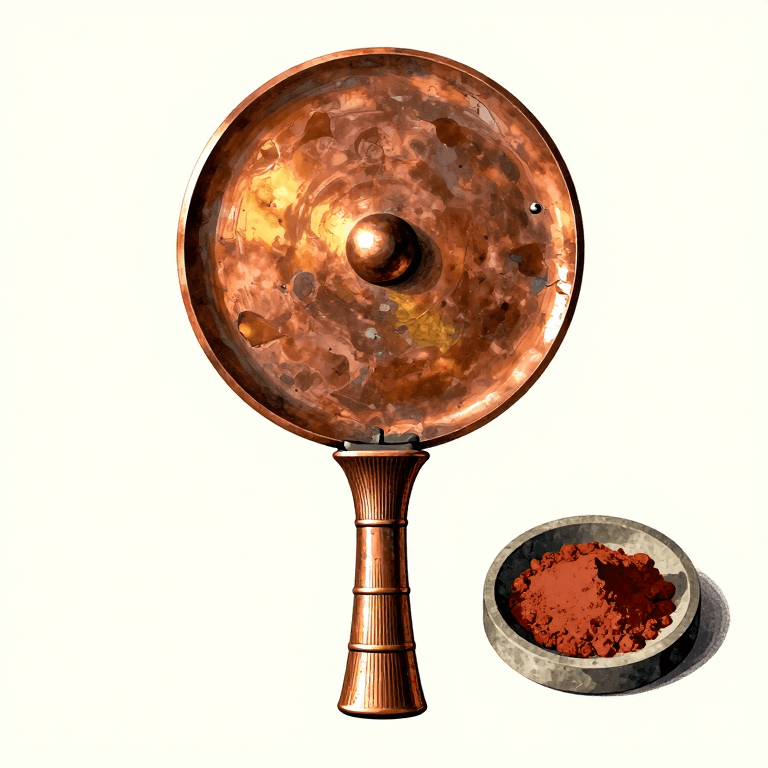
When Isaac Newton built his reflecting telescope in 1668, he needed a concave mirror to focus light — but silvered glass mirrors did not yet exist. Instead, he cast his mirror from speculum metal, a bronze alloy of approximately 68% copper and 32% tin that can be polished to a brilliant, highly reflective surface. Speculum metal had been known since antiquity — the Romans used it for hand mirrors (speculum is Latin for mirror) — but Newton was the first to grind it into a precise concave paraboloid for astronomical use. The alloy is hard, brittle, and takes a superb polish, but it tarnishes in air and must be periodically repolished. Every reflecting telescope before the 1850s used speculum metal mirrors, including William Herschel's great telescopes that discovered Uranus and mapped the Milky Way. This blueprint casts a speculum metal disc from copper and tin ingots, then grinds and polishes it into a concave mirror suitable for a Newtonian reflecting telescope.
Consignes
Understand speculum metal
Understand speculum metal
Weigh the copper and tin
Weigh the copper and tin
Matériaux pour cette étape :
 Lingot de cuivre pur à 99,9 % de 450 g340 g
 Lingot d'étain160 g
Prepare the crucible and mould
Prepare the crucible and mould
Matériaux pour cette étape :
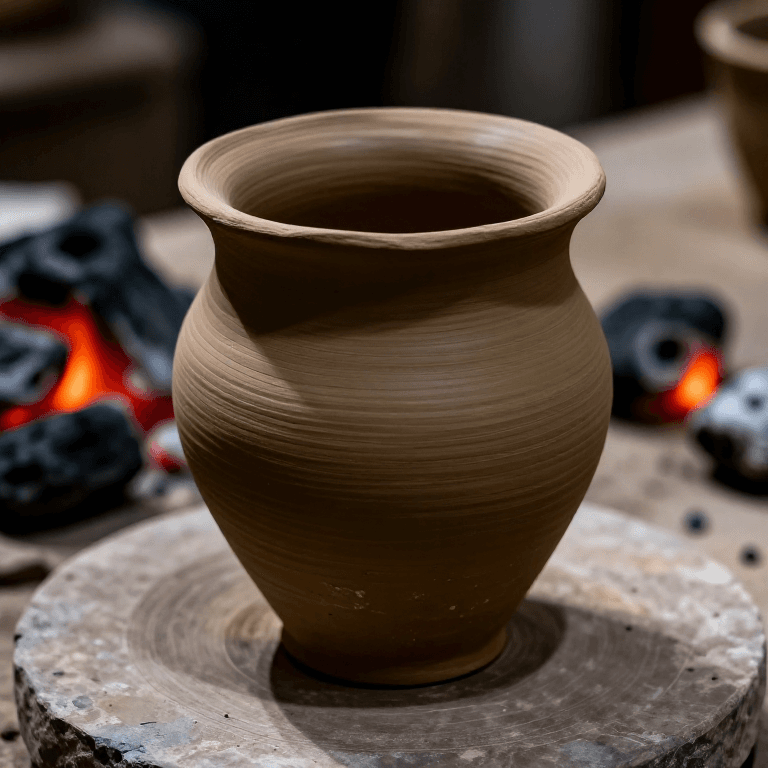
 Creuset en argile profond1 pièce
 Charbon de bois en morceaux3 kg
Outils nécessaires :
 Pince à creuset
Melt the copper
Melt the copper
Add the tin and pour
Add the tin and pour
Outils nécessaires :
Pince à creusetAnneal the casting
Anneal the casting
Flatten one face on a lap
Flatten one face on a lap
Matériaux pour cette étape :
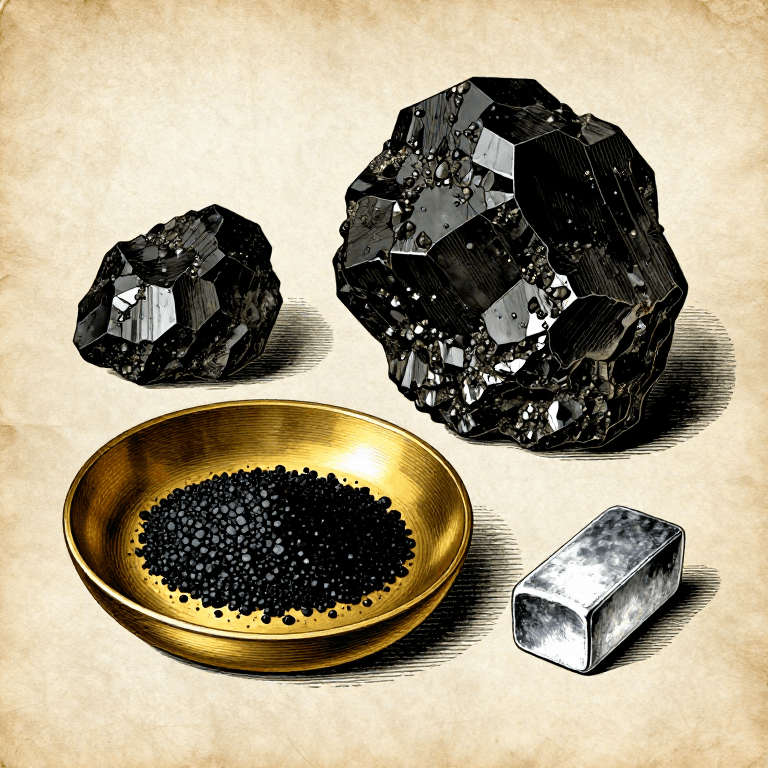
 Grains de carbure de silicium100 g
Rough grind the concave curve
Rough grind the concave curve
Matériaux pour cette étape :
Grains de carbure de silicium200 g Feuille de verre1 pièce
Fine grind with progressively finer grits
Fine grind with progressively finer grits
Polish on a pitch lap
Polish on a pitch lap
Matériaux pour cette étape :
 Colle de poix de pin100 g
 Oxyde d'étain (oxyde stannique)50 g
 Pâte à polir50 g
Test the mirror with a pinhole
Test the mirror with a pinhole
Protect the polished surface
Protect the polished surface
Matériaux
9- Espace réservé
- 160 gEspace réservé
- 1 pièceEspace réservé
- Espace réservé
- Espace réservé
- 1 pièceEspace réservé
- 100 gEspace réservé
- Espace réservé
- 50 gEspace réservé
Outils requis
2- Espace réservé
- Espace réservé
Matériaux des Blueprints connectés


Blueprints liés
Ces blueprints partagent des connaissances — techniques, matériaux ou principes

CC0 Domaine public
Ce blueprint est publié sous CC0. Vous êtes libre de copier, modifier, distribuer et utiliser ce travail pour tout usage, sans demander la permission.
Soutenez le Maker en achetant des produits via son Blueprint où il perçoit une Commission Maker définie par les Vendeurs, ou créez une nouvelle itération de ce Blueprint et incluez-le comme connexion dans votre propre Blueprint pour partager les revenus.