ART
BEAUTÉ ET BIEN-ÊTRE
ARTISANAT
CULTURE ET HISTOIRE
DIVERTISSEMENT
ENVIRONNEMENT
NOURRITURE ET BOISSONS
INGÉNIERIE INVERSE
SCIENCES
SPORTS
TECHNOLOGIE
TECHNOLOGIE PORTABLE
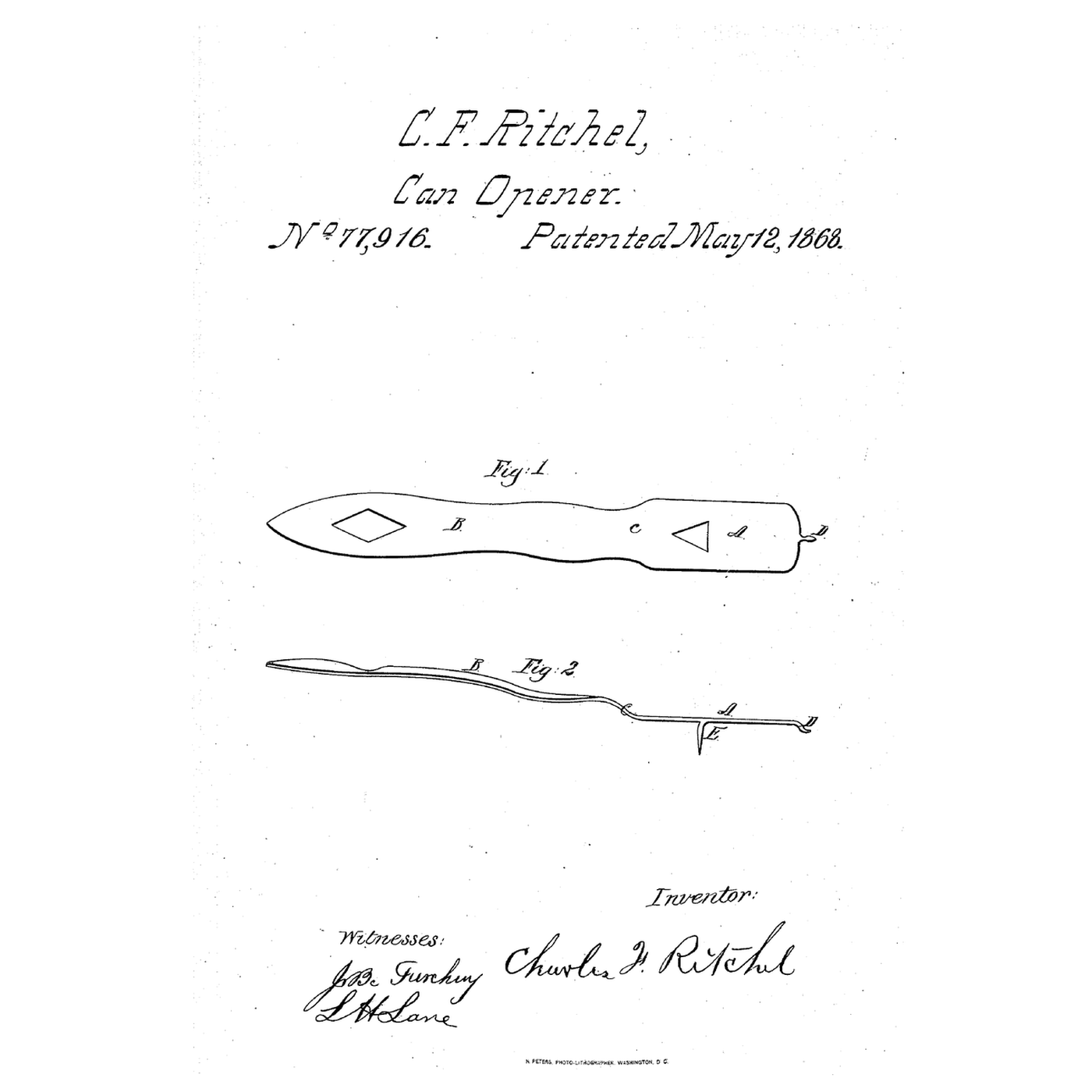


The One-Piece Sheet Can Opener: Point and Blade Struck From the Blank
Can openers with several parts cost more to make and can get out of order.
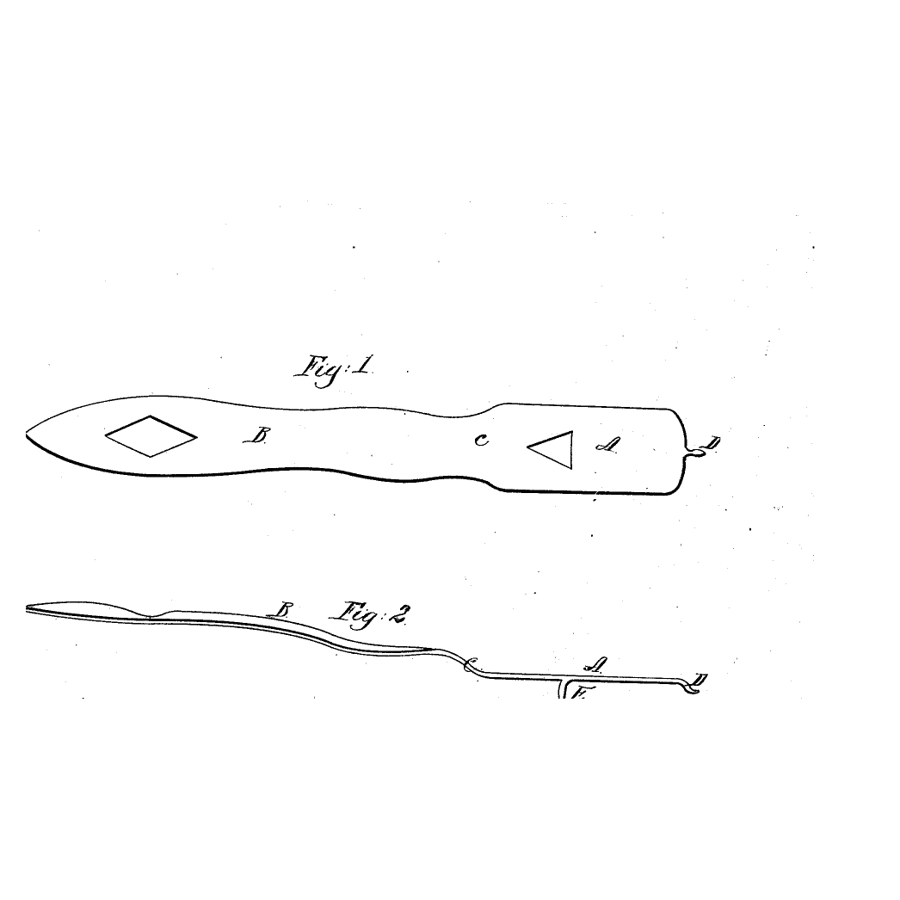
Charles F. Ritchel of Chicago received US 77,916, dated 12 May 1868, for "a cheap and substantial can-opener, not liable to get out of order": one piece of sheet metal, struck out by a die, with a point driven into the can as the fulcrum and a triangular blade, both turned off the blank, and the handle's edges bent down for grip and strength.
This rung works out how many come from one sheet, then cuts and bends one from mild steel sheet and opens a can with it.
Débutant
About 2 hours
Consignes
1
1
Openers per sheet
Openers per sheet
Chargement du notebook Jupyter…
2
2
A one-piece opener before it
A one-piece opener before it
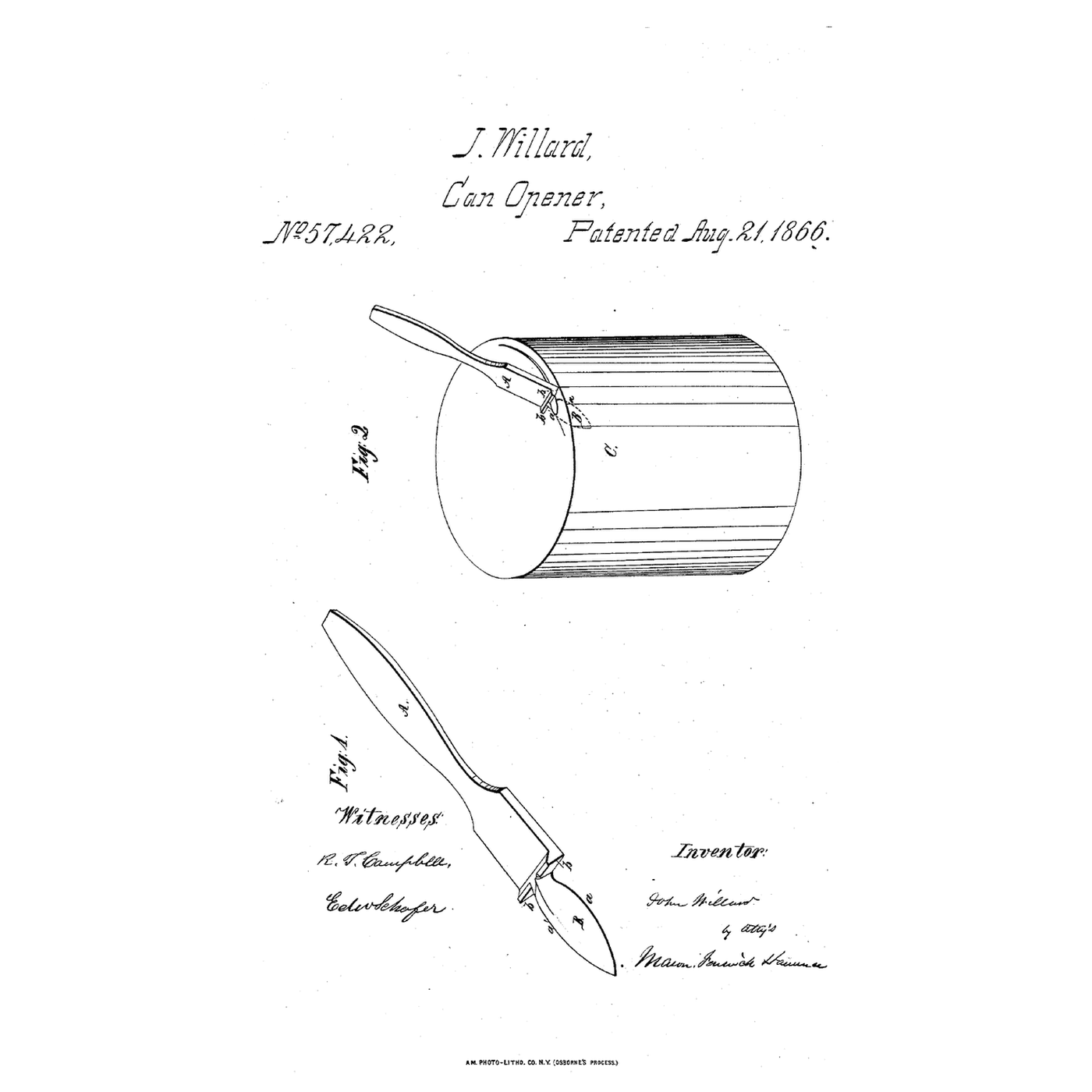
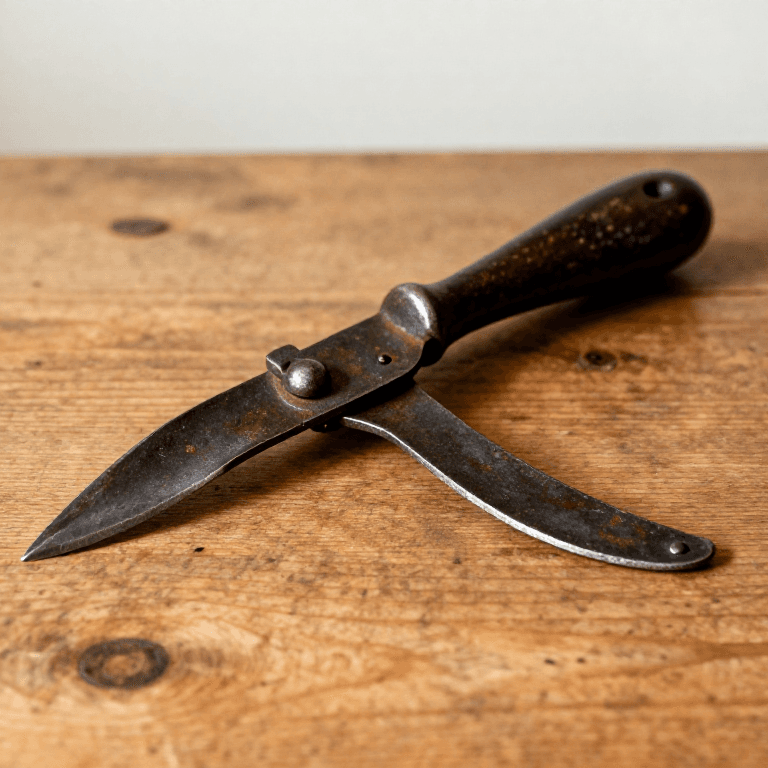
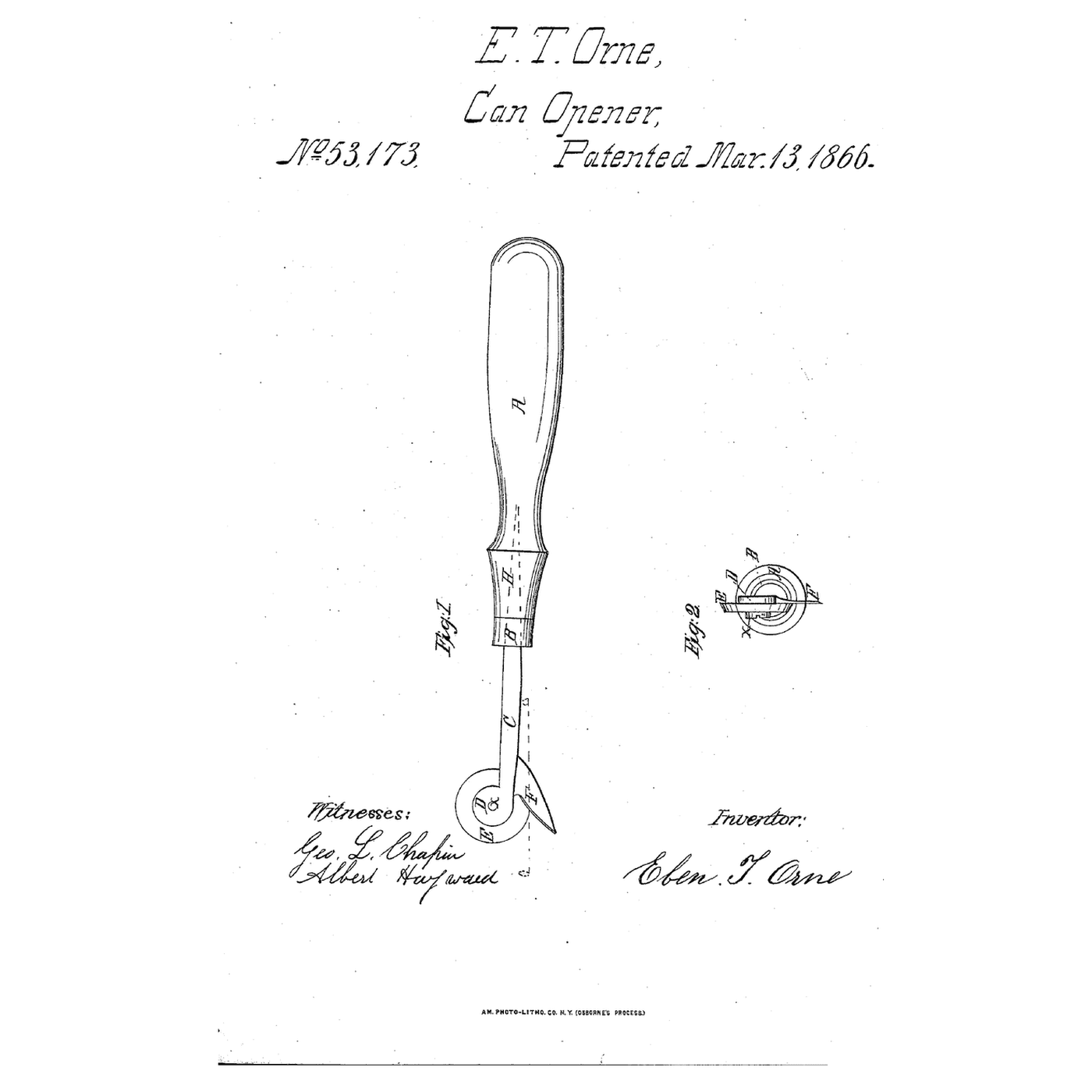
The embedded blueprint makes blade, fulcrum and handle in one piece of bar. Ritchel strikes a point and a blade out of one flat sheet blank.
3
3
Read US 77,916
Read US 77,916
"The operation of the opener consists in this, that the tool, being held in a vertical position, the point D is forced into the can, and the handle A is brought down, and the fulcrum for the operation of the handle being thus obtained, the blade E is forced into the can also, and the handle B is turned around with one hand, while the can is firmly held with the other hand, the blade E thus cutting a round opening in the can."
4
4
Cut the blank
Cut the blank
Mark a blank 160 mm long on 1 mm mild steel sheet: a 24 mm handle, narrowing to 16 mm for the head. Inside the head mark a 6 mm tab at the end for the point and a 14 mm triangle 20 mm behind it for the blade. Cut with snips.
Matériaux pour cette étape :
 Tôle d'acier doux1 pièce
Outils nécessaires :
 Cisaille à tôle
 Marqueur permanent
 Règle
Règle Gants de travail en cuir
5
5
Turn off the point and blade
Turn off the point and blade
Snip the triangle free on two sides. Bend the tab and the triangle down at right angles with the pliers.
Outils nécessaires :
Cisaille à tôle Pince plate
6
6
Edge and stiffen
Edge and stiffen
File the point sharp and the blade's leading edge to a bevel. Bend the handle's edges down 5 mm in the vice.
Outils nécessaires :
 Limes (lime à main)
 Pierre à aiguiser
 Étau d'établi
 Marteau
 Lunettes de sécurité transparentes
7
7
The patent drawing
The patent drawing
US 77,916 drawing sheet, public domain (expired patent).
8
8
Open a can
Open a can
Stand a sealed can on the kitchen scale. Drive the point in, bring the handle down so the blade enters, and turn it round; read the peak load and time a full circle.
Matériaux pour cette étape :
 Boîte de conserve1 pièce
Outils nécessaires :
 Balance de cuisine numérique
 ChronomètreGants de travail en cuir
9
9
An opener that folds, slips or tears
An opener that folds, slips or tears
One-piece sheet can opener troubleshooting.
Flow
Loading...
10
10
History and honest limits
History and honest limits
**Charles F. Ritchel** of Chicago received US 77,916, dated 12 May 1868. Opener and handle are joined by a slight curve for easier handling; the point is bent down or slightly curved to the front; point and blade are struck out by a die, turned off and trimmed, and steel-hardened if desirable, so the price becomes very low. His claim covers the one-piece opener with point and blade.
**Honest limits.** Snips and pliers stand in for his die, and the sheet is not hardened. Your loads and times are the result.
Matériaux
2- 1 pièceEspace réservé
- 1 pièceEspace réservé
Outils requis
12- Espace réservé
- Espace réservé
- Espace réservé
- Espace réservé
- Espace réservé
- Espace réservé
- Espace réservé
- Espace réservé
- Espace réservé
- Espace réservé
- Espace réservé
- Espace réservé
Blueprints liés
Ces blueprints partagent des connaissances — techniques, matériaux ou principes

CC0 Domaine public
Ce blueprint est publié sous CC0. Vous êtes libre de copier, modifier, distribuer et utiliser ce travail pour tout usage, sans demander la permission.
Soutenez le Maker en achetant des produits via son Blueprint où il perçoit une Commission Maker définie par les Vendeurs, ou créez une nouvelle itération de ce Blueprint et incluez-le comme connexion dans votre propre Blueprint pour partager les revenus.