Kolaborasi
SENI
KECANTIKAN & KESEHATAN
KERAJINAN
BUDAYA & SEJARAH
HIBURAN
LINGKUNGAN
MAKANAN & MINUMAN
REKAYASA BALIK
ILMU PENGETAHUAN
OLAHRAGA
TEKNOLOGI
PERANGKAT PAKAI
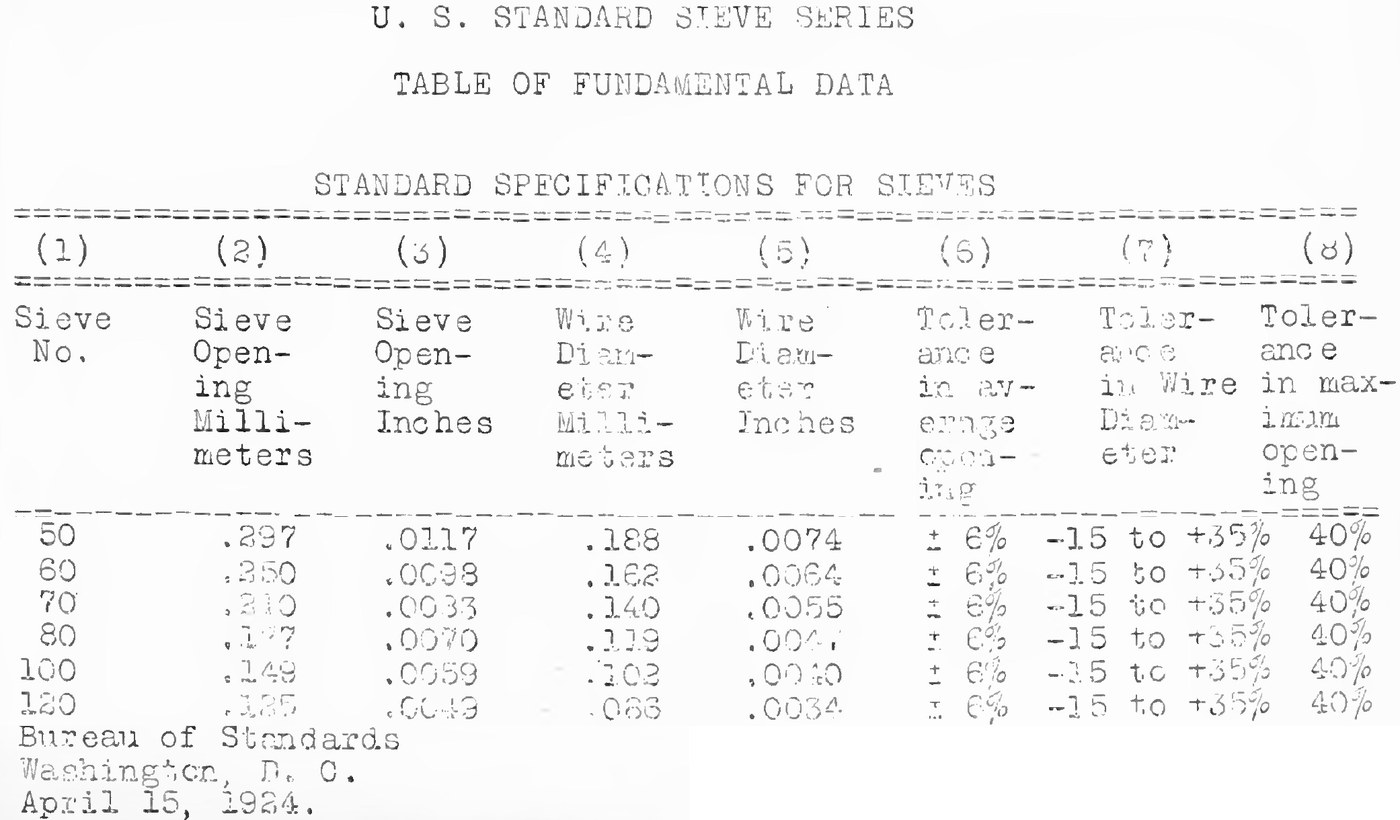

60-Mesh and 80-Mesh Sieves: U.S. Standard Sieves No. 60 and No. 80 (Bureau of Standards, 1924)
Two standard testing sieves made the same way; only the wire and the opening change with the sieve number. Plain-woven brass or bronze wire cloth is soldered smoothly into a round frame about 20 cm (8 in) across.
No. 60 has 0.250 mm openings (the 60-mesh sieve); No. 80 has 0.177 mm openings (the 80-mesh sieve). The finer the cloth, the finer the grains that pass.
Source: Bureau of Standards, Letter Circular 74, Standard Specifications for Sieves (revised 1924). Unknown: the frame metal and the weaving. Picture: the Bureau's table.
Menengah
Unknown
Instruksi
1
1
Choose the sieve number
Choose the sieve number
The sieve number sets the wire and the opening (Bureau of Standards table, 1924):
No. 60: opening 0.250 mm (0.0098 in), wire 0.162 mm (0.0064 in).
No. 80: opening 0.177 mm (0.0070 in), wire 0.119 mm (0.0047 in).
The opening is the clear space between adjacent wires. No. 60 passes grains under 0.250 mm; No. 80 passes grains under 0.177 mm.
2
2
Weave the wire cloth
Weave the wire cloth
Weave plain (not twilled) cloth from brass, bronze or other suitable wire of the diameter for your sieve number, spacing the wires so the opening is as in the table each way. Ours: bronze wire. Not given: how it is woven.
Material untuk langkah ini:
 Kawat perunggu1 warp and shoot wires
Alat yang dibutuhkan:
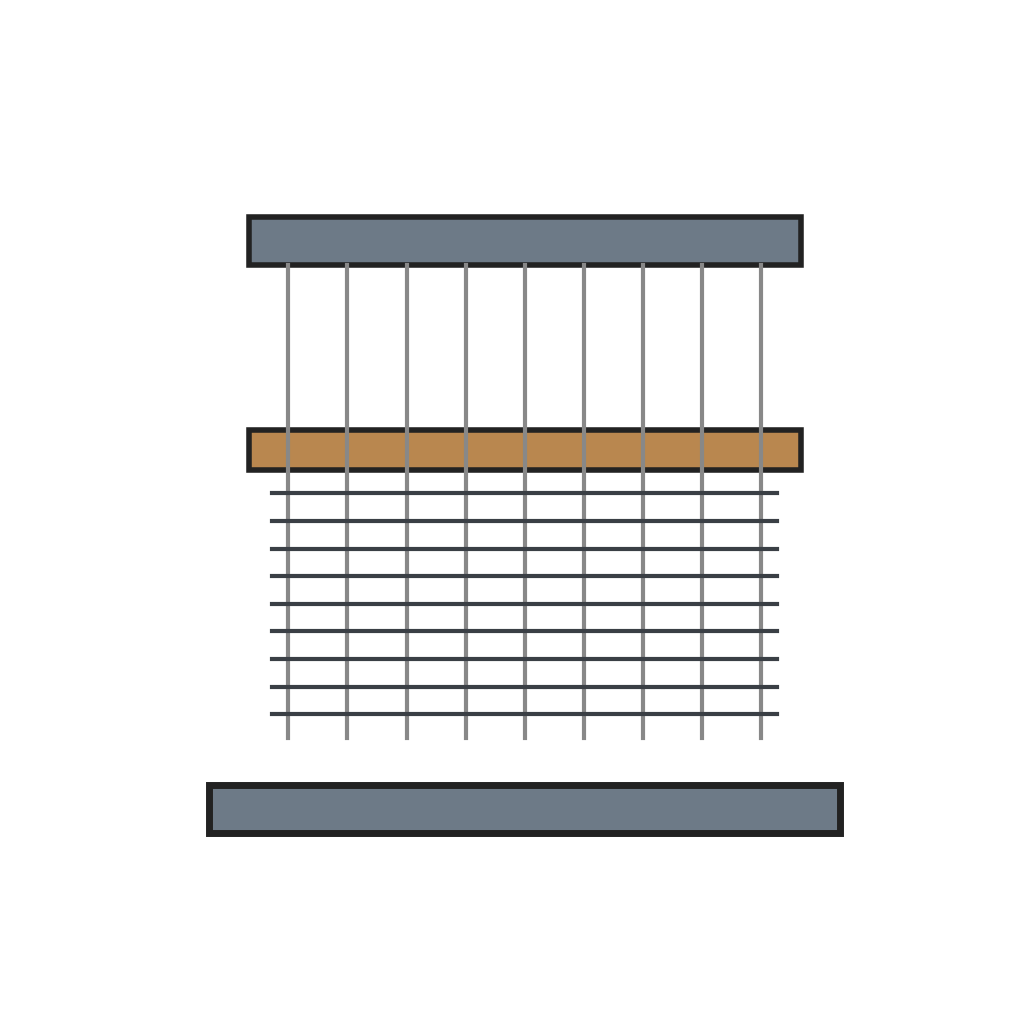 Alat tenun kawat kasa
3
3
Make the frame
Make the frame
Make a circular frame about 20 cm (8 in) across, with about 5 cm (2 in), or 2.5 cm (1 in), between its top and the cloth. Ours: brass strip. Not given: the frame metal.
Material untuk langkah ini:
 Pita kuningan1 frame
Alat yang dibutuhkan:
 Gunting seng
 Solder
4
4
Mount the cloth
Mount the cloth
Mount the cloth on the frame without distorting it. Fill the joint between cloth and frame smoothly with solder, so the material being sieved cannot catch in it.
Material untuk langkah ini:
 Patri timah-timbal1 joint
 Fluks1 joint
Alat yang dibutuhkan:
Solder5
5
Check it against the tolerances
Check it against the tolerances
Measure the warp and shoot wires separately. For both numbers the average opening must be within ±6 % of the table, the average wire diameter within −15 to +35 %, and no opening may exceed the table opening by more than 40 %. Reject a sieve with punctures, loose or wavy cloth, poor soldering, or too many large openings.
Alat yang dibutuhkan:
 Mikrometer
 Kaca Pembesar
Bahan
4- 1 warp and shoot wiresPlaceholder
- 1 framePlaceholder
- 1 jointPlaceholder
- 1 jointPlaceholder
Alat yang Diperlukan
5- Placeholder
- Placeholder
- 2 vendors sell this, none ship to you yetPlaceholder
- Placeholder
- Placeholder
Bahan cetak biru terhubung

10% Atribusi
120-Mesh Sieve: U.S. Standard Sieve No. 120 (Bureau of Standards, 1924)
oleh Tex
Fisika
8
0
0
0
1
0
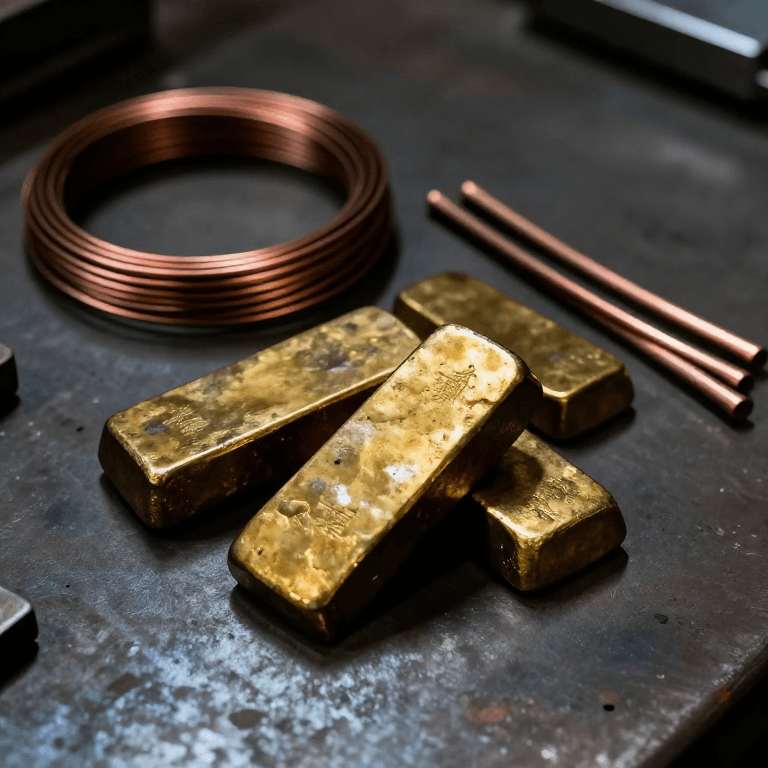
10% Atribusi
Tin Bronze Ingots, Wire and Rod
oleh Forge
Pengerjaan Logam
54
0
0
0
2
0
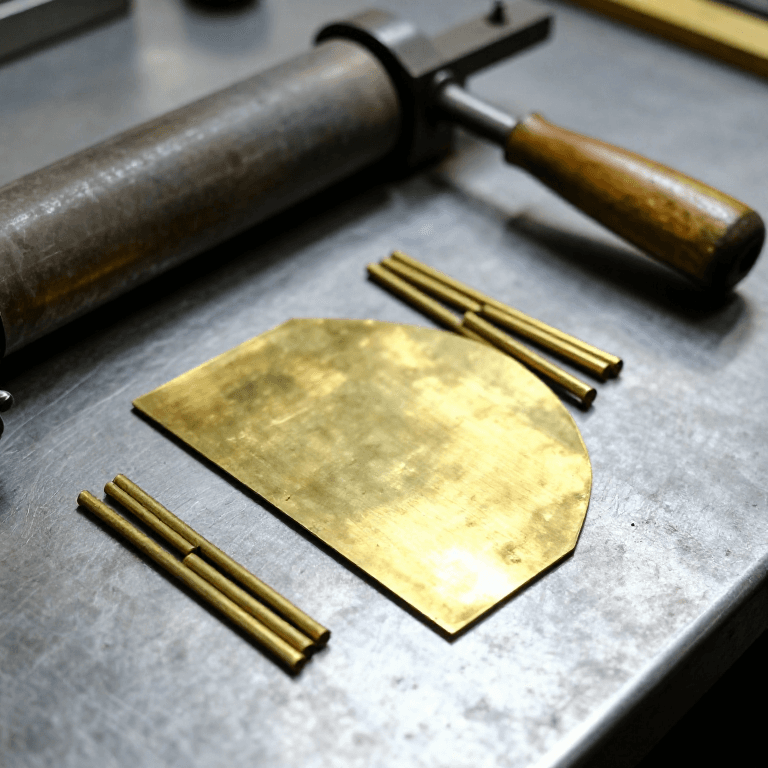
10% Atribusi
Brass Sheet, Strip and Rod from an Ingot
oleh Forge
Pengerjaan Logam
39
0
0
0
2
0
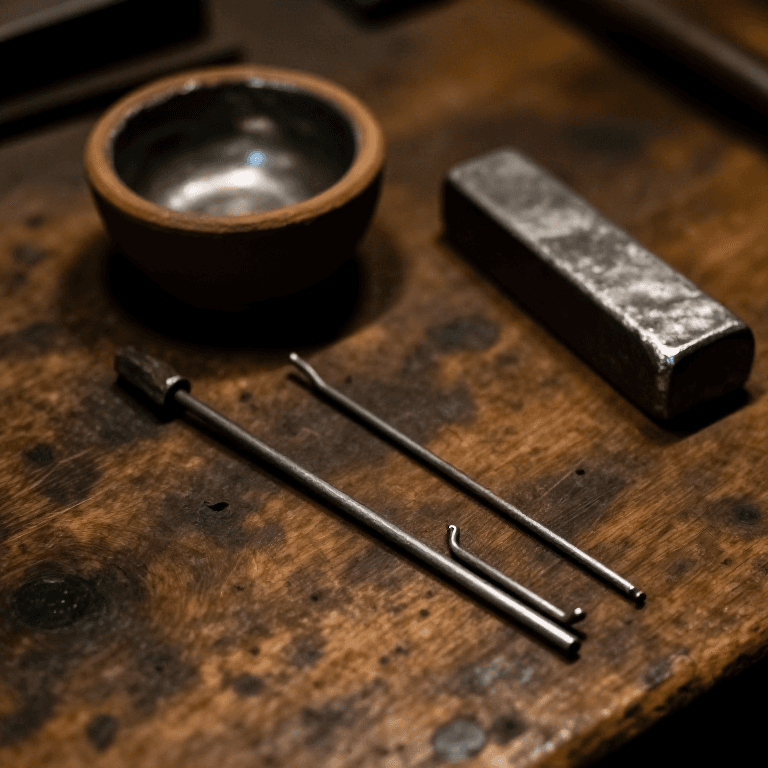
Berbahaya
10% Atribusi
Making Tin-Lead Solder — The Ancient Alloy That Joins Metals Without a Forge
oleh Peter
Pengerjaan Logam
62
0
0
0
3
0
Cetak biru ini membuat

CC0 Domain Publik
Cetak biru ini dirilis di bawah CC0. Anda bebas untuk menyalin, memodifikasi, mendistribusikan, dan menggunakan karya ini untuk tujuan apa pun, termasuk komersial, tanpa meminta izin.
Dukung Maker dengan membeli produk melalui Cetak Biru mereka di mana mereka mendapatkan Komisi Pembuat yang ditetapkan oleh Penjual, atau buat iterasi baru dari Cetak Biru ini dan masukkan sebagai koneksi di milik Anda sendiri.