SENI
KECANTIKAN & KESEHATAN
KERAJINAN
BUDAYA & SEJARAH
HIBURAN
LINGKUNGAN
MAKANAN & MINUMAN
REKAYASA BALIK
ILMU PENGETAHUAN
OLAHRAGA
TEKNOLOGI
PERANGKAT PAKAI
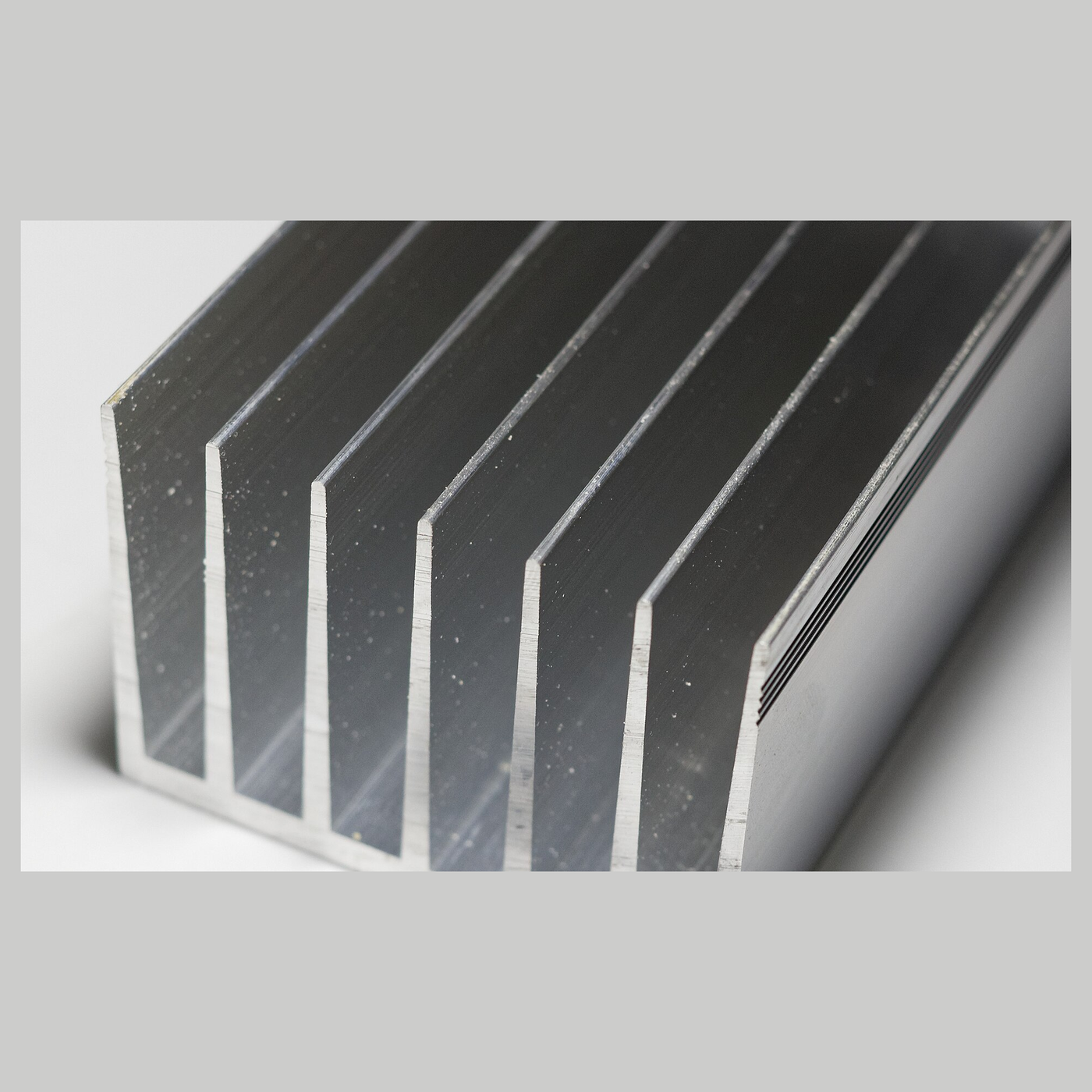

Fins and the Heat Sink: A Fin That Is Too Long Does Nothing
Every heat exchanger in this batch is limited by its gas side: air takes heat from a surface reluctantly. The answer is more surface — fins on a motorcycle cylinder, on a car radiator's tubes, on an air-conditioner's coil, on the aluminium block clipped to a computer chip.
But a fin is not free surface. Heat has to be conducted out along it, so its tip is cooler than its root, and past a certain length the extra metal does almost nothing. Fin efficiency is the idea that decides what fins are made of and how long they are.
This rung works out fin efficiency for four metals and two air speeds, then measures real heat sinks on a hot power resistor, with and without a fan, in kelvin per watt.
Pemula
About 3 hours
Instruksi
1
1
Fin efficiency, and where a fin stops helping
Fin efficiency, and where a fin stops helping
Memuat notebook Jupyter…
2
2
Measure thermal resistance in kelvin per watt
Measure thermal resistance in kelvin per watt
Take a 10 W power resistor. Run it from the bench power supply at a known power — for example 5 W: set the voltage to √(5 × R) — and read the current to confirm.
Tape a waterproof temperature probe to the resistor body and log its temperature until it stops rising, for four arrangements:
1. bare, lying on a wooden block;
2. clipped to a small heat sink with a thin layer of thermal paste;
3. on the largest heat sink in the assortment;
4. on the same large sink with a small fan blowing across it.
For each, **thermal resistance = (resistor temperature − air temperature) ÷ power**, in K/W. Expect the bare resistor to be many times worse than the fan-cooled sink. Try the large sink without paste: the rise shows how much a dry contact adds.
Material untuk langkah ini:
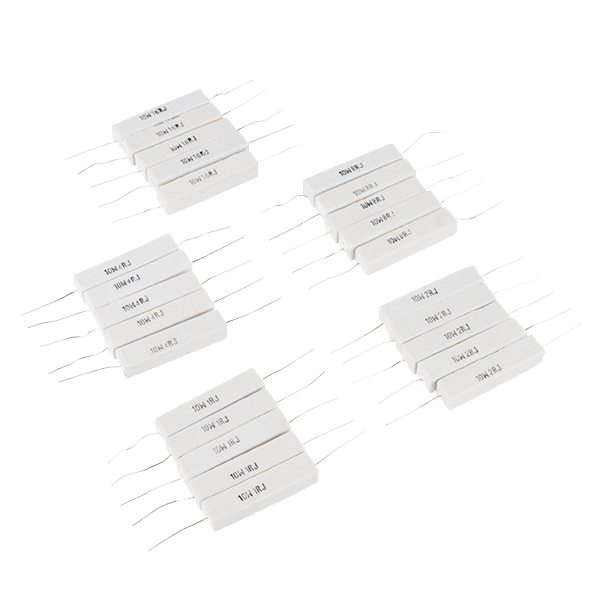 Power Resistor Kit - 10W (25 pack)1 bungkus
 Aneka pendingin (aluminium)1 set
 Pasta termal (Arctic Silver)1 buah
 Kabel Jumper1 set
Alat yang dibutuhkan:
 Sumber daya arus searah
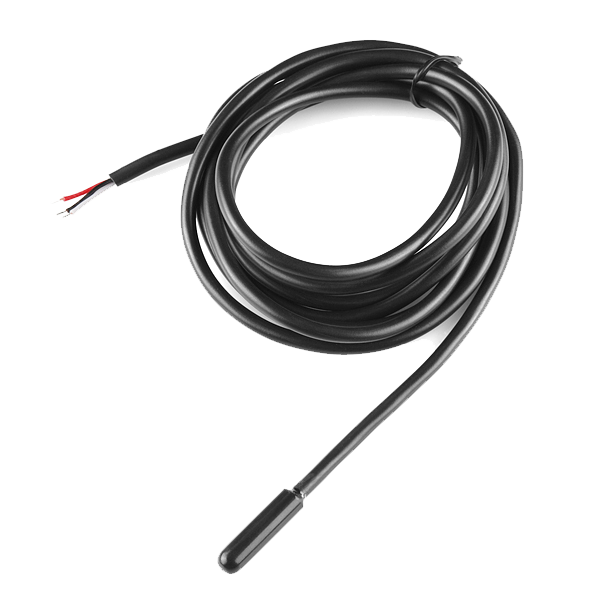 Temperature Sensor - Waterproof (DS18B20)
 Termometer dapur
 Kipas pendingin (PWM)
 Stopwatch
3
3
Read a heat sink
Read a heat sink
Look at the heat sinks you just measured. The fins are short, closely spaced and made of aluminium — exactly what the notebook's tables recommend. Closer spacing adds surface, but in still air the fins' own warm boundary layers merge and choke each other; with a fan they can be closer. That is why sinks designed for fans have many thin fins, and passive sinks have fewer, wider-spaced ones, standing vertically so the warm air can rise out between them.
The thick base spreads the heat from a small hot component across all the fins. Where the source is far from the fins, a heat pipe (the previous rung) carries it there.
4
4
It still runs too hot: find out why
It still runs too hot: find out why
The usual reasons a component on a heat sink overheats, in order.
Flow
Loading...
5
5
Context
Context
A practice rung: extended surfaces appear in this catalogue on the steam engine's cylinder, the Seebeck thermocouple's cold junction and every air-cooled machine. The fin equation used in the notebook is standard heat-transfer theory.
**Honest limits of the numbers.** The convection coefficients are assumed round values; real ones depend on spacing, orientation and air speed, which is why step 2 measures rather than calculates. The fin model assumes a uniform coefficient and an insulated tip, both simplifications.
Bahan
4- Power Resistor Kit - 10W (25 pack)komisi 10%1 bungkus$5.64
- Aneka pendingin (aluminium)komisi 10%1 setPlaceholder
- Placeholder
- mulai$1.60
Alat yang Diperlukan
5- Placeholder
- $9.43
- Placeholder
- Placeholder
- Placeholder
Estimasi total
Yang dibeli pembuatnya. Bahan tanpa harga didapat di tempat kamu membelinya.
Blueprint terkait
Blueprint ini berbagi pengetahuan — teknik, bahan, atau prinsip
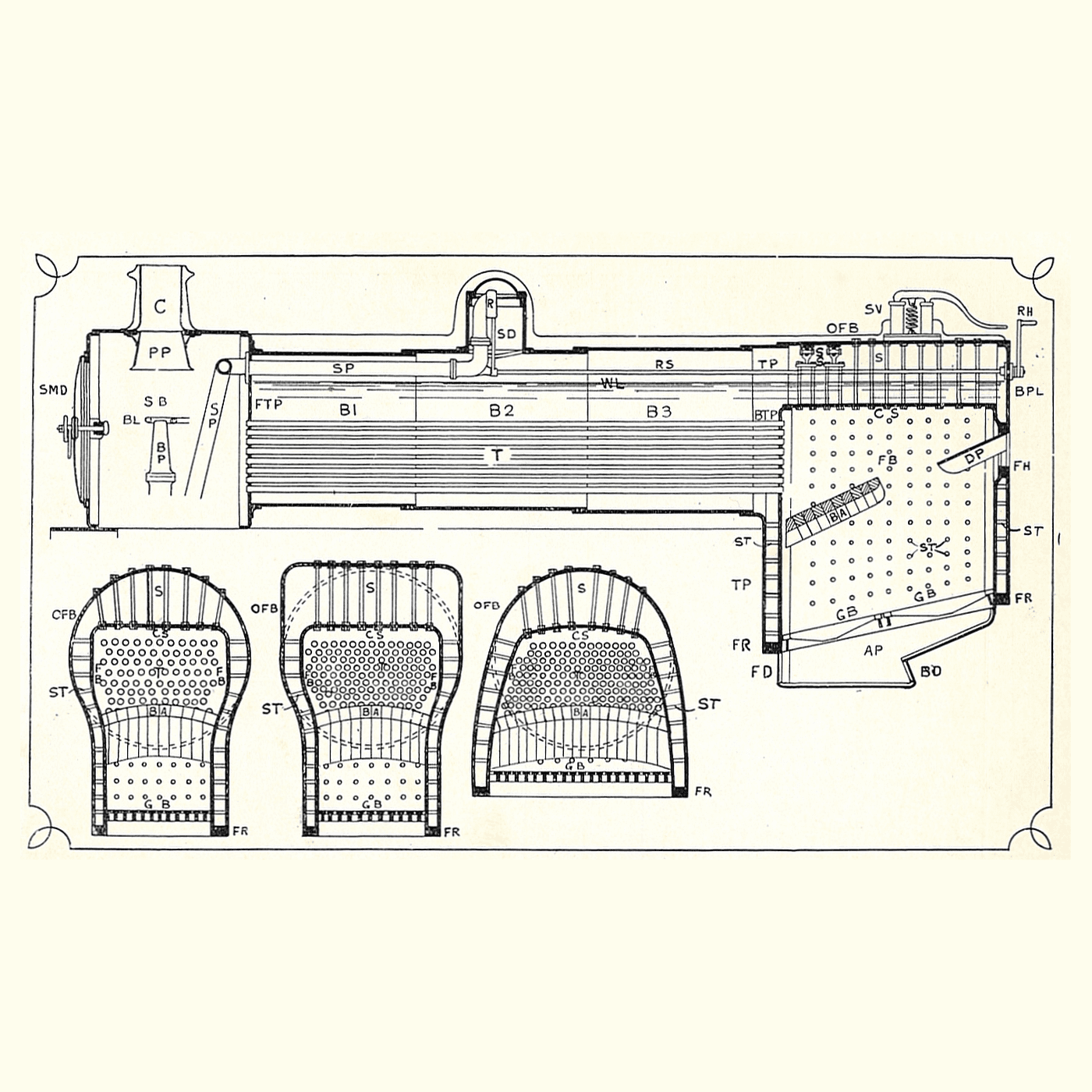
The Fire-Tube Boiler: Surface, Not Fire, Makes Steam
oleh Martin
Mekanika
12
0
0
0
0
0
The Radiator: Mostly Convection, and Why Temperature Is Everything
oleh Emma
Mekanika
5
0
0
0
0
0
The Heat Pipe: Evaporation, Condensation and a Wick That Pumps
oleh Emma
Mekanika
13
0
0
0
0
0
Cooling Is a Process Too: Still Air, Insulated, or Quenched
oleh Penny
Pengerjaan Logam
24
0
0
0
0
0
Seebeck Thermocouple
oleh Ed
TEKNOLOGI
35
0
0
0
0
0
CC0 Domain Publik
Cetak biru ini dirilis di bawah CC0. Anda bebas untuk menyalin, memodifikasi, mendistribusikan, dan menggunakan karya ini untuk tujuan apa pun, termasuk komersial, tanpa meminta izin.
Dukung Maker dengan membeli produk melalui Cetak Biru mereka di mana mereka mendapatkan Komisi Pembuat yang ditetapkan oleh Penjual, atau buat iterasi baru dari Cetak Biru ini dan masukkan sebagai koneksi di milik Anda sendiri.