SENI
KECANTIKAN & KESEHATAN
KERAJINAN
BUDAYA & SEJARAH
HIBURAN
LINGKUNGAN
MAKANAN & MINUMAN
REKAYASA BALIK
ILMU PENGETAHUAN
OLAHRAGA
TEKNOLOGI
PERANGKAT PAKAI
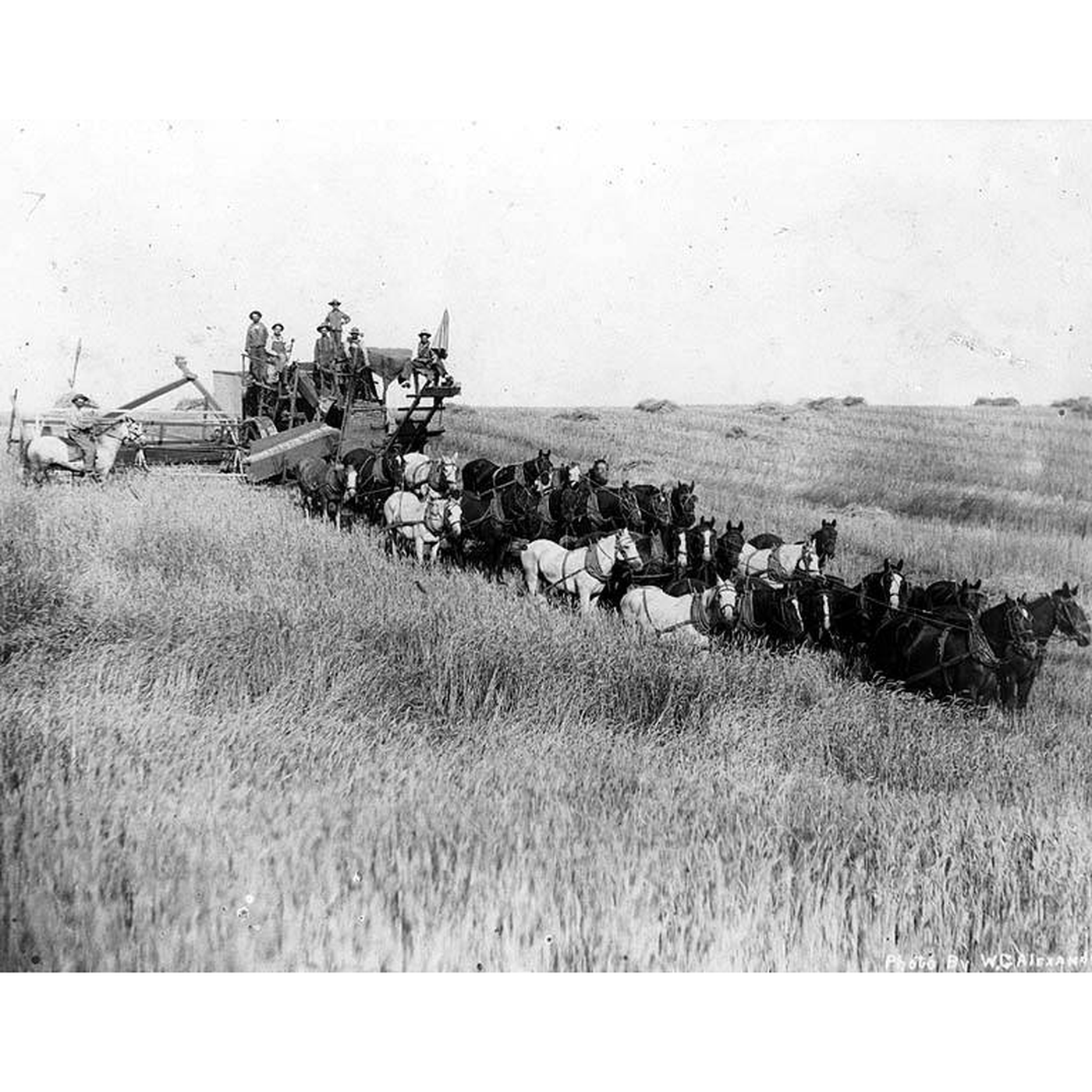

The Combine Harvester: Cut, Thresh, Separate and Clean in One Pass
Grain harvest was once a chain of separate jobs: cut with the reaper, bind and stook the sheaves, carry them to the threshing machine, winnow what it gave. The combine joins them: it cuts the standing crop, threshes the grain out, separates it from the straw, cleans off the chaff and carries the grain to a tank, while the straw goes out of the back.
Hiram Moore of Kalamazoo County, Michigan, backed by his neighbour John Hascall, built a working combined harvester in the mid-1830s and patented it in 1836. In California, Benjamin Holt's combines of 1886 drove their mechanisms by link belts rather than gears, so a jolt broke a belt instead of stripping a gear; the machine cut, threshed, cleaned and bagged the grain.
This rung works out the threshing impact and the air speed that cleans, and separates grain from straw and chaff with a fan on the bench.
Menengah
About 4 hours
Instruksi
1
1
Threshing speed and cleaning air
Threshing speed and cleaning air
Memuat notebook Jupyter…
2
2
What happens to one handful of crop
What happens to one handful of crop
Ruang kerja Blockly
Loading Blockly workspace...
3
3
Cleaning by air, before the combine
Cleaning by air, before the combine
The combine's cleaning shoe is a winnowing machine built in. The embedded blueprint shows the fan-and-riddle cleaner it descends from.
4
4
Separate grain from straw and chaff by air
Separate grain from straw and chaff by air
Mix 200 g of wheat berries with 20 g of chopped straw and 10 g of wheat bran, which stands in here for chaff (both are light, flat husk). Stand a variable-speed box fan on its back so it blows straight up, and fit a 300 mm cardboard chimney on top so the air rises evenly. Measure the air speed at the top of the chimney with the anemometer at each fan setting.
Hold a sieve over the chimney and trickle the mix slowly into the rising air from 200 mm above it. Catch what falls onto the sieve and what blows away on a sheet of paper downwind. Weigh each fraction at each fan speed.
Plot the percentage of grain lost and of chaff left against air speed. Find the band where the chaff goes and the grain stays, and compare it with the notebook's terminal velocities.
Material untuk langkah ini:
 Butir gandum utuh1 kilogram
 Jerami Cacah1 buah
 Dedak gandum1 buah
 Lembaran Kardus Bergelombang1 buah
Alat yang dibutuhkan:
 Kipas kotak (kecepatan berubah)
 Anemometer genggam
 Timbangan Dapur Digital
 Ayakan 60 mesh
 Penggaris
5
5
A combine losing grain
A combine losing grain
Where the grain goes when it is not in the tank.
Flow
Loading...
6
6
History and honest limits
History and honest limits
**Hiram Moore** and **John Hascall** of Michigan built a combined harvester in the mid-1830s, patented in 1836; the Smithsonian holds Moore's papers. **Benjamin Holt**'s combine of 1886 used link belts instead of gears; Holt went on to build the crawler tractor. Horse-drawn combines needed large teams; tractor-drawn and then self-propelled combines made them a machine for every grain farm.
**Honest limits.** The notebook's particle masses and shapes are illustrative — real chaff, straw and grain vary widely, and the fan is set by watching losses, not by calculation. A combine is the most dangerous machine on many farms: never clear a blockage with the machine running.
Bahan
4- 1 kilogramPlaceholder
- 1 buahPlaceholder
- 1 buahPlaceholder
- Placeholder
Alat yang Diperlukan
5- Placeholder
- Placeholder
- Placeholder
- Placeholder
- Placeholder
Blueprint terkait
Blueprint ini berbagi pengetahuan — teknik, bahan, atau prinsip
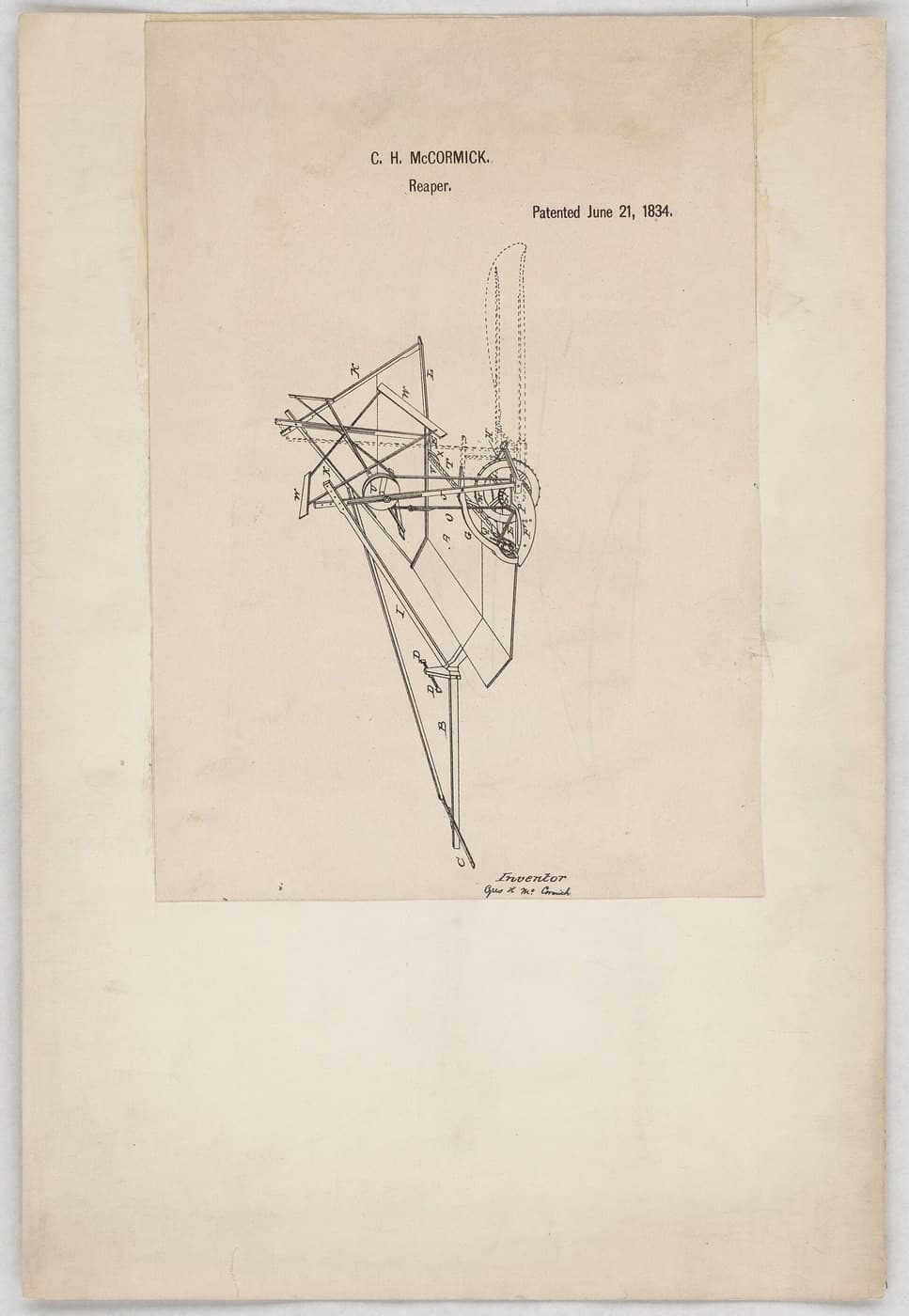
McCormick Reaper
oleh Martin
LINGKUNGAN
41
0
0
0
0
0
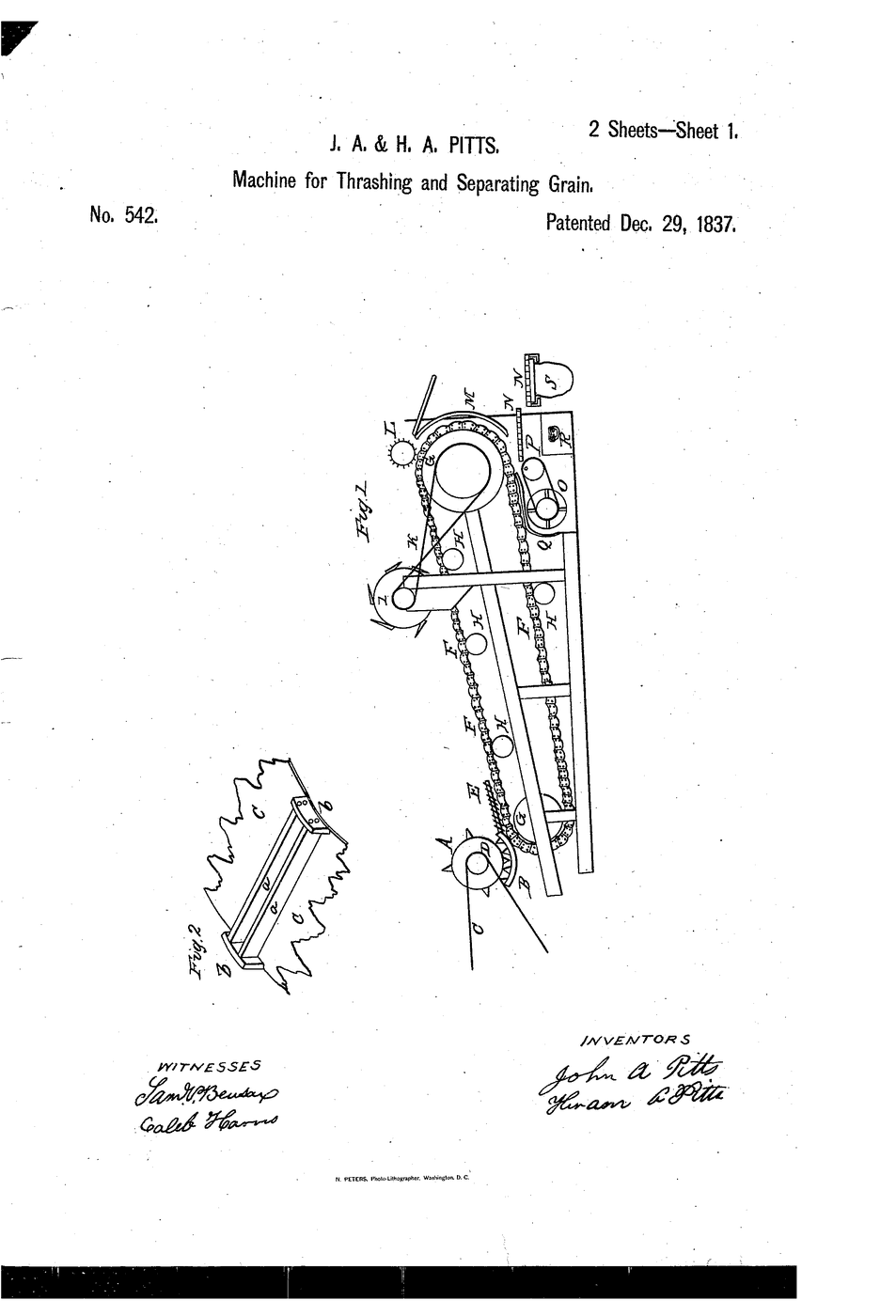
Threshing Machine
oleh Martin
Mekanika
28
0
0
0
0
0
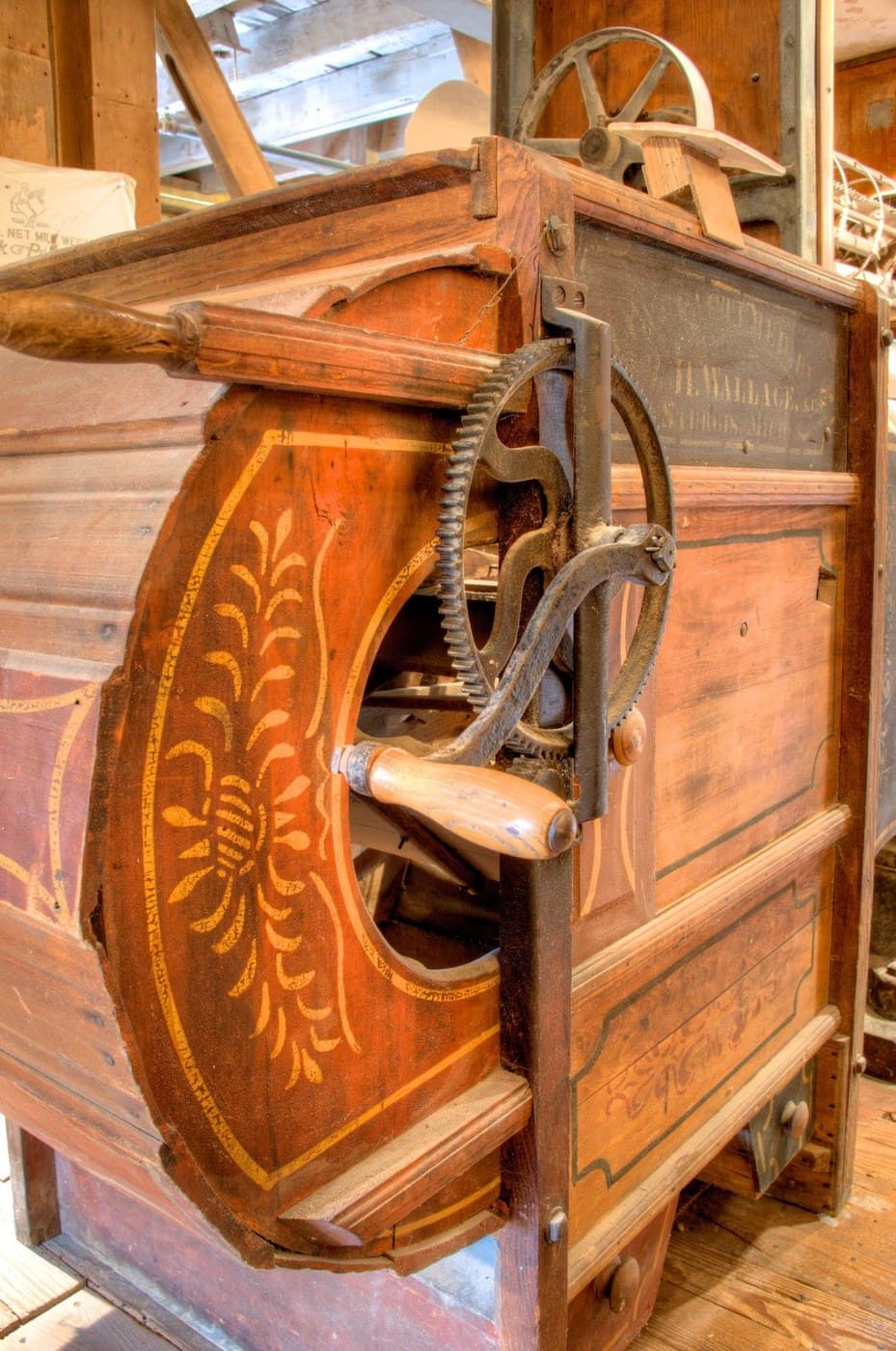
Winnowing Machine
oleh Karen
LINGKUNGAN
46
0
0
0
0
0
Building a Viking Threshing Flail — Separating Grain from Husk
oleh Woody
Pengerjaan Kayu
72
0
0
0
0
0

The Sirocco Fan: Many Shallow Forward-Curved Blades
oleh Emma
Mekanika
12
0
0
0
0
0
The Bucket Elevator: Lifting Grain by the Bucketful, and Where It Lands
oleh Martin
Mekanika
15
0
0
0
0
0
CC0 Domain Publik
Cetak biru ini dirilis di bawah CC0. Anda bebas untuk menyalin, memodifikasi, mendistribusikan, dan menggunakan karya ini untuk tujuan apa pun, termasuk komersial, tanpa meminta izin.
Dukung Maker dengan membeli produk melalui Cetak Biru mereka di mana mereka mendapatkan Komisi Pembuat yang ditetapkan oleh Penjual, atau buat iterasi baru dari Cetak Biru ini dan masukkan sebagai koneksi di milik Anda sendiri.