
यूनानी काइटन सिलना — लिनन का परिधान बनाना
निर्देश
कपड़ा नापें और काटें
कपड़ा नापें और काटें
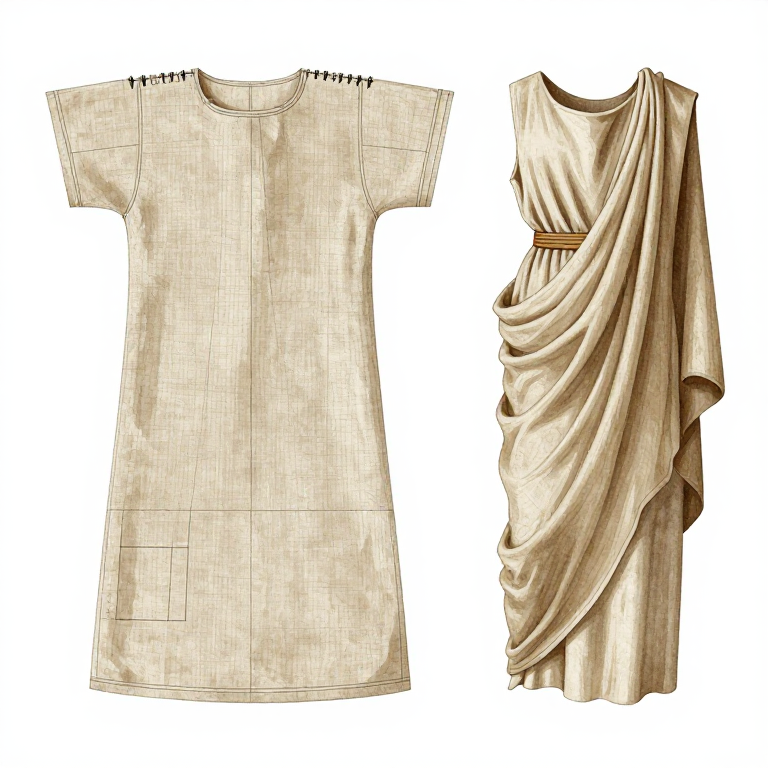
यह ब्लूप्रिंट सबसे सरल बनावट अपनाता है: लिनन के दो बराबर आयत, एक आगे का और एक पीछे का। आयोनिक काइटन के लिए, जो बाँहों के साथ-साथ पिनों से अटकाया जाता है, हर आयत की चौड़ाई आपकी फैली बाँहों की कलाई से कलाई तक की लंबाई जितनी रखें, और मुलायम चुन्नटों के लिए 20-30 सेमी जोड़ें; डोरिक काइटन के लिए, जो केवल कंधों पर अटकाया जाता है, एक संकरा आयत काफ़ी है, लगभग कोहनी से कोहनी तक और उतना ही अतिरिक्त। हर आयत की लंबाई कंधे से मनचाहे निचले किनारे तक की दूरी जितनी रखें (स्त्री के काइटन में टखना; पुरुष के में घुटना या टखना), कमरबंद के ऊपर खींचने के लिए लगभग 20 सेमी जोड़ें, और ऊपरी मोड़ (apoptygma) वाले डोरिक काइटन में उस मोड़ की गहराई भी जोड़ें। तेज़ कपड़ा-कैंची से साफ़ काटें। प्राचीन काइटन अक्सर बड़े कपड़े से काटने के बजाय करघे पर ही ज़रूरी नाप में बुने जाते थे, इसलिए बुने हुए किनारे (सेल्वेज) ऐसे तैयार किनारे होते थे जिन्हें तुरपाई की ज़रूरत नहीं होती थी; जहाँ हो सके, सेल्वेज को ऊपर और बगलों में रखें।
इस चरण के लिए सामग्री:
 लिनन का कपड़ा2-3 meters (width should be armspan plus 30 cm) सेमी
 लिनन का धागाsmall amount टुकड़ा
 फ़िबुला2-6 pieces टुकड़ा
 रस्सी-डोरी1 piece, waist circumference plus 40 cm सेमी
आवश्यक उपकरण:
 सिलाई की सूइयों का सेट
 रसोई की कैंची
 नापने का फीता
टुकड़े एक-दूसरे पर रखें और ऊपरी किनारा अटकाएँ
टुकड़े एक-दूसरे पर रखें और ऊपरी किनारा अटकाएँ
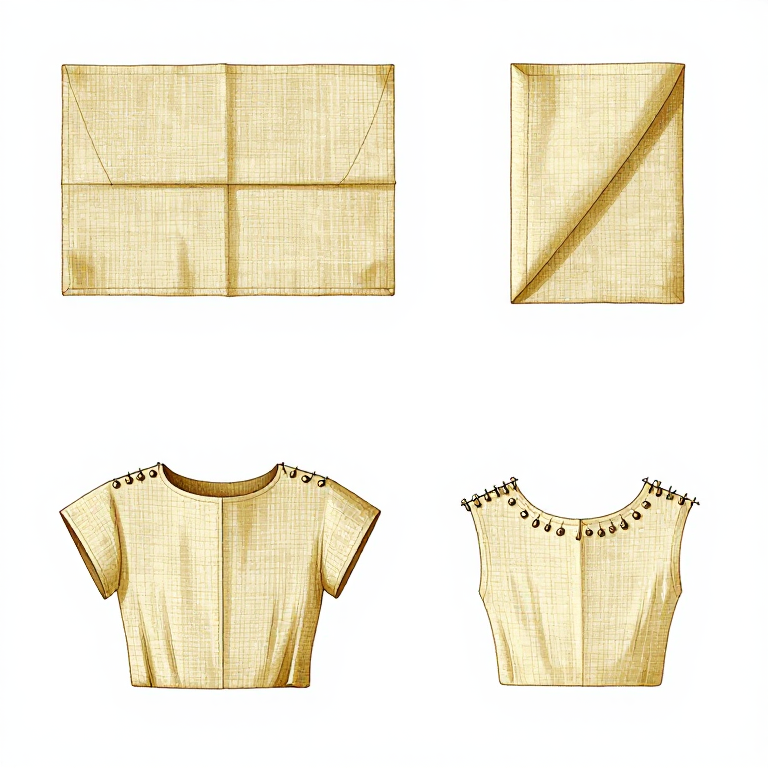
अगर आप apoptygma वाला डोरिक काइटन बना रहे हैं, तो पहले हर आयत का ऊपरी किनारा उतनी गहराई तक बाहर की ओर मोड़ें जितनी आपने मोड़ के लिए रखी थी (यह मोड़ छाती और पीठ पर लटकता है और स्त्रियों के वस्त्रों में अधिक आम है)। आगे वाला आयत पीछे वाले पर रखें, किनारे मिलाकर। ऊपरी किनारे पर दोनों परतों को वहाँ जोड़ें जहाँ वे शरीर पर टिकेंगी। डोरिक काइटन में केवल कंधों के दो बिंदुओं पर फ़िबुला (पिन या ब्रोच; यूनानी पिन को perone कहते थे) से अटकाएँ, उनके बीच गर्दन के लिए जगह छोड़ें और बाँहें खुली रहें। आयोनिक काइटन में ऊपरी किनारे को हर तरफ़ गर्दन से कलाई तक अंतराल पर पिन, सिलाई या बटनों से जोड़ें और बंधनों के बीच छोटे-छोटे अंतर छोड़ें; बाँहें सिरों से निकलती हैं और जुड़ा किनारा ऐसे लटकता है मानो चुन्नटदार आस्तीनें हों। अतिरिक्त चौड़ाई ही वे मुलायम चुन्नटें बनाती है जो यूनानी पहनावे की पहचान हैं।
बगल की सिलाई करें
बगल की सिलाई करें
ऊपरी किनारा अटकाने के बाद हर बगल को बाँह के छेद के ठीक नीचे से निचले किनारे तक कच्ची सिलाई या बखिया और लिनन के धागे से सिलें। डोरिक काइटन में हर बगल के ऊपरी 20-25 सेमी बाँहों के लिए खुले छोड़ें; आयोनिक काइटन में बाँहें ऊपरी किनारे के सिरों से निकलती हैं, इसलिए हर बगल के ऊपर बस इतना खुला छोड़ें कि कपड़ा खुलकर लटक सके। सिलाई साफ़ और मज़बूत होनी चाहिए, क्योंकि चलते समय यही लटकते कपड़े का भार उठाती है। हर वस्त्र बंद नहीं सिला जाता था: स्पार्टा की लड़कियों का पेप्लोस एक बगल से खुला रहता था, और दूसरे यूनानी उनका मज़ाक उड़ाते हुए उन्हें phainomerides, यानी 'जाँघ दिखाने वालियाँ', कहते थे। पूरी तरह बंद काइटन के लिए दोनों बगलें सिलें।
कमरबंद बाँधें और लटकन ठीक करें
कमरबंद बाँधें और लटकन ठीक करें
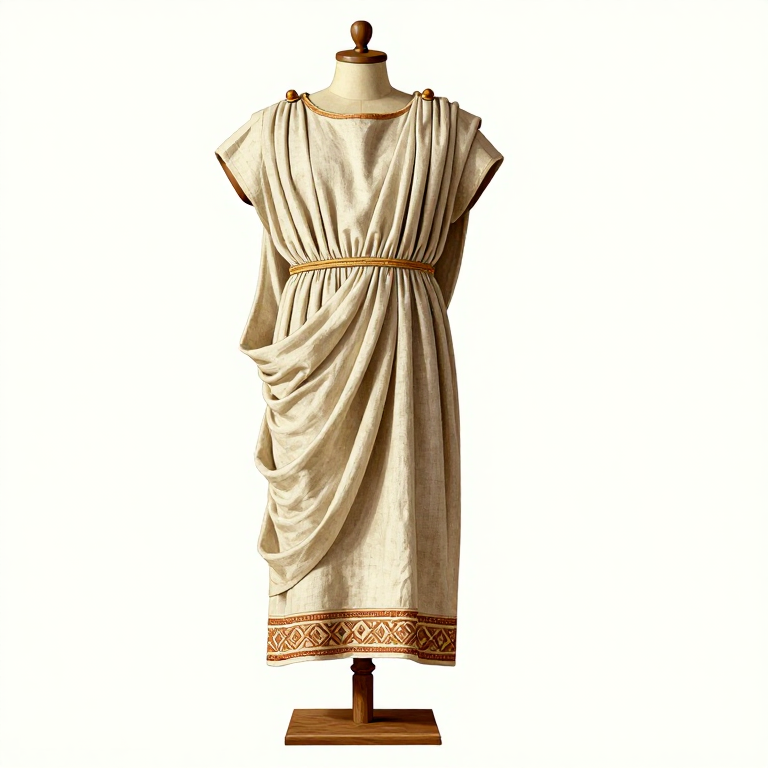
काइटन पहनें और उसके चारों ओर एक कमरबंद (zoster या zone) बाँधें। कपड़े को कमरबंद के ऊपर खींचकर एक फूली हुई तह, kolpos, बनाएँ, जो निचले किनारे को भी मनचाही लंबाई पर ले आती है। स्त्रियों के काइटन टखनों तक पहने जाते थे। पुरुष आर्केइक काल में लंबा काइटन पहनते थे और बाद में अधिकतर घुटने तक, और मज़दूर या सैनिक आराम से चलने-फिरने के लिए इसे और भी ऊँचा खोंस सकते थे। कमरबंद कहाँ है और उसके ऊपर कितना कपड़ा फुलाया गया है, इससे परिधान का रूप बहुत बदल जाता है: कमर पर कमरबंद 'नीचा कसाव' और छाती के ठीक नीचे कमरबंद 'ऊँचा कसाव' कहलाता है।
तुरपाई और सजावटी किनारी से पूरा करें
तुरपाई और सजावटी किनारी से पूरा करें
अगर कोई किनारा कच्चा कटा है (सेल्वेज नहीं है), तो उसे छोटे टाँकों से संकरी लपेटी हुई तुरपाई दें। यूनानी वस्त्रों में अक्सर करघे पर ही बुनी सजावटी किनारियाँ होती थीं — ज्यामितीय नमूने, मियांडर (यूनानी कुंजी) या किनारों के साथ रंगीन धारियाँ। अगर आपके कपड़े पर बुनी किनारी नहीं है, तो आप निचले किनारे और गले के साथ फ़ीता या गोटा सिल सकते हैं। तैयार काइटन को खड़े होने पर सीधी खड़ी चुन्नटों में लटकना चाहिए। इसके ऊपर दूसरे वस्त्र पहने जाते थे: हिमेशन, एक बड़ा लबादा, और पुरुषों के लिए chlamys, एक छोटा लबादा जिसे घुड़सवार और सैनिक पसंद करते थे।
सामग्री
6- 2-3 meters (width should be armspan plus 30 cm) सेमीप्लेसहोल्डर
- small amount टुकड़ाप्लेसहोल्डर
- 1 piece, waist circumference plus 40 cm सेमीप्लेसहोल्डर
- 2-6 pieces टुकड़ाप्लेसहोल्डर
- 1 piece, waist circumference plus 40 cm टुकड़ाप्लेसहोल्डर
- 4 टुकड़ेप्लेसहोल्डर
आवश्यक उपकरण
4- प्लेसहोल्डर
- प्लेसहोल्डर
- 1 vendor sell this, none ship to you yetप्लेसहोल्डर
- प्लेसहोल्डर
यह ब्लूप्रिंट बनाता है
CC0 पब्लिक डोमेन
यह ब्लूप्रिंट CC0 के तहत जारी किया गया है। आप बिना अनुमति माँगे इस कार्य को किसी भी उद्देश्य के लिए कॉपी, संशोधित, वितरित और उपयोग करने के लिए स्वतंत्र हैं।
उनके ब्लूप्रिंट के माध्यम से उत्पाद खरीदकर मेकर का समर्थन करें जहाँ वे मेकर कमीशन कमाते हैं जो विक्रेताओं द्वारा निर्धारित होता है, या इस ब्लूप्रिंट का नया संस्करण बनाएँ और राजस्व साझा करने के लिए इसे अपने ब्लूप्रिंट में कनेक्शन के रूप में शामिल करें।