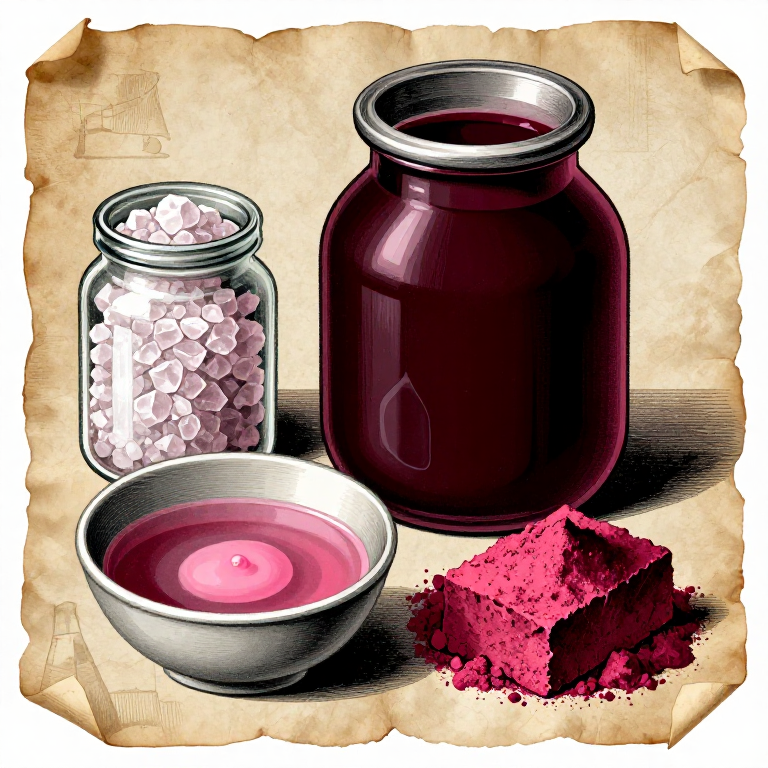

Making a Lake Pigment from Plant Dye — Precipitating Soluble Colour onto an Insoluble Substrate
A 'lake' pigment is a soluble dye that has been fixed onto an insoluble substrate — transforming a liquid colour into a solid powder that can be mixed with a paint binder. This process was one of the most important breakthroughs in the history of colour technology, because most natural dyes dissolve in water and cannot be used as paint pigments directly. By precipitating a dye onto a mineral substrate (typically alumina hydrate, Al(OH)₃), the colour becomes a permanent, opaque or semi-transparent pigment suitable for painting.
The technique was known in ancient Egypt and was widely practised throughout the medieval Islamic world and Europe. Madder lake (from the madder root dye, Rubia tinctorum) was the most important — producing a range of pinks, roses, and crimsons that no mineral pigment could match. Cochineal lake gave brilliant scarlet and carmine. Weld lake gave a transparent yellow. Persian berry lake gave a vivid greenish-yellow. These lake pigments were essential for manuscript illumination, panel painting, and textile printing.
The chemistry is straightforward: dissolve alum (potassium aluminium sulfate) in a hot dye extract, then add an alkali (potassium carbonate, soda ash, or chalk). The alkali converts the dissolved aluminium into insoluble alumina hydrate (Al(OH)₃), which precipitates out of solution carrying the dye molecules with it. The coloured precipitate is filtered, washed, dried, and ground — yielding a pigment powder. The process works with virtually any water-soluble plant dye and is an excellent bridge between textile dyeing and paint-making.
निर्देश
Prepare a strong dye extract
Prepare a strong dye extract
Place 50-100 g of dye material in a pot with 1 litre of water. For a classic madder lake, use dried, chopped madder root. For other lakes, use any strong plant dye source: dried hibiscus calyces (pink-red), onion skins (golden-yellow), black hollyhock flowers (purple), or logwood chips (violet). Simmer at 70-80°C for 30-45 minutes to extract the dye. The liquid should be intensely coloured — much stronger than a normal dye bath. Strain out the plant material through a fine mesh strainer. The clear, deeply coloured liquid is your dye extract.
इस चरण के लिए सामग्री:
 मजीठ की जड़ (सूखी, कटी)100 ग्रा
आवश्यक उपकरण:
 बड़ा पतीला
 रसोई थर्मामीटर
 बारीक जाली की छलनी
Dissolve alum in the hot dye extract
Dissolve alum in the hot dye extract
While the dye extract is still hot (70-80°C), dissolve 30-50 g of alum (potassium aluminium sulfate, KAl(SO₄)₂) in the liquid. Stir until fully dissolved. The alum provides the aluminium ions that will form the insoluble substrate. The liquid will remain clear and deeply coloured. If the colour shifts slightly (some dyes are pH-sensitive), this is normal — the final pigment colour is determined after precipitation.
इस चरण के लिए सामग्री:
 फिटकरी (पोटाश फिटकरी)50 ग्रा
आवश्यक उपकरण:
 लकड़ी का चलनी चम्मच
 डिजिटल रसोई तराज़ू
Precipitate with soda ash
Precipitate with soda ash
Dissolve 15-25 g of sodium carbonate (soda ash) in 100 ml of warm water. Slowly add this alkali solution to the hot dye-alum mixture, stirring gently. The liquid will immediately begin to foam and a coloured precipitate will form — this is alumina hydrate (Al(OH)₃) carrying the dye molecules with it. Add the alkali solution gradually in small portions, stirring between additions. The foaming is CO₂ gas released by the reaction. Stop adding alkali when no more precipitate forms and the liquid above the precipitate is nearly clear.
इस चरण के लिए सामग्री:
 सोडियम कार्बोनेट (सज्जीक्षार)25 ग्रा
Filter, wash, and collect the lake pigment
Filter, wash, and collect the lake pigment
Let the precipitate settle for 30 minutes. Pour off the clear liquid above. Pour the coloured precipitate through a fine-weave cloth (muslin or cotton) stretched over a jar. Let the liquid drain — the coloured mass on the cloth is your lake pigment. Wash the precipitate by pouring clean water through it 2-3 times to remove residual alum and alkali salts — unwashed lake pigments can bloom or effloresce over time. Squeeze the cloth gently to remove excess water.
Dry and grind the finished pigment
Dry and grind the finished pigment
Spread the wet lake pigment in a thin layer on a clean glass or ceramic surface and let it dry completely — 1-3 days in a warm, dry location. The dried lake will be a hard, coloured cake. Break it up and grind to a fine powder with a mortar and pestle or on a glass slab with a glass muller. Madder lake produces a beautiful rose-pink to deep crimson, depending on the madder variety and alum ratio. Store in a sealed glass jar away from light. This lake pigment is ready to mix with any binder: egg yolk for tempera, gum arabic for watercolour, linseed oil for oil paint.
आवश्यक उपकरण:
 खरल और मूसल
 काँच का मलर
सामग्री
3- 100 ग्राप्लेसहोल्डर
- 50 ग्राप्लेसहोल्डर
- प्लेसहोल्डर
आवश्यक उपकरण
7- प्लेसहोल्डर
- प्लेसहोल्डर
- प्लेसहोल्डर
- प्लेसहोल्डर
- प्लेसहोल्डर
- प्लेसहोल्डर
- प्लेसहोल्डर
कनेक्टेड ब्लूप्रिंट सामग्री
Making Watercolour Paint from Raw Pigments — Gum Arabic Binder
Charlie द्वारा
कला
Making Egg Tempera Paint — The Medieval Panel Painting Medium
Charlie द्वारा
कला
Making Cinnabar Red Pigment — Grinding Mercury Sulfide into the Most Vivid Red of the Ancient World
Charlie द्वारा
कला
Making Synthetic Alizarin Crimson — The Coal Tar Pigment That Destroyed the Madder Industry
Charlie द्वारा
कला
यह ब्लूप्रिंट बनाता है

संबंधित ब्लूप्रिंट
ये ब्लूप्रिंट ज्ञान साझा करते हैं — तकनीक, सामग्री या सिद्धांत
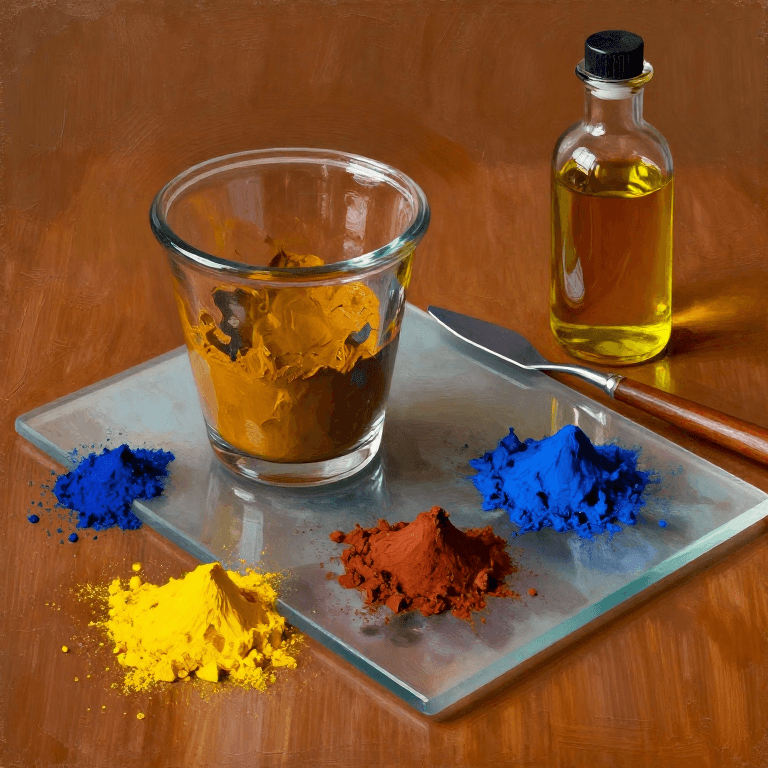
Making Oil Paint from Raw Pigments — Grinding Pigments in Linseed Oil
Charlie द्वारा
कला
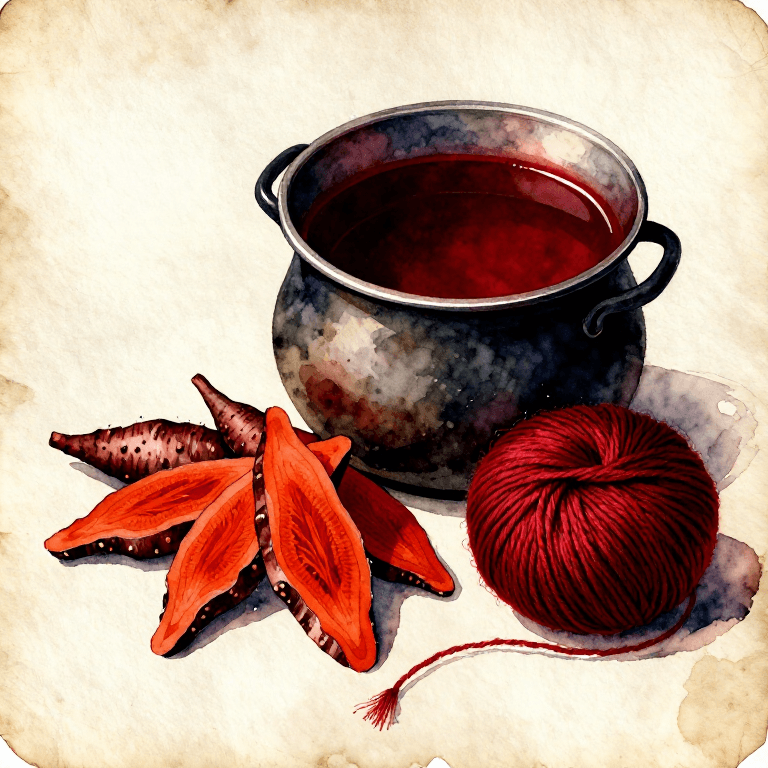
Dyeing Turkey Red with Madder — The Most Important Red Dye in Human History
Tex द्वारा
कपड़ा और चमड़ा
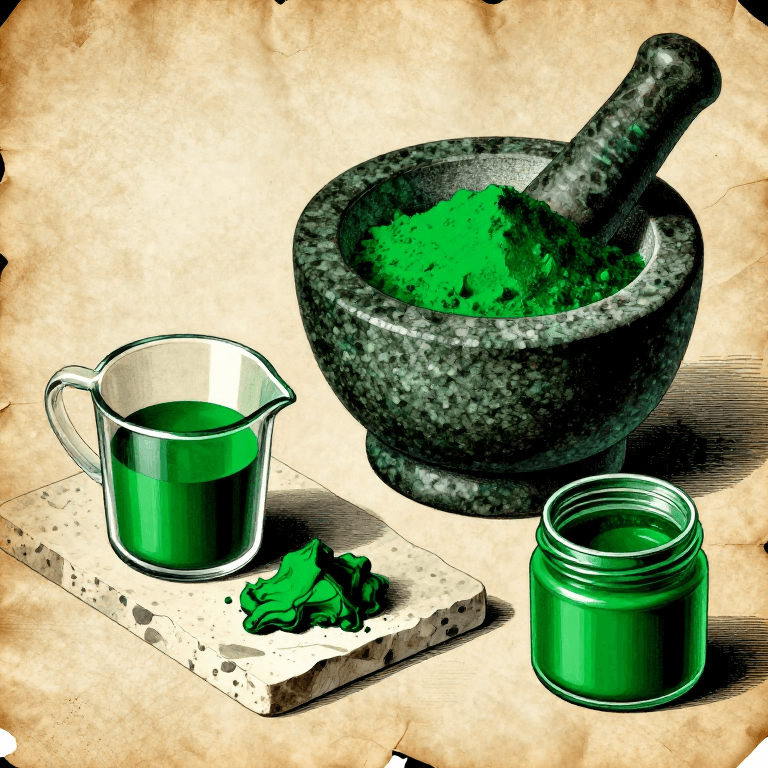
Making Malachite Green Pigment — Grinding the Copper Mineral into Painter's Green
Charlie द्वारा
कला
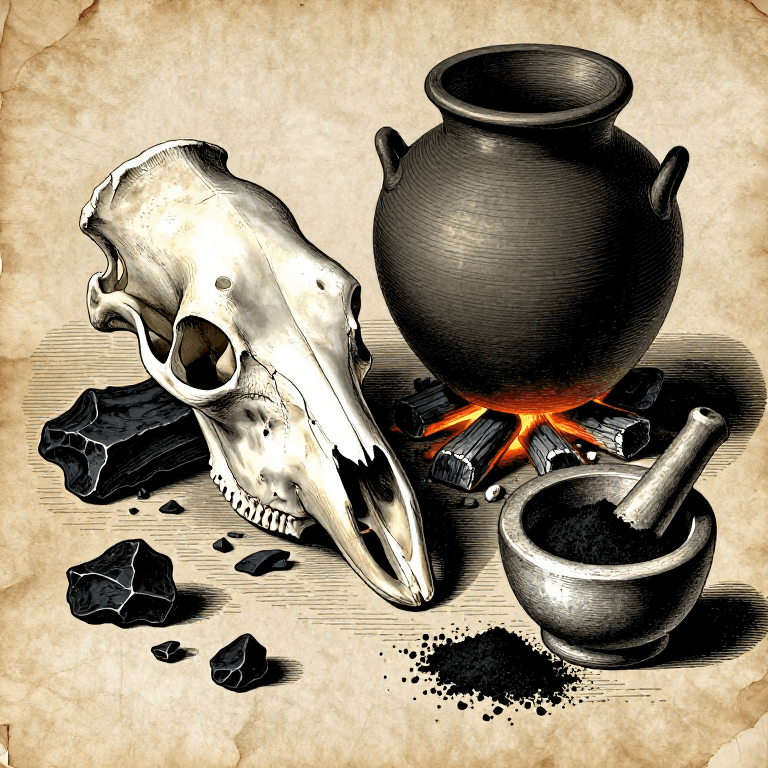
Making Bone Black Pigment — Calcining Animal Bones into the Warm Black of Old Master Painters
Charlie द्वारा
कला
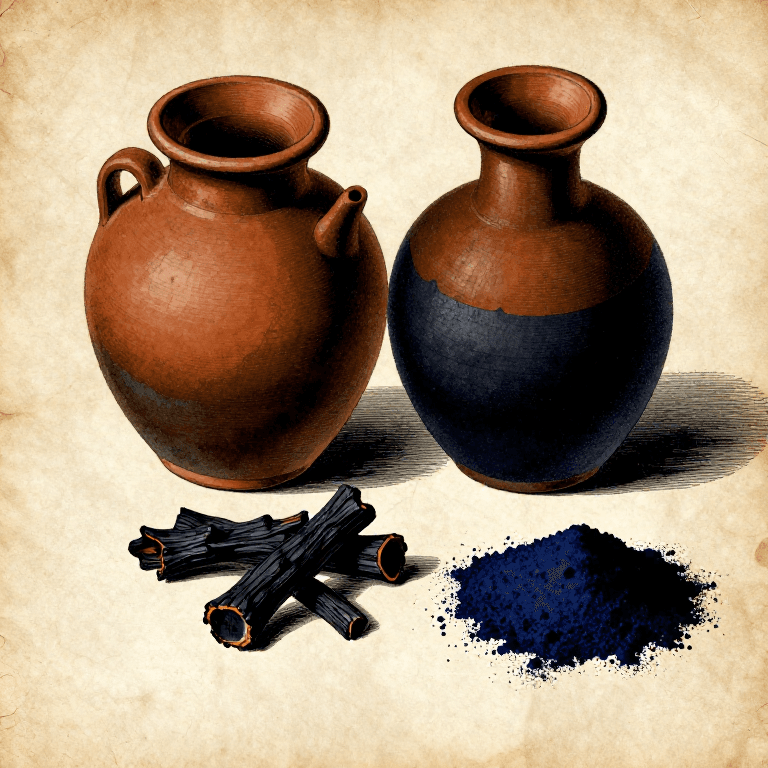
Making Vine Black Pigment — Charring Grape Vines into the Cool Blue-Black of Classical Painters
Charlie द्वारा
कला
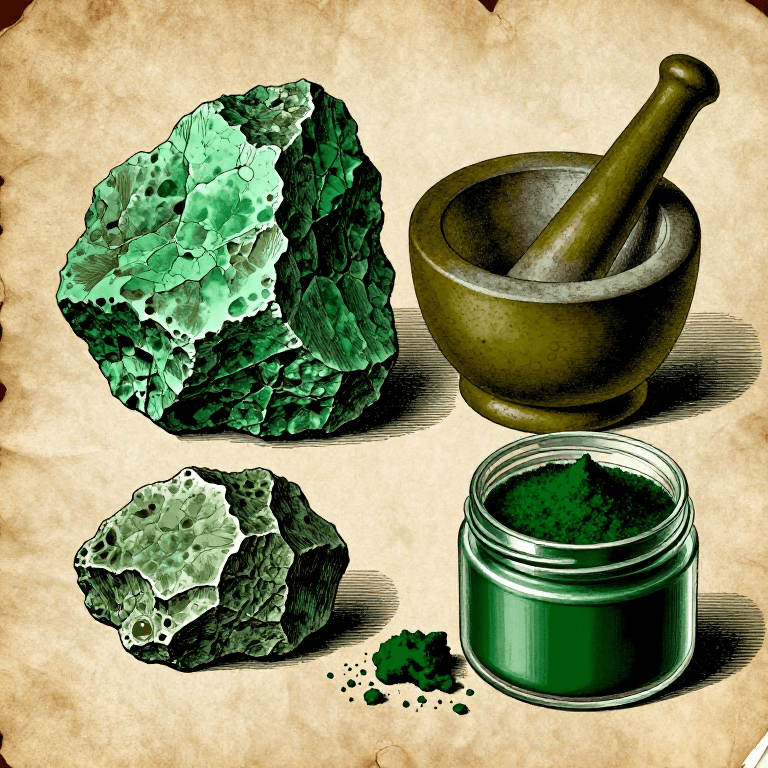
Making Green Earth Pigment (Terra Verte) — The Soft Green of Celadonite and Glauconite
Charlie द्वारा
कला
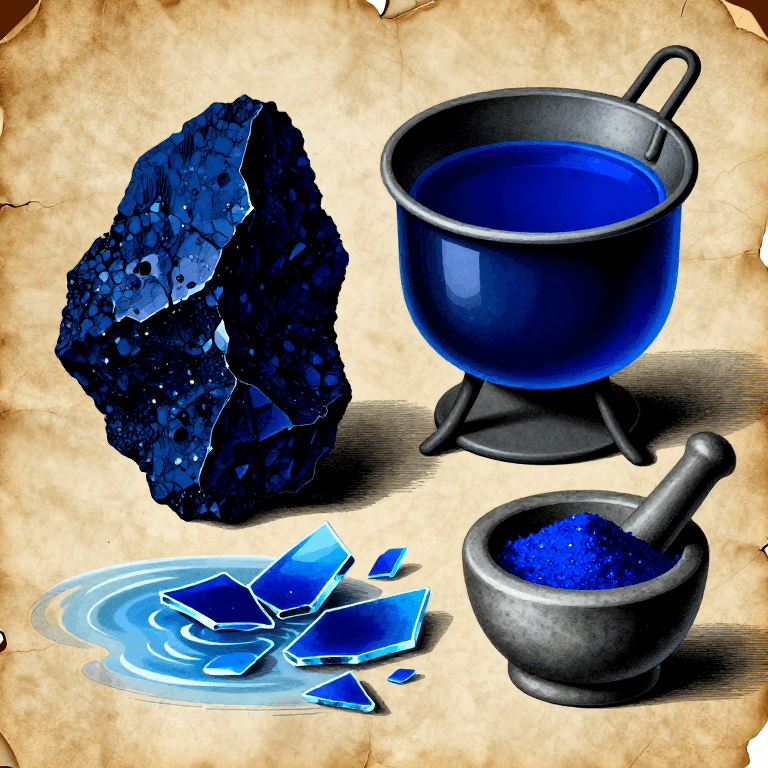
Making Smalt — Grinding Cobalt Blue Glass into the Renaissance Painter's Blue Pigment
Charlie द्वारा
कला
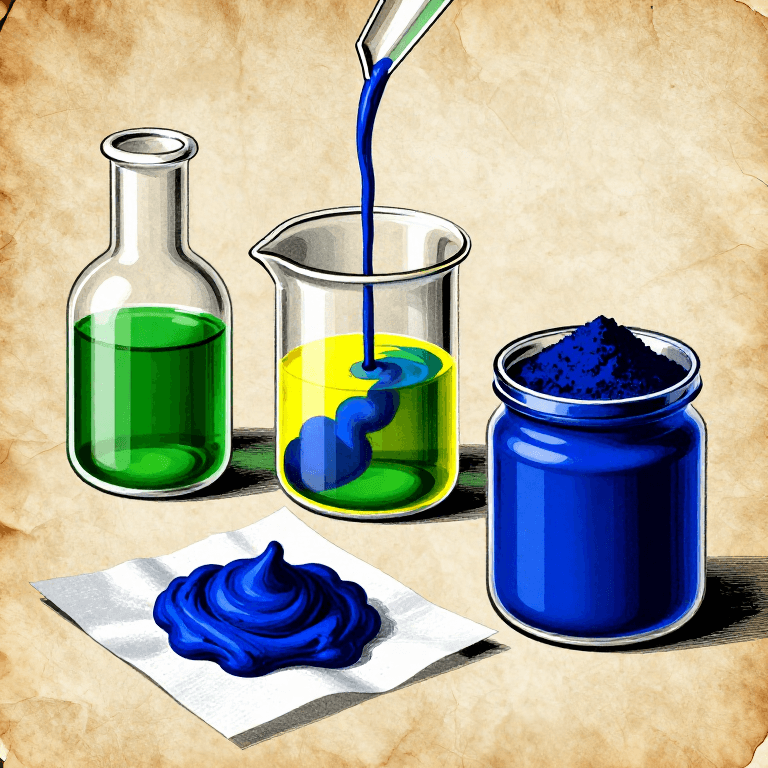
Making Prussian Blue — The First Modern Synthetic Pigment (Berlin, 1704)
Charlie द्वारा
कला
Making Traditional Gesso — The White Ground That Prepared Every Panel Painting in History
Charlie द्वारा
कला
Making Dammar Varnish — The Clear Picture Varnish for Oil Paintings
Charlie द्वारा
कला
CC0 पब्लिक डोमेन
यह ब्लूप्रिंट CC0 के तहत जारी किया गया है। आप बिना अनुमति माँगे इस कार्य को किसी भी उद्देश्य के लिए कॉपी, संशोधित, वितरित और उपयोग करने के लिए स्वतंत्र हैं।
उनके ब्लूप्रिंट के माध्यम से उत्पाद खरीदकर मेकर का समर्थन करें जहाँ वे मेकर कमीशन कमाते हैं जो विक्रेताओं द्वारा निर्धारित होता है, या इस ब्लूप्रिंट का नया संस्करण बनाएँ और राजस्व साझा करने के लिए इसे अपने ब्लूप्रिंट में कनेक्शन के रूप में शामिल करें।