कला
सौंदर्य और कल्याण
हस्तशिल्प
संस्कृति और इतिहास
मनोरंजन
पर्यावरण
खाद्य और पेय
रिवर्स इंजीनियरिंग
विज्ञान
खेल
प्रौद्योगिकी
पहनने योग्य
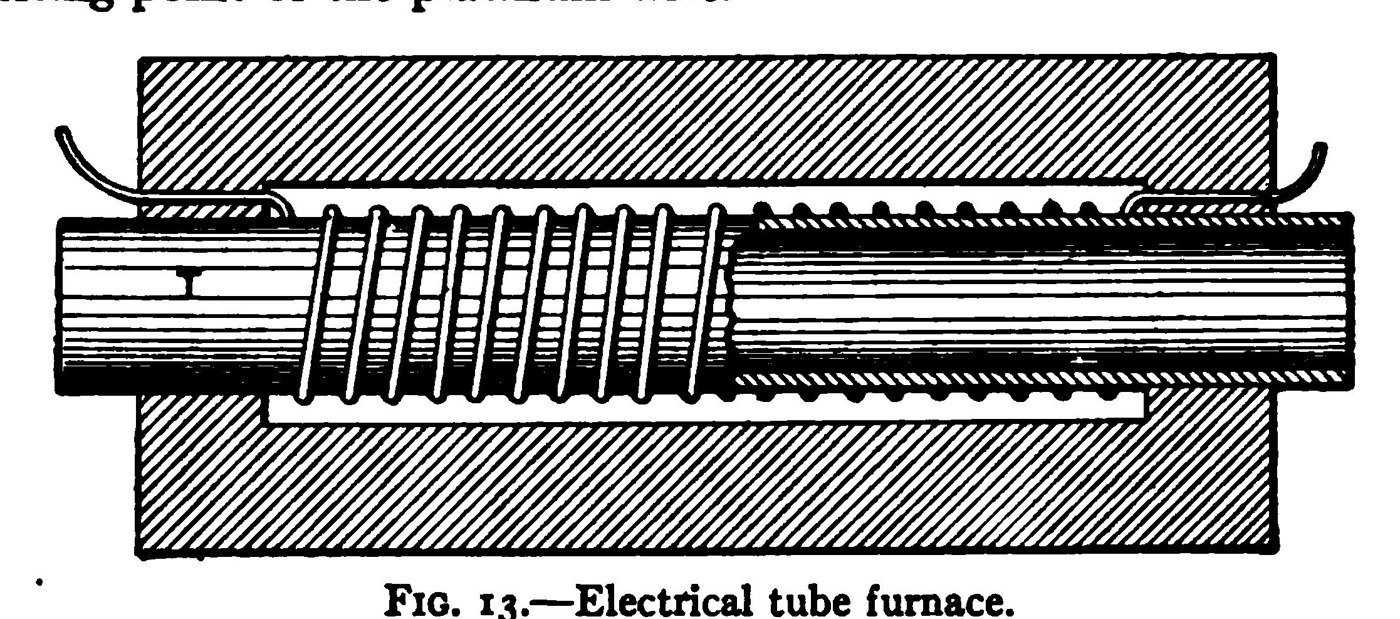


Tube Furnace: Porcelain Tube Wound with Platinum Wire in a Heat-Retaining Jacket (Stansfield, 1914)
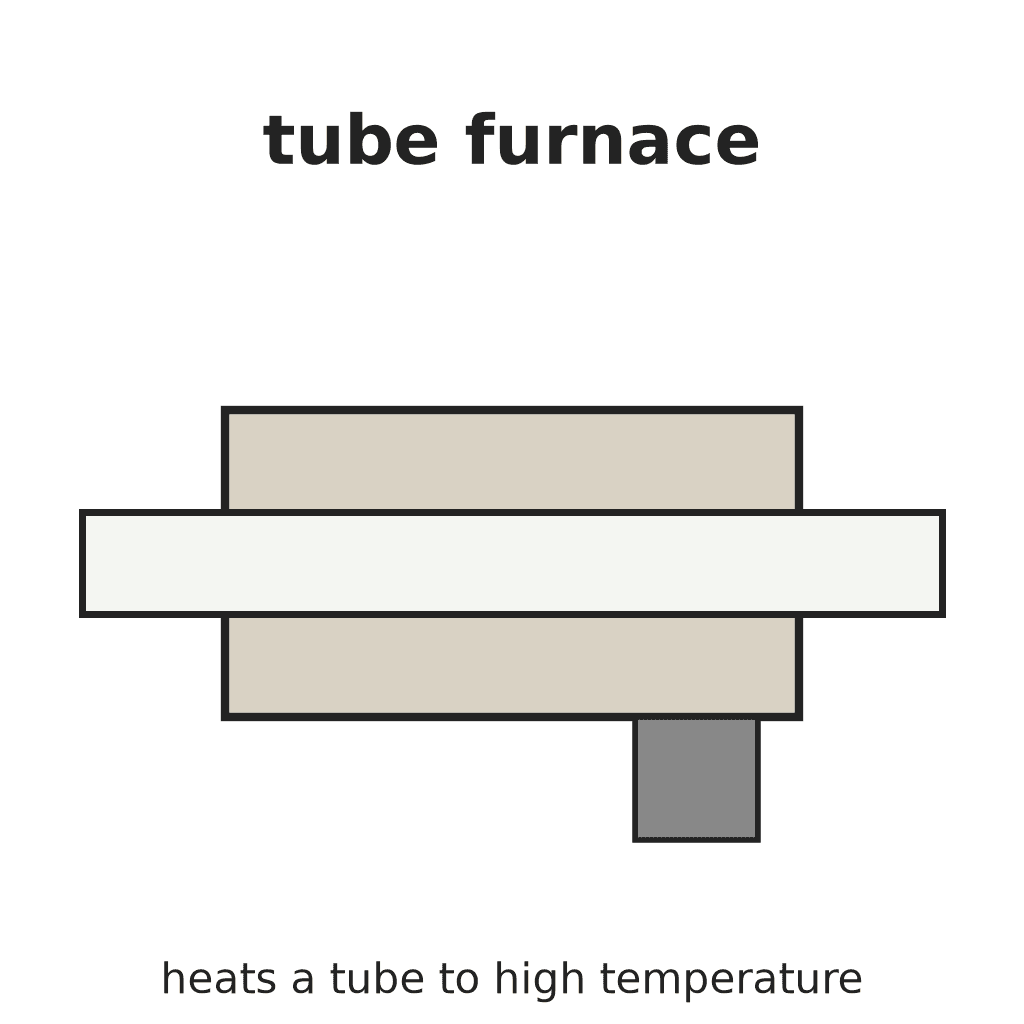
The laboratory tube furnace: a porcelain tube wound with a spiral of platinum wire and wrapped in a heat-retaining jacket. Current through the wire heats the tube and whatever is inside it. A gas can be passed through the tube, the work watched through windows at the ends, and the temperature read with a thermocouple pushed in from one end.
Result: a small furnace for heating a material in any chosen gas at moderate temperatures, well short of platinum's melting point.
Source: A. Stansfield, The Electric Furnace: Its Construction, Operation and Uses (2nd ed., 1914), pp. 24-25 and 154. Unknown: sizes, the jacket material, current and voltage. Picture: Stansfield, Fig. 13.
मध्यवर्ती
2 days
निर्देश
1
1
Wind the tube
Wind the tube
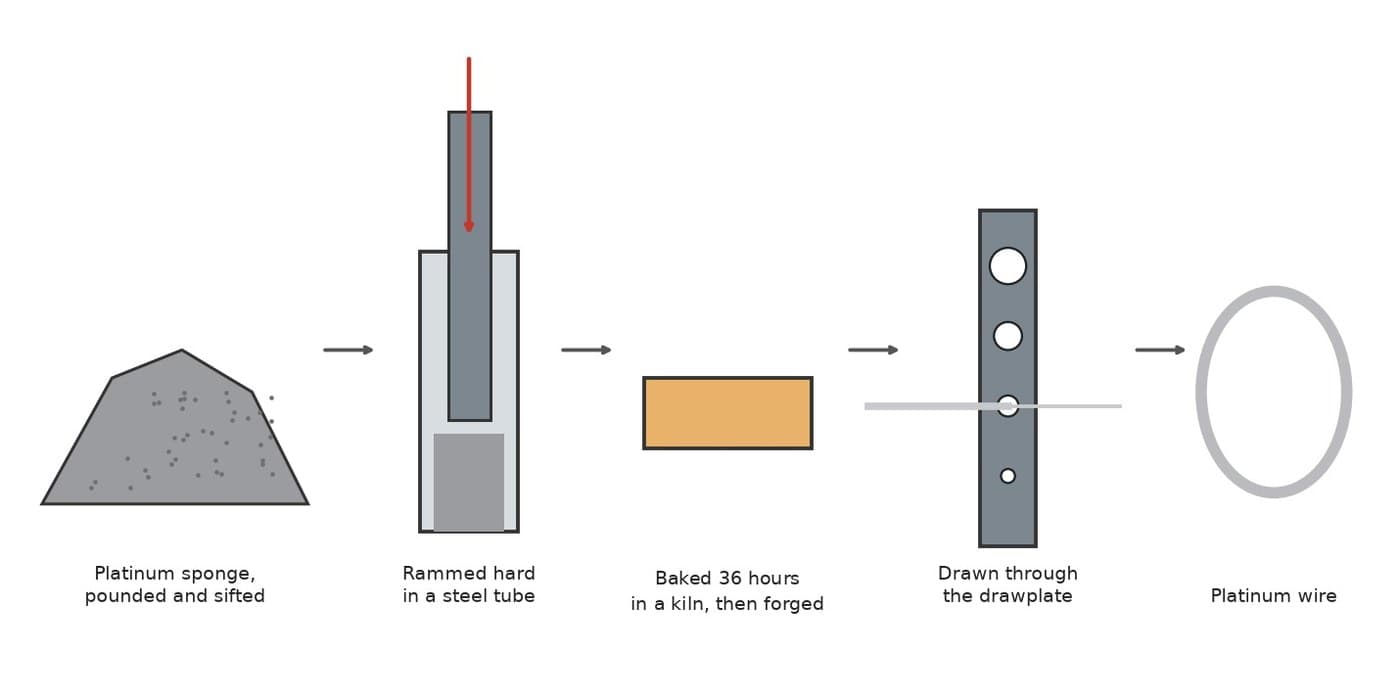
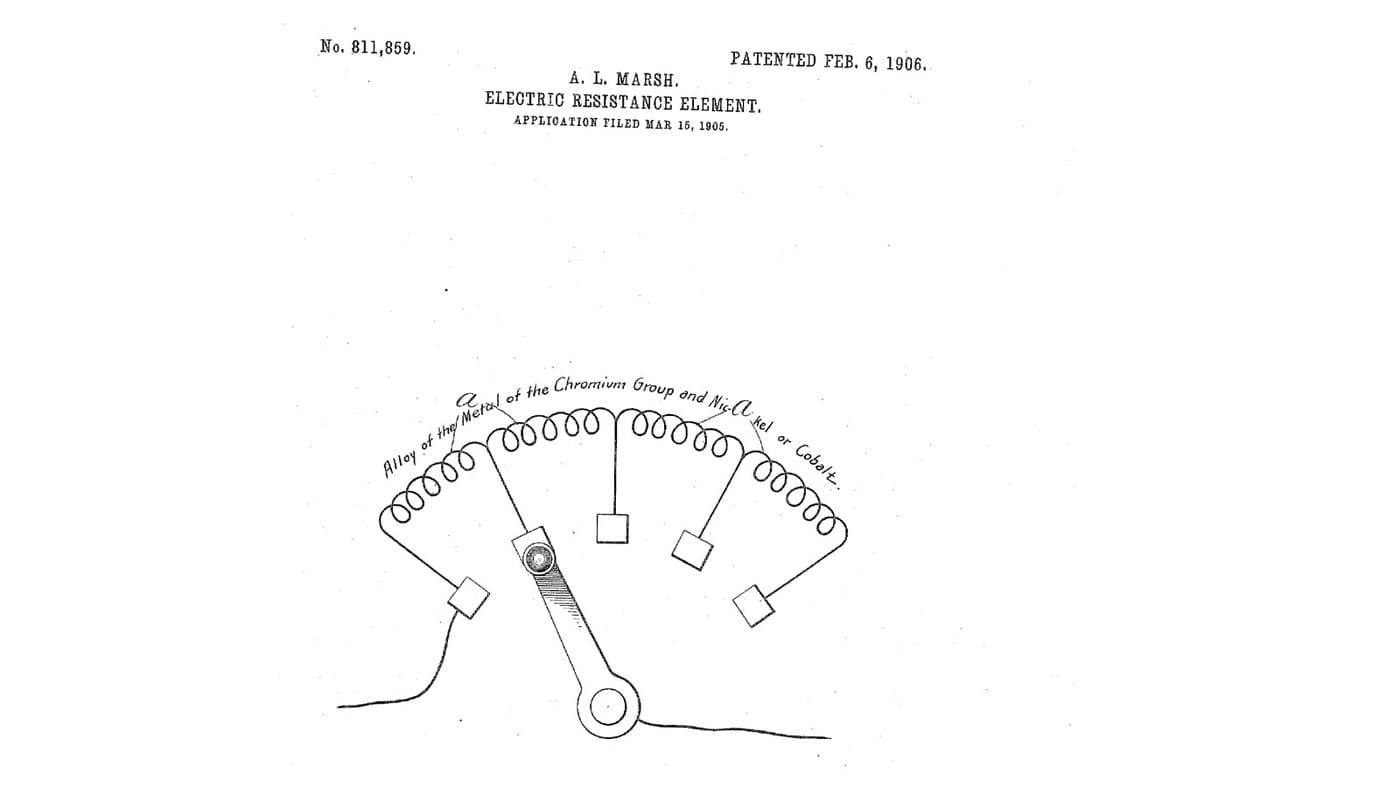
Take a tube of porcelain; fire-clay, silica or alundum also serve. Wind a spiral of platinum wire round it, leaving the leads free. Fix the turns so they cannot shift or touch each other when the wire expands with the heat, or they will short-circuit. Platinum foil can be wound instead of wire: its larger surface heats faster for the same weight of platinum. Not given: sizes, wire gauge, number of turns.
इस चरण के लिए सामग्री:
 चीनी मिट्टी की नली1 टुकड़ा
 प्लैटिनम तार1 as required
आवश्यक उपकरण:
 प्लास का सेट
 अज्ञात माप
2
2
Jacket it
Jacket it
Enclose the wound tube in a heat-retaining envelope, so the heat stays in the tube. The tube ends stick out through the envelope. Not given: the envelope material.
इस चरण के लिए सामग्री:
 अज्ञात सामग्री1 heat-retaining envelope
आवश्यक उपकरण:
अज्ञात माप3
3
Fit windows and the thermocouple
Fit windows and the thermocouple
Close the tube ends with windows of glass or mica to watch the work. Push a thermocouple pyrometer in from one end and watch from the other. Leave a way in and out at the ends when you want a stream of gas through the tube.
इस चरण के लिए सामग्री:
 अभ्रक की चादर1 end windows
आवश्यक उपकरण:
 पाठक सहित तापयुग्म
4
4
Heat
Heat
Put the material in the tube and pass current through the wire. The wire can run at any temperature below platinum's melting point (1,755 °C, 3,200 °F, as the book gives it). In practice the tube and envelope limit the furnace to temperatures far below that. Nickel or nichrome coils are cheaper, but they cannot go as hot and in time they oxidise. Not given: current and voltage.
आवश्यक उपकरण:
पाठक सहित तापयुग्म मल्टीमीटर
सामग्री
4- 1 टुकड़ाप्लेसहोल्डर
- 1 as requiredप्लेसहोल्डर
- 1 heat-retaining envelopeप्लेसहोल्डर
- 1 end windowsप्लेसहोल्डर
कनेक्टेड ब्लूप्रिंट सामग्री

यह ब्लूप्रिंट बनाता है
संबंधित ब्लूप्रिंट
ये ब्लूप्रिंट ज्ञान साझा करते हैं — तकनीक, सामग्री या सिद्धांत

CC0 पब्लिक डोमेन
यह ब्लूप्रिंट CC0 के तहत जारी किया गया है। आप बिना अनुमति माँगे इस कार्य को किसी भी उद्देश्य के लिए कॉपी, संशोधित, वितरित और उपयोग करने के लिए स्वतंत्र हैं।
उनके ब्लूप्रिंट के माध्यम से उत्पाद खरीदकर मेकर का समर्थन करें जहाँ वे मेकर कमीशन कमाते हैं जो विक्रेताओं द्वारा निर्धारित होता है, या इस ब्लूप्रिंट का नया संस्करण बनाएँ और राजस्व साझा करने के लिए इसे अपने ब्लूप्रिंट में कनेक्शन के रूप में शामिल करें।