

هنر
زیبایی و سلامت
صنایع دستی
فرهنگ و تاریخ
سرگرمی
محیط زیست
غذا و نوشیدنی
آینده سبز
مهندسی معکوس
علوم
ورزش
فناوری
پوشیدنی‌ها
Making Steel in a Bessemer Converter — Mass Steel by Blowing Air Through Iron
Thrawn

ایجاد شده توسط

Thrawn

25. ژوئن 2026US
۲۶
۰
۰
۰
۰

Making Steel in a Bessemer Converter — Mass Steel by Blowing Air Through Iron

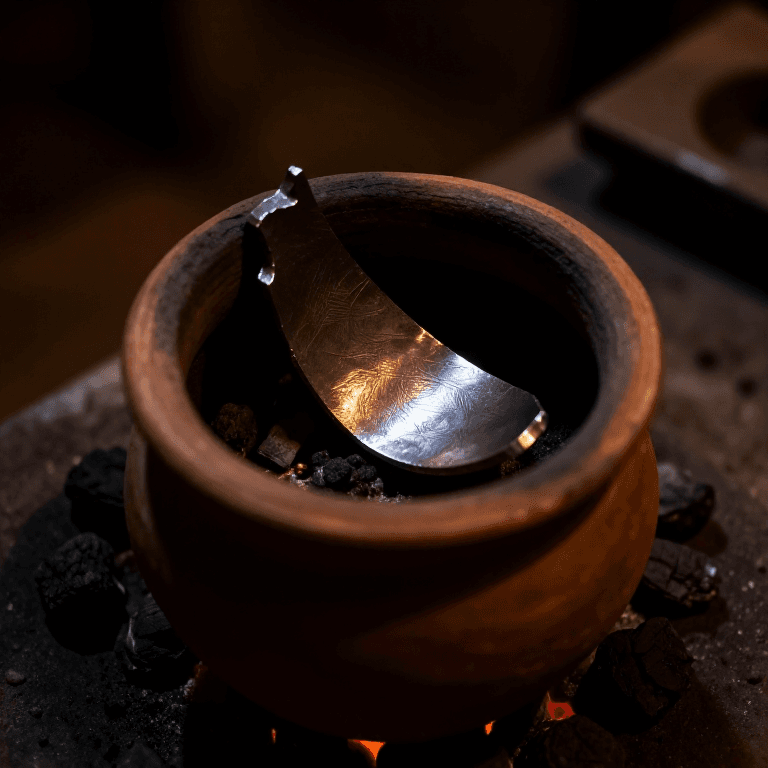
Crucible steel was superb but slow, made a few kilograms at a time. In 1856 Henry Bessemer found a way to make steel by the tonne in about twenty minutes, and the price of steel collapsed from a luxury to a commodity. Rails, ships, bridges, and the first steel-framed buildings all became possible almost overnight.

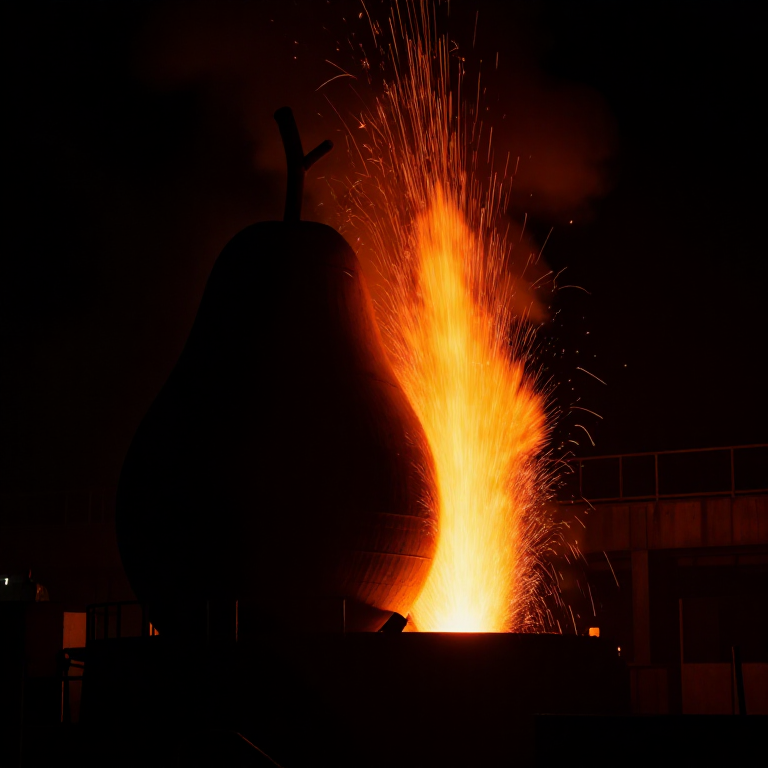
His method sounds reckless: blow cold air straight up through a vessel of molten pig iron. The oxygen in the blast burns out the silicon, manganese, and carbon that make pig iron brittle — and because those reactions give off enormous heat, the metal does not cool but actually gets hotter, staying liquid with no added fuel. A volcano of flame and sparks roars from the converter's mouth while the carbon burns away.

The trick is knowing when to stop. The operator reads the flame, and the instant the carbon is gone, halts the blow and adds back a precise dose of carbon-rich spiegeleisen to hit the exact steel he wants. Tilt, pour, and there is a ladle of molten steel where minutes before there was crude pig iron.

پیشرفته
About 20 minutes per blow once the converter is hot

دستورالعمل‌ها

1

Understand the converter

The Bessemer process refines molten pig iron into steel by blowing air through it. The oxygen burns out the carbon and other impurities, and the heat of those reactions keeps the metal molten with no external fuel. The whole point is speed and scale — tonnes of steel in minutes.
2

Build and line the converter

Build a large pear-shaped vessel that can tilt on trunnions, with a ring of air tuyeres in the bottom. Line it with refractory: silica brick for the acid process, or dolomite for the basic process that can handle phosphoric iron. The lining must survive molten steel and a roaring blast.

مواد مورد نیاز این مرحله:

FirebrickFirebrick120 piece

ابزارهای مورد نیاز:

TrowelTrowel
3

Charge molten pig iron

Tilt the converter on its side and pour in molten pig iron straight from the blast furnace or a cupola. Charging it already liquid is what lets the whole refining happen in one short, fierce blow.

مواد مورد نیاز این مرحله:

Pig Iron IngotsPig Iron Ingots100 kg
4

Start the blast

Turn the converter upright and switch on a powerful air blast through the bottom tuyeres so it bubbles up through the entire melt. Start the air before the metal can settle over the tuyeres, or molten iron will run into them.

ابزارهای مورد نیاز:

Air BlowerAir Blower
5

Burn out the impurities

The oxygen attacks the dissolved silicon and manganese first, then the carbon. Each reaction releases heat, so the bath grows hotter as it purifies and stays fully liquid without any fuel. This self-heating is the genius of the process.
6

Read the flame

A great flame and shower of sparks roar from the mouth. Its colour and length report on the burn: a long, brilliant white flame means carbon is burning hard. The operator watches it like a gauge — in early days, before instruments, the flame was the only guide.

ابزارهای مورد نیاز:

Safety GogglesSafety Goggles
7

Stop at the drop

When the carbon is nearly gone the flame suddenly shortens and drops. Cut the blast at once. Blow too long and you have over-oxidised, near-pure iron full of dissolved oxygen — soft and useless until corrected.
8

Recarburise with spiegeleisen

Tilt the converter and add a measured amount of spiegeleisen — a manganese-rich pig iron. Its carbon brings the steel up to the exact carbon level wanted, and its manganese scavenges the dissolved oxygen, healing the over-blown metal into sound steel.

مواد مورد نیاز این مرحله:

SpiegeleisenSpiegeleisen8 kg
9

Handle phosphoric iron

If the pig iron contains phosphorus, the acid lining cannot remove it and the steel will be brittle. Use a basic dolomite lining and add lime, which combines with the phosphorus into a slag — the Gilchrist-Thomas basic process that opened Bessemer steel to a far wider range of ores.

مواد مورد نیاز این مرحله:

QuicklimeQuicklime10 kg
10

Pour into the ladle

Tilt the converter fully and pour the finished steel into a ladle, holding back the floating slag. From the ladle, teem the steel into a row of ingot moulds. Everything here is molten metal near 1600 degrees — work behind shields with clear footing.

ابزارهای مورد نیاز:

Ingot MouldIngot Mould
11

Strip and roll

Once the ingots have set, strip them from the moulds while still hot and pass them through rolling mills to form rails, beams, plate, or bar. Rolling shapes the steel and consolidates its structure into useful stock.

ابزارهای مورد نیاز:

Rolling MillRolling Mill
12

Appreciate the impact

One converter turns crude pig iron into tonnes of steel in about twenty minutes. That speed crashed the price of steel and made it the structural metal of the modern world — the rails, ships, and skeletons of cities all rest on the Bessemer blow.

مواد

4

ابزارهای لازم

5

مواد نقشه‌های متصل

نقشه‌های مرتبط

این نقشه‌ها دانش مشترکی دارند — تکنیک‌ها، مواد یا اصول

CC0 مالکیت عمومی

این نقشه تحت مجوز CC0 منتشر شده است. شما آزاد هستید آن را کپی، ویرایش، توزیع و برای هر هدفی بدون نیاز به اجازه استفاده کنید.

با خرید محصولات از طریق نقشه از سازنده حمایت کنید و او کمیسیون سازنده تعیین شده توسط فروشندگان، دریافت می‌کند یا یک نسخه جدید از این نقشه ایجاد کنید و آن را به عنوان اتصال در نقشه خود قرار دهید تا درآمد به اشتراک گذاشته شود.

بحث و گفتگو

(0)

ورود برای شرکت در بحث

در حال بارگذاری نظرات...