همکاری
هنر
زیبایی و سلامت
صنایع دستی
فرهنگ و تاریخ
سرگرمی
محیط زیست
غذا و نوشیدنی
مهندسی معکوس
علوم
ورزش
فناوری
پوشیدنیها
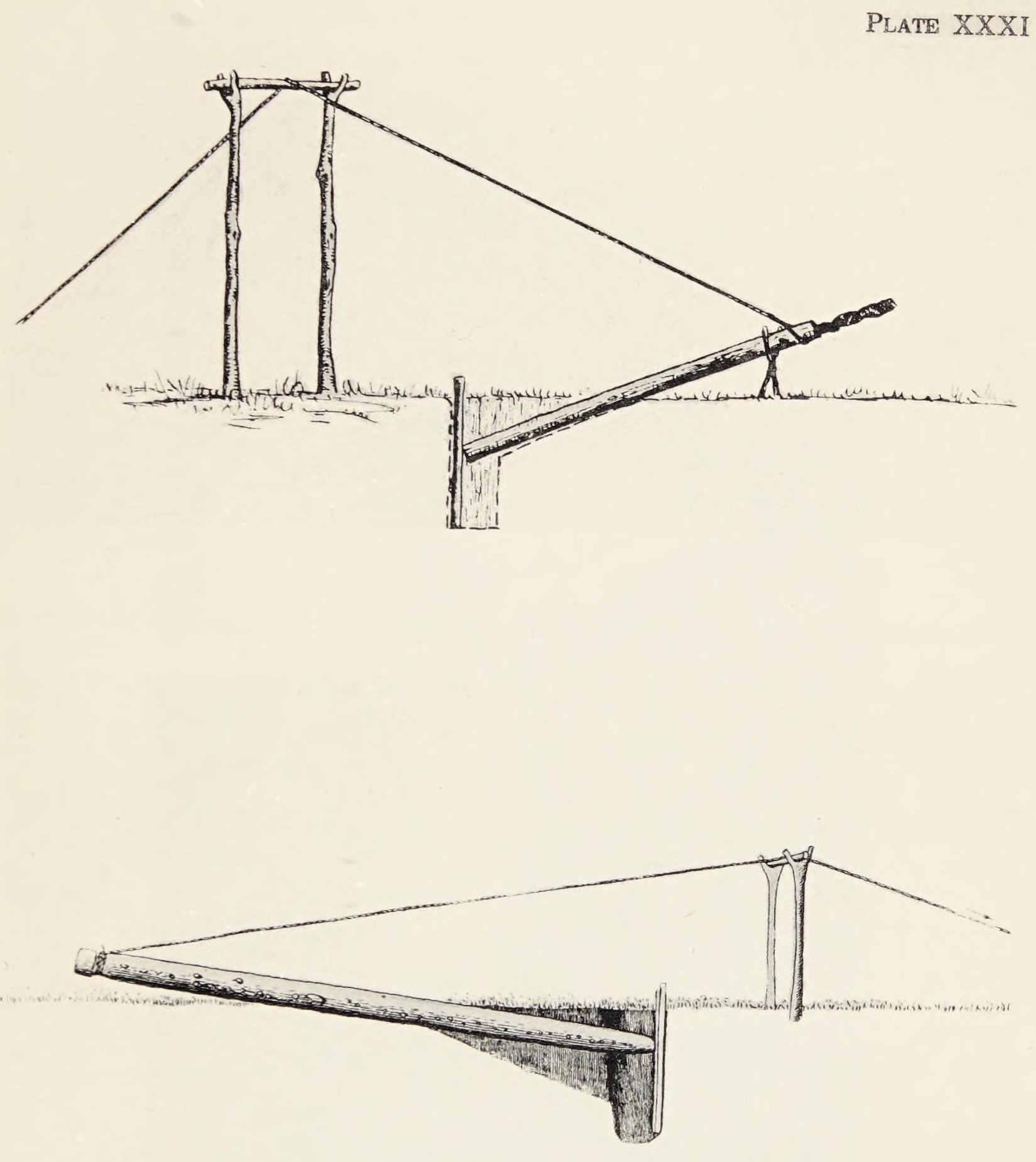


Gitksan Memorial Totem Pole: Red Cedar Carved Under Shelter, Butt Rolled into a Trench, Hauled Up over a Square Frame (Barbeau, 1929)
How the Gitksan of the upper Skeena made a memorial pole, as Marius Barbeau recorded it at Kitwanga: a red cedar 15 to 60 ft long felled and hauled by people of another clan group, carved under shelter with the owners' crests using ax, adze and curved knife, left mostly unpainted, and raised by rolling its butt into a trench to a hole 6 to 8 ft deep and hauling the top up with cedar-bark ropes over a square frame, in jerks, all together.
پیشرفته
Two years or more
دستورالعملها
1
1
His measures
His measures
در حال بارگذاری دفترچهٔ Jupyter…
2
2
Read Barbeau
Read Barbeau
"A hole was first dug in the ground, at least 6 feet deep. The butt was sunk in a trench leading to the hole, and the smaller end was raised gradually on wooden props."
3
3
Fell and haul the cedar
Fell and haul the cedar
Select a red cedar and fell it, then haul the trunk to where the pole will stand, sometimes many miles. Gitksan poles were 15 to 60 ft (4.6-18 m) long. Among the Gitksan this work fell to people of another phratry, fed and paid by the family. The log often lay a year or more before carving.
مواد مورد نیاز این مرحله:
 کندهٔ سدر سرخ1 قطعه
ابزارهای مورد نیاز:
 تبر
 طناب
 تیرک چوبی
4
4
Carve
Carve
Carve under shelter, out of sight, with ax, adze and curved knife (the tools whose arrival, Barbeau says, made tall poles possible). The figures are the owners' own crests, chosen by them. Kitwanga's old poles were left unpainted except for small touches.
ابزارهای مورد نیاز:
تبر تیشه
 کارد قلابدار (برای تراش قاشق)
 چکش چوبی
5
5
Prepare the raising
Prepare the raising
Dig the hole 6 to 8 ft (1.8-2.4 m) deep with a short trench running into it. Put up a square frame (two posts and a crossbar, the 'chevalet') next to the hole. Roll the butt of the pole into the trench and fasten a large rope, of twisted cedar bark in his day, to the smaller end.
مواد مورد نیاز این مرحله:
تیرک چوبی1 قطعهطناب1 قطعهابزارهای مورد نیاز:
 بیلتبر
6
6
Raise the pole
Raise the pole
Throw the rope over the frame. Lift the top a little at a time and set wooden props under it, while many people haul on the rope together in jerks (they called the cadence 'haw, haw, haw'), until the pole stands in the hole. Ours: fill the hole and ram the earth hard round the butt before letting go of the rope.
ابزارهای مورد نیاز:
طنابتیرک چوبیبیل7
7
Troubleshooting
Troubleshooting
Raising troubleshooting.
Flow
Loading...
8
8
History and honest limits
History and honest limits
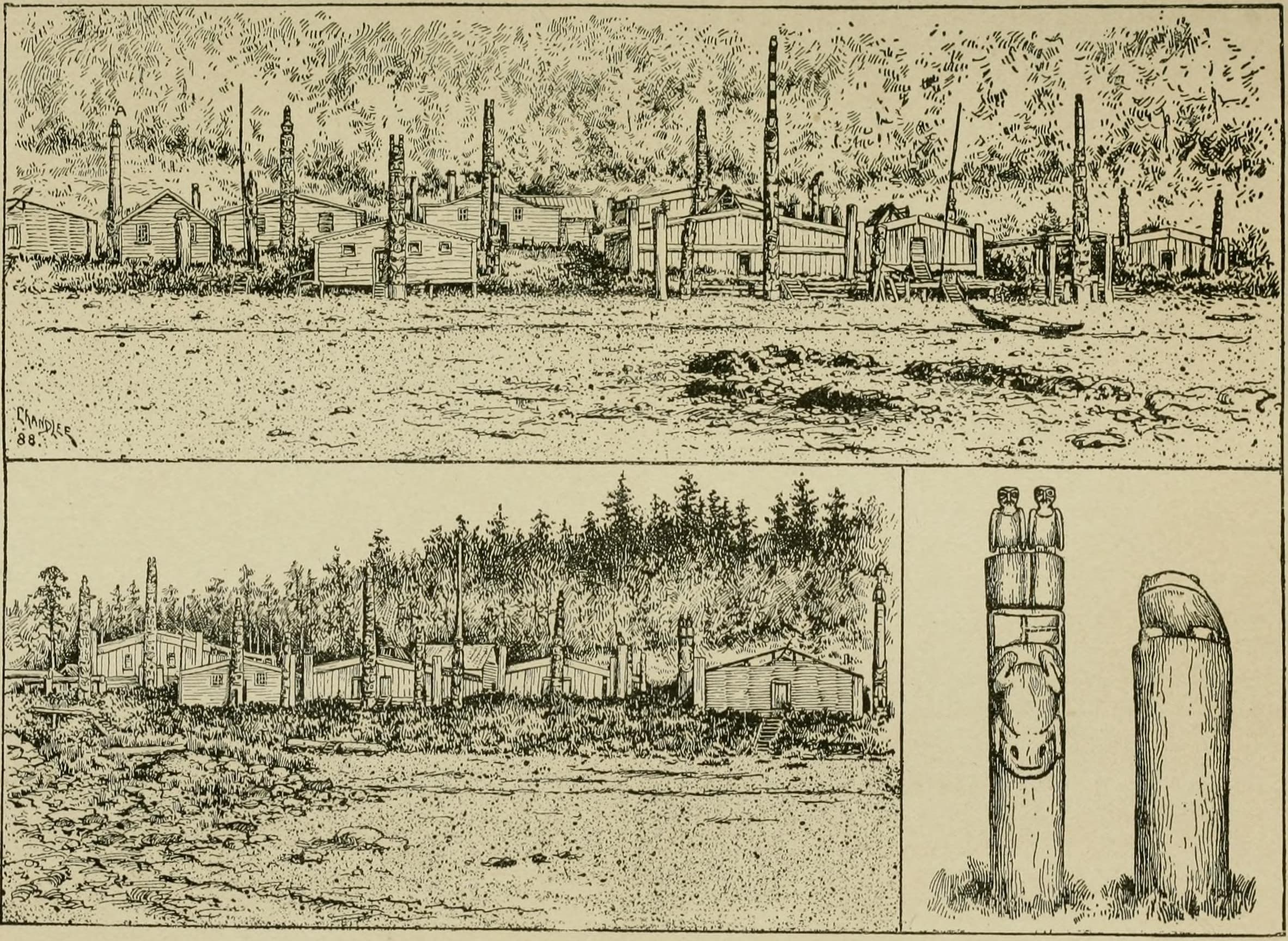
From Marius Barbeau, *Totem Poles of the Gitksan, Upper Skeena River, British Columbia*, **National Museum of Canada Bulletin 61** (1929), pp. 3, 7, 12, 27, 150 and Plate XXXI (checked on the archive.org scan totempolesofgitk0000barb); the raising method comes from chief Hlengwah of Kitwanga. A pole was put up about two years after a chief died, at the feast where his successor took his name, with dirge songs, drumming and gifts; a Making-dry feast followed two years later. The frame's size, filling the hole and metric are ours; the plate's two drawings are unlabelled, and we take the square-frame one as the Skeena method.
این نقشه میسازد
نقشههای مرتبط
این نقشهها دانش مشترکی دارند — تکنیکها، مواد یا اصول
CC0 مالکیت عمومی
این نقشه تحت مجوز CC0 منتشر شده است. شما آزاد هستید آن را کپی، ویرایش، توزیع و برای هر هدفی بدون نیاز به اجازه استفاده کنید.
با خرید محصولات از طریق نقشه از سازنده حمایت کنید و او کمیسیون سازنده تعیین شده توسط فروشندگان، دریافت میکند یا یک نسخه جدید از این نقشه ایجاد کنید و آن را به عنوان اتصال در نقشه خود قرار دهید تا درآمد به اشتراک گذاشته شود.