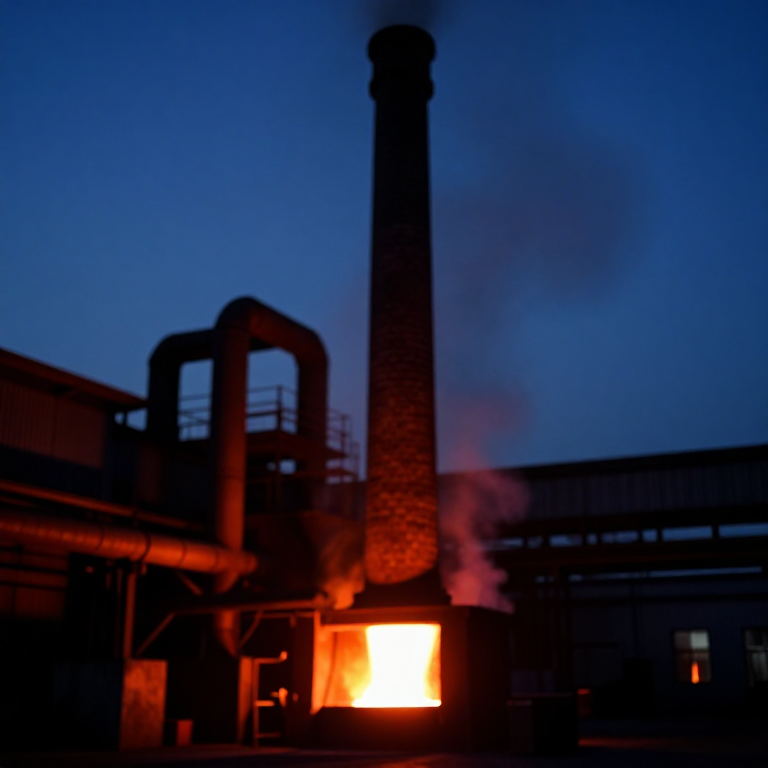


Building a Hot Blast Stove — Preheating the Air That Tripled the Blast Furnace
For centuries ironmasters believed a blast furnace ran best on cold winter air, and blew their furnaces with air at whatever temperature the weather gave. In 1828 the Scottish engineer James Neilson proved the opposite: heating the blast before it entered the furnace slashed the fuel needed and raised the output enormously. The hot blast was one of the great efficiency leaps of the iron age.
The idea seems backwards but the physics is sound. Cold air entering the furnace has to be heated by burning precious fuel before it can do its work; preheating the air outside the furnace, using waste heat that would otherwise escape up the chimney, means far less coke is wasted just warming the blast. Neilson's first stoves cut coke use by a third, and later regenerative stoves did far better still.
A hot blast stove is a chamber of brick or pipe that the blast passes through on its way to the tuyeres, heated by the furnace's own escaping gases. Bolted onto the pig-iron blast furnace, it made iron dramatically cheaper — and cheap iron was the lifeblood of the Industrial Revolution.
دستورالعملها
Understand the hot blast
Understand the hot blast
Tap the furnace waste gas
Tap the furnace waste gas
ابزارهای مورد نیاز:
 کانالهای هوا
Build the stove chamber
Build the stove chamber
مواد مورد نیاز این مرحله:
 آجر نسوز200 قطعه
ابزارهای مورد نیاز:
 بیلچهٔ دستی
Heat the stove
Heat the stove
مواد مورد نیاز این مرحله:
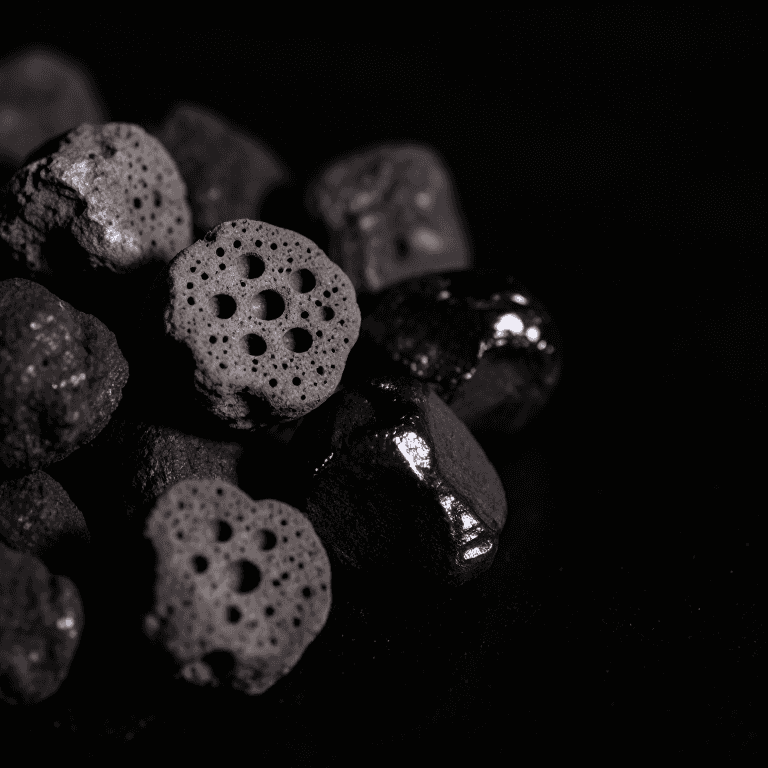
 کک متالورژی20 کیلوگرم
Pass the blast through
Pass the blast through
ابزارهای مورد نیاز:
 دمندهٔ هوا
Alternate the regenerator stoves
Alternate the regenerator stoves
Insulate the hot main
Insulate the hot main
مواد مورد نیاز این مرحله:
 سیمان نسوز15 کیلوگرم
Deliver the hot blast
Deliver the hot blast
ابزارهای مورد نیاز:
 میلهٔ تخلیهٔ کوره
Control the temperature
Control the temperature
ابزارهای مورد نیاز:
 پیرومتر
Measure the saving
Measure the saving
Mind the hazards
Mind the hazards
See the impact
See the impact
مواد
3- 200 قطعهجایگزین
- 20 کیلوگرمجایگزین
- 15 کیلوگرمجایگزین
ابزارهای لازم
5- جایگزین
- جایگزین
- جایگزین
- جایگزین
- جایگزین
مواد نقشههای متصل

نقشههای مرتبط
این نقشهها دانش مشترکی دارند — تکنیکها، مواد یا اصول
CC0 مالکیت عمومی
این نقشه تحت مجوز CC0 منتشر شده است. شما آزاد هستید آن را کپی، ویرایش، توزیع و برای هر هدفی بدون نیاز به اجازه استفاده کنید.
با خرید محصولات از طریق نقشه از سازنده حمایت کنید و او کمیسیون سازنده تعیین شده توسط فروشندگان، دریافت میکند یا یک نسخه جدید از این نقشه ایجاد کنید و آن را به عنوان اتصال در نقشه خود قرار دهید تا درآمد به اشتراک گذاشته شود.