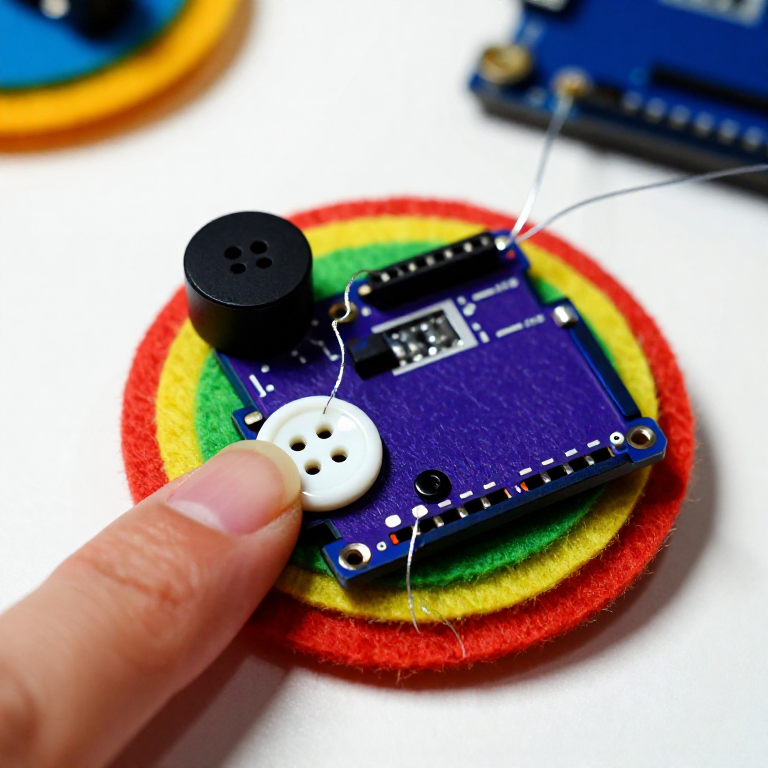


Making a LilyPad Musical Patch
Sew a patch that plays a tune. A LilyPad buzzer and a button let the microcontroller sing a short melody whenever you press it — a musical badge, a fabric greeting card, or a costume piece. This project introduces the buzzer and the Arduino tone() function that turns pin signals into notes.
دستورالعملها
Sew the board, buzzer and button
Sew the board, buzzer and button
Sew a LilyPad Arduino, a LilyPad buzzer and a LilyPad button onto felt. Wire it: the buzzer's + tab to pin 9 and its - tab to -; the button's tabs to analog pin A2 and to -. Keep the lines from crossing.
مواد مورد نیاز این مرحله:
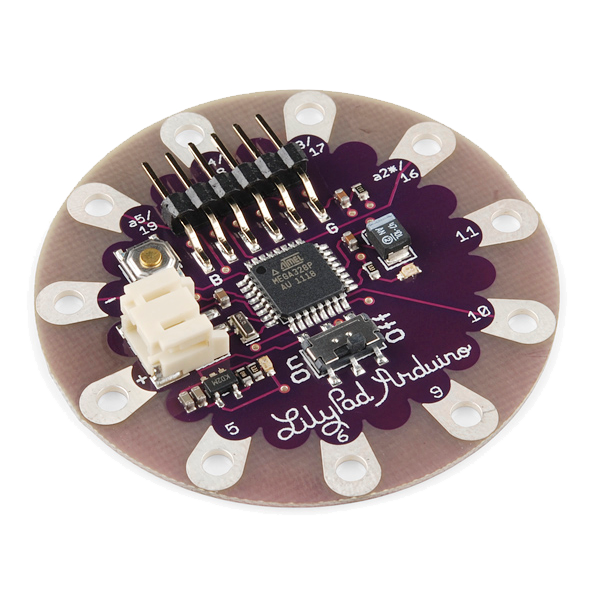 LilyPad Arduino Simple Board1 قطعه
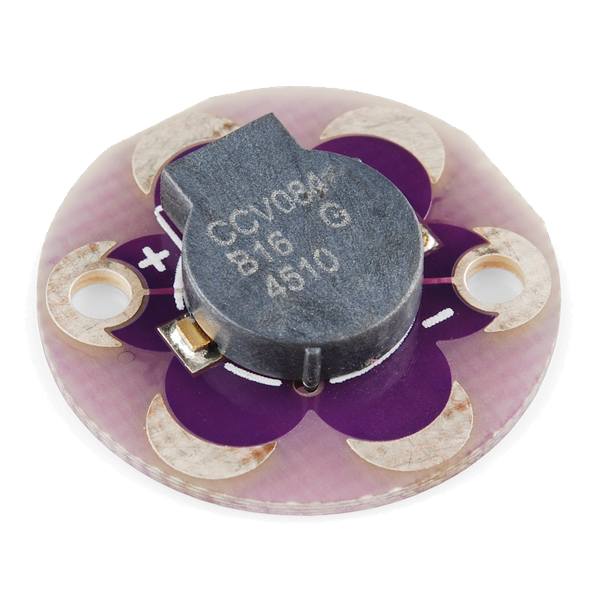 LilyPad Buzzer1 قطعه
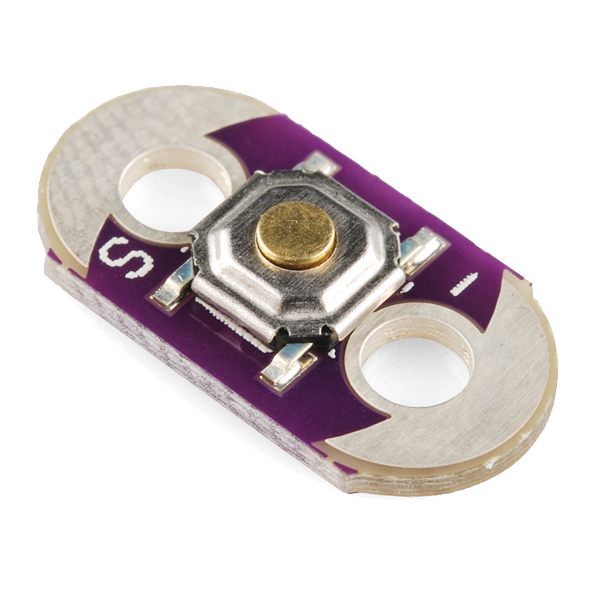 LilyPad Button Board1 قطعه
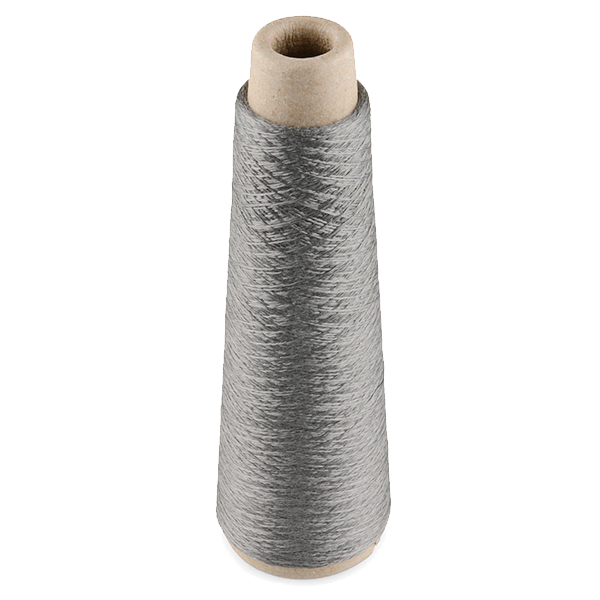 Conductive Thread - 60g (Stainless Steel)1 قرقره
 سوزنهای خیاطی دستی1 بسته
 ورق نمد پشمی1 ورق
Connect the programmer
Connect the programmer
Plug the LilyPad FTDI onto the programming header and connect the USB cable. Open the Arduino IDE and select the LilyPad Arduino board and its serial port.
مواد مورد نیاز این مرحله:
 LilyPad FTDI Basic Breakout - 5V1 قطعه
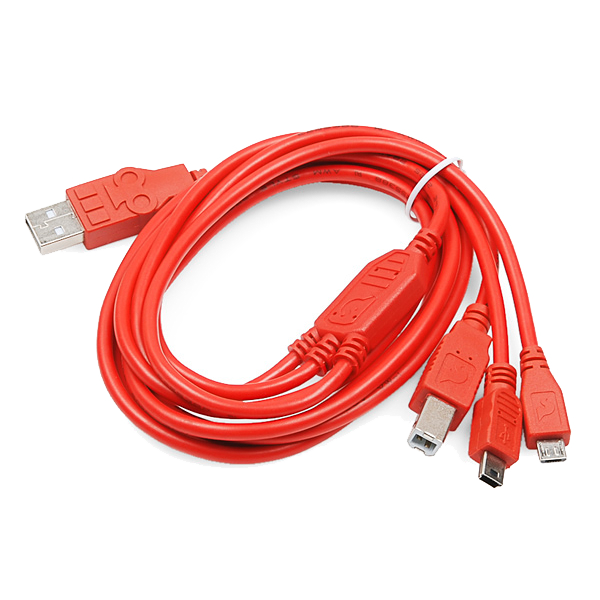 SparkFun Cerberus USB Cable - 1.8 meter1 قطعه
ابزارهای مورد نیاز:
 رایانه با Arduino IDE
Upload the melody sketch
Upload the melody sketch
Paste this sketch and upload. Pressing the button plays a short rising scale on the buzzer.
Press to play, then compose
Press to play, then compose
Press the button — you should hear the five notes. Change the tune by editing the melody[] frequencies (higher number = higher note) and the durations[] in milliseconds, then re-upload. Add more notes to both arrays to make a longer song.
Go wireless and wear it
Go wireless and wear it
Unplug the FTDI, sew a LilyPad coin-cell holder to the board (+ to +, - to -), drop in a CR2032 and switch on. Sew the felt onto a badge or card — press it to play your tune anywhere.
مواد مورد نیاز این مرحله:
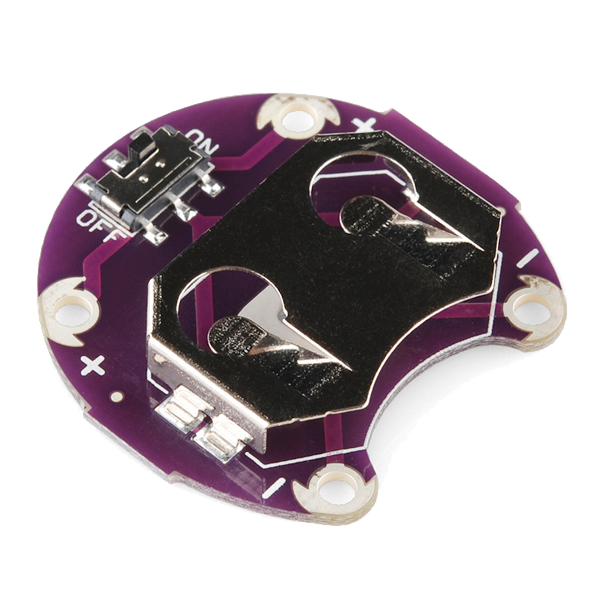 LilyPad Coin Cell Battery Holder - w/Switch - 20mm1 قطعه
 باتری سکهای CR20321 قطعه
مواد
10- LilyPad Arduino Simple Board10% کمیسیون1 قطعه$19.43
- LilyPad Buzzer10% کمیسیون1 قطعه$7.55
- LilyPad Button Board10% کمیسیون1 قطعه$2.21
- Conductive Thread - 60g (Stainless Steel)10% کمیسیون1 قرقره$39.78
- 1 بستهجایگزین
- 1 ورقجایگزین
- LilyPad FTDI Basic Breakout - 5V10% کمیسیون1 قطعه$14.25
- SparkFun Cerberus USB Cable - 1.8 meter10% کمیسیون1 قطعه$5.69
- 1 قطعه$5.01
- 1 قطعهجایگزین
ابزارهای لازم
2- جایگزین
- جایگزین
نقشههای مرتبط
این نقشهها دانش مشترکی دارند — تکنیکها، مواد یا اصول
CC0 مالکیت عمومی
این نقشه تحت مجوز CC0 منتشر شده است. شما آزاد هستید آن را کپی، ویرایش، توزیع و برای هر هدفی بدون نیاز به اجازه استفاده کنید.
با خرید محصولات از طریق نقشه از سازنده حمایت کنید و او کمیسیون سازنده تعیین شده توسط فروشندگان، دریافت میکند یا یک نسخه جدید از این نقشه ایجاد کنید و آن را به عنوان اتصال در نقشه خود قرار دهید تا درآمد به اشتراک گذاشته شود.