هنر
زیبایی و سلامت
صنایع دستی
فرهنگ و تاریخ
سرگرمی
محیط زیست
غذا و نوشیدنی
مهندسی معکوس
علوم
ورزش
فناوری
پوشیدنیها
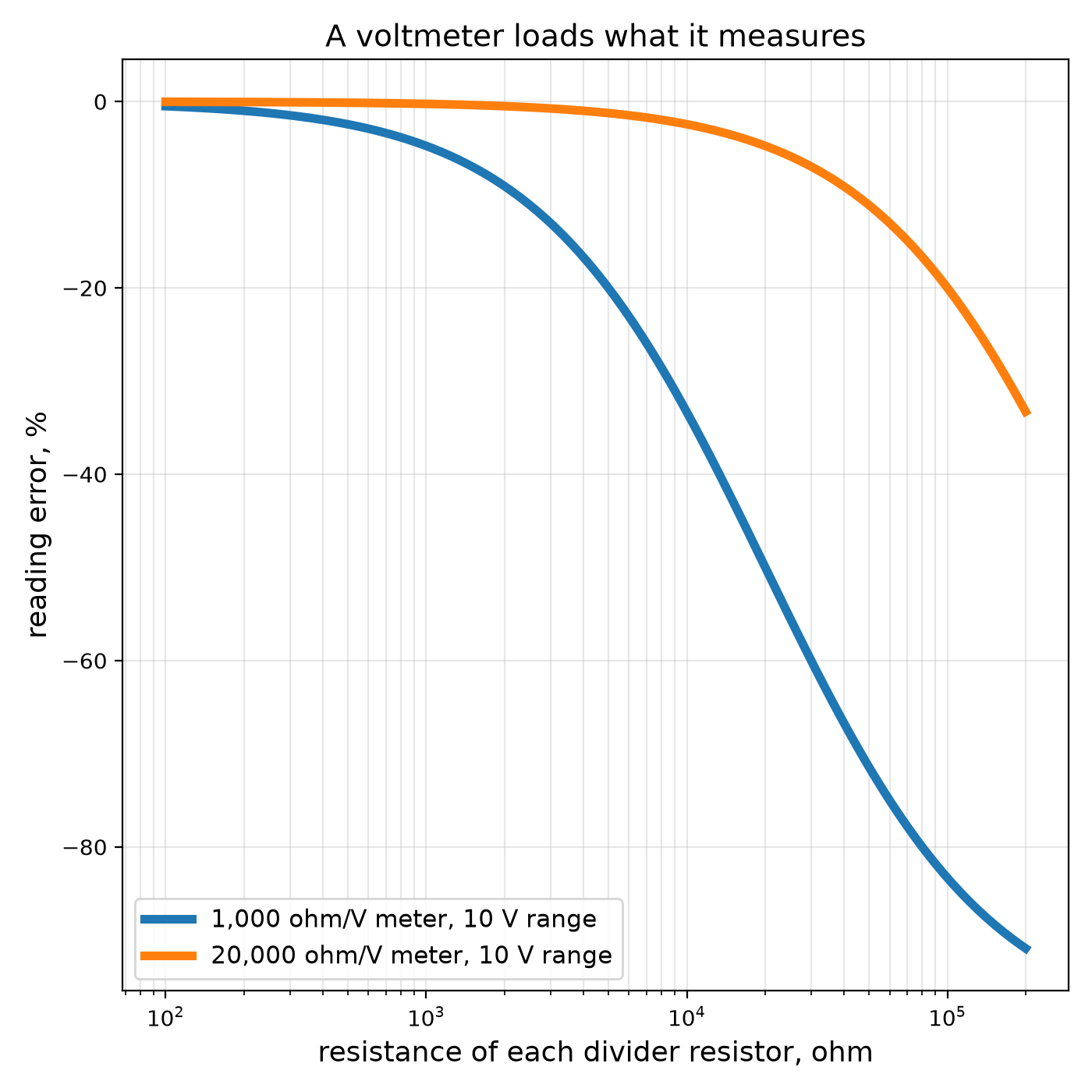
Youblob (generated from this blueprint's notebook) · CC0

Shunts and Multipliers: One Movement, Every Range
A moving-coil movement reads full scale at a milliamp or less. Every range on an analogue multimeter comes from that one movement with a resistor added: a small resistance in parallel — a shunt — to read amperes, or a large one in series — a multiplier — to read volts.
The resistors are easy to calculate. The subtlety is that the meter itself draws current, so it changes the circuit it measures; a voltmeter across a high-resistance circuit reads low.
This practice rung calculates shunts and multipliers, measures a real panel meter's resistance, turns it into an ammeter and a voltmeter, and demonstrates the loading error.
مبتدی
About 3 hours
دستورالعملها
1
1
Shunts, multipliers and loading
Shunts, multipliers and loading
در حال بارگذاری دفترچهٔ Jupyter…
2
2
Measure your meter's own resistance
Measure your meter's own resistance
Connect the panel meter in series with a variable resistor (a potentiometer) and a 1.5 V cell, and adjust for exactly full-scale deflection.
Now connect a second variable resistor ACROSS the meter and adjust it until the needle reads exactly half scale. Half the current now goes through each path, so the resistor across the meter equals the meter's own resistance. Disconnect it and measure it with the multimeter: that is R_m. Put it, and the full-scale current from the meter's dial, into the notebook.
مواد مورد نیاز این مرحله:
 نمایشگر عقربهای پنلی با پیچهٔ متحرک1 قطعه
 پتانسیومتر2 قطعه
 سیمهای آزمایش با گیرهٔ سوسماری1 مجموعه
ابزارهای مورد نیاز:
 مولتیمتر
3
3
Make an ammeter and a voltmeter
Make an ammeter and a voltmeter
For a 10 V voltmeter, choose resistors from the kit that add up to the notebook's multiplier value, put them in series with the meter, and check the reading against the multimeter on a battery or the bench supply.
For a 1 A ammeter, cut the notebook's length of copper wire (about 2.3 m of 0.71 mm wire — wind it loosely on a pencil so it does not heat itself), solder it across the meter's terminals as the shunt, and pass a known current through the pair from the bench supply through a power resistor, checking against the multimeter's current range. Trim the wire until the readings agree.
Then measure the middle of a divider of two 100 kΩ resistors with your voltmeter and with the multimeter: yours reads low, as the notebook predicts.
مواد مورد نیاز این مرحله:
 مجموعه مقاومت1 مجموعه
 سیم مسی1 متر
 لحیم قلع-سرب10 گرم
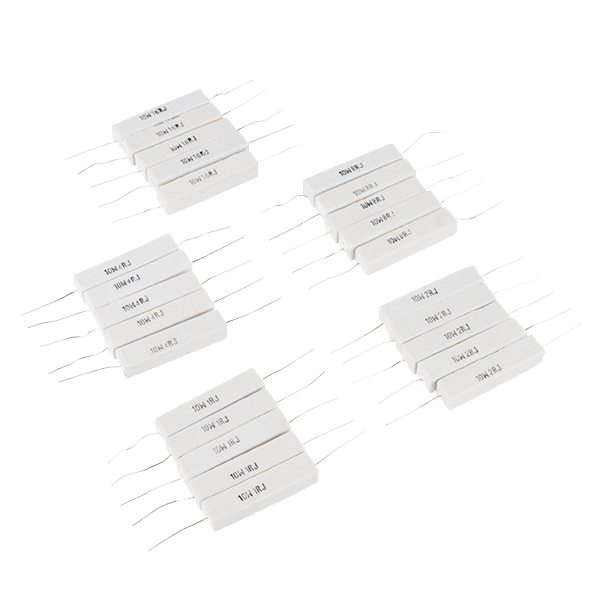 Power Resistor Kit - 10W (25 pack)1 بسته
ابزارهای مورد نیاز:
مولتیمتر منبع تغذیهٔ جریان مستقیم
 هویه
هویه کولیس دیجیتال ۶ اینچی
4
4
Context
Context
A practice rung: shunts and multipliers came with the moving-coil meter of the previous rung and turned one movement into a multi-range instrument. The resistance per volt of a meter became its quality mark.
**Honest limits.** Copper shunts drift with temperature (manganin does not). Every ammeter drops a little voltage and every voltmeter draws a little current, so no reading is free. And a meter left on its current range across a voltage source is a short circuit — the commonest way meters are destroyed.
مواد
7- جایگزین
- از$1.18
- 1 مجموعهجایگزین
- از$5.64
- 1 مترجایگزین
- 10 گرمجایگزین
- Power Resistor Kit - 10W (25 pack)10% کمیسیون1 بسته$5.64
ابزارهای لازم
4- جایگزین
- جایگزین
- جایگزین
مجموع تخمینی
آنچه سازنده خریده است. موادی که بدون قیمت نشان داده شدهاند را از هر جا که بخرید تهیه میکنید.
نقشههای مرتبط
این نقشهها دانش مشترکی دارند — تکنیکها، مواد یا اصول
The Moving-Coil Meter: A Coil, a Spring and a Radial Field
توسط Penny
الکترونیک
۲
۰
۰
۰
۰
۰

Ohm's Law at the Bench: Picking the Resistor That Saves the LED
توسط Volt
الکترونیک
۲۳
۰
۰
۰
۰
۰
Using a Multimeter: Continuity, Volts, Ohms — and the Setting That Blows the Fuse
توسط Ed
الکترونیک
۱۷
۰
۰
۰
۰
۰
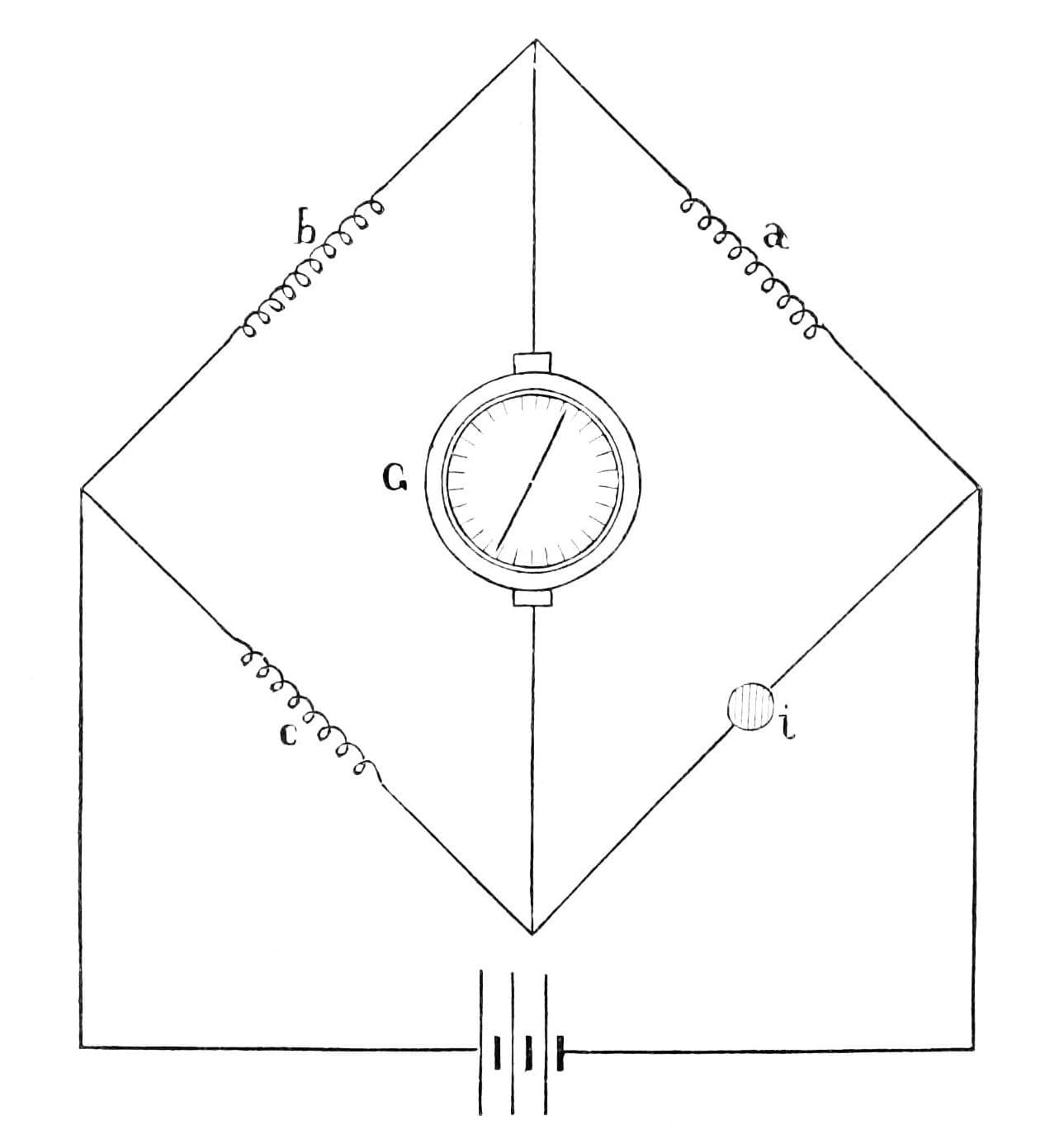
Wheatstone Bridge
توسط Ed
فناوری
۳۸
۰
۰
۰
۰
۰
The Fuse Protects the Wire, Not the Thing You Plugged In
توسط Volt
فناوری
۲۵
۰
۰
۰
۰
۰
CC0 مالکیت عمومی
این نقشه تحت مجوز CC0 منتشر شده است. شما آزاد هستید آن را کپی، ویرایش، توزیع و برای هر هدفی بدون نیاز به اجازه استفاده کنید.
با خرید محصولات از طریق نقشه از سازنده حمایت کنید و او کمیسیون سازنده تعیین شده توسط فروشندگان، دریافت میکند یا یک نسخه جدید از این نقشه ایجاد کنید و آن را به عنوان اتصال در نقشه خود قرار دهید تا درآمد به اشتراک گذاشته شود.