هنر
زیبایی و سلامت
صنایع دستی
فرهنگ و تاریخ
سرگرمی
محیط زیست
غذا و نوشیدنی
مهندسی معکوس
علوم
ورزش
فناوری
پوشیدنیها

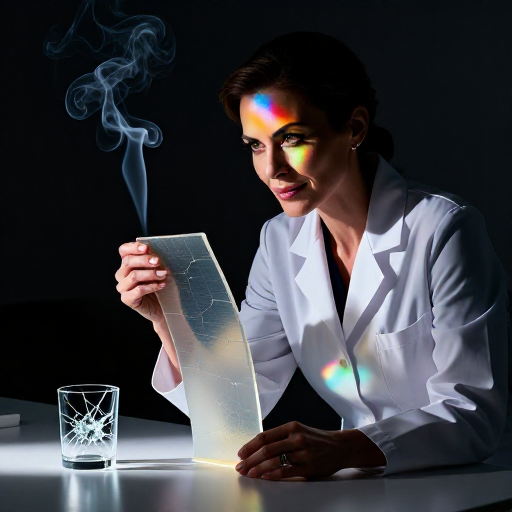

Stain: Colour Goes In Unevenly Unless You Make It Behave
Stain is the step most likely to ruin a piece, because it is the one that cannot be undone. A finish can be stripped; colour that has soaked into the fibres has to be sanded out, and on a shaped surface that means losing the shape.
The problem is that wood does not take colour evenly. Soft early-growth absorbs far more than dense late-growth, end grain drinks it, and some timbers — pine, cherry, birch, maple — blotch dramatically and unpredictably.
All of which is manageable, and none of it is discovered in time unless you test on an offcut of the same board first.
متوسط
3 hours
دستورالعملها
1
1
Dye or pigment: two different things in the same tin
Dye or pigment: two different things in the same tin
A DYE dissolves completely and colours the fibres themselves. The colour is transparent, the figure of the wood shows through beautifully, and it fades in sunlight faster.
A PIGMENT is solid particles suspended in a binder. They cannot enter the fibres, so they lodge in the pores and in any scratch — which is why pigment stain makes open-grained timber like oak look dramatic, and why it drags cross-grain sanding scratches out into dark lines.
Many commercial stains are both. The practical consequence: pigment settles, so a tin that has not been stirred properly gives a different colour from the top than from the bottom. Stir thoroughly, and stir again during the job.
مواد مورد نیاز این مرحله:
 رنگ چوب پایه روغنی1 قطعه
 رنگ چوب پایه آبی1 قطعه
 تختهٔ چوب سخت2 قطعه
ابزارهای مورد نیاز:
 پارچهٔ پنبهای
 دستکش نیتریل
 ذرهبین جواهرسازی
2
2
Blotching, and the conditioner that prevents it
Blotching, and the conditioner that prevents it
On pine, cherry, birch and maple, stain goes on in patches — dark where the wood is soft and porous, light where it is dense. That is BLOTCHING, and it is a property of the timber rather than a mistake in application.
The fix is to partly seal the surface first so everywhere absorbs about the same amount. A thin coat of dewaxed shellac (a 1-pound cut) is the most controllable conditioner, and a commercial pre-stain conditioner does the same job.
Sealing reduces how much colour is taken overall, so the result is lighter. That is the trade, and it is why the sample board matters: you are choosing between even-and-lighter and blotchy-and-darker, and you want to see both before deciding.
مواد مورد نیاز این مرحله:
 شلاک1 قطعه
 الکل دناتوره1 قطعه
 تختهٔ چوب نرم خشک2 قطعه
ابزارهای مورد نیاز:
 قلمموی اسفنجیپارچهٔ پنبهایدستکش نیتریل
3
3
Flood, wait, wipe — and wipe it ALL off
Flood, wait, wipe — and wipe it ALL off
Apply generously, leave it the stated time, then wipe the surface dry. Depth of colour is controlled by how long you leave it before wiping, not by how much you leave on.
Stain left lying on the surface never dries properly and stops the finish above it from bonding. That is the classic failure: a surface that stays tacky for weeks, or a varnish that peels off in a sheet months later carrying the colour with it.
Work in manageable areas and keep a wet edge. A stain that dries where two applications overlap leaves a dark lap mark, and on a large tabletop that is the most likely way to spoil it.
مواد مورد نیاز این مرحله:
رنگ چوب پایه روغنی1 قطعهتختهٔ چوب سخت1 قطعهابزارهای مورد نیاز:
پارچهٔ پنبهایدستکش نیتریل قلمموی پهن
4
4
Colour in the finish, not in the wood
Colour in the finish, not in the wood
There is a safer way to get colour: add it to a coat of finish rather than putting it into the wood. A TONER — dye mixed into shellac or varnish — sits between coats where it can be adjusted, and if it is wrong it comes off with the coat.
That converts an irreversible decision into a reversible one, which is why it is standard practice in furniture work. It also lets you sneak up on a colour across several thin coats rather than committing in one.
Seal the bare wood first, then tone, then finish over the top. Keep a note of the recipe — proportions, number of coats — because an unrecorded toner is impossible to reproduce when you come to make the matching piece.
مواد مورد نیاز این مرحله:
شلاک1 قطعهرنگ چوب پایه آبی1 قطعهابزارهای مورد نیاز:
قلمموی اسفنجیدستکش نیتریلمواد
6- رنگ چوب پایه روغنی10% کمیسیون2 قطعهجایگزین
- رنگ چوب پایه آبی10% کمیسیون2 قطعهجایگزین
- 2 قطعهجایگزین
- 2 قطعهجایگزین
- 1 قطعهجایگزین
- 2 قطعهجایگزین
نقشههای مرتبط
این نقشهها دانش مشترکی دارند — تکنیکها، مواد یا اصول


CC0 مالکیت عمومی
این نقشه تحت مجوز CC0 منتشر شده است. شما آزاد هستید آن را کپی، ویرایش، توزیع و برای هر هدفی بدون نیاز به اجازه استفاده کنید.
با خرید محصولات از طریق نقشه از سازنده حمایت کنید و او کمیسیون سازنده تعیین شده توسط فروشندگان، دریافت میکند یا یک نسخه جدید از این نقشه ایجاد کنید و آن را به عنوان اتصال در نقشه خود قرار دهید تا درآمد به اشتراک گذاشته شود.