LIST
FEGURÐ OG VELLÍÐAN
HANDVERK
MENNING OG SAGA
SKEMMTUN
UMHVERFI
MATUR OG DRYKKUR
ÖFUGVERKFRÆÐI
VÍSINDI
ÍÞRÓTTIR
TÆKNI
KLÆÐANLEG TÆKNI
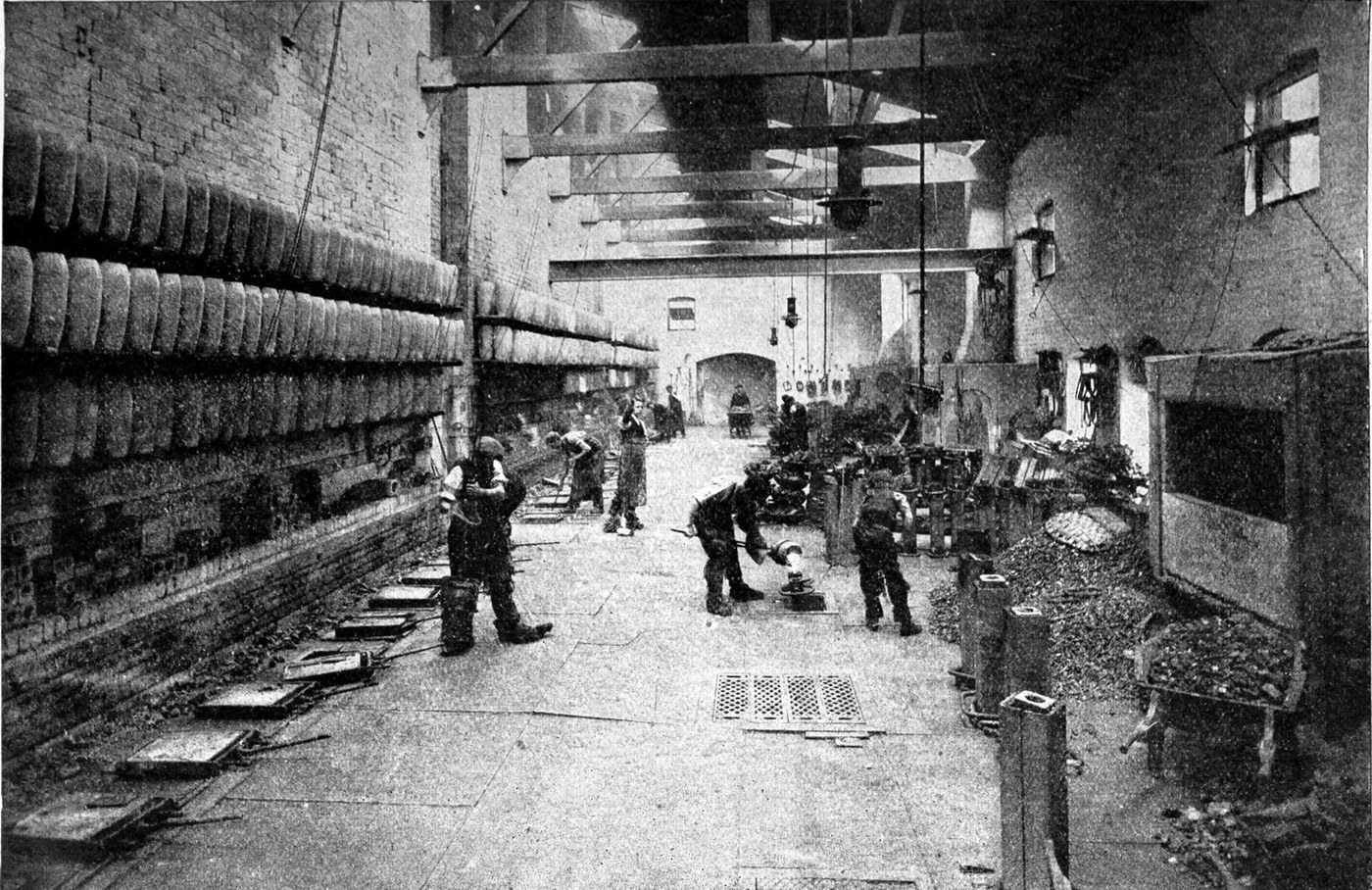


High-Speed Steel, Charge 1: Crucible-Melted Tungsten-Chrome-Molybdenum Steel (Carnegie & Gladwyn 1918)
High-speed steel holds its edge when it is cutting hot. In Sheffield it was made like other crucible tool steel: the best Swedish bar iron melted in small clay pots in a coke fire, with tungsten, chromium and molybdenum added to the liquid iron. This is the first of three typical charges given by Carnegie and Gladwyn: 82 lb iron, 13 lb tungsten powder, 5 lb ferro-chrome and 4 lb ferro-molybdenum for 100 lb of steel.
Source: D. Carnegie and S. C. Gladwyn, Liquid Steel (1918), pp. 74-77, 106-107 and 113. Unknown: how the Swedish iron, the tungsten powder and the ferro-molybdenum are made; the melting time; and how the ingot is worked into bar. The book stops at the liquid steel, so these are linked to unknown heads. Picture: the book's Fig. 29, crucible furnaces at Samuel Osborn & Co., Sheffield.
Sérfræðingur
1 day
Leiðbeiningar
1
1
Weigh charge 1
Weigh charge 1
For 100 lb of steel: 82 lb best Swedish bar iron, cut up; 13 lb tungsten powder (96 to 98 % tungsten); 5 lb ferro-chrome (60 % chromium); 4 lb ferro-molybdenum (80 % molybdenum). Unknown: how the Swedish iron, tungsten powder and ferro-molybdenum are made. The book only lists them.
Efni fyrir þetta skref:
 Sænskt stangajárn82 pund
 Wolframduft13 pund
 Járnkróm5 pund
 Járnmólýbden4 pund
Nauðsynleg verkfæri:
 Skálavog
2
2
Set two clay crucibles in the melting hole
Set two clay crucibles in the melting hole
Tool steels are melted in small crucibles, about 55 lb each, two to a hole in a Huntsman coke furnace (ours: the 100 lb charge split between the two). Stand them on fireclay stands on the fire bars, straight from the annealing furnace, and fill the hole with coke up to their tops. Use the best washed coke, as free from sulphur as possible: sulphur gets into the steel even through the lid. When the pots are white hot, throw in a little sand to fuse them onto their stands.
Nauðsynleg verkfæri:
 Deigluofn
 Deigla úr eldföstum leir
 Málmvinnslukox
 Sandur
 Deiglutöng
3
3
Melt the iron, then add the alloys
Melt the iron, then add the alloys
Charge the cut iron, put on the clay lids, fill the hole with coke and close the cover. Renew the fire as it burns through. Add the tungsten powder and ferro-alloys to the liquid iron and melt them in. Unknown: the melting time and temperature for this charge. The book says only that tool steel takes longer than ordinary steel. About 3½ tons of coke go to each ton of high-speed steel.
Nauðsynleg verkfæri:
DeigluofnMálmvinnslukoxDeiglutöng4
4
Pull out, skim and teem
Pull out, skim and teem
Lift each pot out with the pulling-out tongs (arms and legs covered with wet sacking), take off the lid and skim the slag with a mop, then pour the steel into ingot moulds. Unknown: the ingot size. A clay crucible lasts about 3 heats.
Nauðsynleg verkfæri:
Deiglutöng Stangamót
 Hitaþolnir hanskar
5
5
Work the ingot into round bar
Work the ingot into round bar
Unknown: how the ingot is heated, hammered or rolled, and annealed into round bar. Carnegie and Gladwyn stop at the liquid steel, so this step is linked to an unknown head until a source gives it.
Nauðsynleg verkfæri:
 Óþekkt smíðaferli
Efni
4- 82 pundStaðgengill
- 13 pundStaðgengill
- 5 pundStaðgengill
- 4 pundStaðgengill
Þessi teikning býr til

Tengd Blueprint
Þessi blueprint deila þekkingu — tækni, efni eða meginreglur


CC0 opinbert ríki
Þessi teikning er gefin út undir CC0. Þér er frjálst að afrita, breyta, dreifa og nota þetta verk í hvaða tilgangi sem er, án þess að biðja um leyfi.
Studdu smiðinn með því að kaupa vörur í gegnum teikningu hans þar sem hann fær þóknun smiða sem seljendur ákvarða, eða búðu til nýja endurskoðun á þessari teikningu og tengdu hana sem tengingu í þinni eigin teikningu til að deila tekjum.