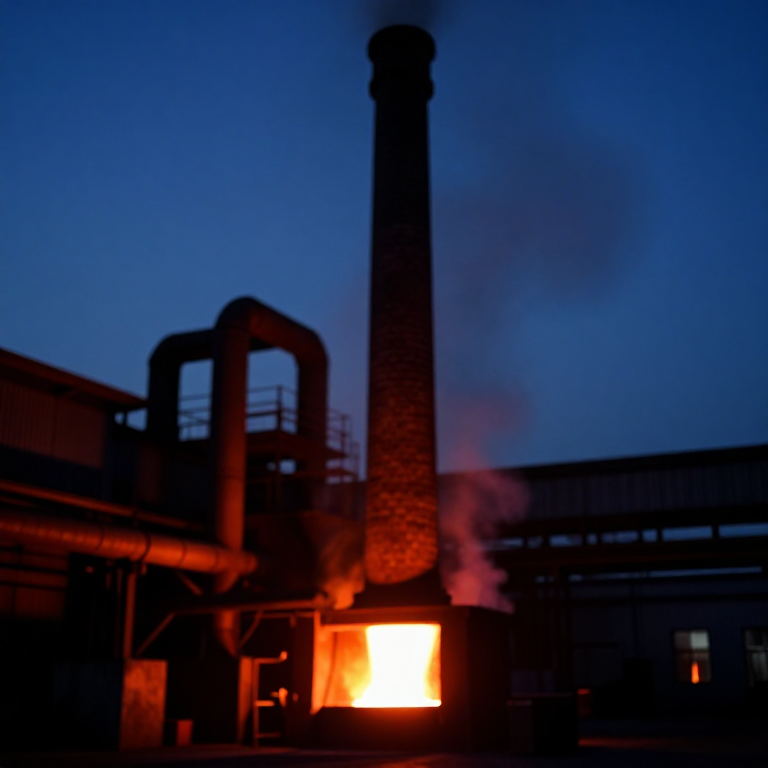


Building a Hot Blast Stove — Preheating the Air That Tripled the Blast Furnace
For centuries ironmasters believed a blast furnace ran best on cold winter air, and blew their furnaces with air at whatever temperature the weather gave. In 1828 the Scottish engineer James Neilson proved the opposite: heating the blast before it entered the furnace slashed the fuel needed and raised the output enormously. The hot blast was one of the great efficiency leaps of the iron age.
The idea seems backwards but the physics is sound. Cold air entering the furnace has to be heated by burning precious fuel before it can do its work; preheating the air outside the furnace, using waste heat that would otherwise escape up the chimney, means far less coke is wasted just warming the blast. Neilson's first stoves cut coke use by a third, and later regenerative stoves did far better still.
A hot blast stove is a chamber of brick or pipe that the blast passes through on its way to the tuyeres, heated by the furnace's own escaping gases. Bolted onto the pig-iron blast furnace, it made iron dramatically cheaper — and cheap iron was the lifeblood of the Industrial Revolution.
Leiðbeiningar
Understand the hot blast
Understand the hot blast
Tap the furnace waste gas
Tap the furnace waste gas
Nauðsynleg verkfæri:
 Loftstokkar
Build the stove chamber
Build the stove chamber
Efni fyrir þetta skref:
 Eldfastur steinn200 stykki
Nauðsynleg verkfæri:
 Handskófla
Heat the stove
Heat the stove
Efni fyrir þetta skref:
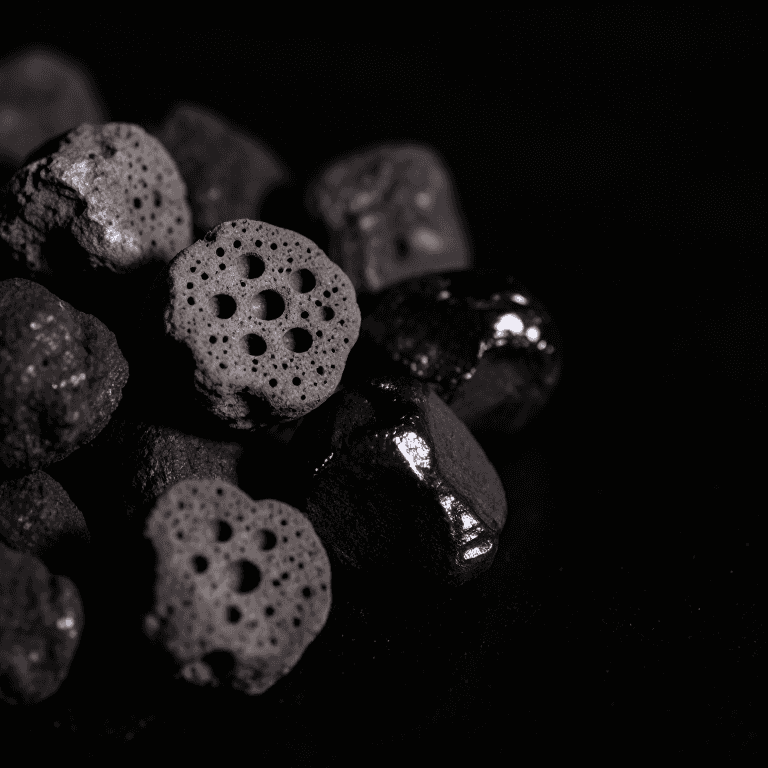
 Málmvinnslukox20 kg
Pass the blast through
Pass the blast through
Nauðsynleg verkfæri:
 Loftblásari
Alternate the regenerator stoves
Alternate the regenerator stoves
Insulate the hot main
Insulate the hot main
Efni fyrir þetta skref:
 Eldfast sement15 kg
Deliver the hot blast
Deliver the hot blast
Nauðsynleg verkfæri:
 Tappastöng
Control the temperature
Control the temperature
Nauðsynleg verkfæri:
 Hitageislamælir
Measure the saving
Measure the saving
Mind the hazards
Mind the hazards
See the impact
See the impact
Efni
3- 200 stykkiStaðgengill
- 20 kgStaðgengill
- 15 kgStaðgengill
Nauðsynleg verkfæri
5- Staðgengill
- Staðgengill
- Staðgengill
- Staðgengill
- Staðgengill
Efni úr tengdum teikningum

Þessi teikning býr til
Tengd Blueprint
Þessi blueprint deila þekkingu — tækni, efni eða meginreglur
CC0 opinbert ríki
Þessi teikning er gefin út undir CC0. Þér er frjálst að afrita, breyta, dreifa og nota þetta verk í hvaða tilgangi sem er, án þess að biðja um leyfi.
Studdu smiðinn með því að kaupa vörur í gegnum teikningu hans þar sem hann fær þóknun smiða sem seljendur ákvarða, eða búðu til nýja endurskoðun á þessari teikningu og tengdu hana sem tengingu í þinni eigin teikningu til að deila tekjum.