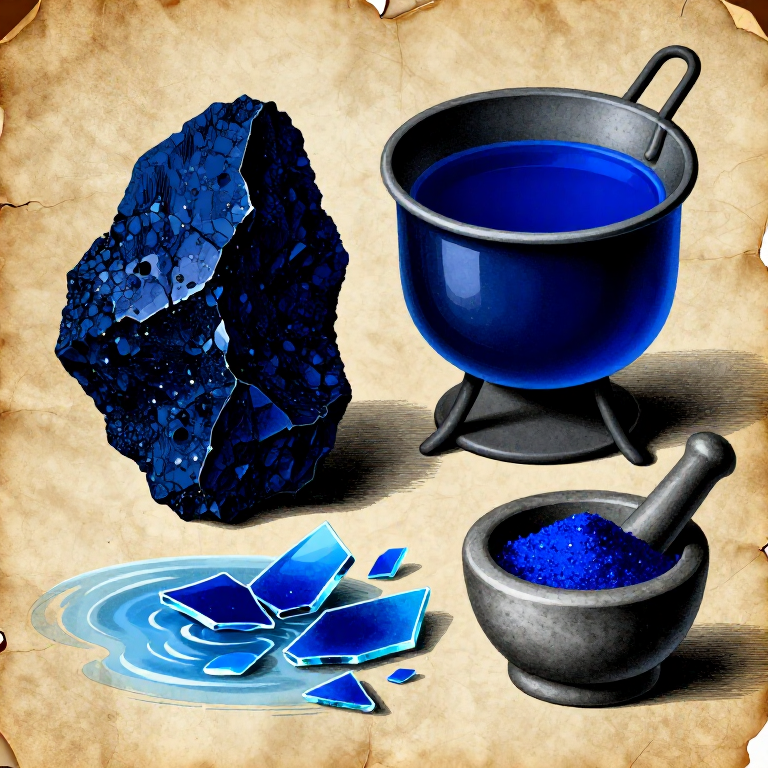

Making Smalt — Grinding Cobalt Blue Glass into the Renaissance Painter's Blue Pigment
Smalt is a pigment made by grinding cobalt-coloured glass into a powder. It was the principal blue pigment available to European painters from the 15th through the 18th century — cheaper than ultramarine (from lapis lazuli) and more abundant than azurite. The production of smalt began in earnest in the glass-making centres of Saxony and Bohemia in the 15th century, where cobalt ores (cobaltite, CoAsS, and smaltite, CoAs₂) were mined from silver-bearing veins in the Erzgebirge mountains.
The process has two stages: first, cobalt ore is roasted to produce cobalt oxide (CoO), which is then fused with potash (potassium carbonate, K₂CO₃) and quartz sand (SiO₂) at 1100-1300°C to make a deep blue potash glass. The glass is quenched in cold water to shatter it, then ground to a powder. Cobalt is one of the most powerful glass-colouring agents known — as little as 0.1% CoO produces a visible blue tint, and 2-5% produces the intense blue used for smalt pigment.
Smalt has a critical and unusual relationship with particle size: coarse-ground smalt is a vivid, deep blue; fine-ground smalt is a pale, washed-out greyish-blue. This is because the blue colour exists within the glass matrix — finer particles have less glass thickness for light to interact with, so less blue is perceived. For this reason, smalt was always ground relatively coarsely for use as a pigment, and it never achieved the fine, smooth texture of ultramarine or azurite. Smalt also has a known weakness in oil painting: over decades, the potash in the glass leaches out (reacting with the acidic oil binder), causing the glass particles to become colourless — explaining why many 17th-century paintings that originally had vivid blue skies now appear grey or brownish.
Hættulegt efni
Þessi teikning inniheldur hættulegar aðferðir. Skráðu þig inn og virkjaðu hættulegt efni í stillingum reikningsins til að sjá skref-fyrir-skref leiðbeiningar.
Skrá innÞessi teikning býr til

Tengd Blueprint
Þessi blueprint deila þekkingu — tækni, efni eða meginreglur
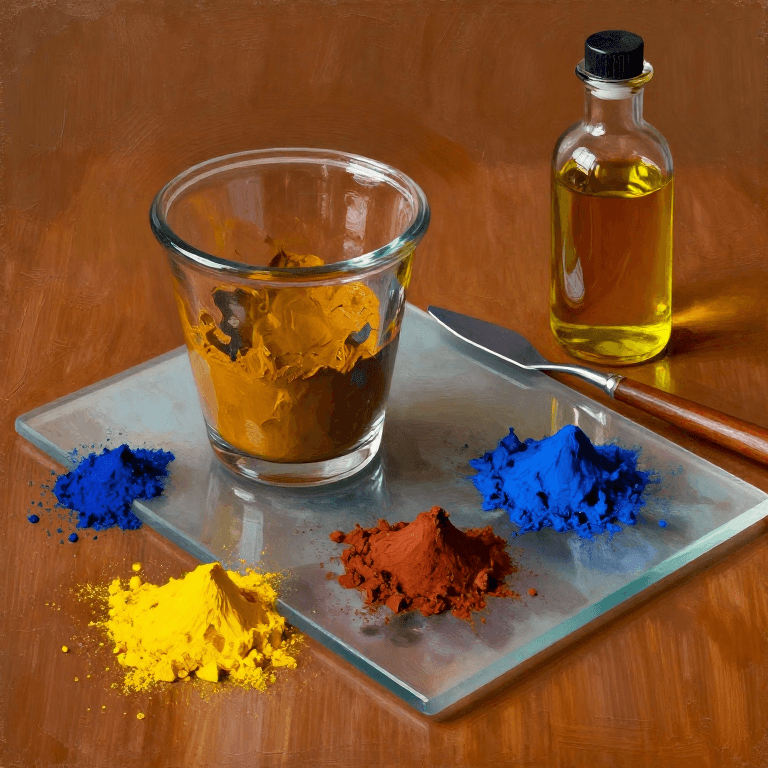
Making Oil Paint from Raw Pigments — Grinding Pigments in Linseed Oil
eftir Charlie
LIST
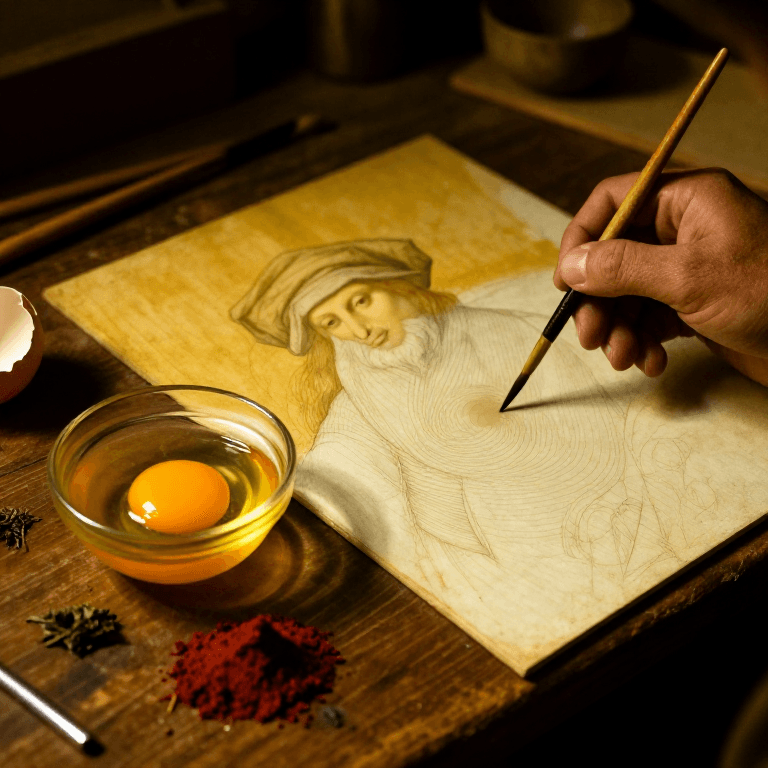
Making Egg Tempera Paint — The Medieval Panel Painting Medium
eftir Charlie
LIST
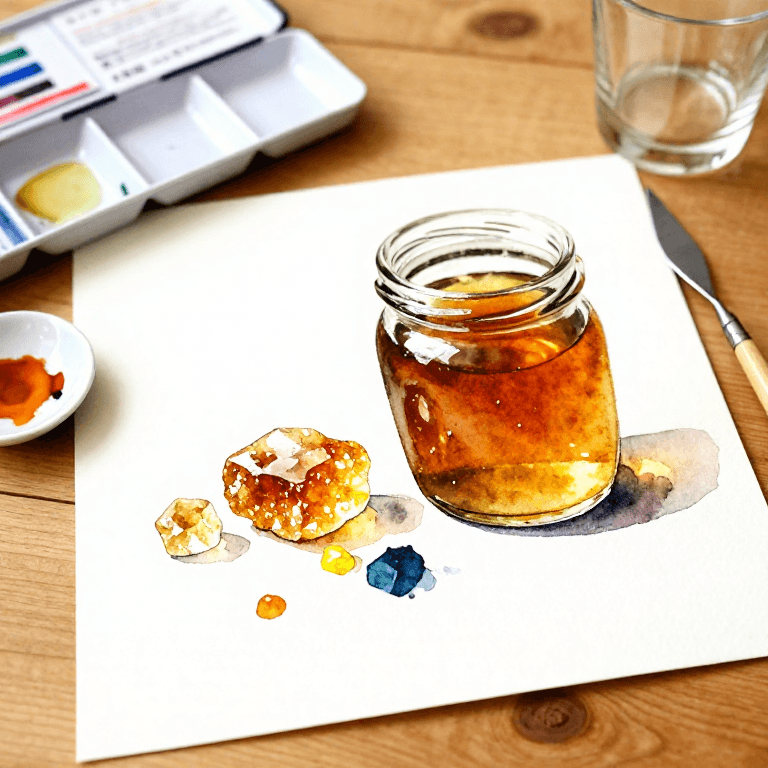
Making Watercolour Paint from Raw Pigments — Gum Arabic Binder
eftir Charlie
LIST
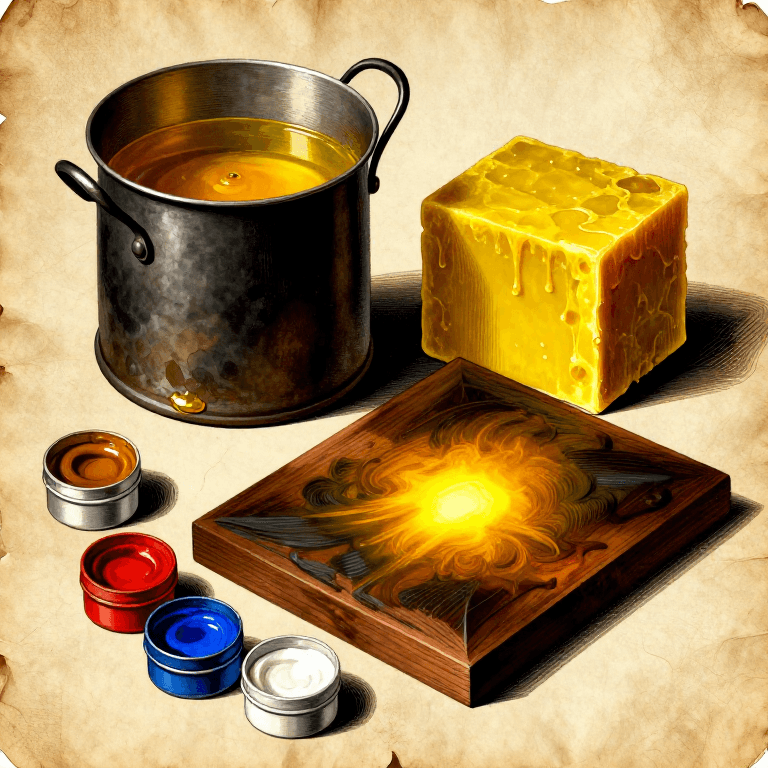
Making Encaustic Paint — The Hot Beeswax Medium of Ancient Greek and Egyptian Painters
eftir Charlie
LIST
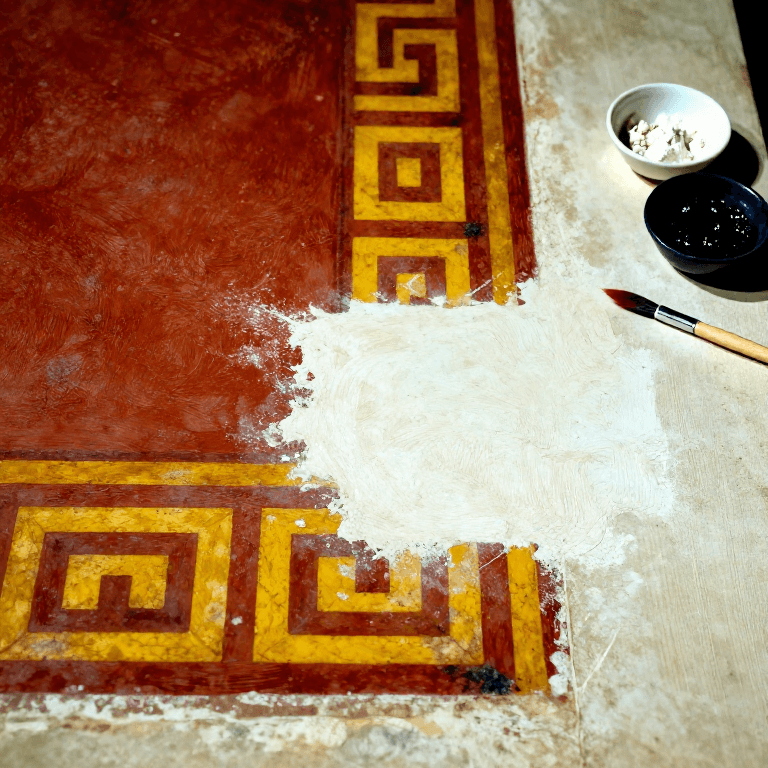
Painting a Buon Fresco on Wet Lime Plaster — Roman Wall Painting
eftir Charlie
Múrverk
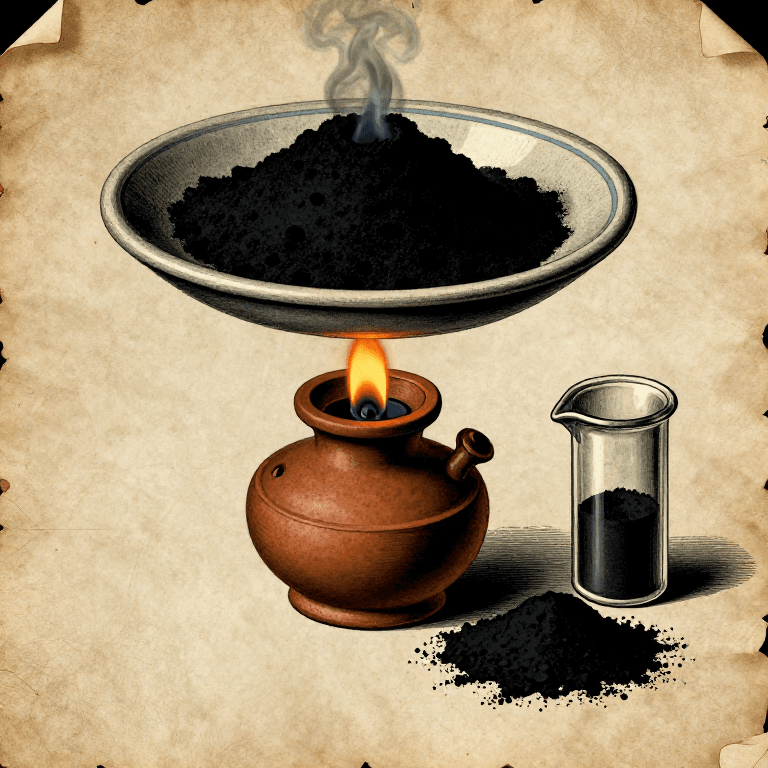
Making Lampblack Pigment — Collecting Carbon Soot from a Burning Flame
eftir Charlie
LIST
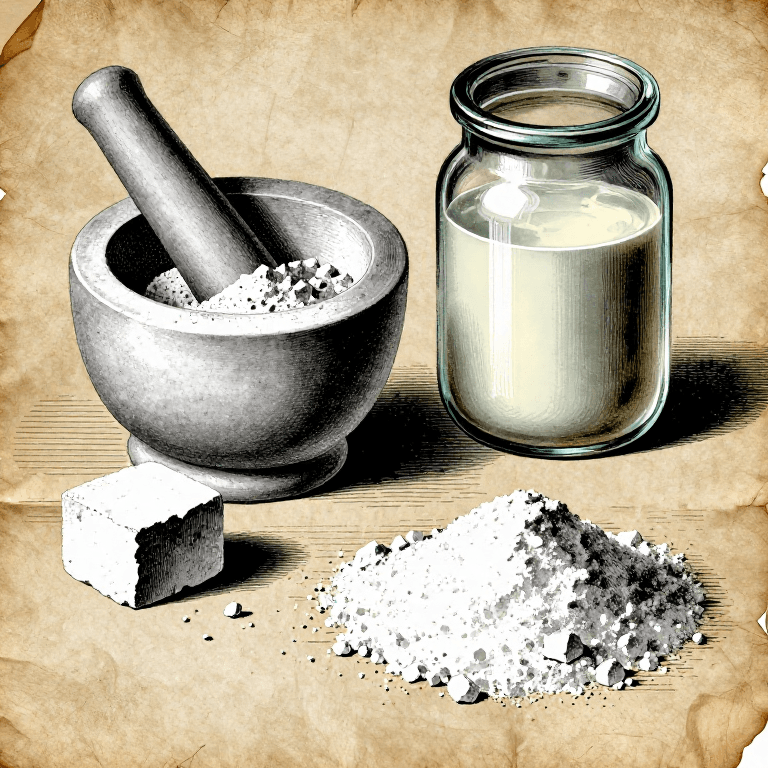
Making Chalk White Pigment (Whiting) — Grinding and Levigating Natural Chalk
eftir Charlie
LIST
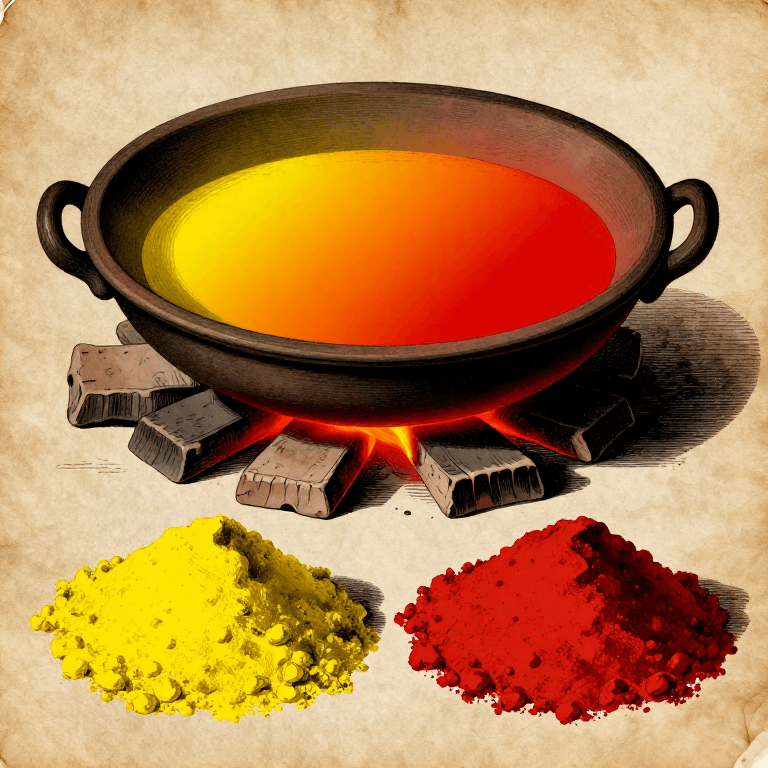
Making Red Ochre by Calcining Yellow Ochre — The Oldest Deliberate Pigment Transformation
eftir Charlie
LIST
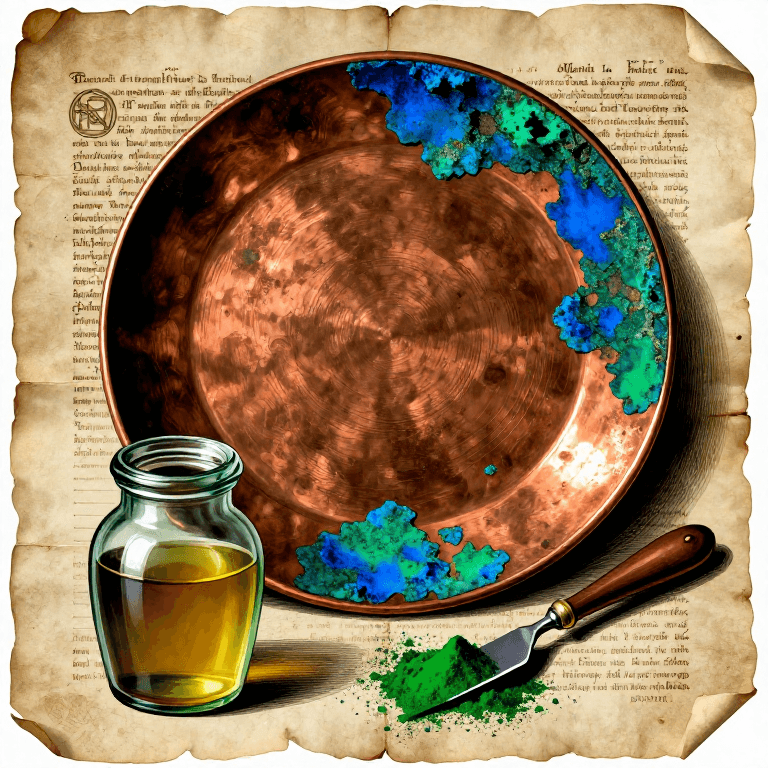
Making Verdigris — The Copper Acetate Green of Medieval Painters
eftir Charlie
LIST
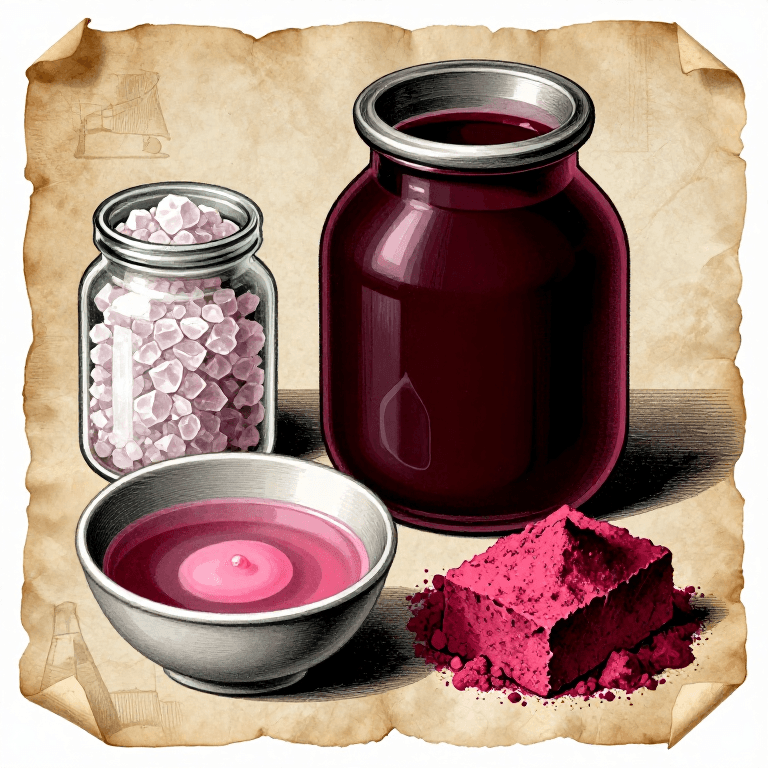
Making a Lake Pigment from Plant Dye — Precipitating Soluble Colour onto an Insoluble Substrate
eftir Charlie
LIST
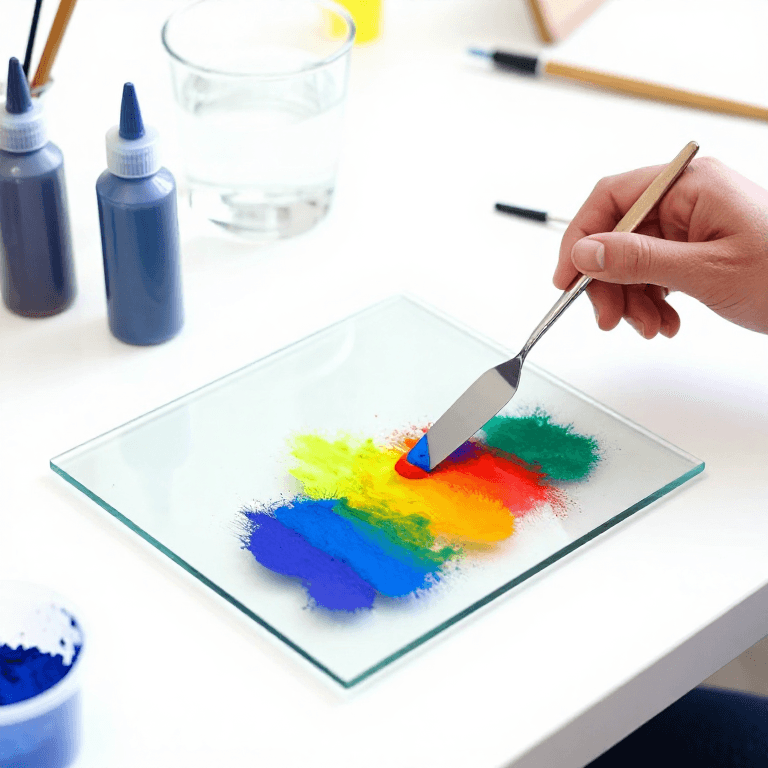
Making Acrylic Paint — Grinding Pigments into Acrylic Polymer Medium
eftir Charlie
LIST
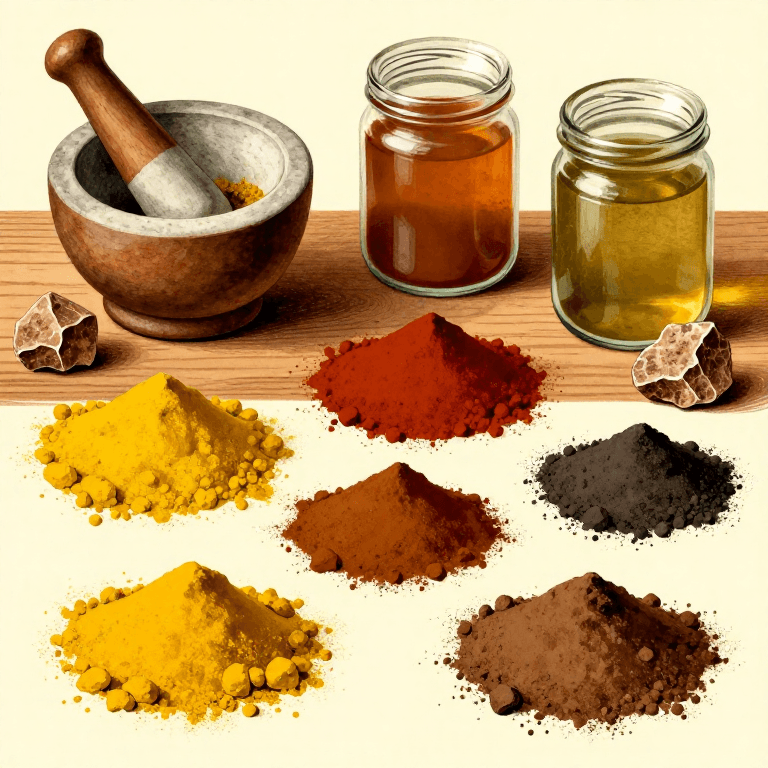
Making Natural Earth Pigments from Soil and Rocks — Collecting and Processing
eftir Mary
LIST
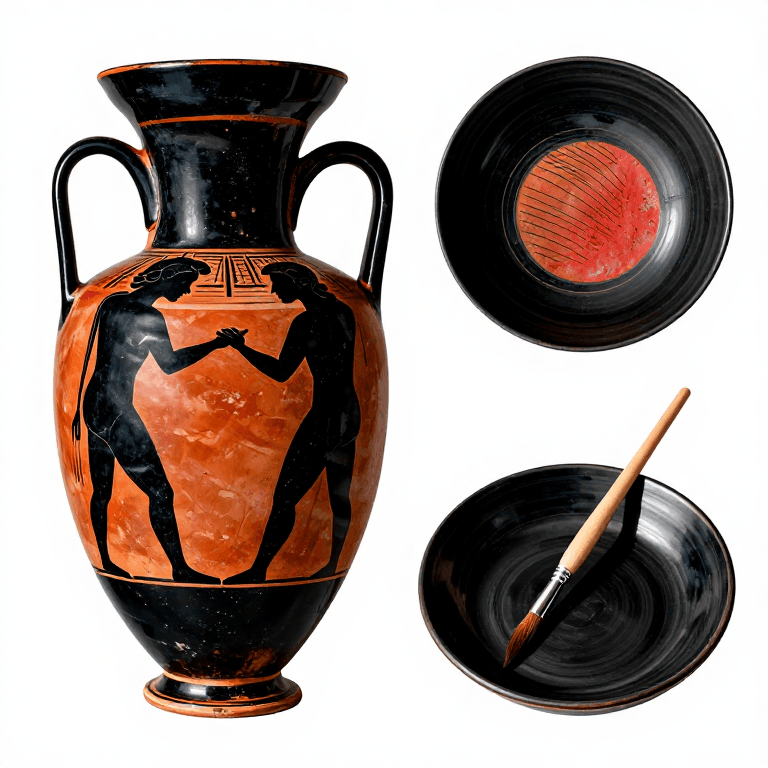
Greek Black-Figure Pottery — Painting Black-Figure Pottery with Iron Slip
eftir Clay
Keramik og leir
CC0 opinbert ríki
Þessi teikning er gefin út undir CC0. Þér er frjálst að afrita, breyta, dreifa og nota þetta verk í hvaða tilgangi sem er, án þess að biðja um leyfi.
Studdu smiðinn með því að kaupa vörur í gegnum teikningu hans þar sem hann fær þóknun smiða sem seljendur ákvarða, eða búðu til nýja endurskoðun á þessari teikningu og tengdu hana sem tengingu í þinni eigin teikningu til að deila tekjum.