LIST
FEGURÐ OG VELLÍÐAN
HANDVERK
MENNING OG SAGA
SKEMMTUN
UMHVERFI
MATUR OG DRYKKUR
ÖFUGVERKFRÆÐI
VÍSINDI
ÍÞRÓTTIR
TÆKNI
KLÆÐANLEG TÆKNI
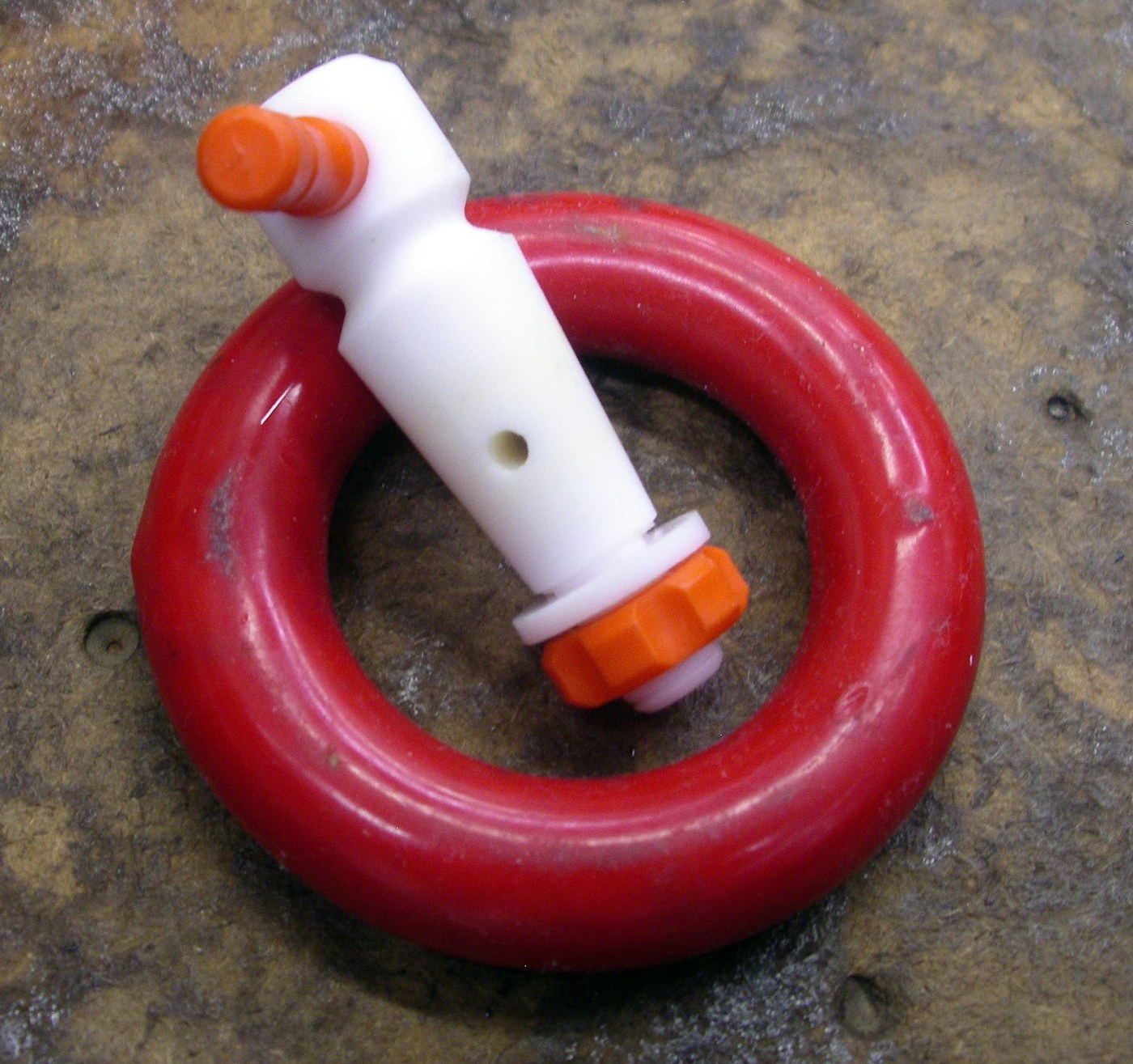


PTFE (Polytetrafluoroethylene)
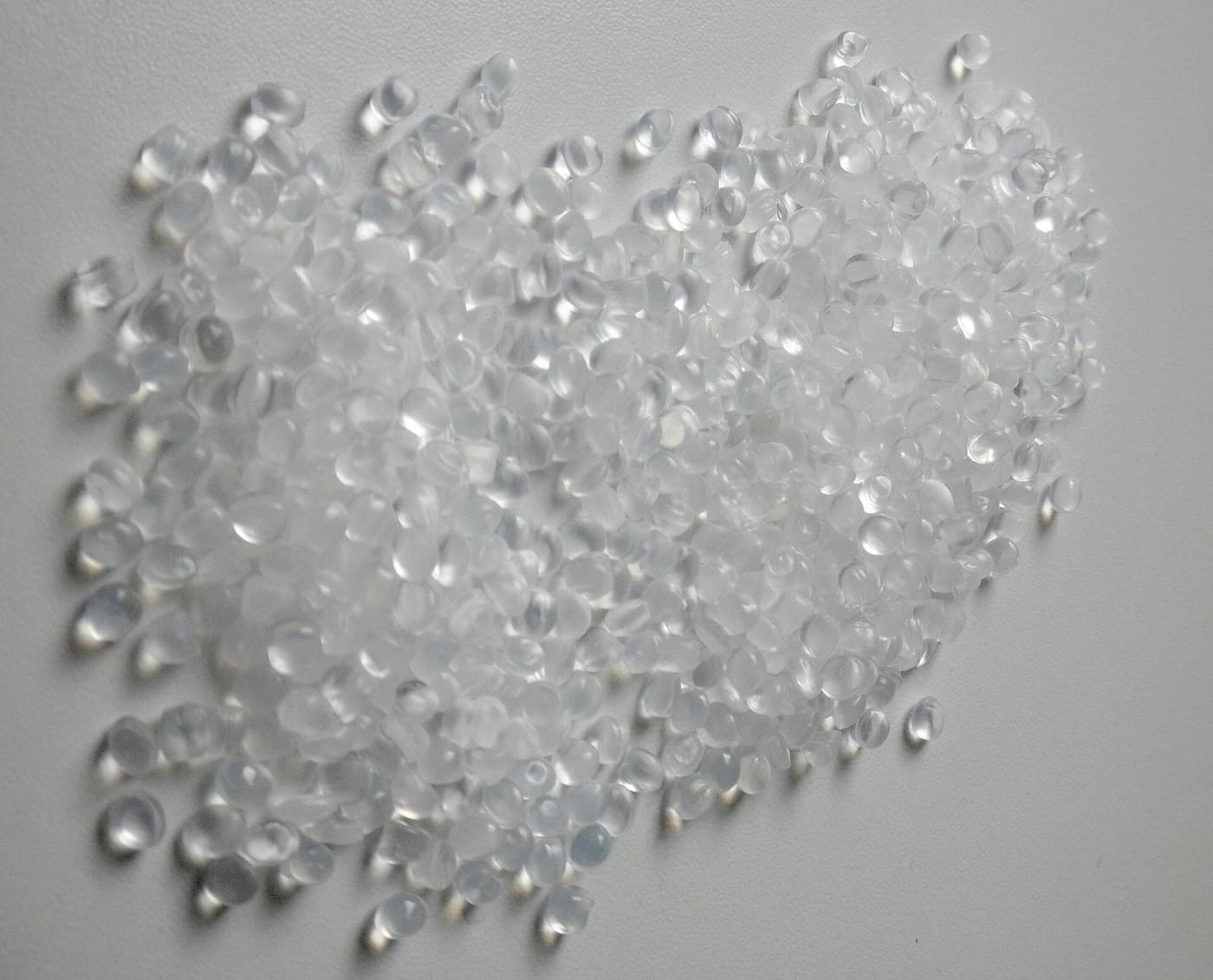
On 6. April 1938 Roy Plunkett at DuPont opened the valve on a cylinder of tetrafluoroethylene gas, a candidate refrigerant, and nothing came out - though the cylinder still weighed full. Sawn open, it held a white waxy powder: the gas had polymerised by itself. The powder resisted every solvent and acid tried on it, did not melt like other plastics, and almost nothing would stick to it.
**US 2,230,654**, "Tetrafluoroethylene polymers", Plunkett, assigned to Kinetic Chemicals, granted 4. February 1941. Its first claim is two words: "Polymerized tetrafluoroethylene."
**Tetrafluoroethylene is explosive and is never handled outside a plant.** You build what the material is for: a hinged tilting ramp that measures the coefficient of friction of PTFE against steel, beside nylon, acrylic and steel itself.
Byrjandi
3 hours
Leiðbeiningar
1
1
The rig
The rig
The whole rig: a 400 mm base, a hinged ramp with a steel strip on top, a prop under the raised end, and a faced sled.
2
2
Cut base and ramp
Cut base and ramp
From 18 mm plywood saw two boards 400 x 120 mm. Sand the edges.
Efni fyrir þetta skref:
 Krossviðarplata1 stykki
Nauðsynleg verkfæri:
 Handsög
 Reglustika
 C-þvinga
3
3
Hinge them
Hinge them
Lay the boards end to end and fit the butt hinge across one short joint with 4 wood screws, pilot-drilled 2 mm. The ramp must lift from flat to 45° without rocking.
Efni fyrir þetta skref:
 Hurðarlöm1 stykki
 Tréskrúfur4 stykki
Nauðsynleg verkfæri:
 Hleðslubor
 Borasett
 Skrúfjárnasett
4
4
Fit the steel counterface
Fit the steel counterface
Stick a 360 x 100 mm strip of mild steel sheet to the ramp's top face with double-sided tape. Wipe it with isopropyl alcohol - grease halves any reading.
Efni fyrir þetta skref:
 Plata úr mjúku stáli1 stykki
Nauðsynleg verkfæri:
 Tær öryggisgleraugu
 Ísóprópanól 99 %
 Tvöfalt límband
5
5
Make four sleds
Make four sleds
Saw four 60 x 60 mm plywood blocks. Face one each with PTFE, nylon, acrylic and steel cut to 60 x 60 mm, fixed with double-sided tape. Clean every face with alcohol.
Efni fyrir þetta skref:
Plata úr mjúku stáli1 stykkiNauðsynleg verkfæri:
Handsög Dúkahnífur
 PTFE-plata
 Nælonplata (6/6)
 AkrýlplataTvöfalt límband
6
6
Tilt until it goes
Tilt until it goes
Set a sled 100 mm from the top. Raise the ramp slowly, about 1° per second. Stop the instant it slides and read the angle finder on the ramp. Five tries per sled.
Nauðsynleg verkfæri:
 Gráðubogi / hornmælirReglustika
7
7
Load it
Load it
Repeat the PTFE sled with a weight taped on top. The angle should not change.
Nauðsynleg verkfæri:
 LóðGráðubogi / hornmælir
8
8
Angles into friction
Angles into friction
Hleð Jupyter-vinnubók…
9
9
History & Context
History & Context
**What the patent specifies:** the polymer of tetrafluoroethylene itself, a solid insoluble in ordinary solvents. **Modern build (derived):** machined PTFE sheet against clean mild steel on a tilting plane.
Its first large use was seals and gaskets for the Manhattan Project's uranium hexafluoride plant, a gas that attacked everything else. DuPont registered Teflon in 1945; non-stick pans followed in the 1950s, and stretched PTFE became Gore-Tex. Its limits: it creeps under steady load, wears quickly without fillers, cannot be glued without etching, and above about 260 °C in use it begins to give off harmful fumes.
Efni
4- 1 stykkiStaðgengill
- 1 stykkiStaðgengill
- 4 stykkiStaðgengill
- 1 stykkiStaðgengill
Nauðsynleg verkfæri
15- Staðgengill
- Staðgengill
- Staðgengill
- Hleðslubor3% þóknunMagento Legacy Storeships internationallyStaðgengill
- Staðgengill
- Staðgengill
- Staðgengill
- Staðgengill
- Staðgengill
- Staðgengill
- Staðgengill
- Staðgengill
- Staðgengill
- Staðgengill
- Staðgengill
Hönnunarskrár
1Tengd Blueprint
Þessi blueprint deila þekkingu — tækni, efni eða meginreglur


CC0 opinbert ríki
Þessi teikning er gefin út undir CC0. Þér er frjálst að afrita, breyta, dreifa og nota þetta verk í hvaða tilgangi sem er, án þess að biðja um leyfi.
Studdu smiðinn með því að kaupa vörur í gegnum teikningu hans þar sem hann fær þóknun smiða sem seljendur ákvarða, eða búðu til nýja endurskoðun á þessari teikningu og tengdu hana sem tengingu í þinni eigin teikningu til að deila tekjum.