ARTE
BELLEZZA E BENESSERE
MESTIERE
CULTURA E STORIA
DIVERTIMENTO
AMBIENTE
CIBO E BEVANDE
INGEGNERIA INVERSA
SCIENZE
SPORT
TECNOLOGIA
INDOSSABILI
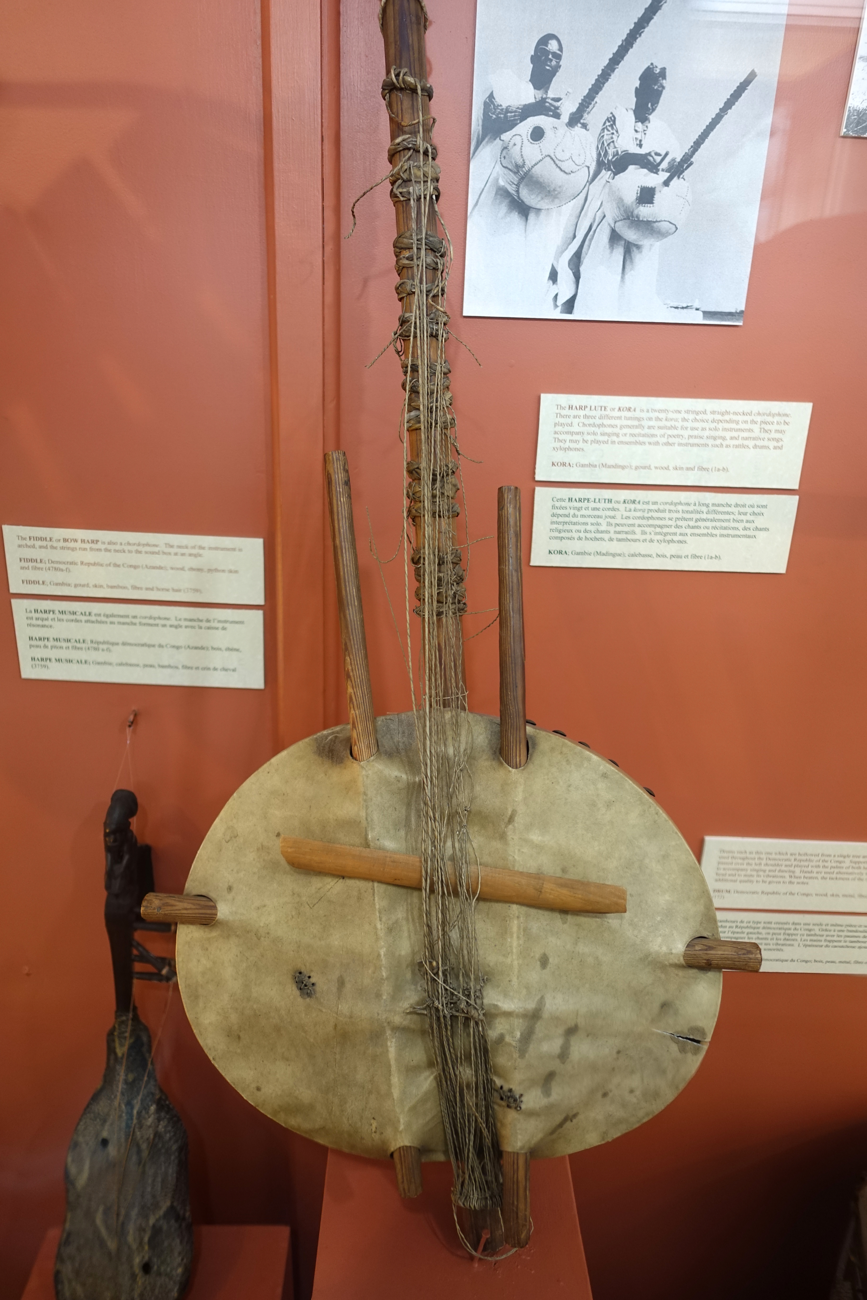
Redpath Museum, McGill University · Public Domain


Building a Kora — The West African Harp-Lute
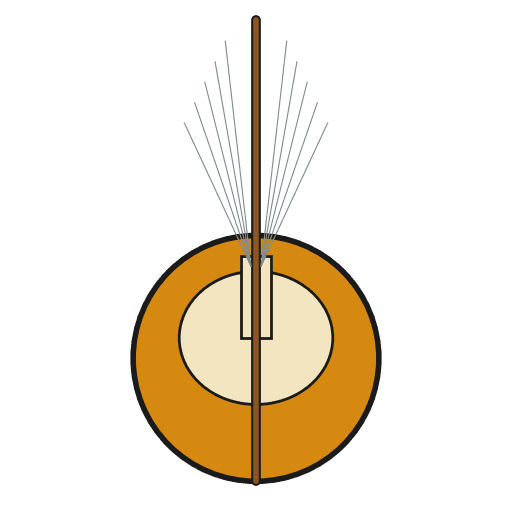
Build a kora: the great 21-string harp-lute of the Mande griots — a huge calabash gourd faced with skin, a tall notched bridge, and strings running in TWO parallel rows up a long neck, plucked with the thumbs and forefingers. A serious maker build in the harp-lute, part harp and part lute.
Intermedio
Several hours over several sessions
Istruzioni
1
1
Half harp, half lute
Half harp, half lute
The kora is a 21-string harp-lute of the West African griots. A huge gourd faced with skin is the body; a long neck holds the strings, which run in two parallel rows and are plucked with the thumbs and forefingers.
2
2
Prepare the gourd body
Prepare the gourd body
Take a large calabash gourd and cut a wide flat opening across one side — the biggest gourd you can find, for a deep, full sound.
Materiali per questo passaggio:
 Zucca a fiasco matura1 pezzo
Strumenti necessari:
 Coltello da intaglio sloyd
3
3
Face it with skin
Face it with skin
Stretch cow-skin rawhide drum-tight over the flat opening and lash it down. This skin is the soundboard that radiates the strings.
Materiali per questo passaggio:
 Cuoio grezzo1 pezzo
 Spago di abaca1 pezzo
4
4
Fit the neck
Fit the neck
Drive a long, straight hardwood neck right through the gourd, sticking out both ends. Two hand-posts either side of the neck give the player something to hold.
Materiali per questo passaggio:
 Tondino di legno (spina)1 pezzo
Strumenti necessari:
 Punteruolo
5
5
Stand the tall bridge
Stand the tall bridge
Stand a tall wooden bridge upright on the skin with a row of notches down EACH edge — the strings will split into two rows, left and right, one for each thumb.
Strumenti necessari:
Coltello da intaglio sloyd6
6
String it in two rows
String it in two rows
Run twenty-one strings from the base up over the notched bridge and to the neck, eleven in the left row and ten in the right, each held by a sliding leather tuning ring or a peg.
Materiali per questo passaggio:
 Corda armonica in acciaio 0,032"1 pezzo
 Piroli9 pezzi
7
7
Tune and play
Tune and play
Tune the two rows so they interleave into a scale, then pluck with the thumbs and forefingers of both hands, the left and right rows answering each other.
8
8
Compendium — the harp-lute
Compendium — the harp-lute
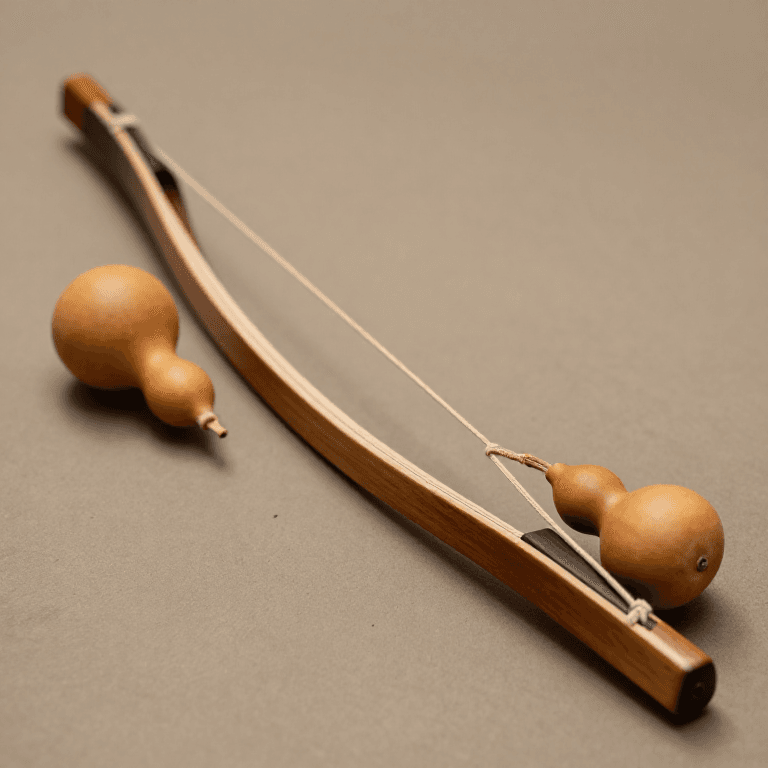
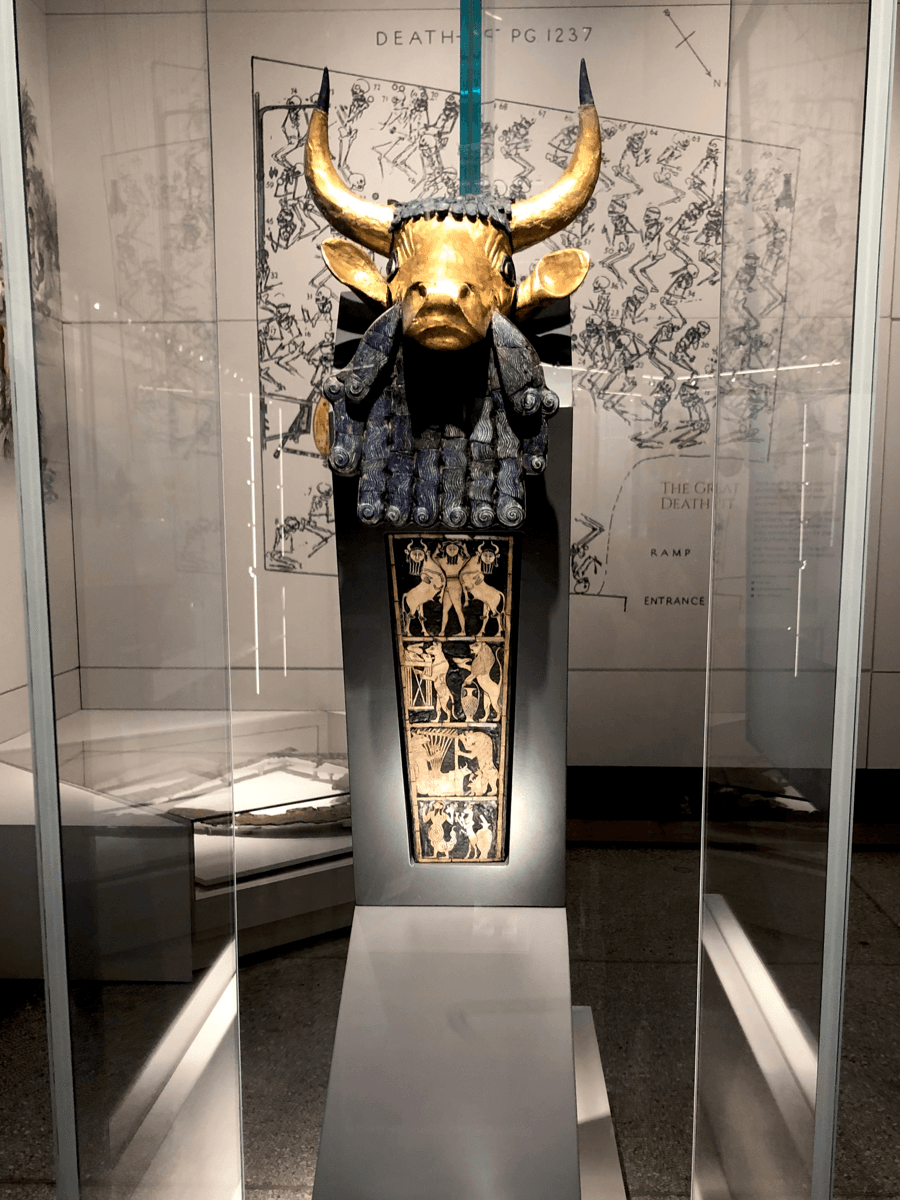
The kora is a 'harp-lute', and its clever bridge is why. On a true harp, each string runs at its own angle straight from a soundboard to a neck, one string per note; on a lute, a few strings run parallel over a bridge and along a neck. The kora does both at once: its strings run parallel like a lute, but they pass over a TALL bridge notched down both edges, so they leave the bridge in two flat planes, one on the left and one on the right — effectively two little harps sharing one body, one for each thumb. Each string is a single fixed note (the kora, like a harp, is not stopped or fretted — you simply pluck the string you want), and the two interleaved rows let the player weave fast, rippling patterns with just thumbs and forefingers. The sound is radiated by a stretched skin over a giant calabash gourd, exactly the drum-like resonator idea of the ektara and the banjo, scaled up. Strings obey the same rule as the musical bow — tension, length and mass set the pitch — and the kora belongs with the lyre of Ur and every soundbox-and-strings instrument, the branch of the family that keeps one string per note. It is the instrument of the Mande griots (jeliw), the hereditary musician-historians of West Africa.
Materiali
6- 1 pezzoSegnaposto
- 1 pezzoSegnaposto
- 1 pezzoSegnaposto
- 1 pezzoSegnaposto
- Segnaposto
- 9 pezziSegnaposto
Strumenti richiesti
2- Segnaposto
- Segnaposto
Questo progetto realizza
Blueprint correlati
Questi blueprint condividono conoscenze — tecniche, materiali o principi
CC0 Pubblico dominio
Questo progetto è rilasciato sotto CC0. Sei libero di copiare, modificare, distribuire e utilizzare quest'opera per qualsiasi scopo, senza chiedere permesso.
Supporta il Maker acquistando prodotti tramite il suo progetto dove guadagna una Commissione Maker stabilita dai venditori, oppure crea una nuova iterazione di questo progetto e includilo come collegamento nel tuo progetto per condividere i ricavi.