ARTE
BELLEZZA E BENESSERE
MESTIERE
CULTURA E STORIA
DIVERTIMENTO
AMBIENTE
CIBO E BEVANDE
INGEGNERIA INVERSA
SCIENZE
SPORT
TECNOLOGIA
INDOSSABILI
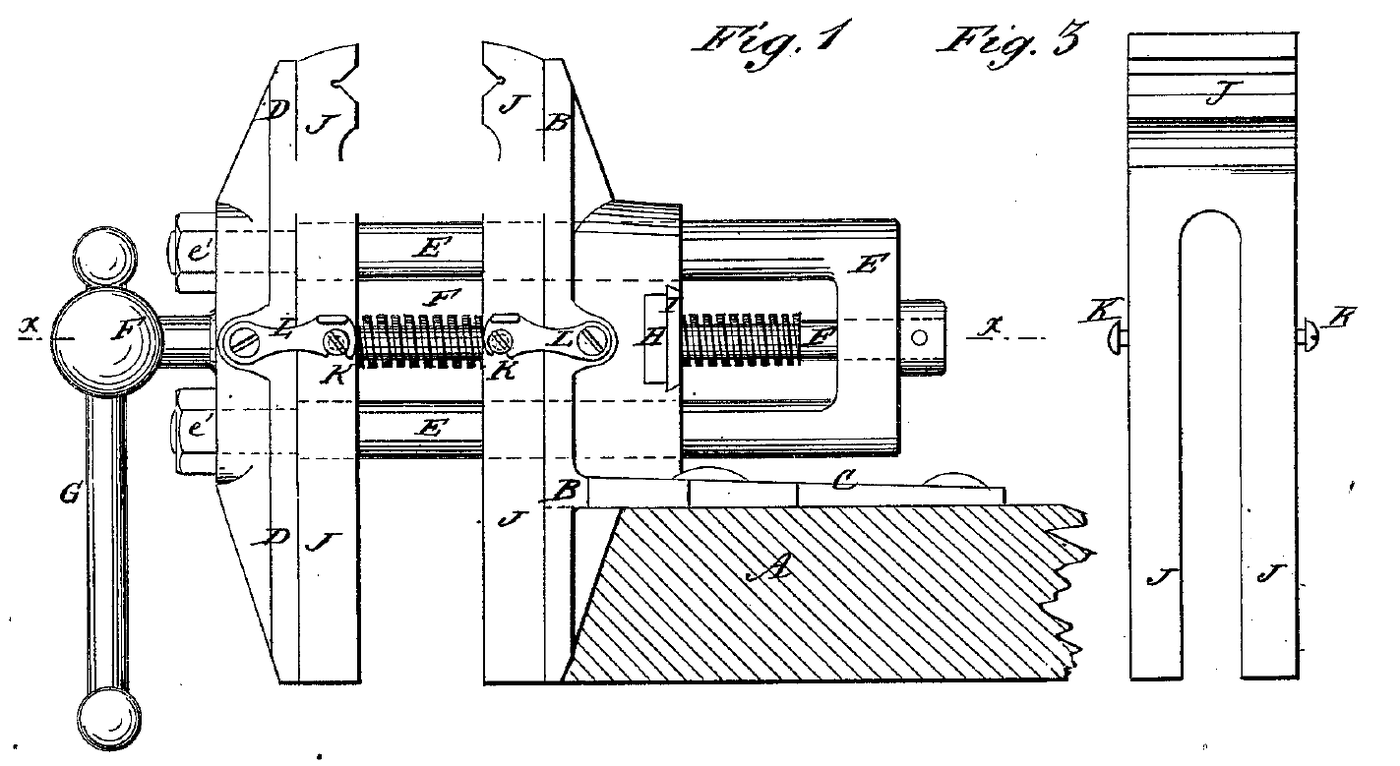


Bench Vise with Parallel Double Slide: Grimmitt, 1879
Thomas Grimmitt of Rockford, Illinois, patented this bench vise in 1879, US 214,907. The fixed jaw is bolted to the bench by a plate formed on its back. The movable jaw is fixed to the open ends of a U-shaped double slide whose arms pass through both jaws, so the two jaws always stay exactly parallel. A screw with a sliding lever handle, swivelled to the slide, works in a nut in the fixed jaw and moves the front jaw both ways. Detachable notched wooden jaws slip over the slide and screw to hold rectangular or round work, and the vise can be fitted on top of the bench for carriage and wagon work or reversed underneath for carpenters' and cabinet-makers' work.
Intermedio
Workshop process
Istruzioni
1
1
Jaws and plate
Jaws and plate
Make the inner jaw with a plate formed on its rear side, holed for the bolts that secure it to the bench, and the outer movable jaw of the same general form. Make both jaws double, so the plate can be fixed to the top of the bench or, reversed, to its underside with the lower jaw ends flush with the bench top.
Materiali per questo passaggio:
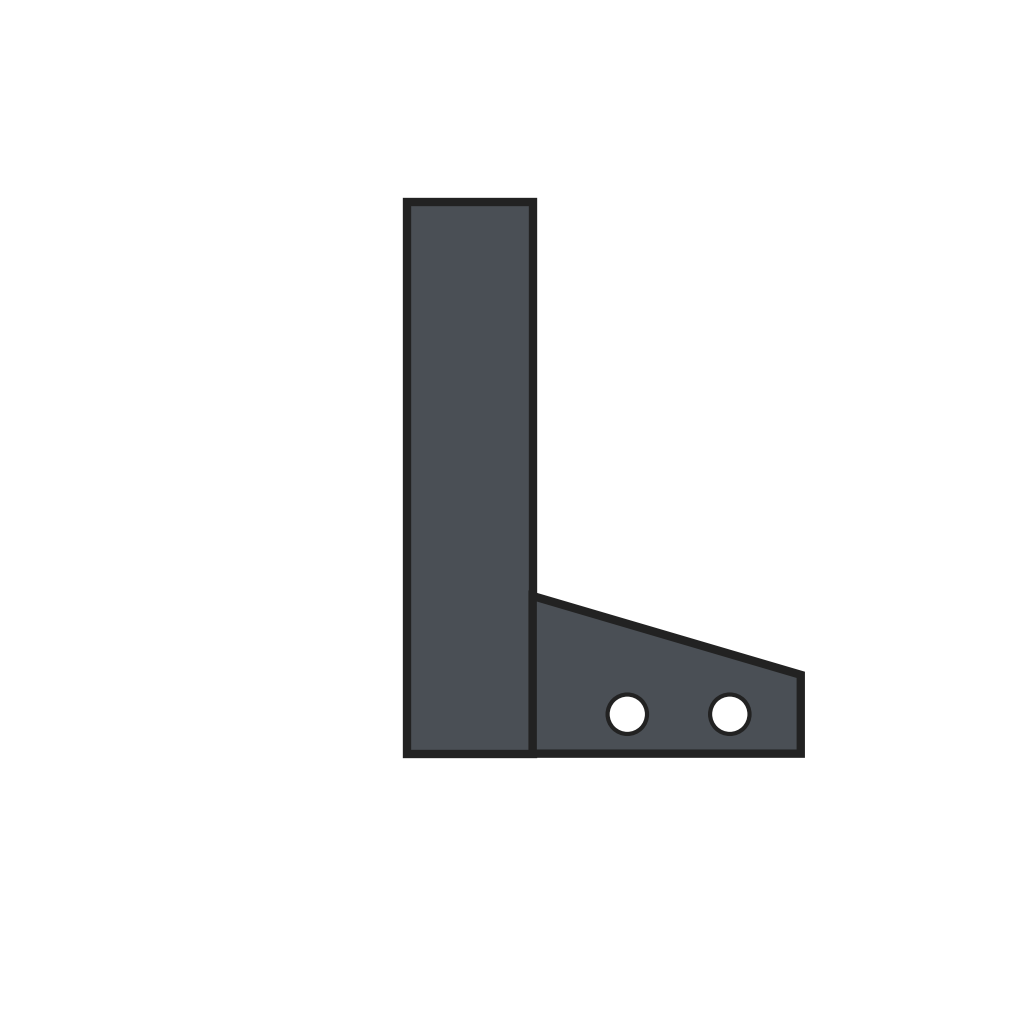 Ganascia fissa con piastra da banco1 pezzo
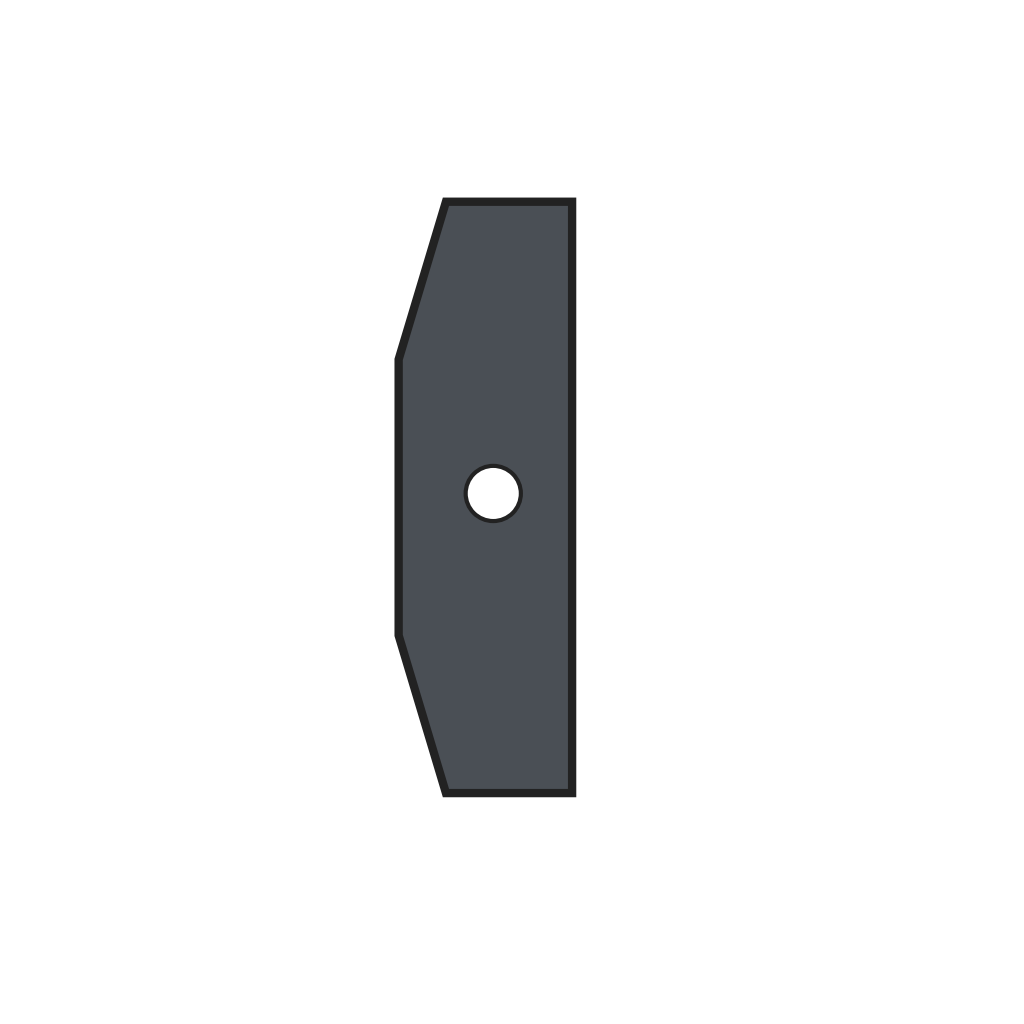 Ganascia mobile della morsa1 pezzo
Strumenti necessari:
 Trapano a colonna
 Serie di punte da trapano
 Lime (lima a mano)
2
2
Double slide
Double slide
Pass the arms of the U-shaped double slide through holes in both jaws and secure their ends to the outer jaw with nuts, so the outer jaw is always held exactly parallel to the inner one.
Materiali per questo passaggio:
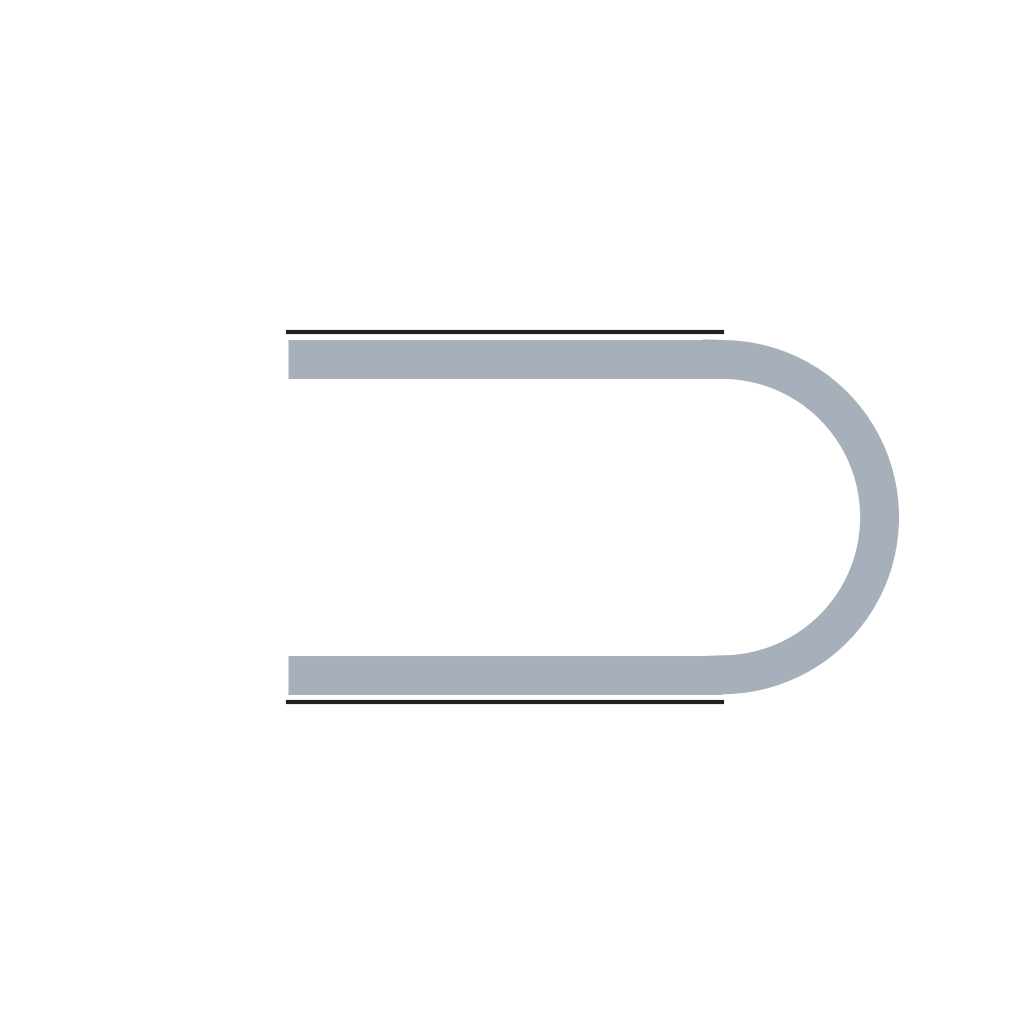 Doppia guida a U1 pezzo
Strumenti necessari:
 Chiave a rullino
3
3
Screw and nut
Screw and nut
Pass the screw through a hole in both jaws midway between the slide's arms, swivel its forward end to the slide at the centre of its bend, and slide a lever handle through its outer head. The screw works in a nut set in a cross-notch at the back of the inner jaw, held by a dovetailed plate slid into the notch's sides.
Materiali per questo passaggio:
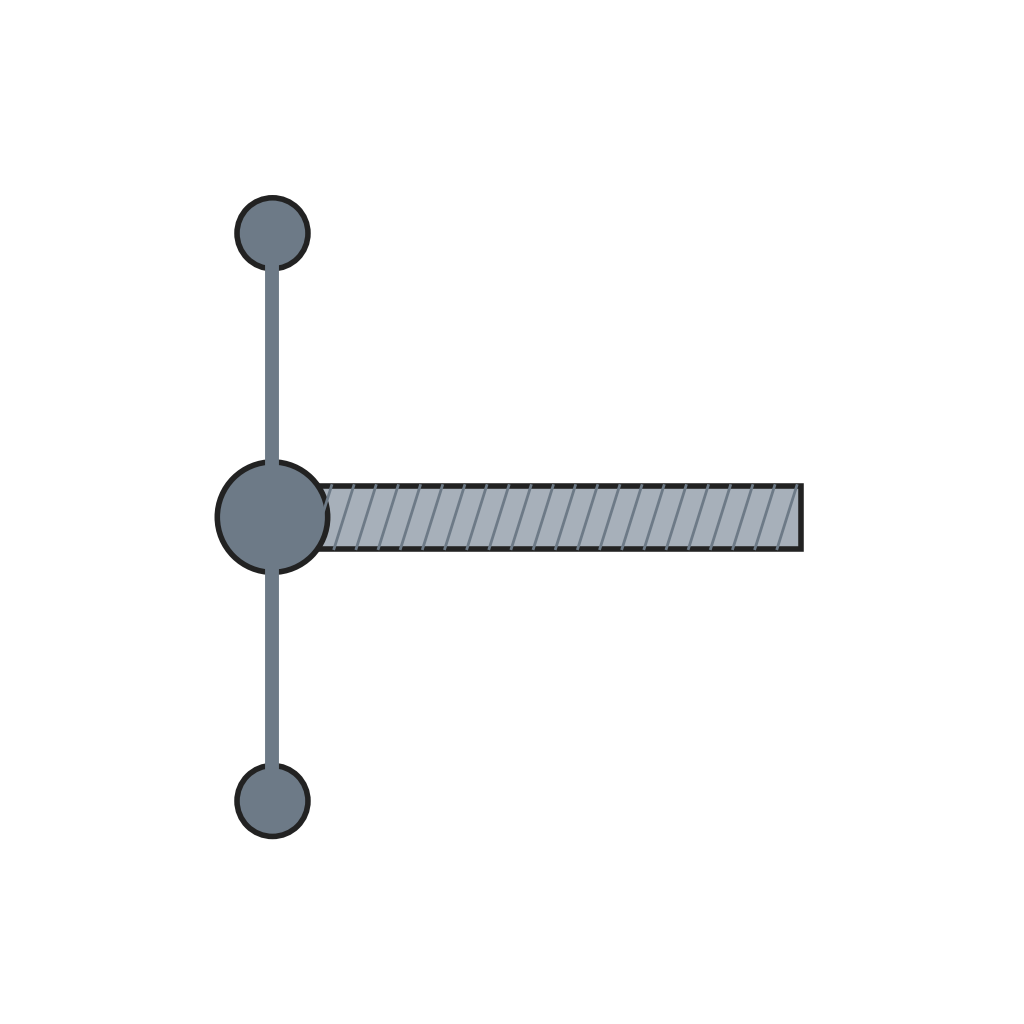 Vite della morsa con leva scorrevole1 pezzo
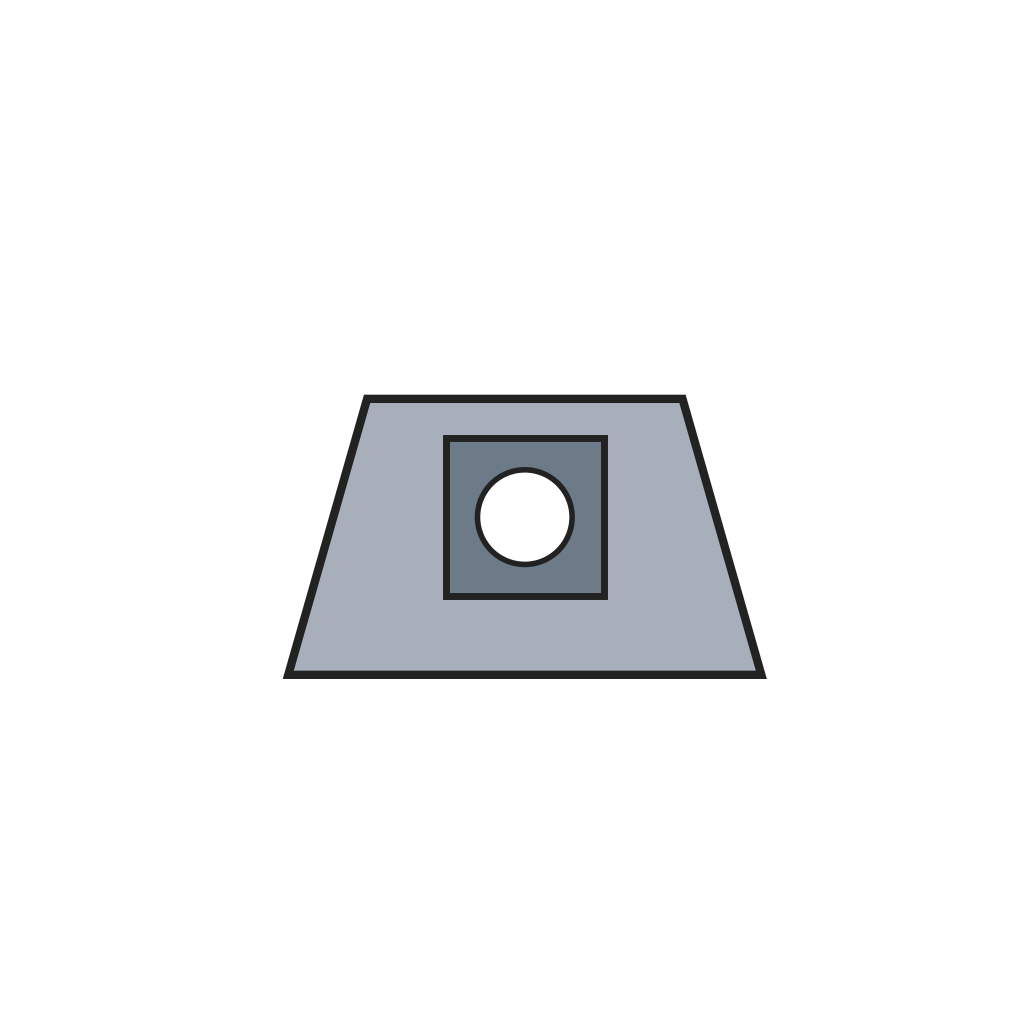 Madrevite della morsa con piastra a coda di rondine1 pezzo
Strumenti necessari:
Lime (lima a mano)Chiave a rullino4
4
Wooden jaws
Wooden jaws
Slot the wooden jaws from their lower ends so they slip down over the slide's arms and the screw between the metal jaws. Notch their faces for rectangular or round work, and hold them to the metal jaws with hooks pivoted on the metal jaws' side edges that catch screws or pins on the wooden jaws.
Materiali per questo passaggio:
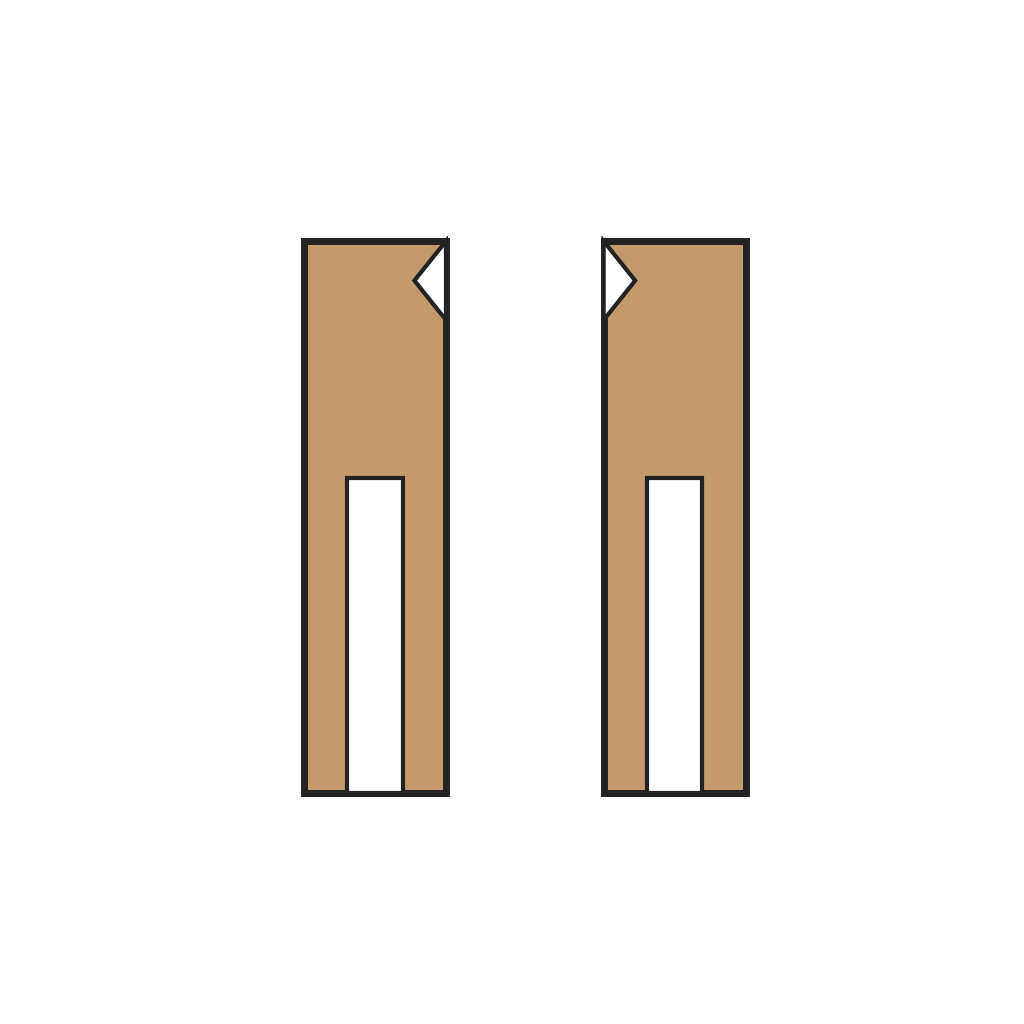 Ganasce di legno intagliate amovibili1 pezzo
Strumenti necessari:
 Sega a mano
 Serie di scalpelli
 Set di cacciaviti
Materiali
6- Segnaposto
- 1 pezzoSegnaposto
- 1 pezzoSegnaposto
- Segnaposto
- Segnaposto
- Segnaposto
Strumenti richiesti
7- Segnaposto
- Segnaposto
- Segnaposto
- Segnaposto
- Segnaposto
- Segnaposto
- Segnaposto
Questo progetto realizza
Blueprint correlati
Questi blueprint condividono conoscenze — tecniche, materiali o principi
CC0 Pubblico dominio
Questo progetto è rilasciato sotto CC0. Sei libero di copiare, modificare, distribuire e utilizzare quest'opera per qualsiasi scopo, senza chiedere permesso.
Supporta il Maker acquistando prodotti tramite il suo progetto dove guadagna una Commissione Maker stabilita dai venditori, oppure crea una nuova iterazione di questo progetto e includilo come collegamento nel tuo progetto per condividere i ricavi.