


Hammering Bronze Sheet from a Cast Ingot — Raising and Planishing
Sheet bronze was the material behind Bronze Age armour, vessels, mirrors, and decorative work. Unlike casting which produces a fixed shape, sheet-working starts with a flat ingot and transforms it through repeated cycles of hammering and annealing into sheets as thin as 0.5 mm — thinner than modern cardboard.
The process exploits a fundamental property of bronze: cold-hammering compresses the crystal grains, making the metal harder and thinner with each blow. But this work-hardening also makes the bronze brittle. Before it cracks, the smith heats it to dull red (annealing), which recrystallises the grain structure and restores ductility. A single ingot may go through 10-15 anneal-hammer cycles to reach usable sheet thickness.
The finished sheet can then be cut, bent, raised into vessels, riveted, engraved, or embossed — opening the full range of Bronze Age metalcraft.
Istruzioni
Cast a flat ingot
Cast a flat ingot
Materiali per questo passaggio:
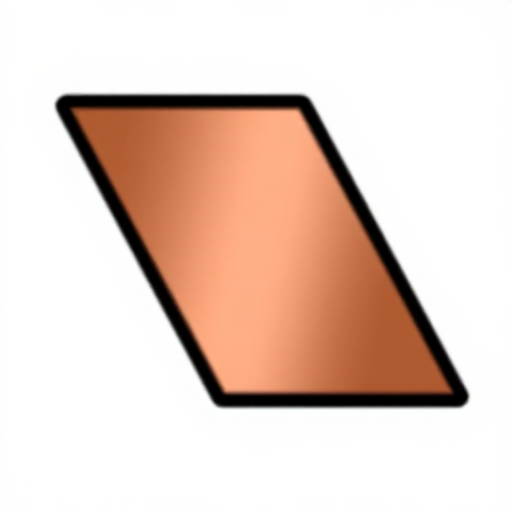 Lamiera di rame500 g
Set up the anvil stone
Set up the anvil stone
Strumenti necessari:
 Lastra di pietra piatta
First hammering pass — rough thinning
First hammering pass — rough thinning
Strumenti necessari:
 Percussore di pietra
First anneal
First anneal
Materiali per questo passaggio:
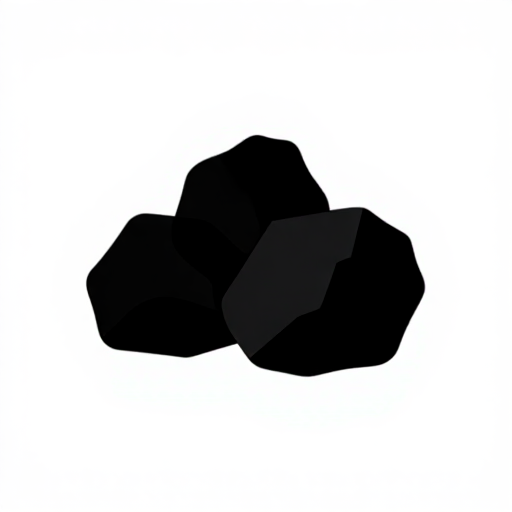 Carbone di legna2 kg
Strumenti necessari:
 Tenaglie a manico lungo
Continue hammer-anneal cycles
Continue hammer-anneal cycles
Detect and prevent edge cracking
Detect and prevent edge cracking
Final thinning to usable sheet
Final thinning to usable sheet
Planish the surface
Planish the surface
Strumenti necessari:
 Pietra liscia
Polish (optional)
Polish (optional)
Materiali per questo passaggio:
 Sabbia fine100 g
Materiali
3- 500 gSegnaposto
- 2 kgSegnaposto
- 100 gSegnaposto
Strumenti richiesti
4- Segnaposto
- Segnaposto
- Segnaposto
- Segnaposto
Materiali dei progetti collegati
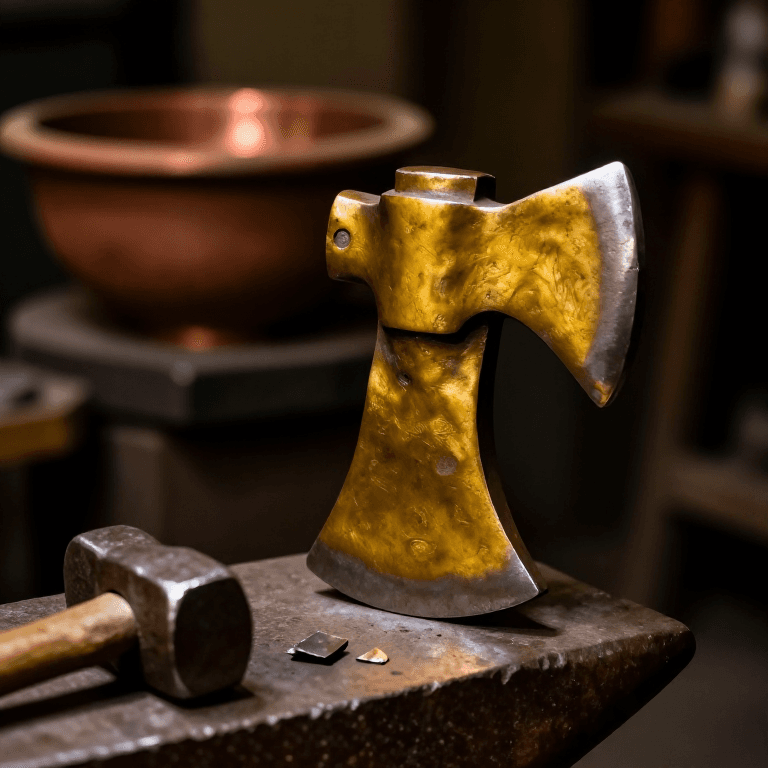
Questo progetto realizza
Blueprint correlati
Questi blueprint condividono conoscenze — tecniche, materiali o principi
CC0 Pubblico dominio
Questo progetto è rilasciato sotto CC0. Sei libero di copiare, modificare, distribuire e utilizzare quest'opera per qualsiasi scopo, senza chiedere permesso.
Supporta il Maker acquistando prodotti tramite il suo progetto dove guadagna una Commissione Maker stabilita dai venditori, oppure crea una nuova iterazione di questo progetto e includilo come collegamento nel tuo progetto per condividere i ricavi.