ARTE
BELLEZZA E BENESSERE
MESTIERE
CULTURA E STORIA
DIVERTIMENTO
AMBIENTE
CIBO E BEVANDE
INGEGNERIA INVERSA
SCIENZE
SPORT
TECNOLOGIA
INDOSSABILI
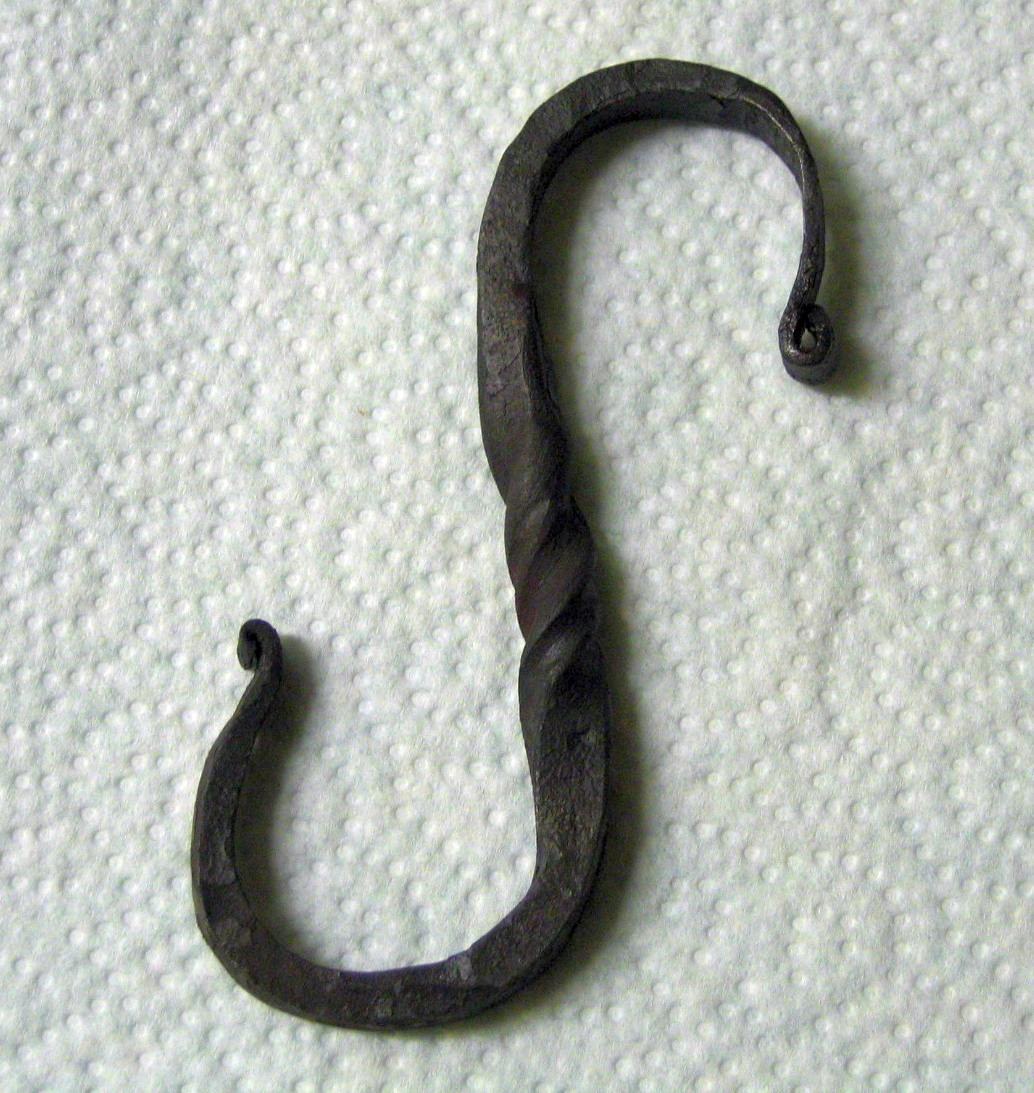


Bucket Hook: an S-Hook Bent Hot over the Anvil Horn
A bucket hangs from a tap, a pole or a crossbeam on an S-hook: one end over the support, the other through the bail. Harcourt (1920) gives it as a first forging exercise: bend one end hot over the anvil horn, then the other end the opposite way. Rod size and hook sizes are ours.
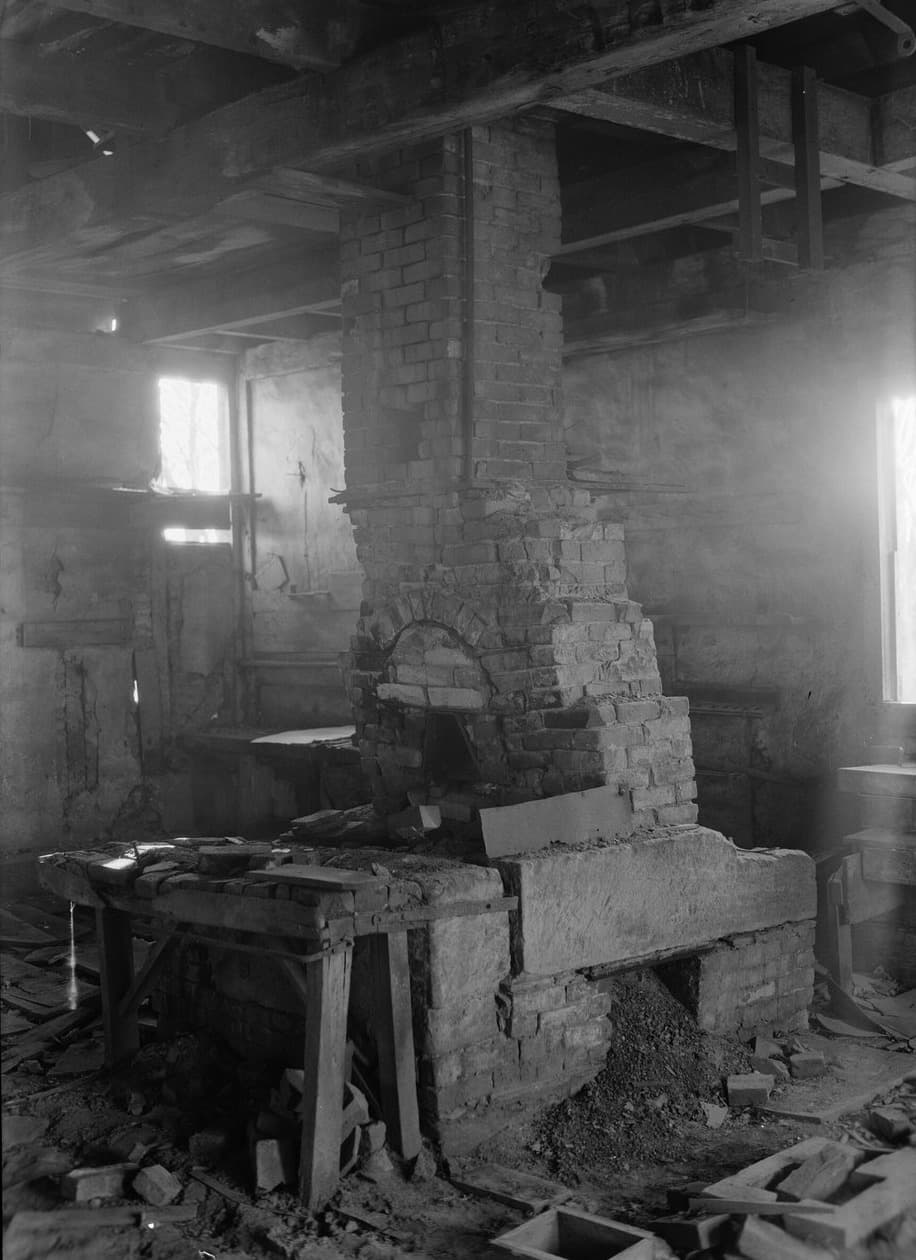
The picture: a forged S-hook (Wikimedia Commons).
Principiante
1 hour
Istruzioni
1
1
Cut and square the stock
Cut and square the stock
Saw 200 mm of 8 mm mild steel rod and square up both ends.
Materiali per questo passaggio:
 Tondo di acciaio dolce200 mm
Strumenti necessari:
 Seghetto per metalli
 Occhiali di sicurezza
2
2
Bend the first hook
Bend the first hook
Heat about half the piece and bend one end over the anvil horn, with the blows falling on the far side of the horn. Close it to a hook that fits over the support.
Materiali per questo passaggio:
 Carbone di legna1 as required
Strumenti necessari:
 Forgia da fabbro
 Incudine
 Martello a penna trasversale
 Tenaglie da fabbro
 Guanti da saldatoreOcchiali di sicurezza
3
3
Bend the second hook
Bend the second hook
Heat the other end and bend it over the horn the same way, but in the opposite direction, to make the S. Size it to take the bucket's bail.
Strumenti necessari:
Forgia da fabbroIncudineMartello a penna trasversaleTenaglie da fabbroGuanti da saldatore4
4
True it up
True it up
Even out both curves so the hook is free of rough hammer marks, and let it cool in air.
Strumenti necessari:
IncudineMartello a penna trasversaleTenaglie da fabbroMateriali
2- 200 mmSegnaposto
- 1 as requiredSegnaposto
Questo progetto realizza

Blueprint correlati
Questi blueprint condividono conoscenze — tecniche, materiali o principi
CC0 Pubblico dominio
Questo progetto è rilasciato sotto CC0. Sei libero di copiare, modificare, distribuire e utilizzare quest'opera per qualsiasi scopo, senza chiedere permesso.
Supporta il Maker acquistando prodotti tramite il suo progetto dove guadagna una Commissione Maker stabilita dai venditori, oppure crea una nuova iterazione di questo progetto e includilo come collegamento nel tuo progetto per condividere i ricavi.