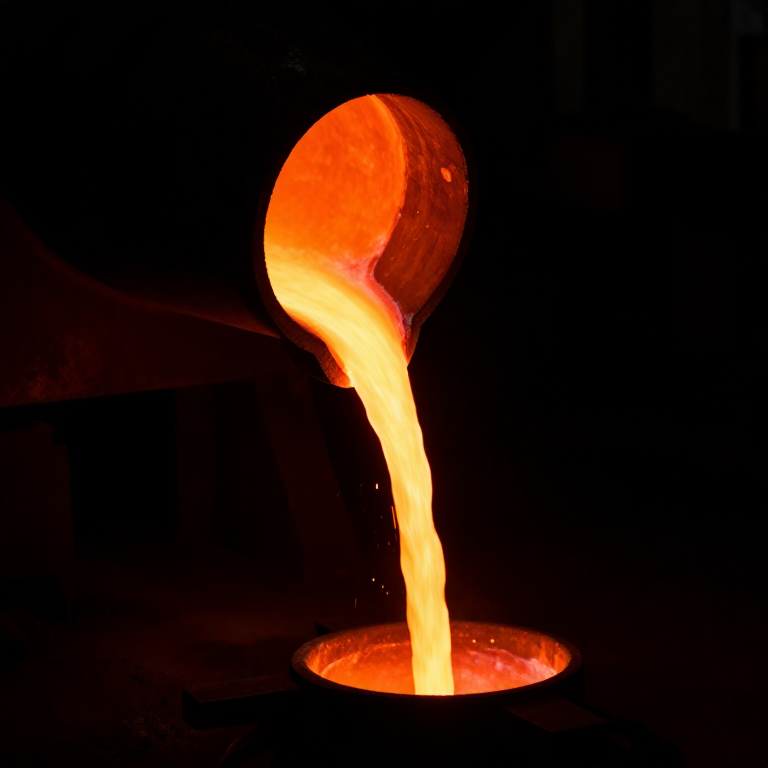


Casting Iron in a Cupola Furnace — Re-Melting Pig Iron into Finished Castings
The blast furnace makes pig iron by the tonne, but pig iron in bars is not yet a useful object. To turn it into pots, pipes, stoves, and machine frames, a foundry re-melts it and pours it into moulds — and the workhorse that does the re-melting is the cupola furnace.
A cupola is a tall iron chimney lined with firebrick, charged from the top with alternating layers of coke, pig iron, and limestone, and blown with air near its base. Unlike the blast furnace it does not smelt ore; it simply melts iron that is already made, quickly and cheaply, keeping a steady stream of molten metal ready to tap. The melting iron picks up a little carbon from the coke and runs out of the tap hole as grey cast iron.
Poured into sand moulds shaped from wooden patterns, that iron sets into castings of almost any form. Cast iron is brittle but immensely strong in compression and cheap to pour into complex shapes, which made the cupola the beating heart of Victorian industry — casting everything from cooking pots and drainpipes to the columns and machines of the factories themselves.
Istruzioni
Understand the cupola
Understand the cupola
Build and line the cupola
Build and line the cupola
Materiali per questo passaggio:
 Mattoni refrattari100 pezzi
Strumenti necessari:
 Paletta da giardino
Light the coke bed
Light the coke bed
Materiali per questo passaggio:
 Coke metallurgico60 kg
Start the blast
Start the blast
Strumenti necessari:
 Soffiatore d'aria
Charge in layers
Charge in layers
Materiali per questo passaggio:
 Pani di ghisa greggia80 kg
 Lastra di calcare6 kg
Melt the iron
Melt the iron
Flux off the slag
Flux off the slag
Strumenti necessari:
 Barra di spillatura
Prepare the sand moulds
Prepare the sand moulds
Materiali per questo passaggio:
 Sabbia da fonderia60 kg
Strumenti necessari:
 Staffa di formatura
Tap the molten iron
Tap the molten iron
Strumenti necessari:
 Siviera da fonderia
Pour the castings
Pour the castings
Shake out and clean
Shake out and clean
Strumenti necessari:
 Smerigliatrice angolare
Identify cast iron
Identify cast iron
Materiali
5- 100 pezziSegnaposto
- 60 kgSegnaposto
- Segnaposto
- Segnaposto
- 60 kgSegnaposto
Strumenti richiesti
6- Segnaposto
- Segnaposto
- Segnaposto
- Segnaposto
- Segnaposto
- 1 vendor sell this, none ship to you yetSegnaposto
Materiali dei progetti collegati

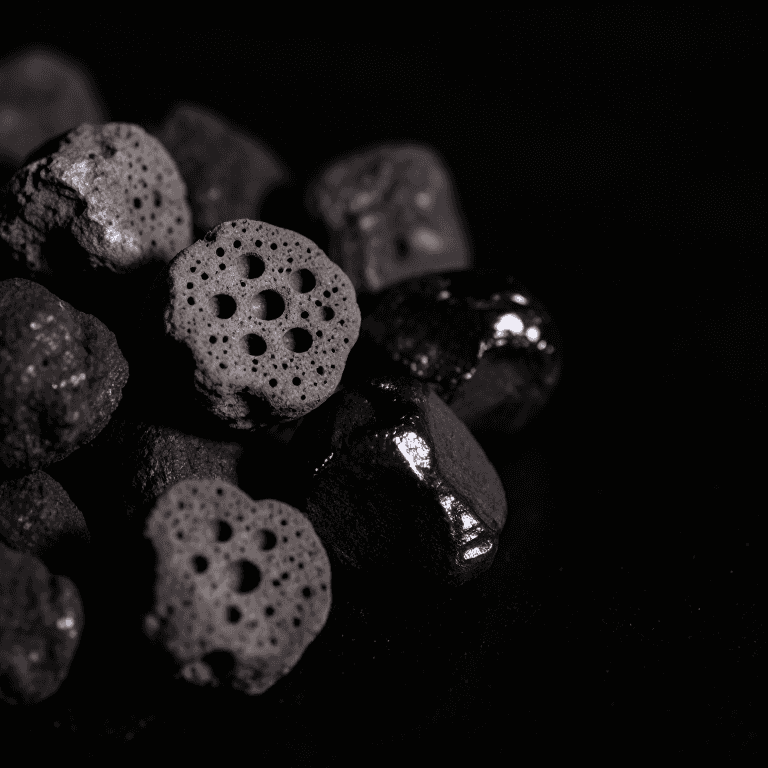
Questo progetto realizza
Blueprint correlati
Questi blueprint condividono conoscenze — tecniche, materiali o principi

CC0 Pubblico dominio
Questo progetto è rilasciato sotto CC0. Sei libero di copiare, modificare, distribuire e utilizzare quest'opera per qualsiasi scopo, senza chiedere permesso.
Supporta il Maker acquistando prodotti tramite il suo progetto dove guadagna una Commissione Maker stabilita dai venditori, oppure crea una nuova iterazione di questo progetto e includilo come collegamento nel tuo progetto per condividere i ricavi.