ARTE
BELLEZZA E BENESSERE
MESTIERE
CULTURA E STORIA
DIVERTIMENTO
AMBIENTE
CIBO E BEVANDE
INGEGNERIA INVERSA
SCIENZE
SPORT
TECNOLOGIA
INDOSSABILI
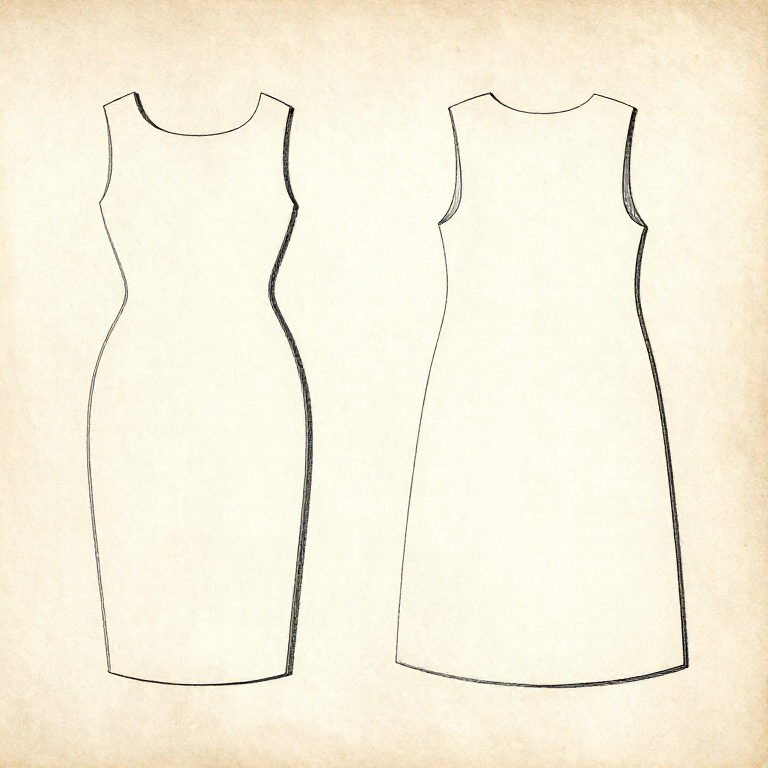


Ease: A Garment Is Bigger Than the Body, and by How Much Is a Decision
A garment cut to exactly the body's measurements cannot be worn. There would be no room to breathe, to sit down, or to raise an arm — so every garment is cut larger, and the amount is called EASE.
There are two kinds and they are constantly confused. WEARING ease is the minimum extra needed for the body to move: a few centimetres at the bust, more at the hip. DESIGN ease is everything beyond that, and it is what makes a garment fitted, relaxed or oversized.
Which means "it does not fit" usually means "it has the wrong ease", and that is a far more tractable problem. A pattern's ease can be read off, compared with the body, and changed before a single piece is cut.
Intermedio
3 hours
Istruzioni
1
1
Measure the body properly, and write it down
Measure the body properly, and write it down
Measure over the underwear that will be worn, with the tape snug but not pulled tight, and level all the way round — a tape that rides up at the back gives a measurement that is too small.
Take each measurement twice and take the second one if they differ, because the first is usually taken with the tape not yet settled. That is the repeat-and-look-at-the-spread rung: one reading is not a measurement.
Write them down with the date. Bodies change, and a pattern altered to measurements from three years ago fits a person who no longer exists. Dated measurements also let you see which way things are moving.
Strumenti necessari:
 Metro a nastro
2
2
Read the ease out of the pattern, and choose it
Read the ease out of the pattern, and choose it
Caricamento del notebook Jupyter…
Materiali per questo passaggio:
 Carta1 pezzo
Strumenti necessari:
Metro a nastro Computer da tavolo
 Righello
3
3
Make a toile before cutting the good cloth
Make a toile before cutting the good cloth
A TOILE (or muslin) is a trial garment in cheap cloth, made to check the fit before the real fabric is touched. It costs an afternoon and a few metres of calico and it is the single highest-value habit in garment making.
Sew it with long stitches and no finishing — it exists to be tried on, marked and taken apart. Mark corrections on it directly with a pen while it is being worn.
Then unpick it and use the pieces as the corrected pattern, or transfer the marks back to the paper. Either way the toile becomes the record, and the good cloth is cut once from a pattern that is already known to fit.
Materiali per questo passaggio:
 Mussola di cotone2 metre
 Filo di cotone1 pezzo
Strumenti necessari:
 Macchina da cucire
 Spilli da sarta
 Gessetto da sarto
 Tagliasole
4
4
Change one thing at a time when altering
Change one thing at a time when altering
Alter one aspect, try it on, then alter the next. Take in the side seams AND shorten the bodice AND move the shoulder in one round and you cannot tell which change helped or which caused the new problem.
That is the change-one-thing-at-a-time rung applied to a body, and it matters more here than almost anywhere because the pieces interact — shortening a bodice moves the waist, which changes where the hip measurement falls.
Work from the top down and from the largest problem to the smallest. Shoulders and neckline first, because everything hangs from them; hems last, because the hem's position depends on every alteration above it.
Materiali per questo passaggio:
Mussola di cotone1 metreStrumenti necessari:
Spilli da sartaGessetto da sartoMetro a nastroMateriali
3- 1 pezzoSegnaposto
- 3 metreSegnaposto
- 1 pezzoSegnaposto
Strumenti richiesti
7- 1 vendor sell this, none ship to you yetSegnaposto
- Segnaposto
- Segnaposto
- Segnaposto
- Segnaposto
- Segnaposto
- Segnaposto
Blueprint correlati
Questi blueprint condividono conoscenze — tecniche, materiali o principi

CC0 Pubblico dominio
Questo progetto è rilasciato sotto CC0. Sei libero di copiare, modificare, distribuire e utilizzare quest'opera per qualsiasi scopo, senza chiedere permesso.
Supporta il Maker acquistando prodotti tramite il suo progetto dove guadagna una Commissione Maker stabilita dai venditori, oppure crea una nuova iterazione di questo progetto e includilo come collegamento nel tuo progetto per condividere i ricavi.