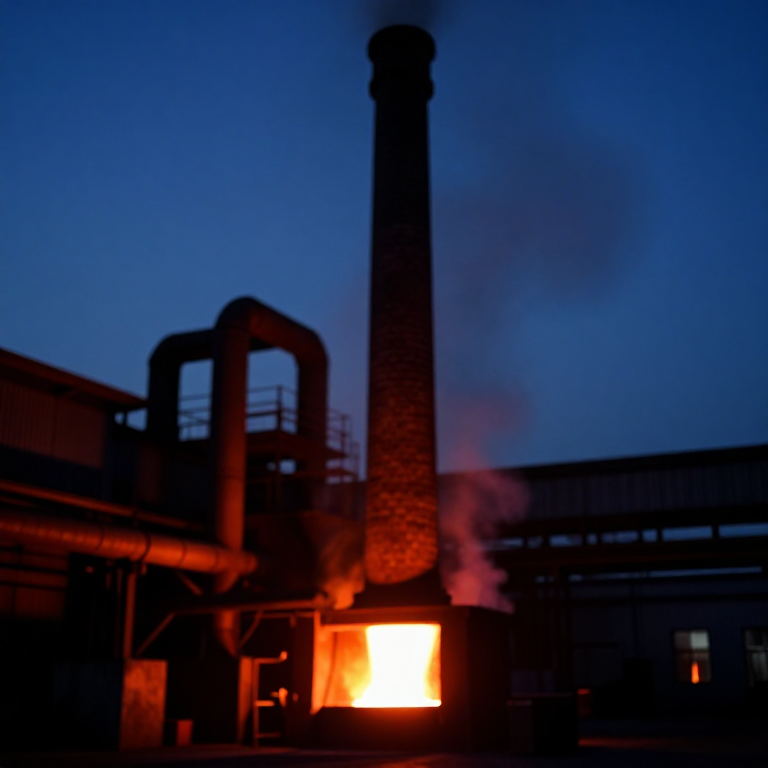


Building a Hot Blast Stove — Preheating the Air That Tripled the Blast Furnace
For centuries ironmasters believed a blast furnace ran best on cold winter air, and blew their furnaces with air at whatever temperature the weather gave. In 1828 the Scottish engineer James Neilson proved the opposite: heating the blast before it entered the furnace slashed the fuel needed and raised the output enormously. The hot blast was one of the great efficiency leaps of the iron age.
The idea seems backwards but the physics is sound. Cold air entering the furnace has to be heated by burning precious fuel before it can do its work; preheating the air outside the furnace, using waste heat that would otherwise escape up the chimney, means far less coke is wasted just warming the blast. Neilson's first stoves cut coke use by a third, and later regenerative stoves did far better still.
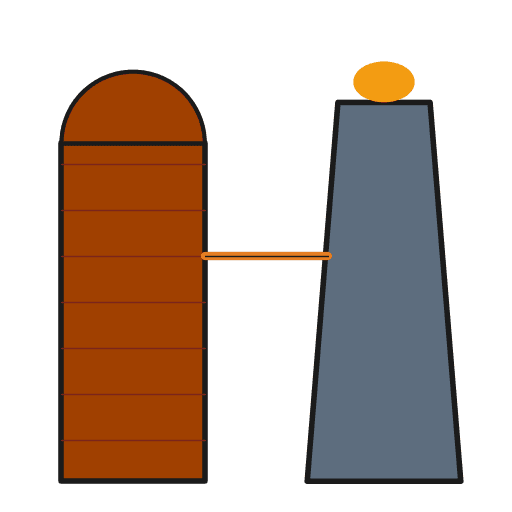
A hot blast stove is a chamber of brick or pipe that the blast passes through on its way to the tuyeres, heated by the furnace's own escaping gases. Bolted onto the pig-iron blast furnace, it made iron dramatically cheaper — and cheap iron was the lifeblood of the Industrial Revolution.
Istruzioni
Understand the hot blast
Understand the hot blast
Tap the furnace waste gas
Tap the furnace waste gas
Strumenti necessari:
 Canalizzazioni d'aria
Build the stove chamber
Build the stove chamber
Materiali per questo passaggio:
 Mattoni refrattari200 pezzi
Strumenti necessari:
 Paletta da giardino
Heat the stove
Heat the stove
Materiali per questo passaggio:
 Coke metallurgico20 kg
Pass the blast through
Pass the blast through
Strumenti necessari:
 Soffiatore d'aria
Alternate the regenerator stoves
Alternate the regenerator stoves
Insulate the hot main
Insulate the hot main
Materiali per questo passaggio:
 Cemento refrattario15 kg
Deliver the hot blast
Deliver the hot blast
Strumenti necessari:
 Barra di spillatura
Control the temperature
Control the temperature
Strumenti necessari:
 Pirometro
Measure the saving
Measure the saving
Mind the hazards
Mind the hazards
See the impact
See the impact
Materiali
3- 200 pezziSegnaposto
- 20 kgSegnaposto
- 15 kgSegnaposto
Strumenti richiesti
5- Segnaposto
- Segnaposto
- Segnaposto
- Segnaposto
- Segnaposto
Materiali dei progetti collegati

Questo progetto realizza
Blueprint correlati
Questi blueprint condividono conoscenze — tecniche, materiali o principi
CC0 Pubblico dominio
Questo progetto è rilasciato sotto CC0. Sei libero di copiare, modificare, distribuire e utilizzare quest'opera per qualsiasi scopo, senza chiedere permesso.
Supporta il Maker acquistando prodotti tramite il suo progetto dove guadagna una Commissione Maker stabilita dai venditori, oppure crea una nuova iterazione di questo progetto e includilo come collegamento nel tuo progetto per condividere i ricavi.