Collaborazione
ARTE
BELLEZZA E BENESSERE
MESTIERE
CULTURA E STORIA
DIVERTIMENTO
AMBIENTE
CIBO E BEVANDE
INGEGNERIA INVERSA
SCIENZE
SPORT
TECNOLOGIA
INDOSSABILI
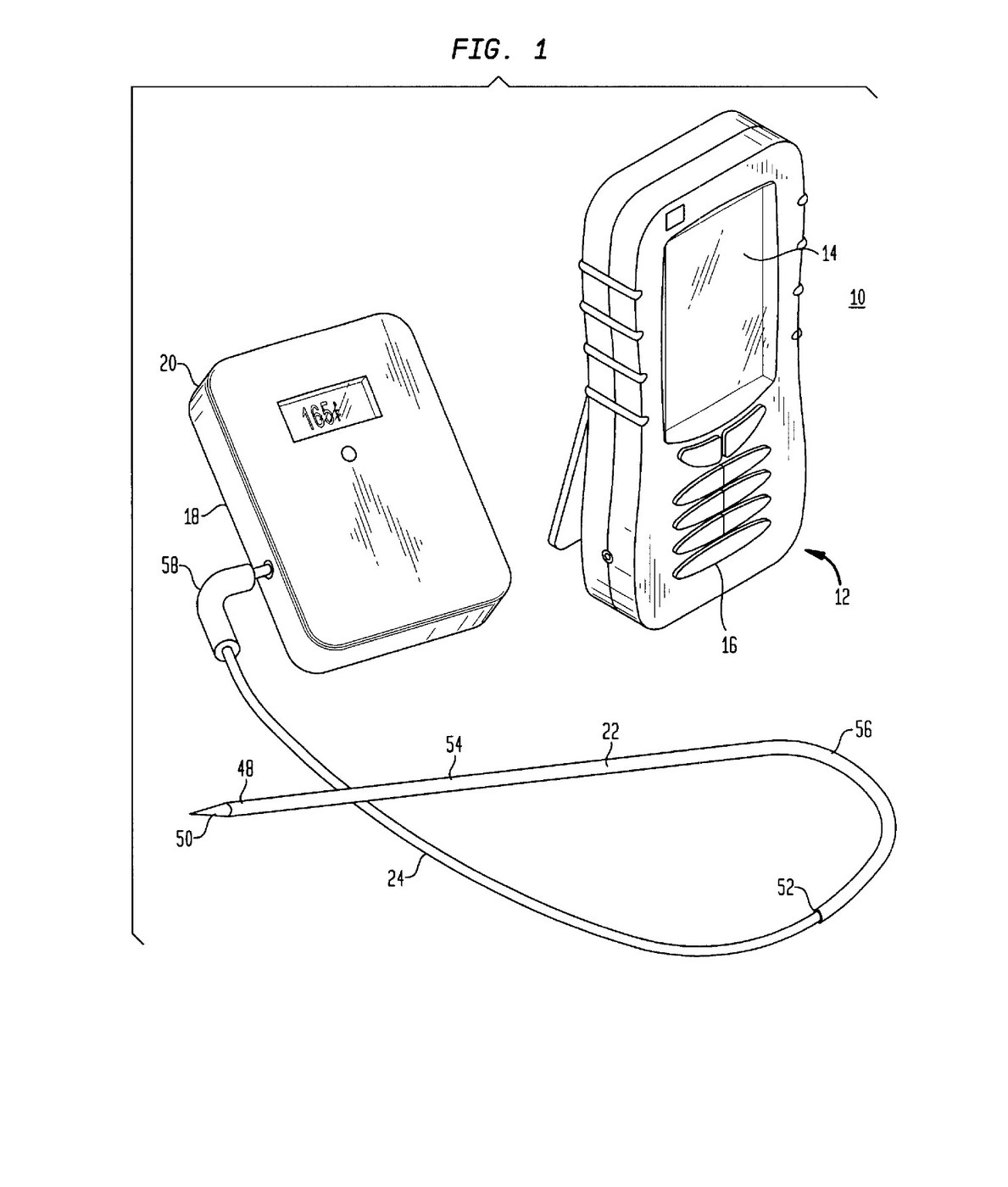


Leave-In Probe Thermometer: Stainless Probe on a Flexible Lead to a Programmable Timer (Chapman, US 6,568,848, 2003)
A meat thermometer you leave in the roast. A pointed stainless steel probe stays in the meat. A flexible lead runs out of the oven to a battery timer unit with a display, keys and a beeper. You pick the meat and how well done you want it; the unit shows the temperature and the time left, and beeps when it is done.
Result: continuous reading of the inside of the meat without opening the oven.
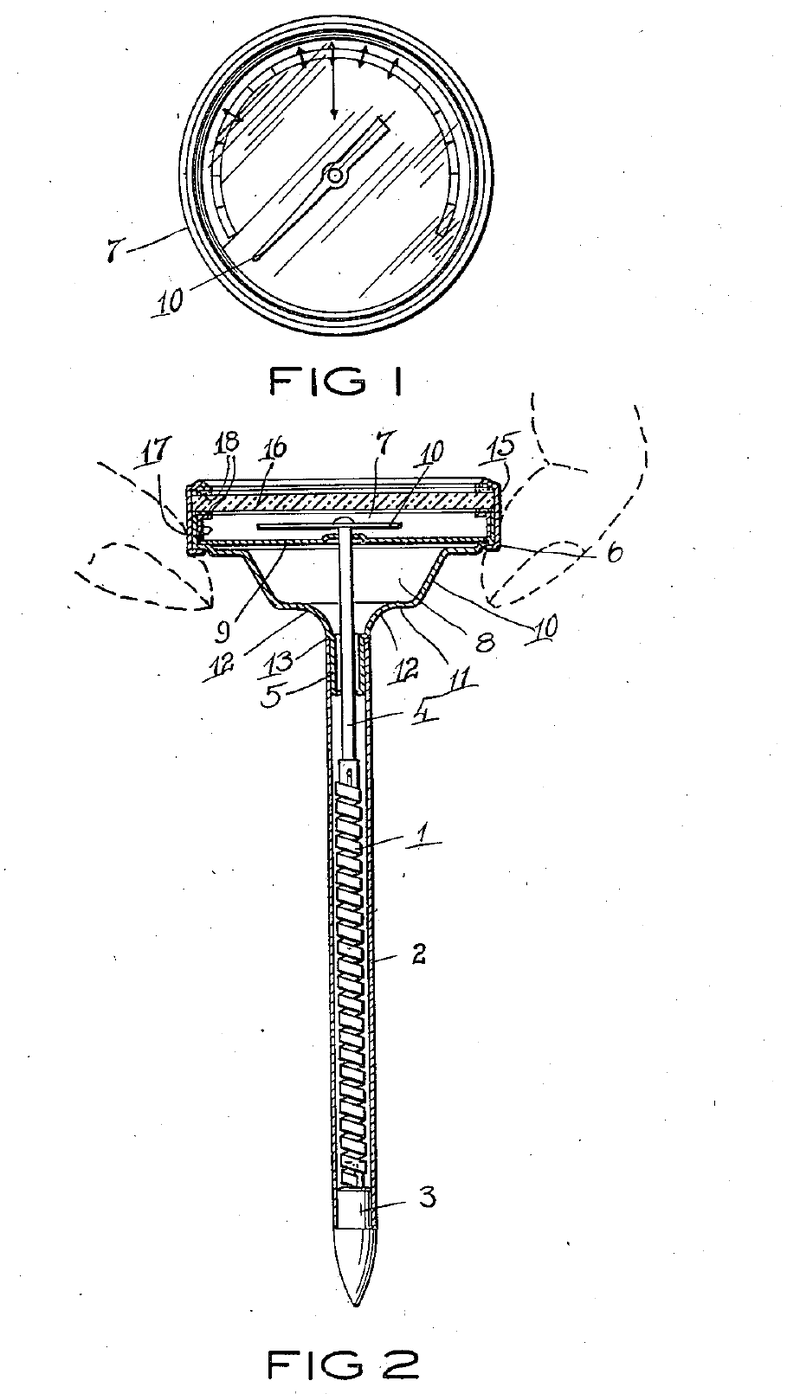
Source: P. A. Chapman and C.-A. Chang (Maverick Industries), US 6,568,848 (2003). The patent's main form sends the readings by radio; it also states this wired form. Unknown: the sensor, the circuit, the target temperatures and the materials. Picture: the patent drawing.
Intermedio
Unknown
Istruzioni
1
1
Make the probe
Make the probe
Make the probe of a rigid material such as stainless steel. It has a pointed end that goes into the meat, a straight section from the point, then a curved section to the other end. The temperature sensor sits inside. Not given: the type of sensor, sizes.
Materiali per questo passaggio:
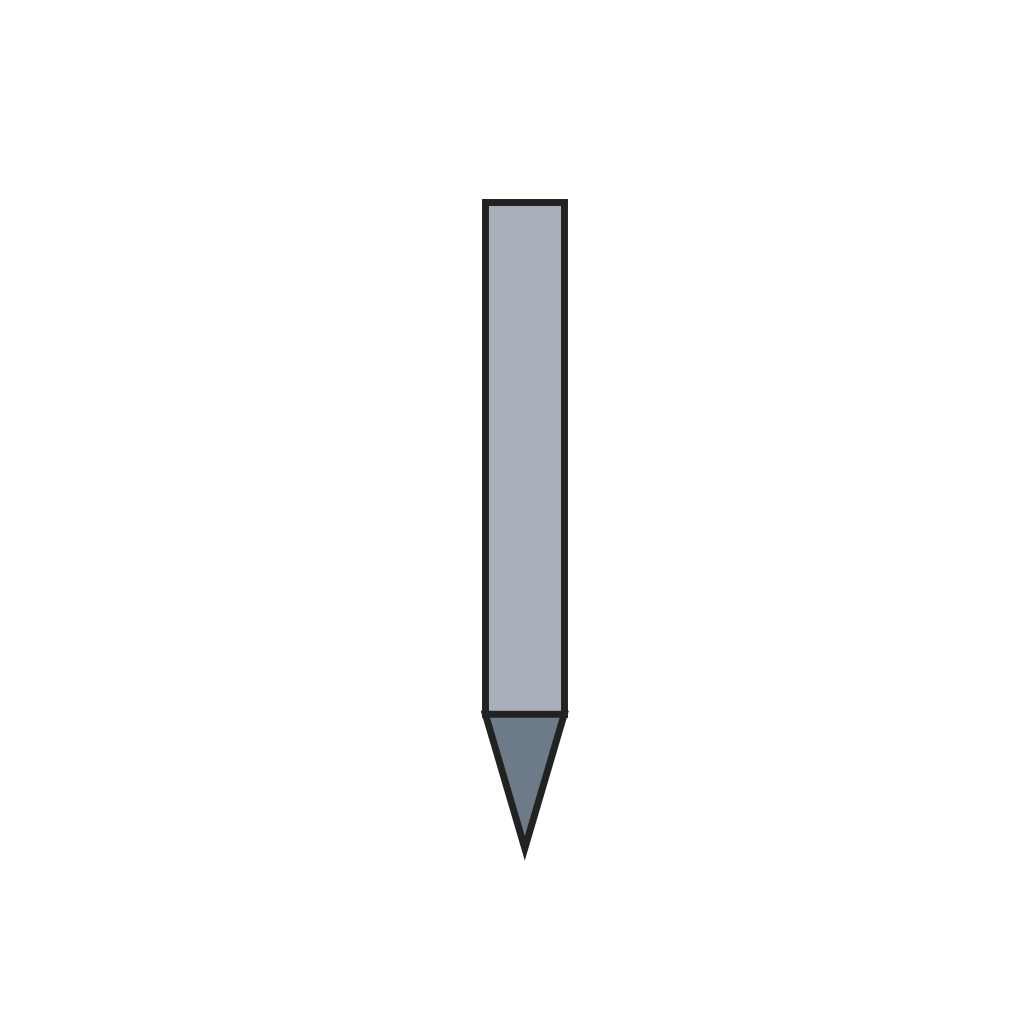 Tubo del termometro con tappo appuntito1 stainless steel
 Sensore di temperatura1 pezzo
Strumenti necessari:
 Dimensioni sconosciute
 Saldatore a stagno
2
2
Fit the flexible lead and plug
Fit the flexible lead and plug
Join a flexible lead to the curved end of the probe, so the probe can lie at any angle to the unit. Put a plug with a male end on the other end of the lead. Not given: the lead material, the plug type, the length.
Materiali per questo passaggio:
 Cavo multipolare1 flexible lead
 Connettore sconosciuto1 plug
 Filo per saldatura1 as needed
Strumenti necessari:
Saldatore a stagnoDimensioni sconosciute3
3
Build the timer unit
Build the timer unit
In a hand-held case, fit a microprocessor that runs the cooking programs, a liquid crystal display, a beeper and batteries. Fit nine keys: clock or timer, probe A or B, meat type, doneness, two to set and change the final temperature, hours, minutes, and start/stop. Add a jack for each probe, a stand to set it upright and a clip for a belt or pocket. Not given: the circuit, the program, the case material.
Materiali per questo passaggio:
 Circuito stampato1 pezzo
 Circuito integrato1 microprocessor
 Display LCD a segmenti1 pezzo
 Pulsante9 keys
 Cicalino piezoelettrico1 pezzoConnettore sconosciuto2 probe jacks
 Batteria1 as needed
 Materiale sconosciuto1 case, stand, clipFilo per saldatura1 as needed
Strumenti necessari:
Saldatore a stagno Set di cacciaviti
4
4
Roast with it
Roast with it
Plug the probe into the timer unit. Pick the meat (beef, veal, lamb, pork, chicken, turkey) and the doneness (rare, medium rare, medium, well-done); the patent cooks to USDA guidelines. Push the probe into the meat, put it in the oven and lead the cable out to the unit, then press start. The display shows the meat, the doneness, the temperature (°F or °C) and the time left, and the beeper sounds at the right moments. A second probe watches a second piece. Not given: the temperature for each doneness.
Strumenti necessari:
 Forno
Materiali
12- 1 stainless steelSegnaposto
- Segnaposto
- 1 flexible leadSegnaposto
- 2 probe jacksSegnaposto
- 2 as neededSegnaposto
- 1 pezzoSegnaposto
- 1 microprocessorSegnaposto
- 1 pezzoSegnaposto
- Segnaposto
- 1 pezzoSegnaposto
- 1 as neededSegnaposto
- 1 case, stand, clipSegnaposto
Materiali dei progetti collegati


Questo progetto realizza

Blueprint correlati
Questi blueprint condividono conoscenze — tecniche, materiali o principi
CC0 Pubblico dominio
Questo progetto è rilasciato sotto CC0. Sei libero di copiare, modificare, distribuire e utilizzare quest'opera per qualsiasi scopo, senza chiedere permesso.
Supporta il Maker acquistando prodotti tramite il suo progetto dove guadagna una Commissione Maker stabilita dai venditori, oppure crea una nuova iterazione di questo progetto e includilo come collegamento nel tuo progetto per condividere i ricavi.