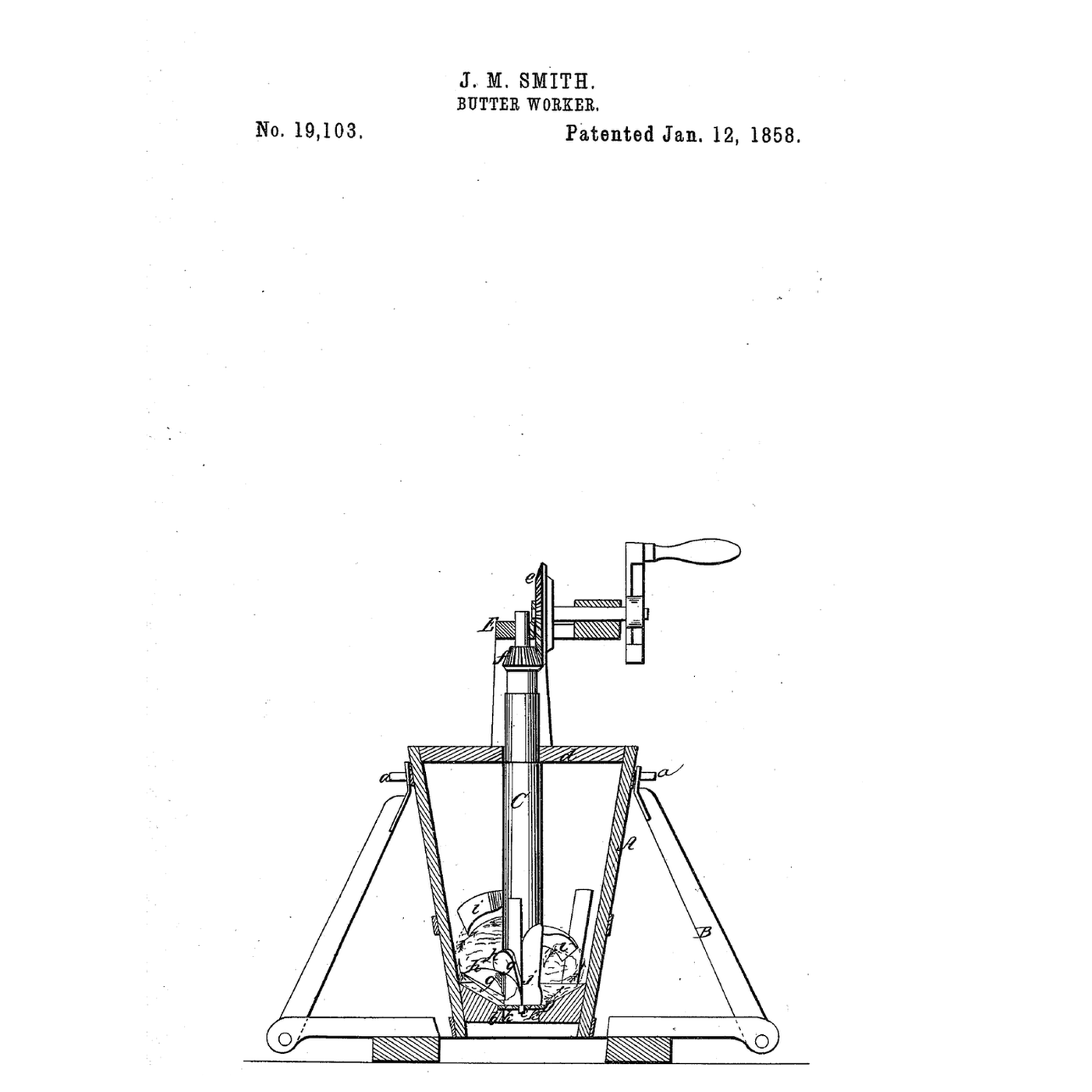
Opposed-Blade Cone Butter Worker: Blades Lift and Press the Butter in a Cone, Buttermilk Drains Below
Istruzioni
Lifted and pressed down
Lifted and pressed down
A cone that drains at its point, before it
A cone that drains at its point, before it
Read US 19,103
Read US 19,103
Print the parts
Print the parts
Materiali per questo passaggio:
 Filamento PETG1 pezzo
Strumenti necessari:
 Stampante 3D a filamento (FDM)
Case and frame
Case and frame
Materiali per questo passaggio:
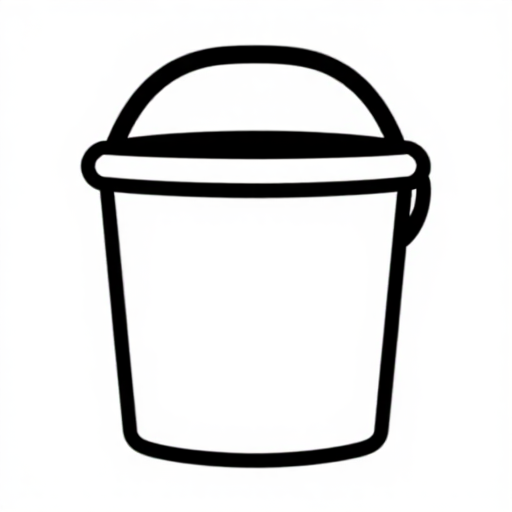 Secchio da 20 litri1 pezzo
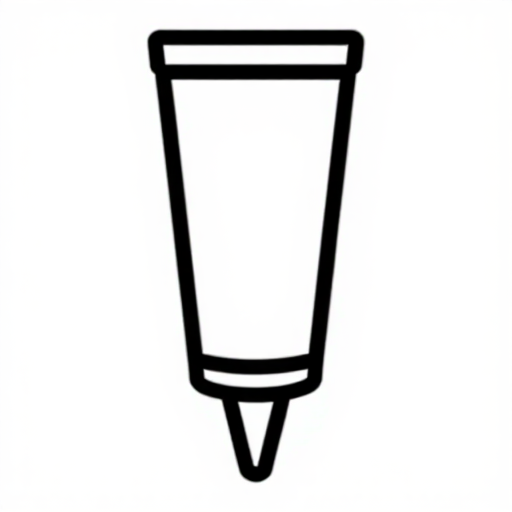 Sigillante siliconico1 pezzo
 Tavola di pino1 pezzo
 Bullone a testa tonda e collo quadro1 pezzo
 Rondella piana1 pezzo
 Dado esagonale1 pezzo
Strumenti necessari:
 Kit di seghe a tazza
 Trapano a batteria
 Sega a mano
 Chiave regolabile a rullino
Shaft and blades
Shaft and blades
Materiali per questo passaggio:
 Tasselli di legno duro1 pezzoTavola di pino1 pezzo
 Colla da legno1 pezzo
Strumenti necessari:
Sega a manoTrapano a batteria Serie di punte da trapano
The patent drawing
The patent drawing
Work the butter
Work the butter
Materiali per questo passaggio:
 Panna da montare1500 ml
 Sale marino grosso1 pezzo
Strumenti necessari:
 Termometro a sonda permanente
 Cronometro
 Bilancia digitale da cucina
 Grande ciotola da impasto in acciaio inossidabile
Troubleshooting
Troubleshooting
Flow
History and honest limits
History and honest limits
Materiali
11- 1 pezzoSegnaposto
- 1 pezzoSegnaposto
- 1 pezzoSegnaposto
- 1 pezzoSegnaposto
- Segnaposto
- 1 pezzoSegnaposto
- 1 pezzoSegnaposto
- 1 pezzoSegnaposto
- 1 pezzoSegnaposto
- 1500 mlSegnaposto
- 1 pezzoSegnaposto
Strumenti richiesti
10- Segnaposto
- Segnaposto
- 1 vendor sell this, none ship to you yetSegnaposto
- Segnaposto
- Segnaposto
- Segnaposto
- Segnaposto
- Segnaposto
- Segnaposto
Blueprint correlati
Questi blueprint condividono conoscenze — tecniche, materiali o principi
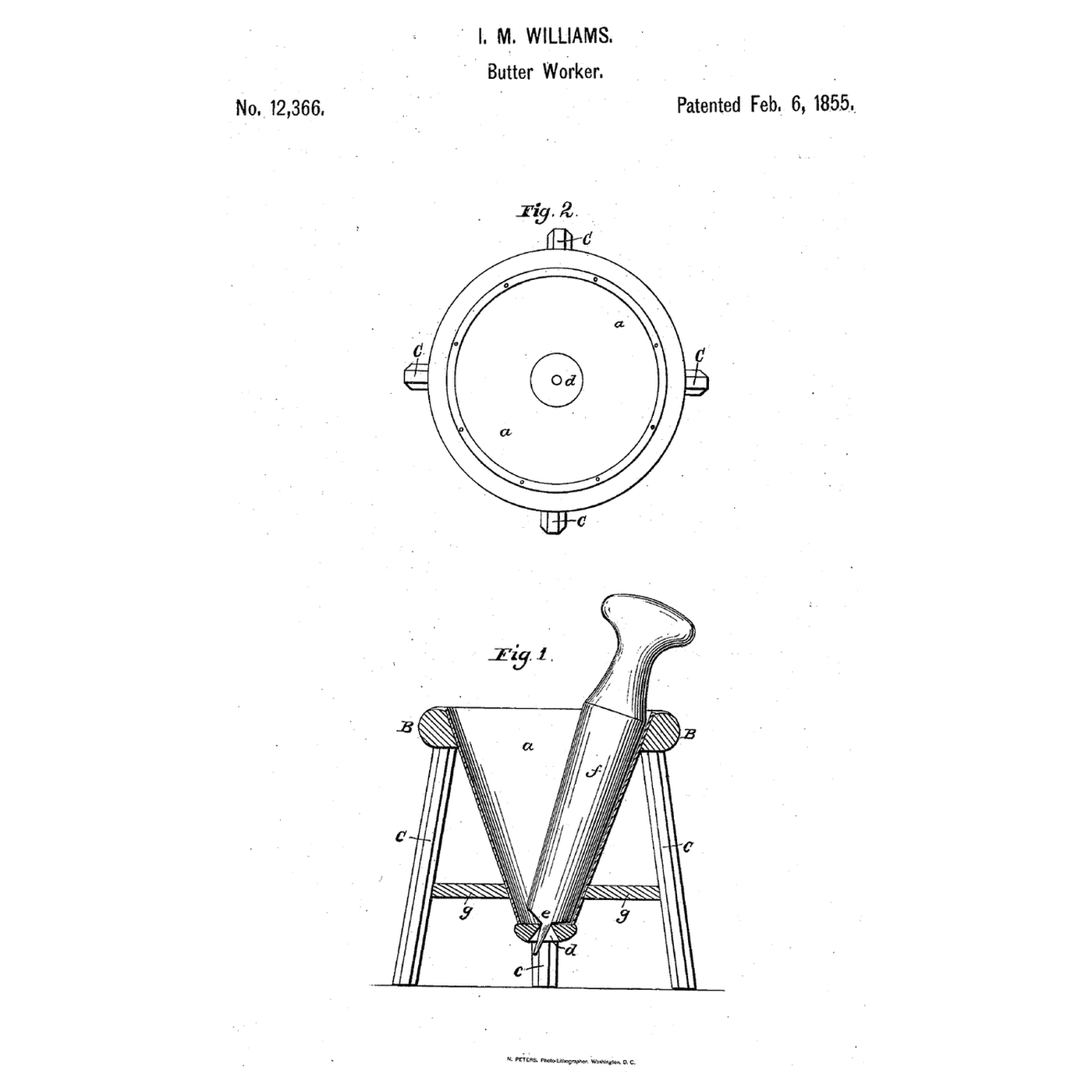
Cone-Bowl Roller Butter Worker: Roll a Conical Stick Round a Conical Bowl, the Buttermilk Drains Below
di YourGrandma
Lavorazione del legno
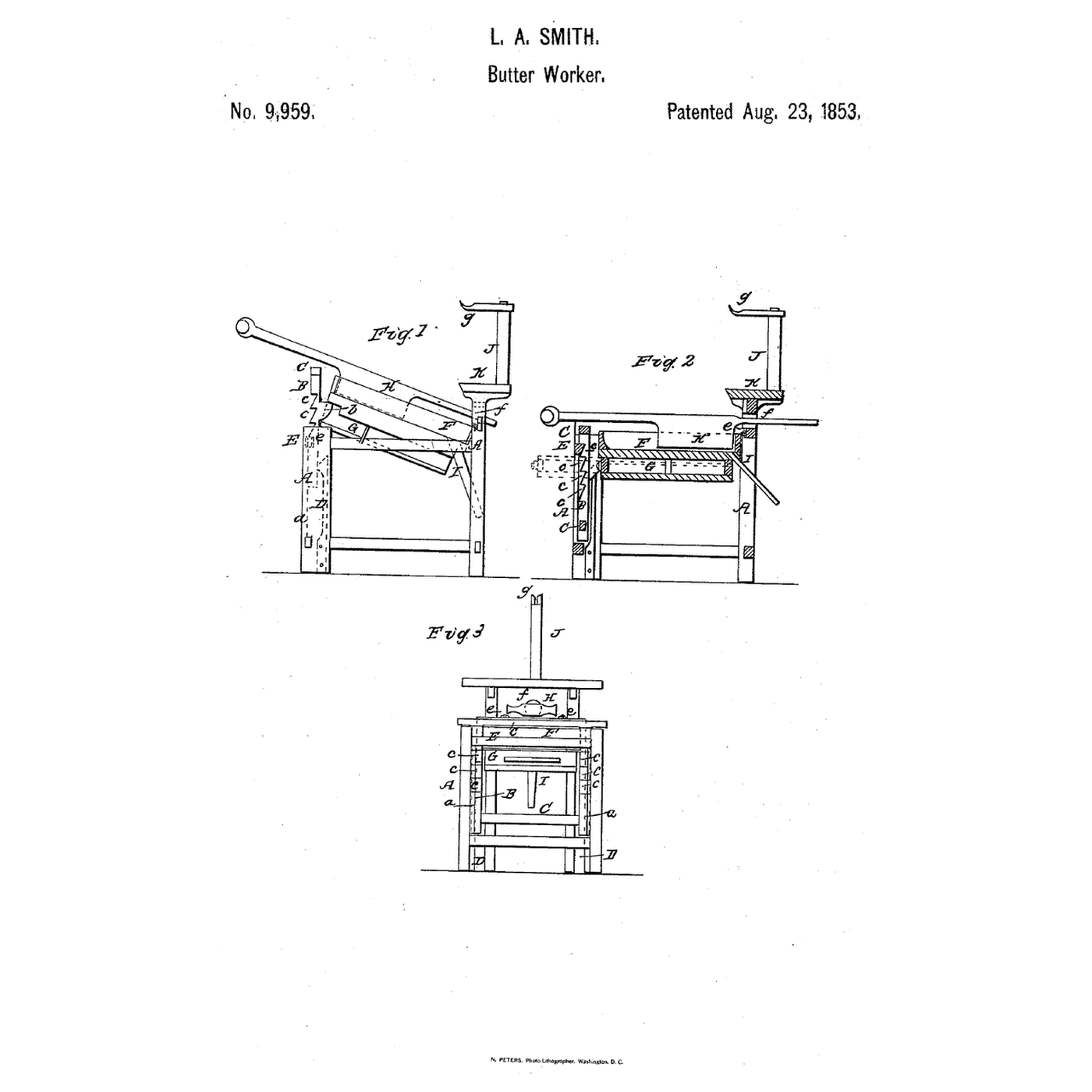
Ice-Drawer Butter Worker: An Ice Box Under the Tray, a Worker With Acute Edges
di YourGrandma
Lavorazione del legno

Churning Butter from Cream — The 5,000-Year-Old Fat Separation
di TheChef
MESTIERE
CC0 Pubblico dominio
Questo progetto è rilasciato sotto CC0. Sei libero di copiare, modificare, distribuire e utilizzare quest'opera per qualsiasi scopo, senza chiedere permesso.
Supporta il Maker acquistando prodotti tramite il suo progetto dove guadagna una Commissione Maker stabilita dai venditori, oppure crea una nuova iterazione di questo progetto e includilo come collegamento nel tuo progetto per condividere i ricavi.