ARTE
BELLEZZA E BENESSERE
MESTIERE
CULTURA E STORIA
DIVERTIMENTO
AMBIENTE
CIBO E BEVANDE
INGEGNERIA INVERSA
SCIENZE
SPORT
TECNOLOGIA
INDOSSABILI
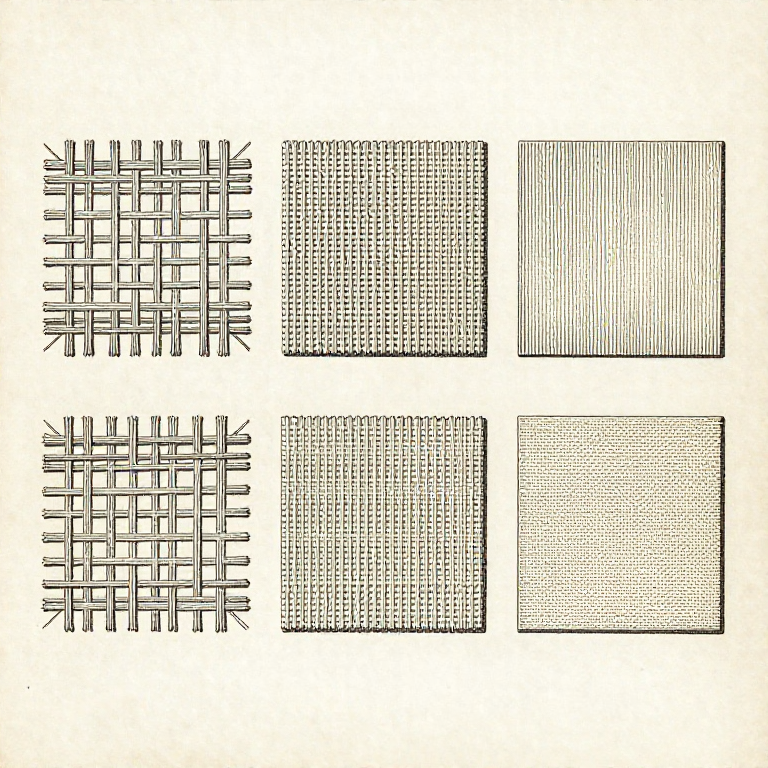


Sett: The One Number That Makes the Cloth
Sett is how many warp threads there are to the inch, and it is the decision that turns a yarn into a fabric. The same yarn at 8 ends per inch makes an open, floppy cloth; at 20 it makes a dense, stiff one. Neither is wrong, and only one of them is what you wanted.
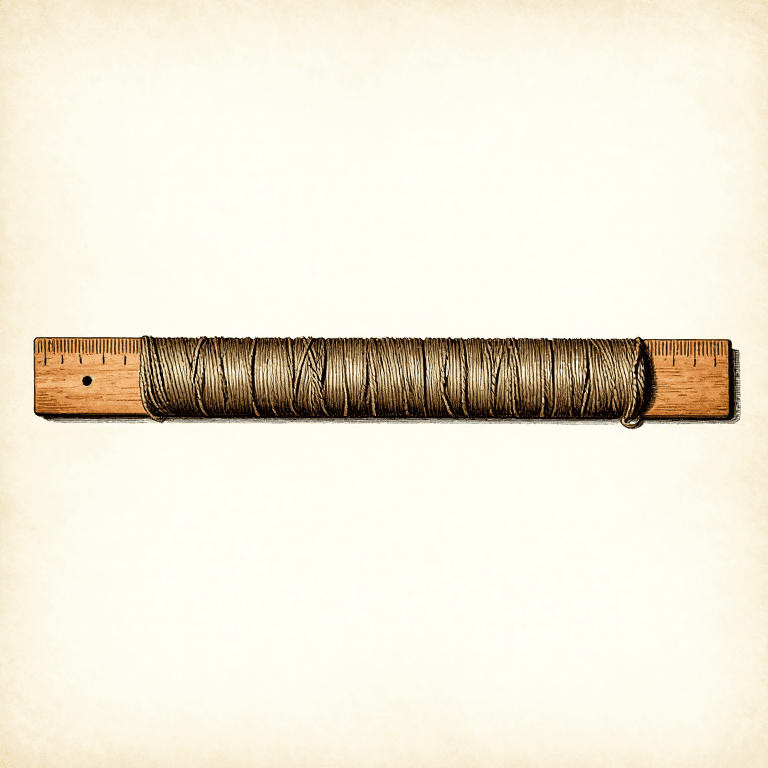
The starting point is the yarn's **wraps per inch**, which is how many threads fit side by side with no room to interlace. The working sett is a fraction of that, and the fraction depends on the weave structure — plain weave needs the most room because it bends at every crossing.
After that, the answer comes from a sample, and the sample has to be washed.
Intermedio
4 hours
Istruzioni
1
1
From wraps per inch to a working sett
From wraps per inch to a working sett
**Measure the wraps per inch** as the grist rung describes: wind the yarn round a ruler until the wraps touch without squeezing, count over an inch, and repeat in two more places. It is a surprisingly repeatable measurement if the yarn is not pulled tight.
**Then take a fraction of it**, and the fraction is the structure:
* **half** for a balanced plain weave, where warp and weft show equally
* **about two thirds** for a 2/2 twill
* **three quarters** for a satin or anything with long floats
* **a quarter or less** for weft-faced work — tapestry, rugs — where the weft is beaten down to cover the warp entirely
* **the full wraps per inch, or more** for warp-faced bands, where the warp covers the weft
**Those two extremes are the interesting ones.** A tapestry and an inkle band can be woven from the same yarn on the same loom and share nothing else: one hides the warp completely and the other hides the weft.
**Round to what the reed can do.** A reed has a fixed dents per inch, and the sett is set by how many ends are sleyed per dent — 2 per dent in a 10-dent reed is 20 ends per inch. That quantises the choice, which is usually a relief.
Materiali per questo passaggio:
 Filato di lana non tinto1 pezzo
 Filo di ordito in cotone1 pezzo
Strumenti necessari:
 Righello
2
2
The arithmetic, and what a sett costs
The arithmetic, and what a sett costs
Caricamento del notebook Jupyter…
Strumenti necessari:
 Computer da tavolo
3
3
Reading a sample, and why it must be washed
Reading a sample, and why it must be washed
**Cloth on the loom is not cloth.** It is under tension, stretched in one direction and held flat. Cut it off and it relaxes; wash it and the threads bloom, shift and settle into each other. The change is large and it is the whole of what finishing means.
A woollen cloth can lose 10 to 20% in both directions and go from an open mesh to a solid fabric. A linen cloth softens dramatically and barely shrinks. Neither can be predicted from the cloth on the loom.
**So: weave, cut off, wash, dry, and only then judge.**
**Too open** — the cloth is sleazy, threads slide over each other, it has no body. More ends per inch.
**Too dense** — the cloth is board-stiff and the weft is hard to beat in straight. Fewer ends per inch.
**Right** — it drapes the way the finished thing should, and the warp and weft show in the proportion intended.
**Measure the sample before and after washing**, in both directions, and write the shrinkage down. That percentage is what the next project's warp length and width are calculated from, and it is specific to the yarn and the finishing.
Materiali per questo passaggio:
Filato di lana non tinto1 pezzoFilo di ordito in cotone1 pezzoStrumenti necessari:
Righello Bilancia di precisione
4
4
Warp sett and weft picks are two different numbers
Warp sett and weft picks are two different numbers
Sett is the warp. The weft has its own density — **picks per inch** — and it is controlled entirely by how hard the weaving is beaten.
**A balanced cloth has picks per inch equal to ends per inch.** Warp and weft show equally, and it is what most plain weave aims at.
**Weft-faced** cloth has many more picks than ends. The weft is beaten hard between widely spaced warps until it covers them completely. Tapestry, rag rugs, and most floor coverings.
**Warp-faced** cloth has fewer picks than ends. The warp is set so close that it hides the weft entirely. Inkle bands, tablet weaving, straps and belts — and it is why those traditions produce strong narrow things rather than cloth.
**Check the balance as you weave**, not at the end. Weave an inch, measure how many picks went in, and compare with the sett. Drifting one way or the other over a long piece is the commonest fault in a beginner's cloth, and it is invisible while it happens.
**A square marked on the cloth** is the classic check: lay in a contrasting thread, weave what looks like the same distance, and see whether the shape is square. If it is longer than it is wide, the beat is too light.
Materiali per questo passaggio:
Filo di ordito in cotone1 pezzoFilato di lana non tinto1 pezzoStrumenti necessari:
Righello Telaio a pedali
Materiali
2- 3 pezziSegnaposto
- 3 pezziSegnaposto
Blueprint correlati
Questi blueprint condividono conoscenze — tecniche, materiali o principi
CC0 Pubblico dominio
Questo progetto è rilasciato sotto CC0. Sei libero di copiare, modificare, distribuire e utilizzare quest'opera per qualsiasi scopo, senza chiedere permesso.
Supporta il Maker acquistando prodotti tramite il suo progetto dove guadagna una Commissione Maker stabilita dai venditori, oppure crea una nuova iterazione di questo progetto e includilo come collegamento nel tuo progetto per condividere i ricavi.