ARTE
BELLEZZA E BENESSERE
MESTIERE
CULTURA E STORIA
DIVERTIMENTO
AMBIENTE
CIBO E BEVANDE
INGEGNERIA INVERSA
SCIENZE
SPORT
TECNOLOGIA
INDOSSABILI
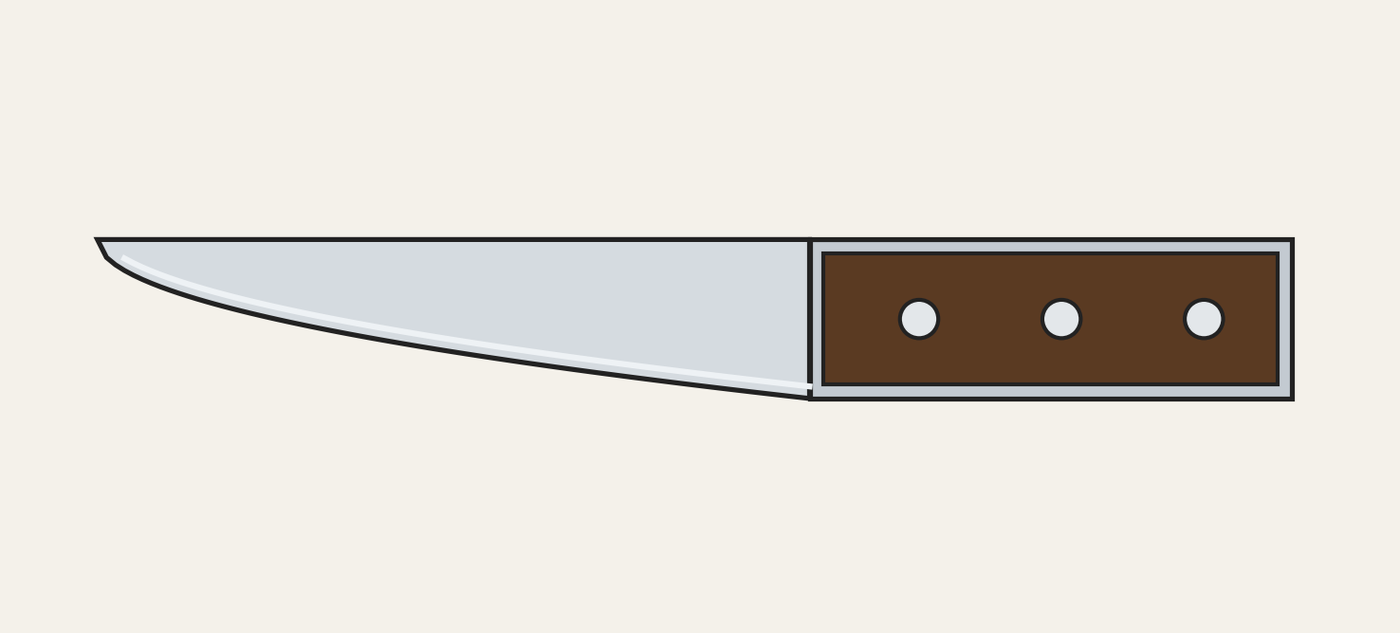


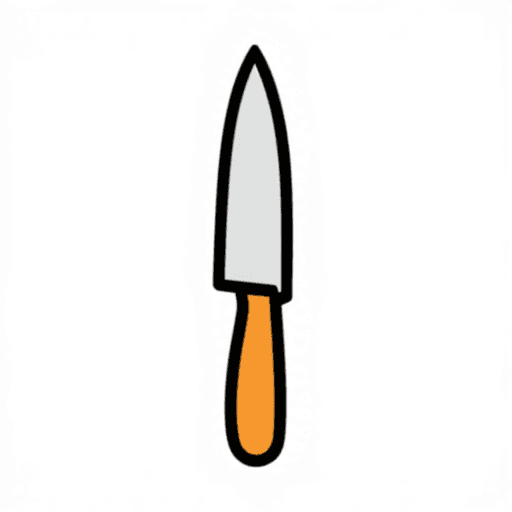
Stamped Kitchen Knife: Blade, Tang and Riveted Scales
Kitchen knife blades are either forged or stamped. A stamped blade is cut to shape straight from cold-rolled steel, then heat-treated for strength, ground, polished and sharpened; it can often be recognised by having no bolster. Typical stainless kitchen knives are 420 stainless, an alloy of iron with about 10–15% chromium and little carbon, which resists rust far better than carbon steel. In the traditional Western knife the tang, the part of the blade inside the handle, carries two scales of wood, plastic or composite, one each side, held by metal rivets, usually three.
Avanzato
Factory process
Istruzioni
1
1
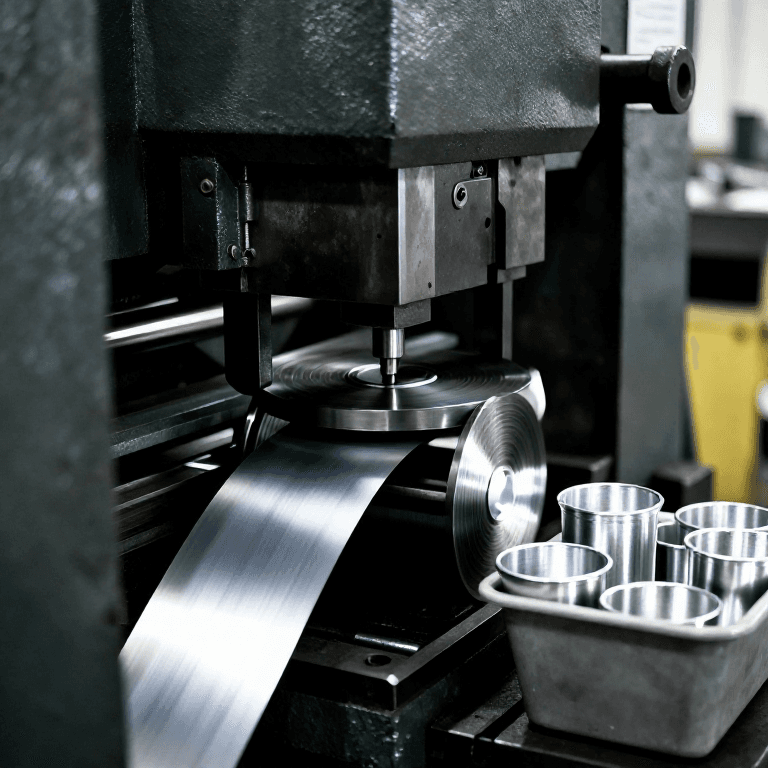
Stamp the blank
Stamp the blank
Cut the blade with its tang straight from cold-rolled stainless steel in the press.
Materiali per questo passaggio:
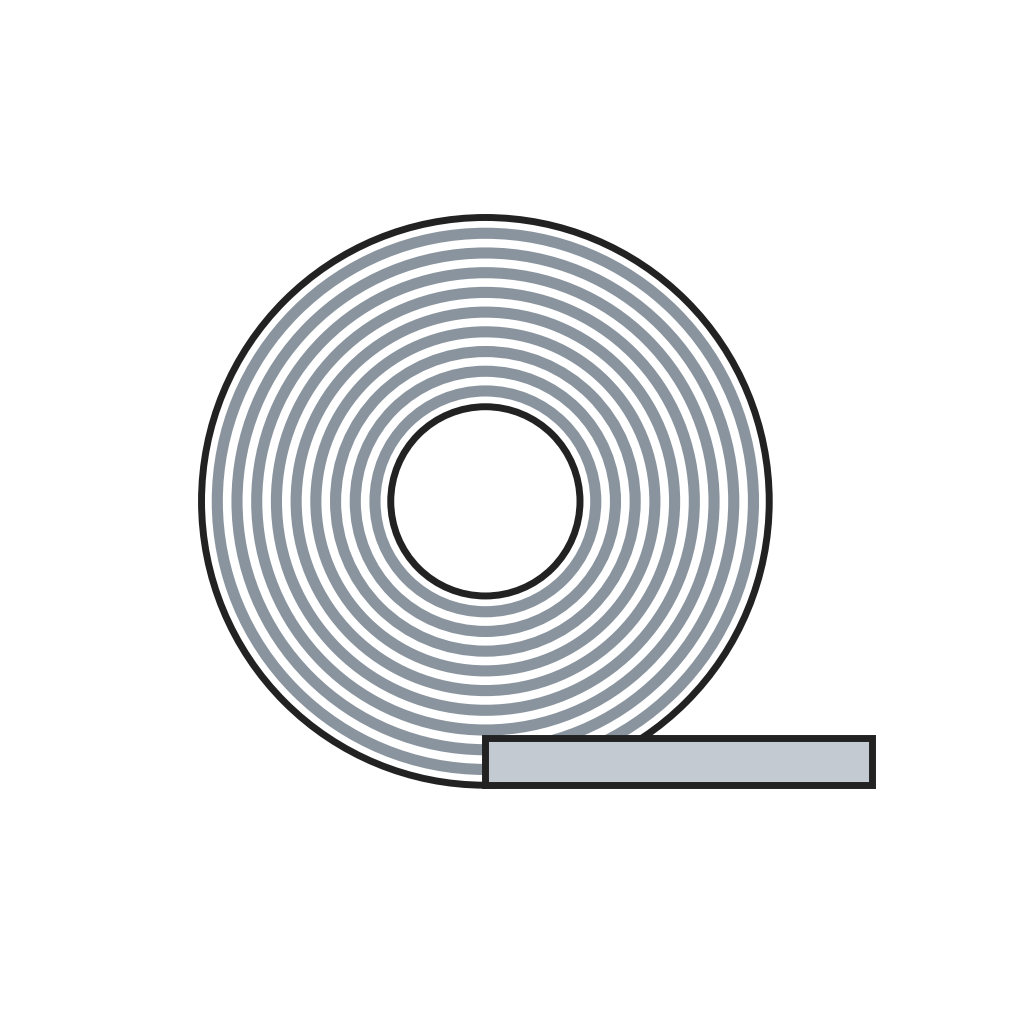 Nastro in acciaio inox laminato a freddo (420)1 as required
Strumenti necessari:
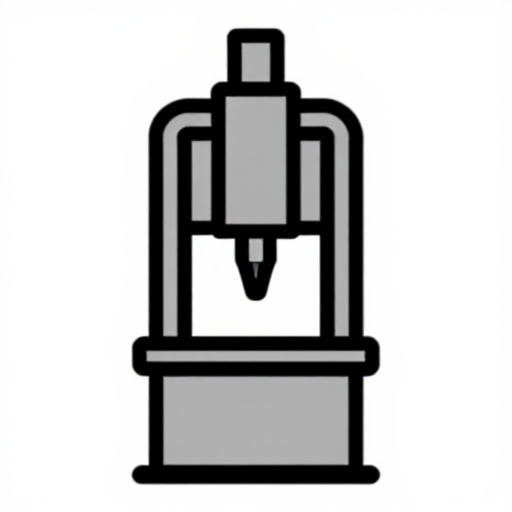 Pressa per stampaggio
2
2
Heat treat
Heat treat
Heat-treat the blank for strength.
Strumenti necessari:
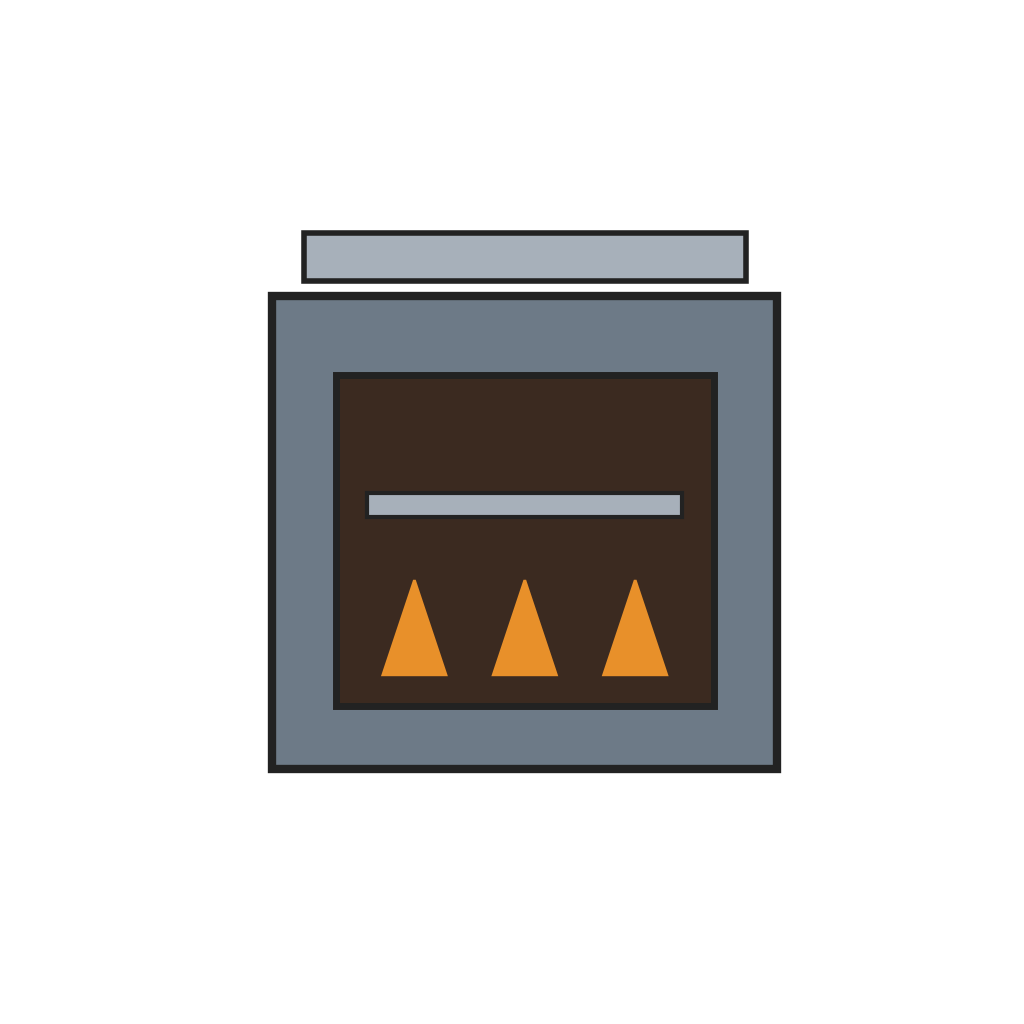 Forno per trattamenti termici
3
3
Grind, polish and sharpen
Grind, polish and sharpen
Grind the blade, polish it and sharpen the edge.
Strumenti necessari:
 Levigatrice a nastro
 Ruota per lucidare
 Pietra per affilare
4
4
Rivet the scales
Rivet the scales
Fit a scale to each side of the tang and fix them with the rivets, usually three.
Materiali per questo passaggio:
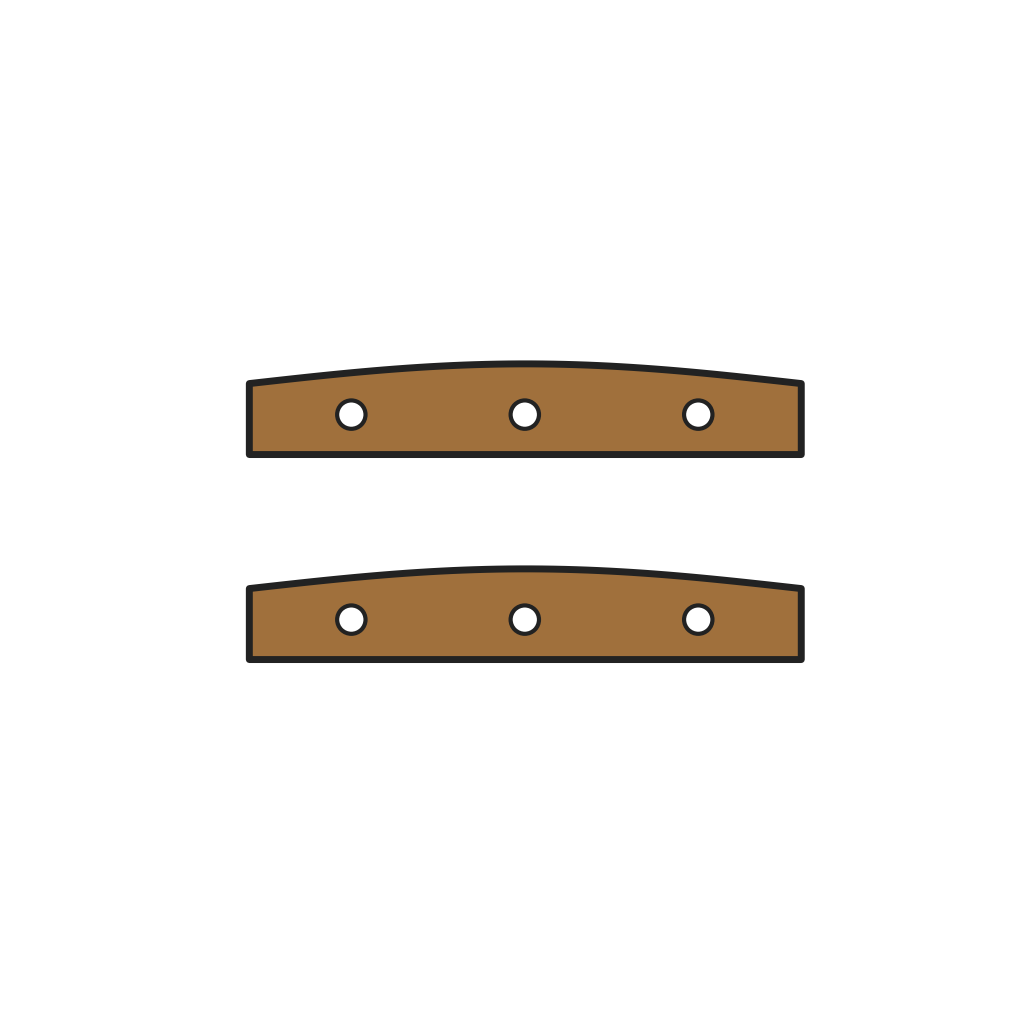 Guancette per manico di coltello2 pezzi
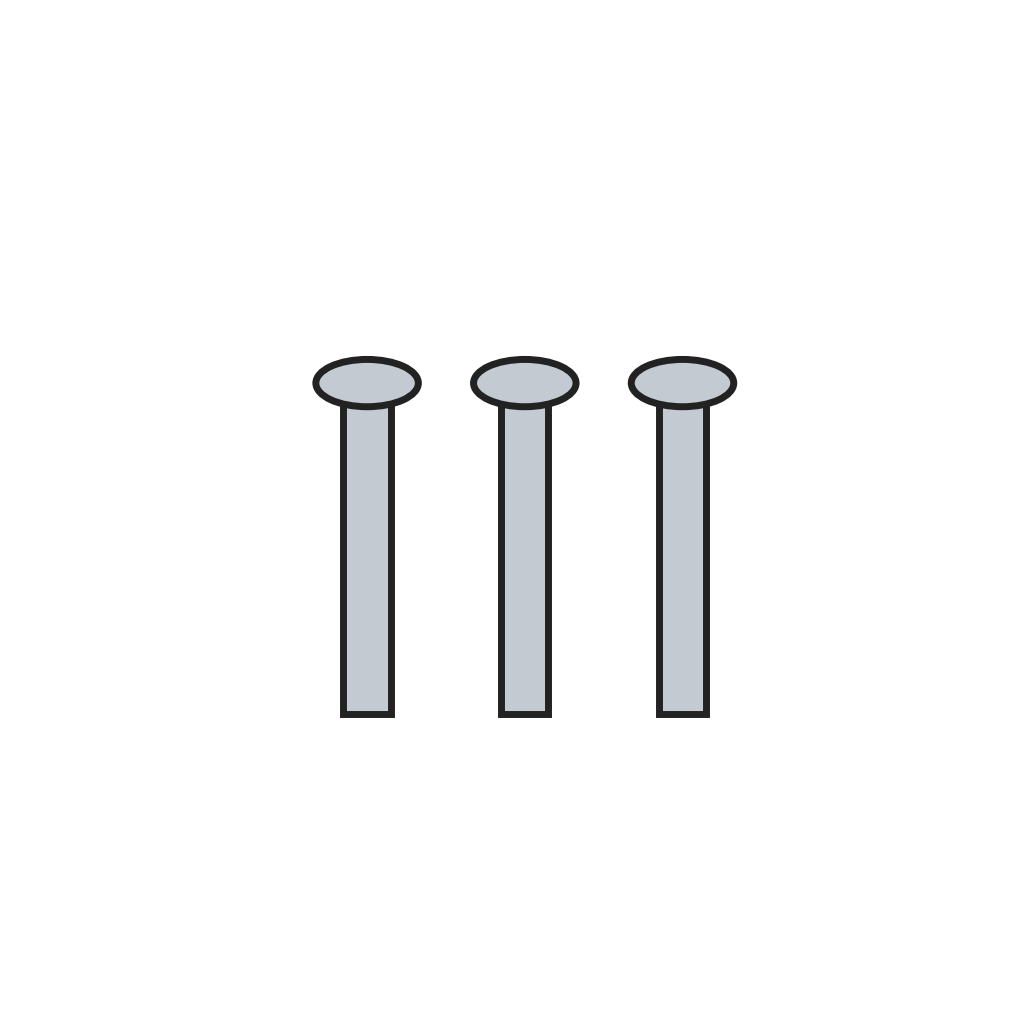 Rivetti per manico di coltello3 pezzi
Materiali
3- 1 as requiredSegnaposto
- Segnaposto
- Segnaposto
Strumenti richiesti
5- Segnaposto
- Segnaposto
- Segnaposto
- Segnaposto
- Segnaposto
Questo progetto realizza
Blueprint correlati
Questi blueprint condividono conoscenze — tecniche, materiali o principi



CC0 Pubblico dominio
Questo progetto è rilasciato sotto CC0. Sei libero di copiare, modificare, distribuire e utilizzare quest'opera per qualsiasi scopo, senza chiedere permesso.
Supporta il Maker acquistando prodotti tramite il suo progetto dove guadagna una Commissione Maker stabilita dai venditori, oppure crea una nuova iterazione di questo progetto e includilo come collegamento nel tuo progetto per condividere i ricavi.