ARTE
BELLEZZA E BENESSERE
MESTIERE
CULTURA E STORIA
DIVERTIMENTO
AMBIENTE
CIBO E BEVANDE
INGEGNERIA INVERSA
SCIENZE
SPORT
TECNOLOGIA
INDOSSABILI
Youblob (generated from this blueprint's notebook) · CC0
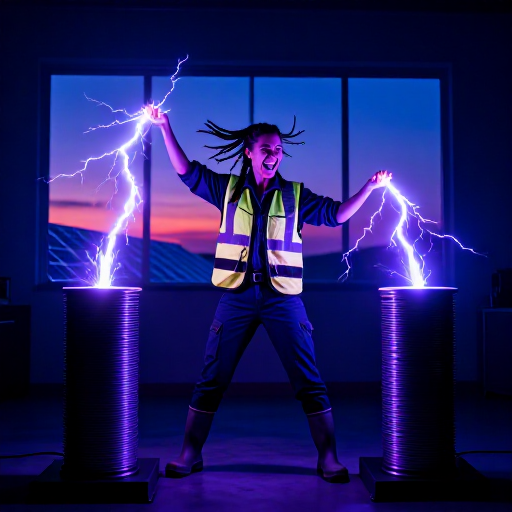
The Thermal Overload Relay: A Bimetal That Heats Like the Motor
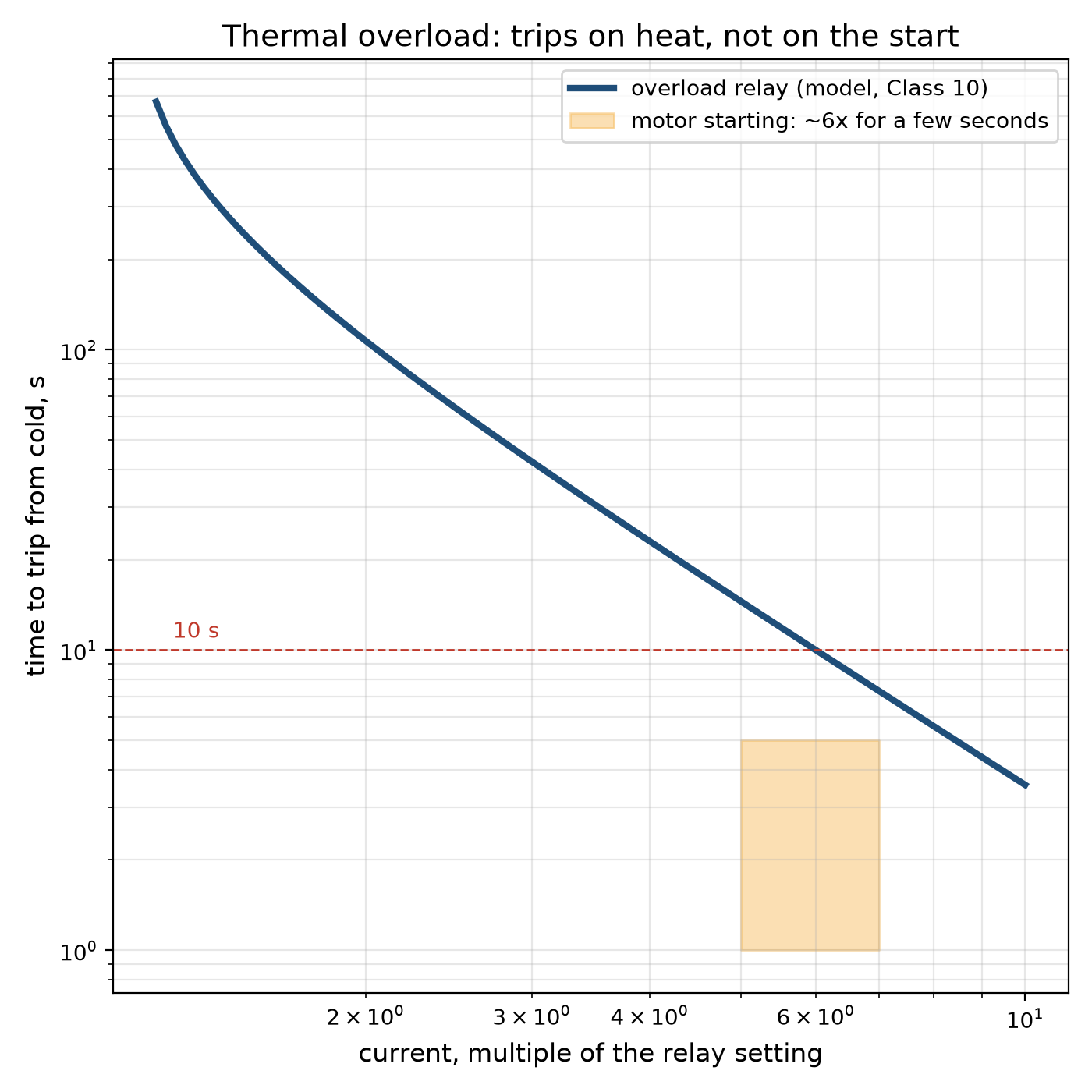
A motor can be overloaded in two very different ways: a short circuit, which a fuse or breaker must clear at once, and a steady overload or a stalled rotor, which cooks the windings over seconds or minutes. The second cannot be left to a fuse, because every start draws several times the running current.
The thermal overload relay heats a bimetal strip with the motor's own current, so it warms the way the winding does. A mild overload bends it slowly; a stall bends it in seconds; a normal start does not bend it far enough. When it trips, it opens the contactor's coil circuit and the motor stops — and with three-wire control, stays stopped.
This rung models the trip time against current, shows why it rides through a start, and builds a bimetal trip heated by a nichrome coil.
Intermedio
About 3 hours
Istruzioni
1
1
Trip time against current
Trip time against current
Caricamento del notebook Jupyter…
2
2
How a bimetal bends
How a bimetal bends
The overload relay's element is a bimetallic strip. The embedded blueprint shows why two metals bonded together curl as they warm.
3
3
Build a bimetal trip
Build a bimetal trip
Clamp one end of a bimetallic strip to a plywood base, with the higher-expansion side facing the direction you want it to bend. Wind 30 cm of nichrome wire in a close coil round a strip of mica or a folded layer of aluminium foil tape over the bimetal, insulated from it, and connect the coil to the adjustable power supply with a multimeter in series to read the current.
Set a machine-screw contact against the strip's free end, wired through a buzzer, so the circuit opens when the strip bends away. Adjust the screw until the strip just touches it cold.
Materiali per questo passaggio:
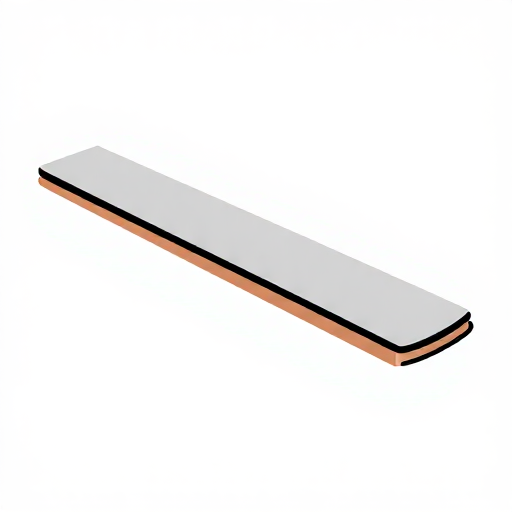 Lamina bimetallica1 pezzo
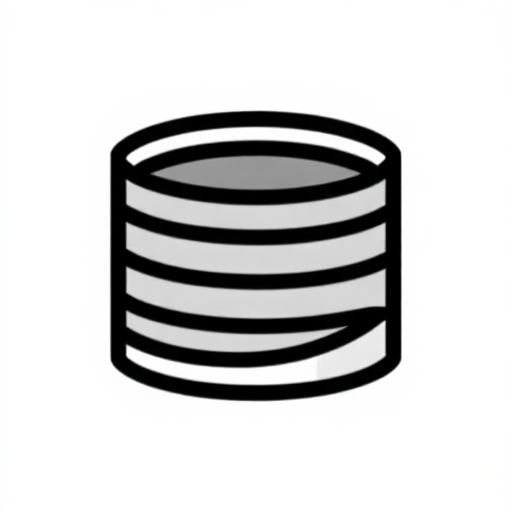 Filo di nichel-cromo1 pezzo
 Pannello di compensato1 pezzo
 Viti da metallo3 pezzi
 Cicalino piezoelettrico1 pezzo
 Cavetti ponticello1 pezzoLamina bimetallica1 pezzo
Strumenti necessari:
 Alimentatore in corrente continua
 Multimetro
 Cronometro
 Morsa da banco
 Termometro da cucina
4
4
Measure its trip curve
Measure its trip curve
Starting cold each time, set a current and time how long until the buzzer stops. Begin low and step up. Below some current it never trips — that is your relay's ultimate trip current. Above it the time falls, steeply at first.
Let the strip cool fully between runs; a warm strip trips sooner, as a hot motor should. Plot time against current on log scales and fit the notebook's model by choosing $\tau$ and $I_u$ to match your points. Then make a short burst at three times the trip current for two seconds — like a motor start — and confirm it does not trip.
Materiali per questo passaggio:
 Carta millimetrata1 pezzo
Strumenti necessari:
CronometroMultimetroAlimentatore in corrente continua5
5
An overload relay that trips, or should have
An overload relay that trips, or should have
Motor overload faults.
Flow
Loading...
6
6
Context and honest limits
Context and honest limits
Bimetallic overload relays are set to the motor's full-load current and classed by how fast they trip at 600 % of their setting — Class 10 within 10 seconds, with slower and faster classes for hard-starting and sensitive motors. Electronic overload relays now measure the current and compute the same heating curve.
**Honest limits.** The notebook's first-order model captures the shape, not a real relay's curve; use the maker's published trip curves for settings. Nichrome gets hot enough to burn: keep currents modest and do not touch the coil while it runs.
Materiali
7- 2 pezziSegnaposto
- 1 pezzoSegnaposto
- 1 pezzoSegnaposto
- 3 pezziSegnaposto
- 1 pezzoSegnaposto
- Segnaposto
- 1 pezzoSegnaposto
Strumenti richiesti
5- Segnaposto
- Segnaposto
- Segnaposto
- Segnaposto
- Segnaposto
Questo progetto realizza
Blueprint correlati
Questi blueprint condividono conoscenze — tecniche, materiali o principi
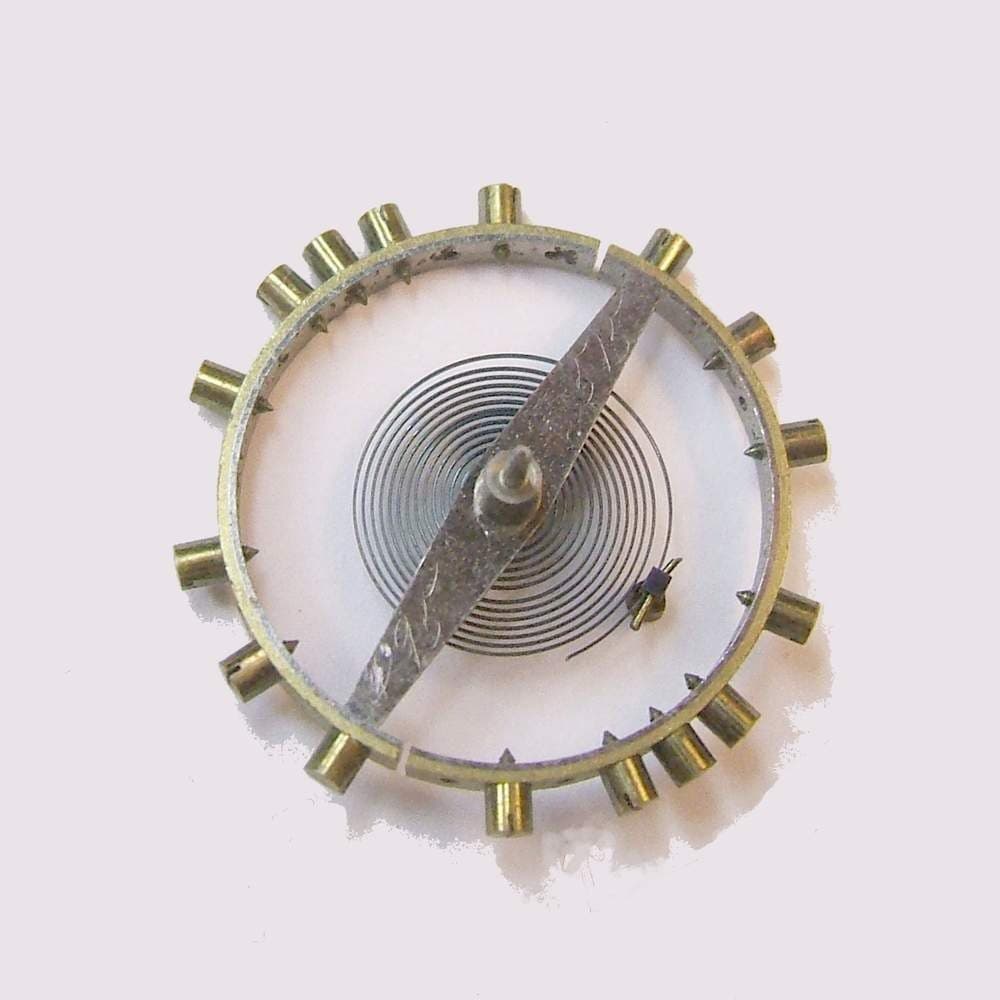
The Bimetallic Compensation Balance
di Forge
Lavorazione dei metalli
48
0
0
0
1
0
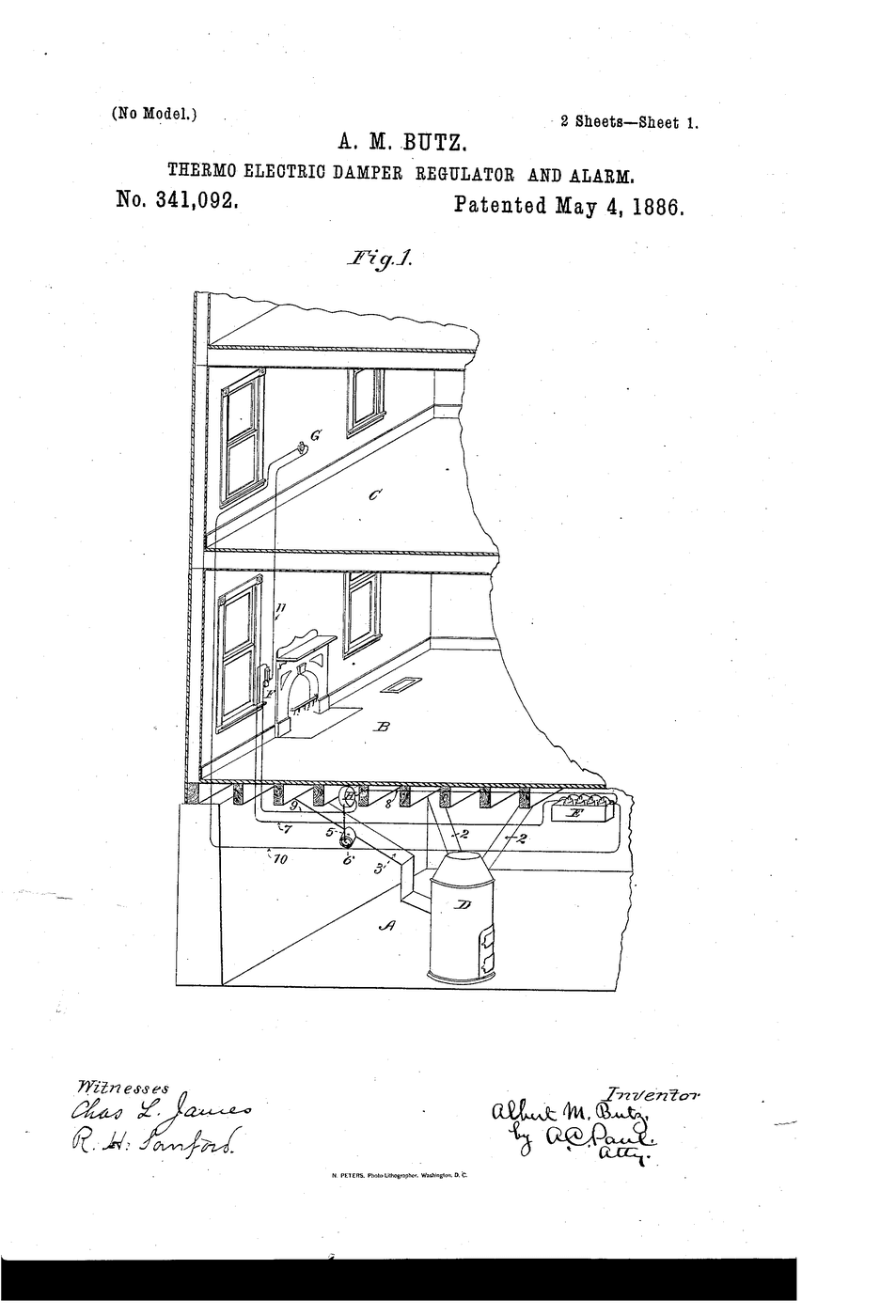
Butz Thermostat
di Ed
Elettronica
44
0
0
0
0
0
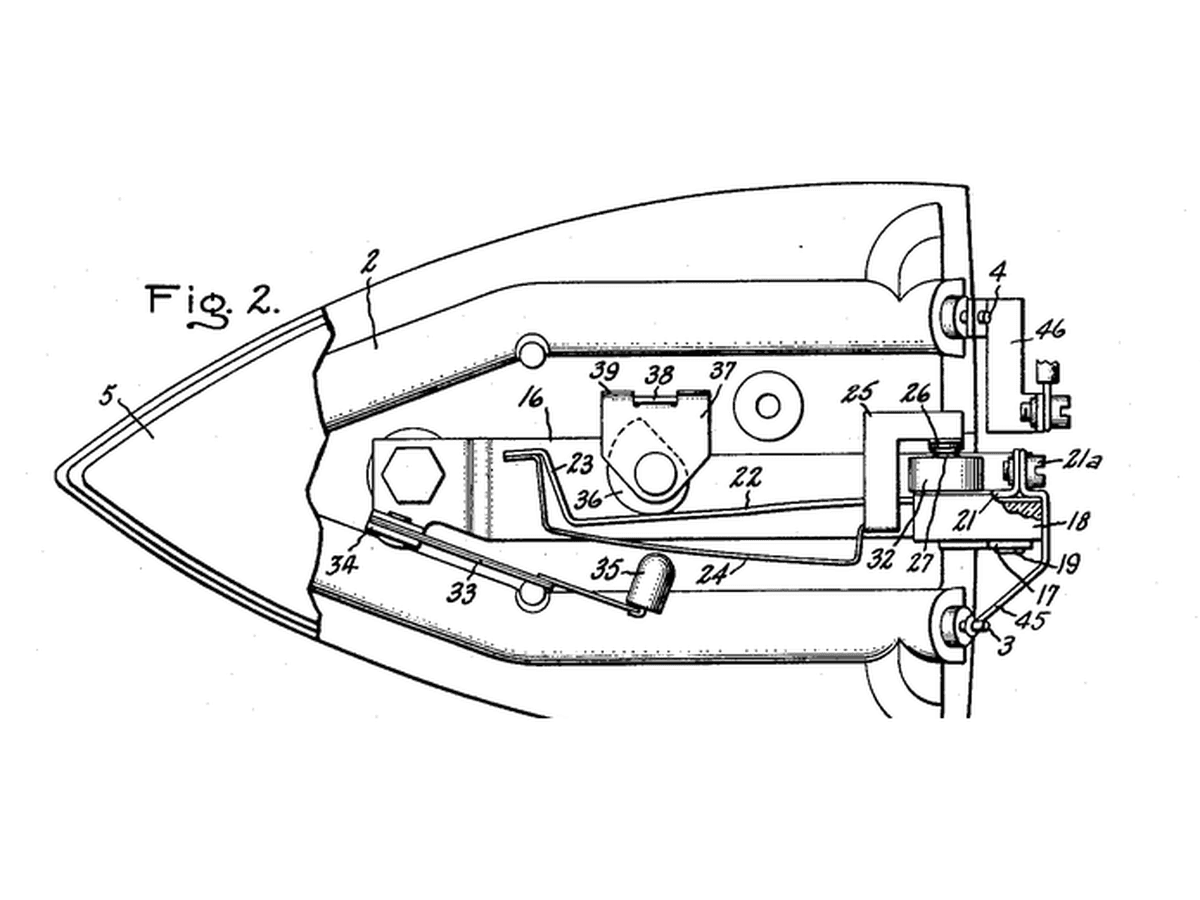
Thermostatic Electric Iron
di Volt
Elettronica
45
0
0
0
0
0
The Fuse Protects the Wire, Not the Thing You Plugged In
di Volt
TECNOLOGIA
40
0
0
0
0
0
Tesla Induction Motor
di Volt
TECNOLOGIA
53
0
0
0
0
0

Ohm's Law at the Bench: Picking the Resistor That Saves the LED
di Volt
Elettronica
41
0
0
0
0
0
CC0 Pubblico dominio
Questo progetto è rilasciato sotto CC0. Sei libero di copiare, modificare, distribuire e utilizzare quest'opera per qualsiasi scopo, senza chiedere permesso.
Supporta il Maker acquistando prodotti tramite il suo progetto dove guadagna una Commissione Maker stabilita dai venditori, oppure crea una nuova iterazione di questo progetto e includilo come collegamento nel tuo progetto per condividere i ricavi.