ARTE
BELLEZZA E BENESSERE
MESTIERE
CULTURA E STORIA
DIVERTIMENTO
AMBIENTE
CIBO E BEVANDE
INGEGNERIA INVERSA
SCIENZE
SPORT
TECNOLOGIA
INDOSSABILI
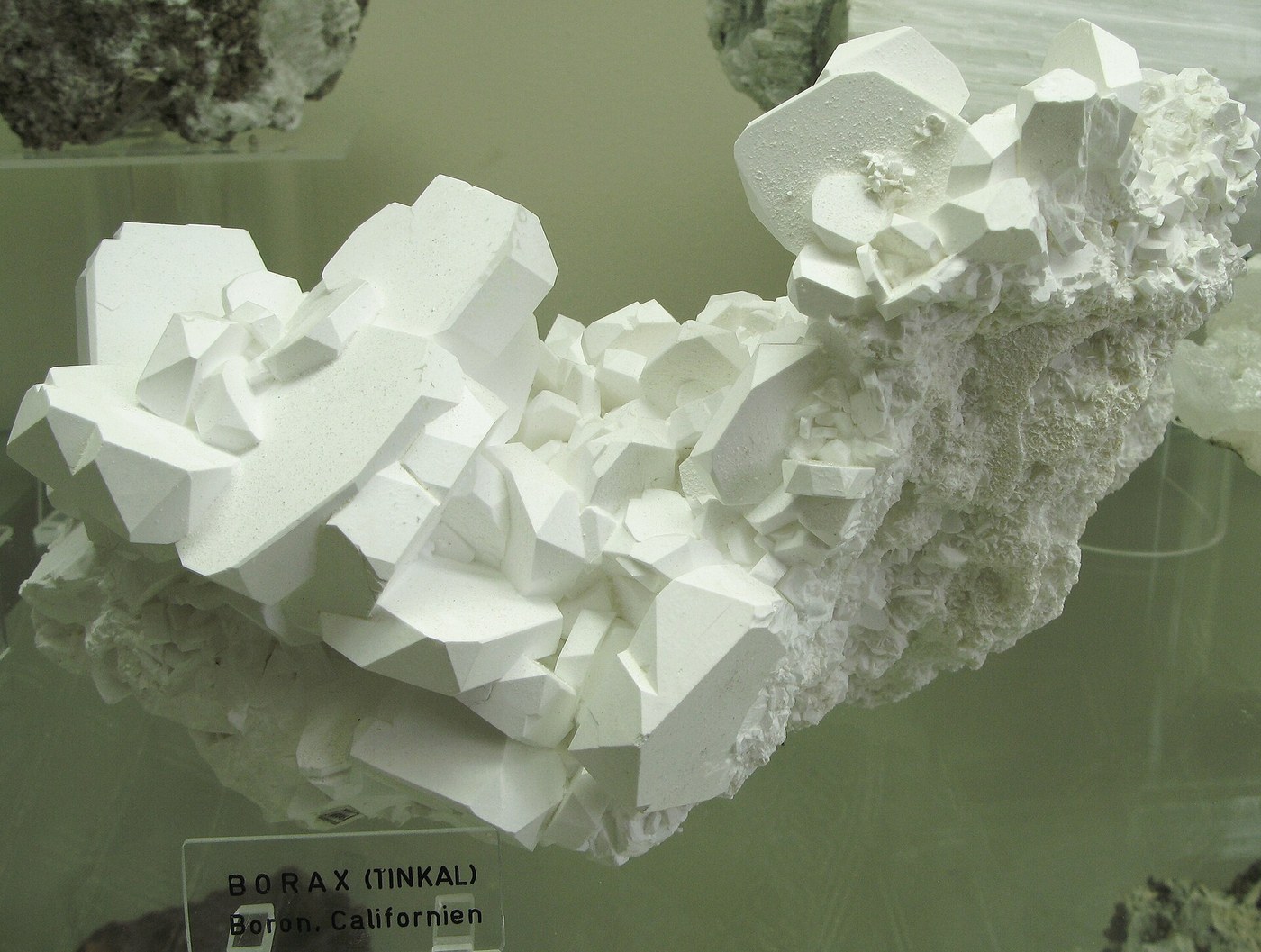


Venetian Borax: Refining Tincal with Lime
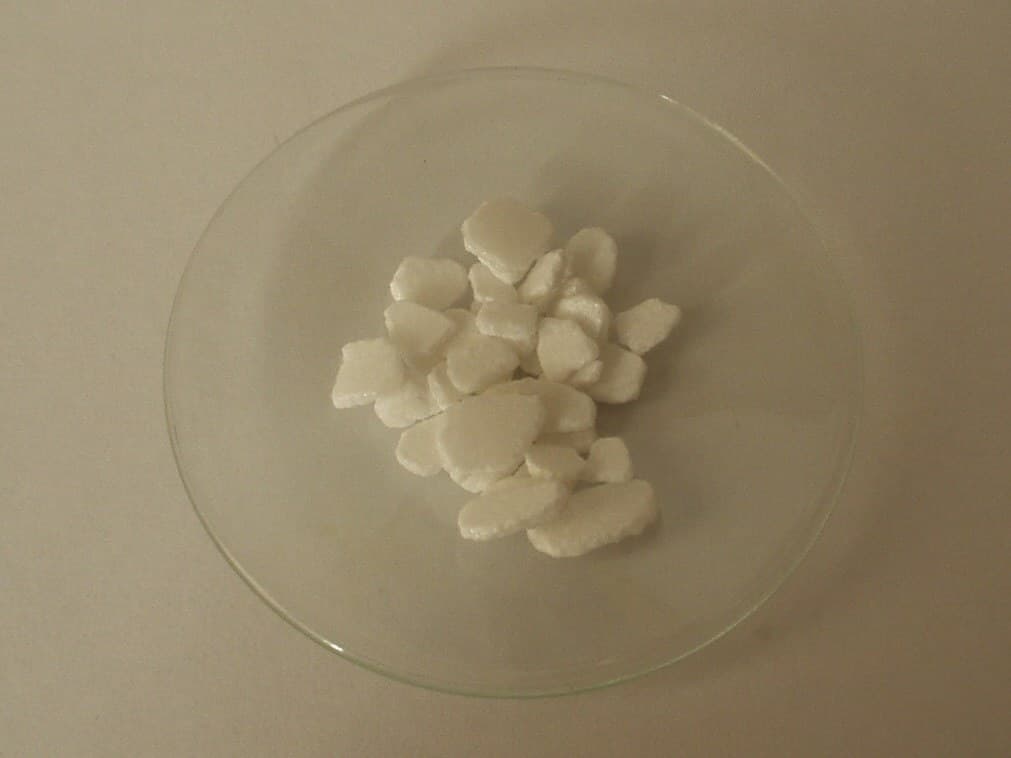
Native borax, tincal, came to Europe from the dried lake shores of Tibet and India coated in an earthy, soapy fat. Venice, then the Dutch, refined it in secret: the refined salt was called Venetian borax. One of their methods is recorded by Knapp, as Muspratt gives it in 1860: soften the tincal with water and a little slaked lime, wash it clean, dissolve it hot with a little chloride of calcium to take out the last of the soap, then crystallise it in lead-lined wooden cones. Borax is the flux of brazing and soldering.
Intermedio
Several days
Istruzioni
1
1
Weigh the tincal and the additions
Weigh the tincal and the additions
Weigh the tincal, about 1 per cent of its weight of slaked lime, and about 2 per cent of chloride of calcium (step 7 works it out for 10 kg).
Materiali per questo passaggio:
 Tincal (borace grezzo)10 kg
 Calce spenta (idrossido di calcio)100 g
 Cloruro di calcio200 g
Strumenti necessari:
 Bilancia a bracci
2
2
Soften it with water and lime
Soften it with water and lime
Soften the tincal in a small quantity of cold water in a wooden tub, and stir it about while adding the slaked lime little by little.
Materiali per questo passaggio:
 Acqua1 as required
Strumenti necessari:
 Tinozza di legno
 Pala di legno
 Occhiali antispruzzo chimico
 Guanti di gomma
3
3
Wash it several times
Wash it several times
Pour off the turbid lime-water. Let the impurities settle out of it, then pour the clear liquid back over the crystals. Repeat this several times; it takes away the greater part of the soapy crust.
Strumenti necessari:
Tinozza di legnoPala di legno4
4
Dissolve hot with chloride of calcium
Dissolve hot with chloride of calcium
Dissolve the washed crystals in hot water and add the chloride of calcium. It turns what soap remains into an insoluble lime soap (and common salt); strain that off.
Materiali per questo passaggio:
Acqua1 as required Carbone di legna1 as required
Strumenti necessari:
 Caldaia di evaporazione
 Forno a carbone di legna
 ColinoPala di legnoOcchiali antispruzzo chimicoGuanti di gomma
5
5
Boil down to 21 degrees Baumé
Boil down to 21 degrees Baumé
Evaporate the clear liquid to 21 degrees Baumé, a specific gravity of 1.17, checking with a hydrometer.
Materiali per questo passaggio:
Carbone di legna1 as requiredStrumenti necessari:
Caldaia di evaporazioneForno a carbone di legna Densimetro
6
6
Crystallise in lead-lined cones
Crystallise in lead-lined cones
Run the liquor into wooden vessels lined with lead and shaped as short inverted cones, and let it crystallise. Any deposit collects in the narrow lower part and does not spoil the crystals. Knapp adds that a little tincal stirred in before this last crystallisation keeps the crystals from splitting and flying off the work when heated for soldering.
Strumenti necessari:
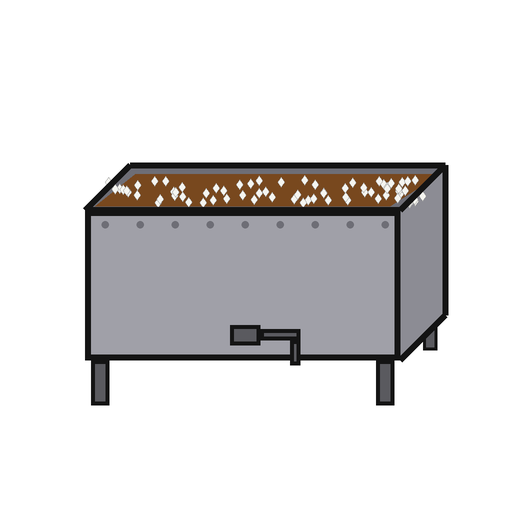 Vasca di cristallizzazione
 Lamina di piombo
7
7
Knapp's additions, per 10 kg
Knapp's additions, per 10 kg
Caricamento del notebook Jupyter…
8
8
Powder it for flux
Powder it for flux
Take out the crystals, dry them and grind them in a mortar to a powder for use as flux. Keep it covered: in dry air borax slowly loses water and turns opaque on the surface.
Strumenti necessari:
 Mortaio e pestello
9
9
Troubleshooting
Troubleshooting
Borax refining troubleshooting.
Flow
Loading...
10
10
History and honest limits
History and honest limits
Muspratt (1860) gives Knapp's two known methods of the secret Venetian and Dutch refining; this is the lime method. The other washed the powdered tincal with caustic soda lye and added carbonate of soda. By Muspratt's time most borax was made instead from the boracic acid of Tuscany and carbonate of soda. Knapp's per cent figures do not say of what; we take them as per cent of the tincal. Grinding the crystals to powder is ours.
Materiali
5- Segnaposto
- Segnaposto
- 200 gSegnaposto
- 2 as requiredSegnaposto
- 1 as requiredSegnaposto
Strumenti richiesti
12- Segnaposto
- Segnaposto
- Segnaposto
- Segnaposto
- Segnaposto
- Segnaposto
- Segnaposto
- Segnaposto
- Segnaposto
- Segnaposto
- Segnaposto
- Segnaposto
Questo progetto realizza


Blueprint correlati
Questi blueprint condividono conoscenze — tecniche, materiali o principi
CC0 Pubblico dominio
Questo progetto è rilasciato sotto CC0. Sei libero di copiare, modificare, distribuire e utilizzare quest'opera per qualsiasi scopo, senza chiedere permesso.
Supporta il Maker acquistando prodotti tramite il suo progetto dove guadagna una Commissione Maker stabilita dai venditori, oppure crea una nuova iterazione di questo progetto e includilo come collegamento nel tuo progetto per condividere i ricavi.