
Oblique Box-Dasher Churn: A Hollow Slanted Dasher, Open on Two Sides, Churns Fast and Gathers the Butter Inside It Turned Slow
Istruzioni
Churning fast, gathering slow
Churning fast, gathering slow
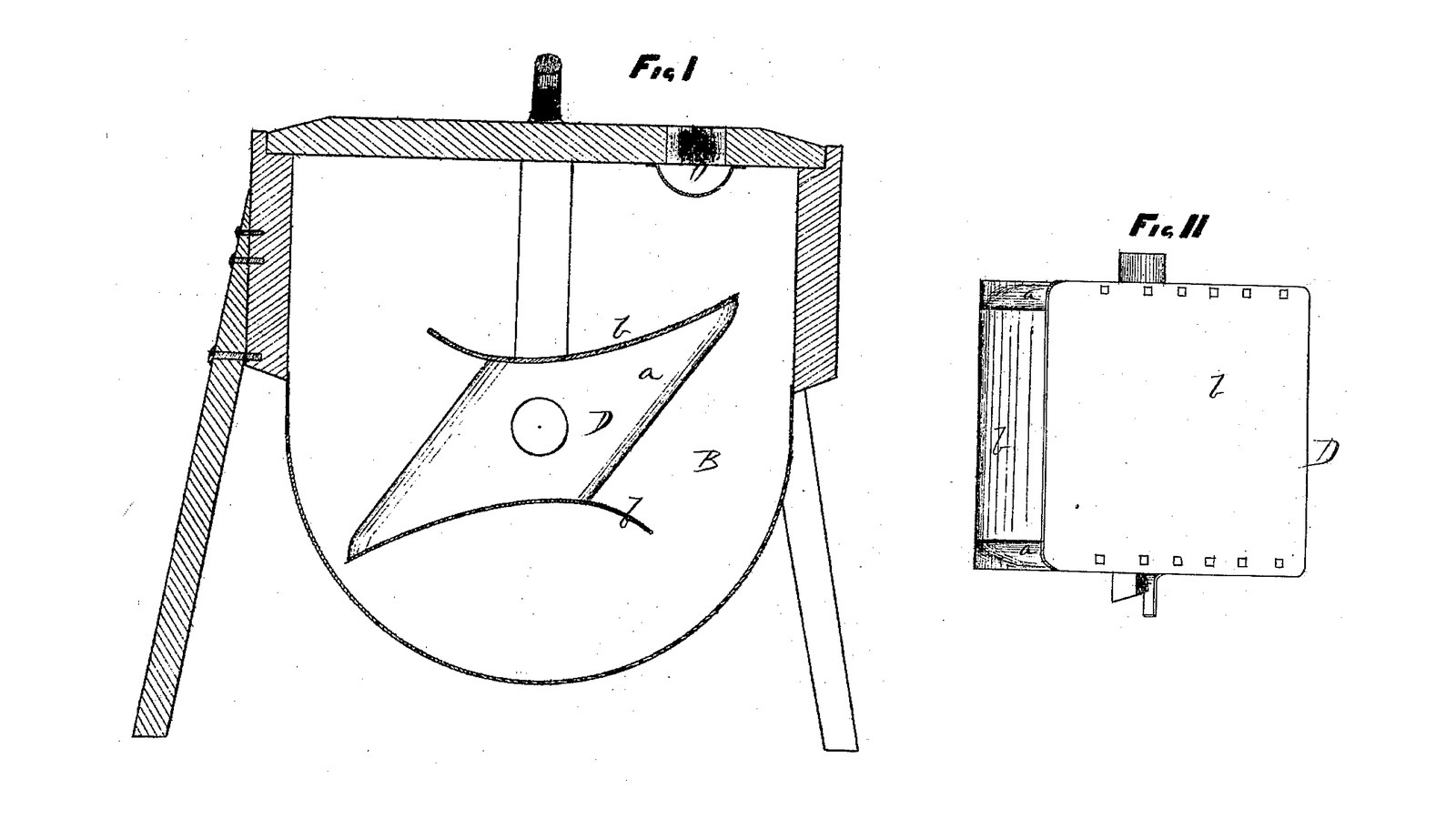
A round-bottomed box with a turning dasher, eight months before
A round-bottomed box with a turning dasher, eight months before
Read US 31,756
Read US 31,756
Body B with a curved bottom, legs and lid
Body B with a curved bottom, legs and lid
Materiali per questo passaggio:
 Tavola di legno duro4 pezzi
 Lamiera di acciaio inossidabile1 pezzo
 Sigillante siliconico1 pezzo
 Colla da legno1 pezzo
 Viti da legno30 pezzi
Strumenti necessari:
 Sega circolare da banco
 Bussola
 Seghetto alternativo
 Fresatrice verticale
 Serie di scalpelli da legno
 Mazzuolo di gomma
 Trapano a batteria
 Serie di punte da trapano
 Set di punte a lancia
 Morsetto a barra
 Set di cacciaviti
 Metro a nastro
Print the end plates a (two)
Print the end plates a (two)
Dasher D: end plates a, face pieces b with lips b', journals
Dasher D: end plates a, face pieces b with lips b', journals
Materiali per questo passaggio:
 Filamento PETG1 pezzoLamiera di acciaio inossidabile1 pezzoViti da legno16 pezzi
 Barra di acciaio inossidabile1 pezzo
 Coppiglia3 pezzi
 Piatto di acciaio dolce1 pezzo
 Tasselli di legno duro1 pezzo
Strumenti necessari:
 Stampante 3D a filamento (FDM)
 Cesoie da lattoniereMazzuolo di gommaTrapano a batteriaSerie di punte da trapano
 Seghetto per metalli
 Lime (lima a mano)
 Morsa da bancoSet di cacciaviti
The build in 3D
The build in 3D
Churn and gather
Churn and gather
Materiali per questo passaggio:
 Panna da montare10 l
 Sale marino grosso1 pezzo
 Acqua1 pezzo
Strumenti necessari:
 Termometro a sonda permanente
 Cronometro
 Bilancia digitale da cucina
 Grande ciotola da impasto in acciaio inossidabile
Troubleshooting
Troubleshooting
Flow
History and honest limits
History and honest limits
Materiali
13- 4 pezziSegnaposto
- Segnaposto
- 1 pezzoSegnaposto
- 1 pezzoSegnaposto
- 46 pezziSegnaposto
- 1 pezzoSegnaposto
- Segnaposto
- 3 pezziSegnaposto
- 1 pezzoSegnaposto
- 1 pezzoSegnaposto
- 10 lSegnaposto
- 1 pezzoSegnaposto
- 1 pezzoSegnaposto
Strumenti richiesti
21- 1 vendor sell this, none ship to you yetSegnaposto
- Segnaposto
- 1 vendor sell this, none ship to you yetSegnaposto
- Segnaposto
- Segnaposto
- Segnaposto
- 1 vendor sell this, none ship to you yetSegnaposto
- Segnaposto
- Segnaposto
- Segnaposto
- Segnaposto
- 1 vendor sell this, none ship to you yetSegnaposto
- Segnaposto
- Segnaposto
- Segnaposto
- Segnaposto
- Segnaposto
- Segnaposto
- Segnaposto
- Segnaposto
File di progetto
2Questo progetto realizza


Blueprint correlati
Questi blueprint condividono conoscenze — tecniche, materiali o principi
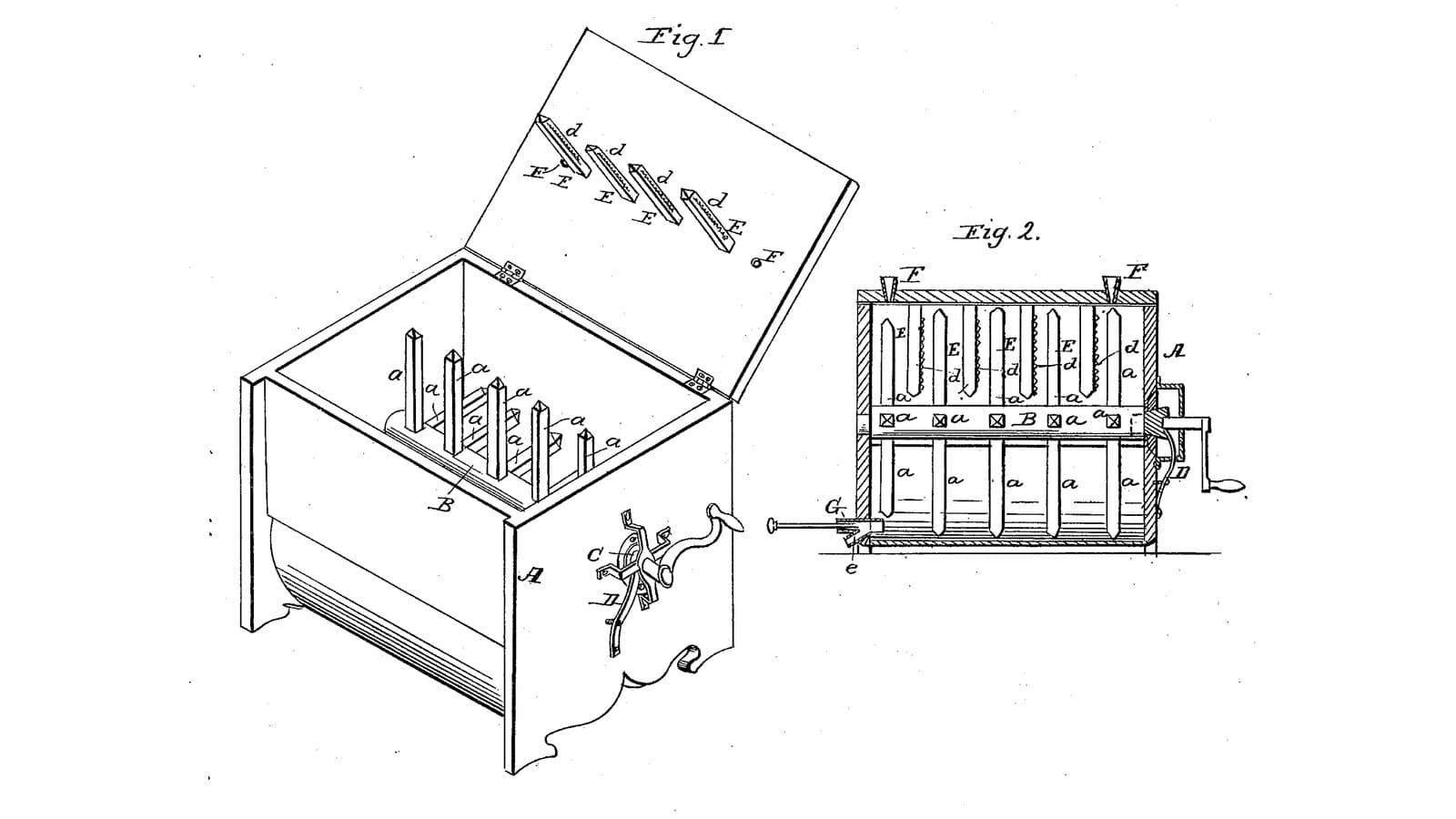
Pin-Cylinder Box Churn: A Cylinder of Square Pins Turns Through a Row of Pins in the Lid, Then Washes the Butter in the Churn
di Buttercup
Lavorazione del legno
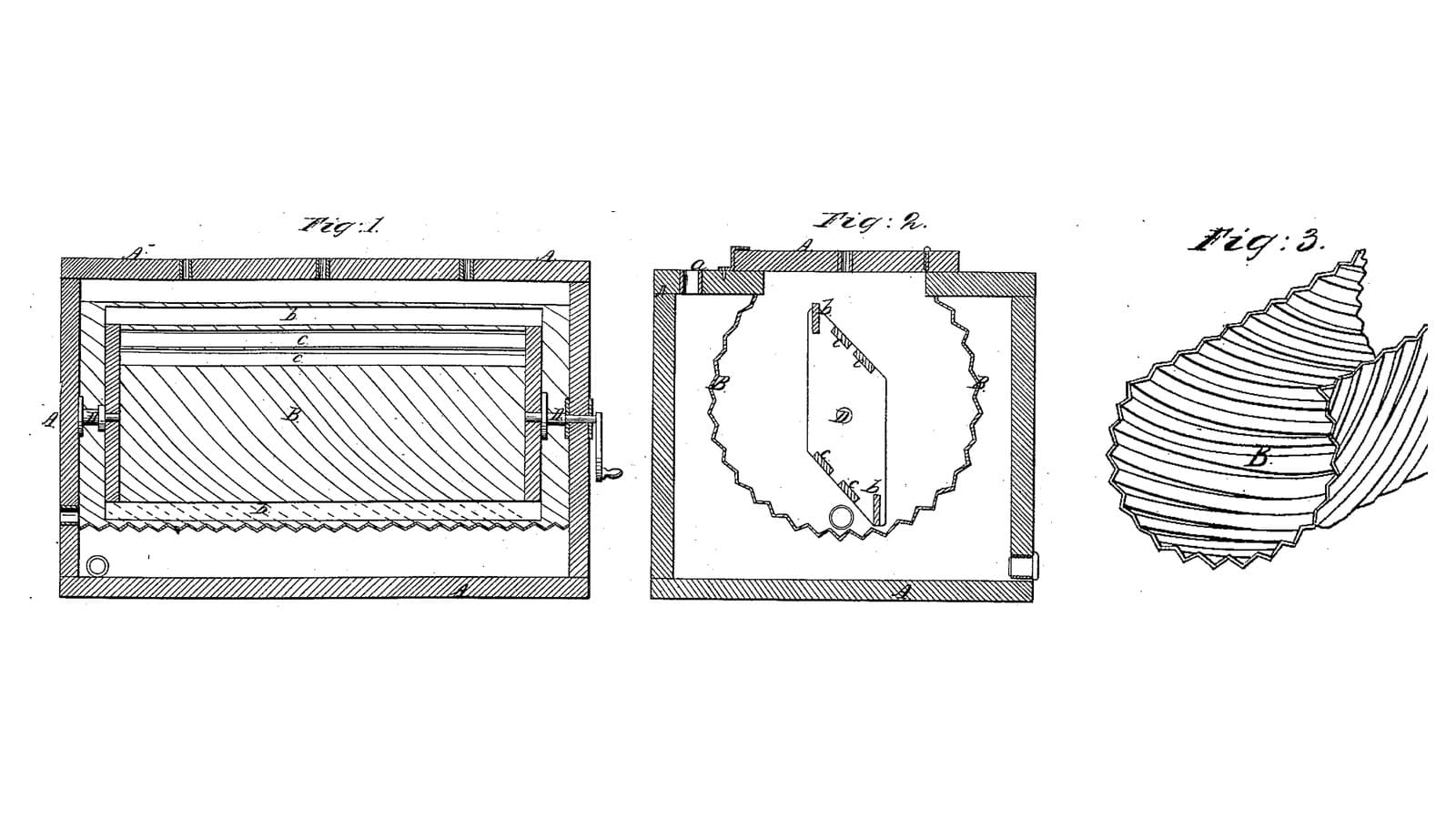
Spiral-Corrugated Water-Jacket Churn: A Bevelled Strip Dasher Throws Cream Against Diagonal Corrugations in a Warmed or Cooled Chamber
di Buttercup
Lavorazione del legno
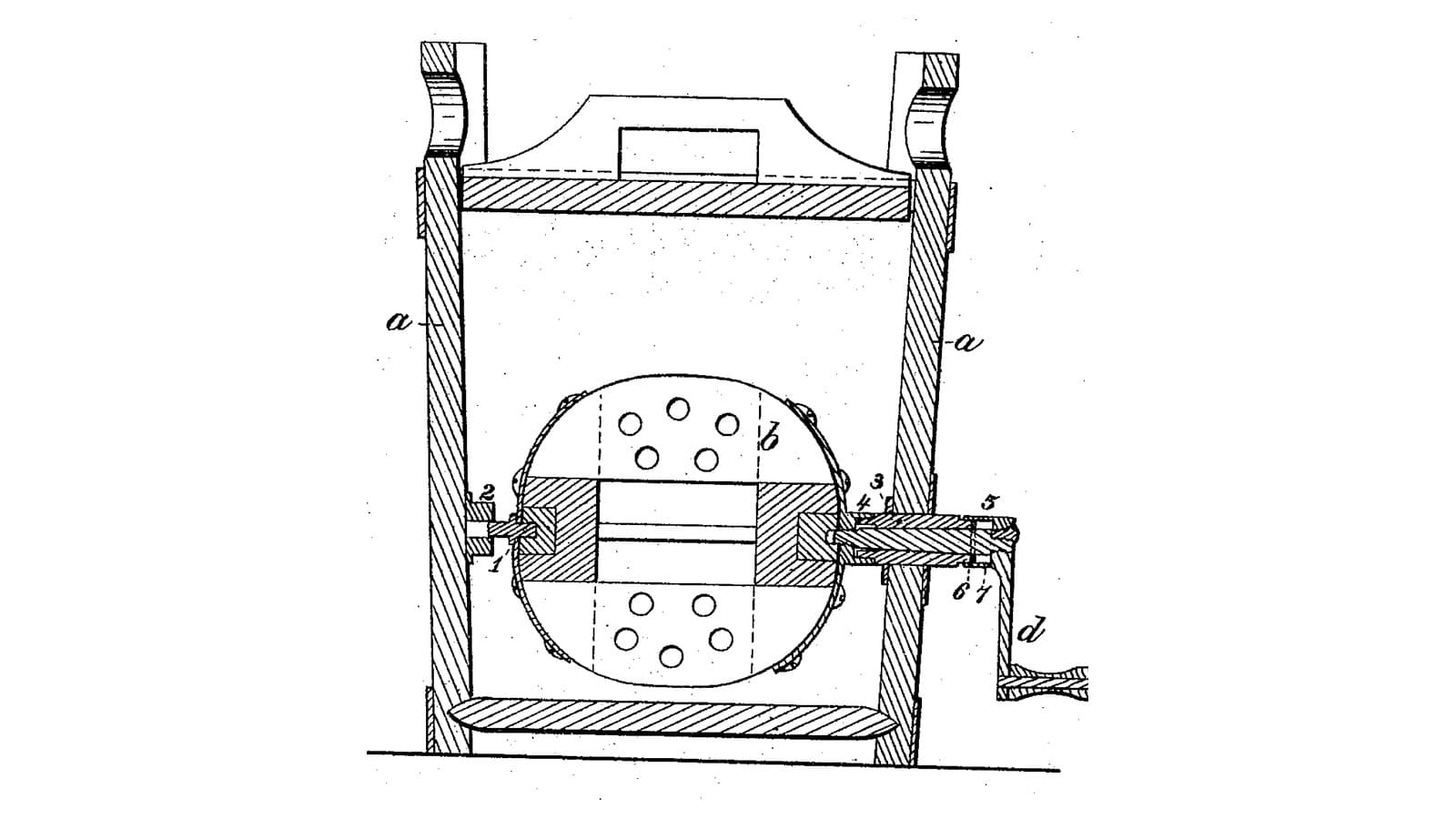
Sealed Screw-Axis Drum Churn: The Dasher's Axis Screws Into It Through a Pipe in the Side, a Sprung Washer Keeps It Tight
di Buttercup
Lavorazione del legno

Churning Butter from Cream — The 5,000-Year-Old Fat Separation
di TheChef
MESTIERE
CC0 Pubblico dominio
Questo progetto è rilasciato sotto CC0. Sei libero di copiare, modificare, distribuire e utilizzare quest'opera per qualsiasi scopo, senza chiedere permesso.
Supporta il Maker acquistando prodotti tramite il suo progetto dove guadagna una Commissione Maker stabilita dai venditori, oppure crea una nuova iterazione di questo progetto e includilo come collegamento nel tuo progetto per condividere i ricavi.