アート
美容とウェルネス
工芸
文化と歴史
エンターテインメント
環境
食品と飲料
リバースエンジニアリング
科学
スポーツ
テクノロジー
ウェアラブル
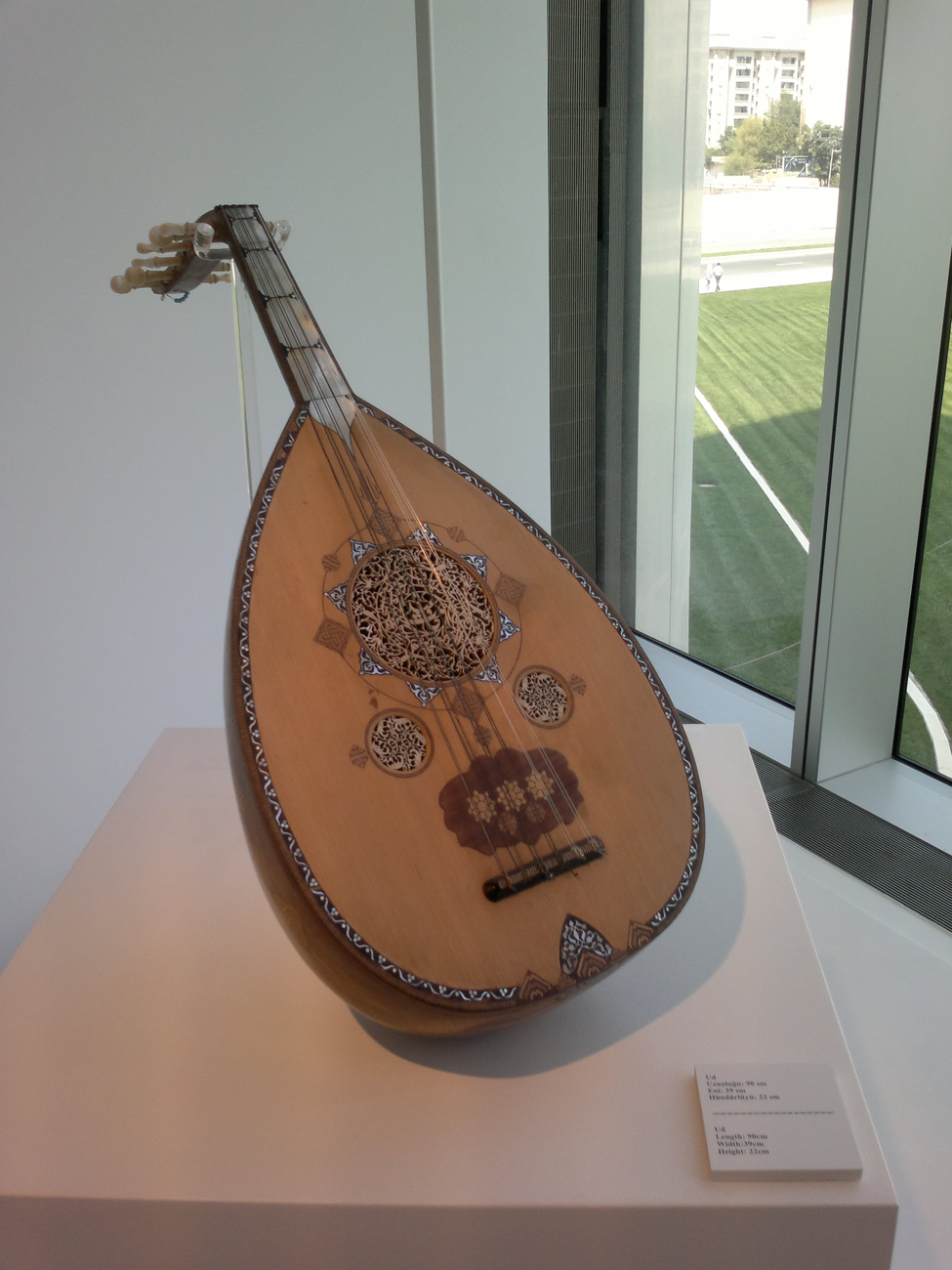


Building an Oud — The Fretless Arabic Lute
Build an oud: the deep-bowled, short-necked lute at the heart of Arabic and Turkish music — and famously FRETLESS, so your fingers can slide to any pitch and play the microtones of maqam. Shape the bowl, fit the bent pegbox, string the courses, and learn why leaving the frets off opens up the notes between the notes. A serious maker build in the fretless plucked string.
中級者
Several hours over several sessions
手順
1
1
A lute with no frets
A lute with no frets
The oud is the deep-bowled short-necked lute of Arabic and Turkish music. Unlike a guitar or bağlama it has NO frets, so a player can slide the fingers to any pitch — including the microtones between the Western notes.
2
2
Shape the bowl body
Shape the bowl body
Build a deep, rounded bowl body from many thin wooden staves (ribs) glued edge to edge over a mould. The big bowl gives the oud its warm, resonant voice.
このステップの材料:
 堅木の細板1 個
 木工用ボンド(PVA)1 個
必要な工具:
 金切りのこ(ハクソー)
3
3
Fit the soundboard
Fit the soundboard
Glue a thin flat soundboard over the bowl and cut one or more decorative sound-holes (rosettes) in it.
このステップの材料:
 乾燥した針葉樹の板1 個木工用ボンド(PVA)1 個
必要な工具:
 スロイドナイフ
4
4
Fit the neck and pegbox
Fit the neck and pegbox
Fit a short, SMOOTH neck — no frets at all — ending in a pegbox that bends sharply back from the neck, the oud's signature shape.
このステップの材料:
 木ダボ棒1 個木工用ボンド(PVA)1 個
5
5
Fit the pegs and string it
Fit the pegs and string it
Fit the pegs and string it with paired courses — bright strings for the high courses and thicker wound strings for the low ones. An oud usually has eleven strings in six courses.
このステップの材料:
 糸巻き(ペグ)6 個
 鋼製ピアノ線 0.032 インチ1 個
 青銅線1 個
必要な工具:
 目打ち(キリ)
6
6
Tune the courses
Tune the courses
Tune the six courses low to high. Doubling most strings in a course makes the sound fuller and richer.
7
7
Play with a risha
Play with a risha
Pluck the strings with a long thin plectrum (the risha), pressing the strings onto the bare, fretless neck with your other hand.
8
8
Slide the microtones
Slide the microtones
Because there are no frets, slide a finger up or down the smooth neck to glide between notes and land exactly on the in-between pitches that make an Arabic maqam.
9
9
Compendium — why leave the frets off
Compendium — why leave the frets off
A plucked string sounds higher the shorter its vibrating length, and pressing it against the neck is how you shorten it. A FRET is a fixed ridge that stops the string at one exact spot every time, which makes it easy to hit set notes accurately but locks you to those notes. The oud does the opposite on purpose: its neck is left perfectly smooth, so the string is stopped only by the soft pad of your finger, wherever you place it. That means you can land on any pitch at all — including the neutral, in-between microtones that Arabic and Turkish maqam music lives on, which fall in the cracks a fretted guitar can never reach — and slide smoothly from one to the next, bending and ornamenting notes like a singing voice. The price is that intonation is all in the player's ear and fingers, with no frets to guide them. The deep staved bowl and thin soundboard amplify the strings as in any lute, and the sharply back-bent pegbox keeps the short neck balanced. The oud is the direct ancestor of the European LUTE (the very word 'lute' comes from the Arabic al-ʿūd), and a cousin of the fretted bağlama and, distantly, the guitar — the whole family of plucked, soundbox strings whose oldest Youblob ancestor is the lyre.
材料
7- 1 個プレースホルダー
- 1 個プレースホルダー
- 1 個プレースホルダー
- 1 個プレースホルダー
- 6 個プレースホルダー
- プレースホルダー
- 1 個プレースホルダー
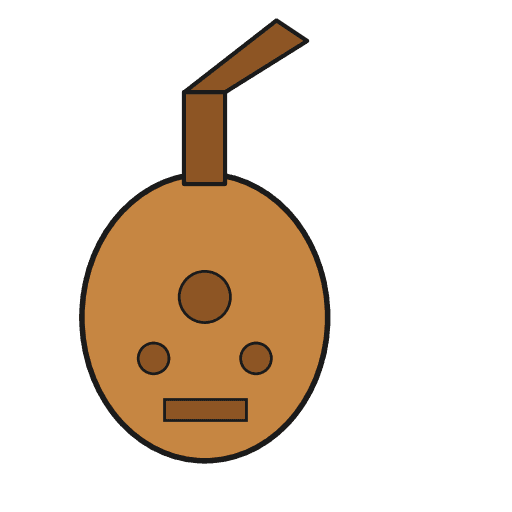
この設計図で作るもの
関連ブループリント
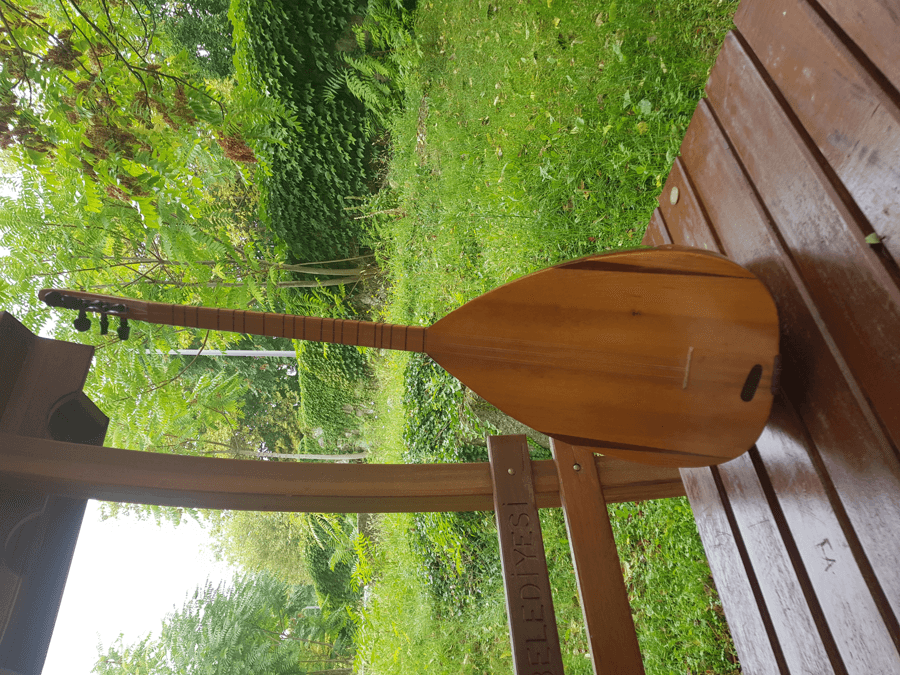
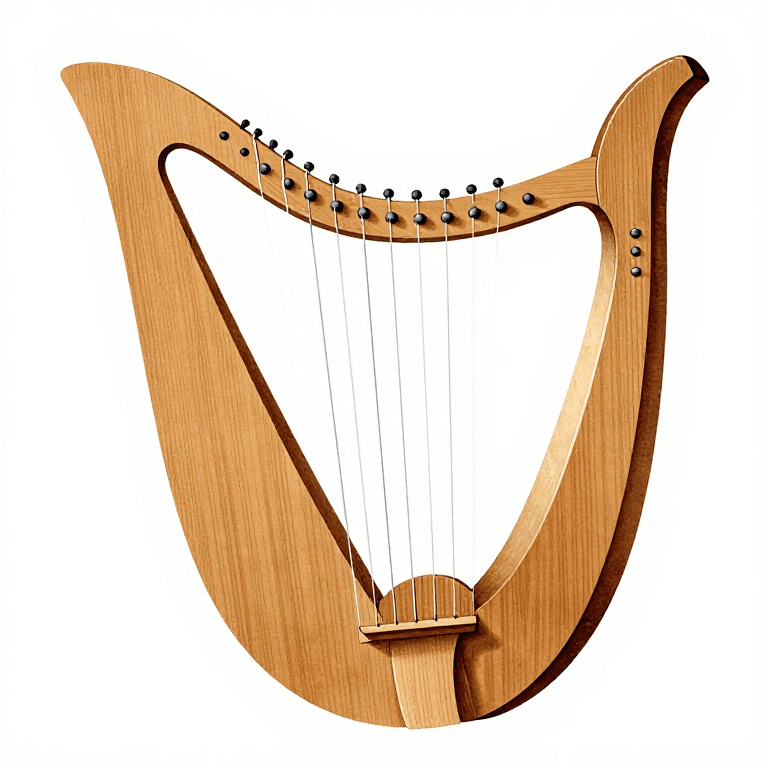
これらのブループリントは知識を共有しています — 技術、材料、原理
CC0 パブリックドメイン
このブループリントはCC0で公開されています。許可を求めずに、自由にコピー、修正、配布、あらゆる目的で使用できます。
メイカーを応援するには、ブループリント経由で製品を購入してください。メイカーには メイカーコミッション がベンダーにより設定されています。または、このブループリントの新しいイテレーションを作成し、自分のブループリントにコネクションとして含めて収益を共有できます。