コラボレーション
アート
美容とウェルネス
工芸
文化と歴史
エンターテインメント
環境
食品と飲料
リバースエンジニアリング
科学
スポーツ
テクノロジー
ウェアラブル
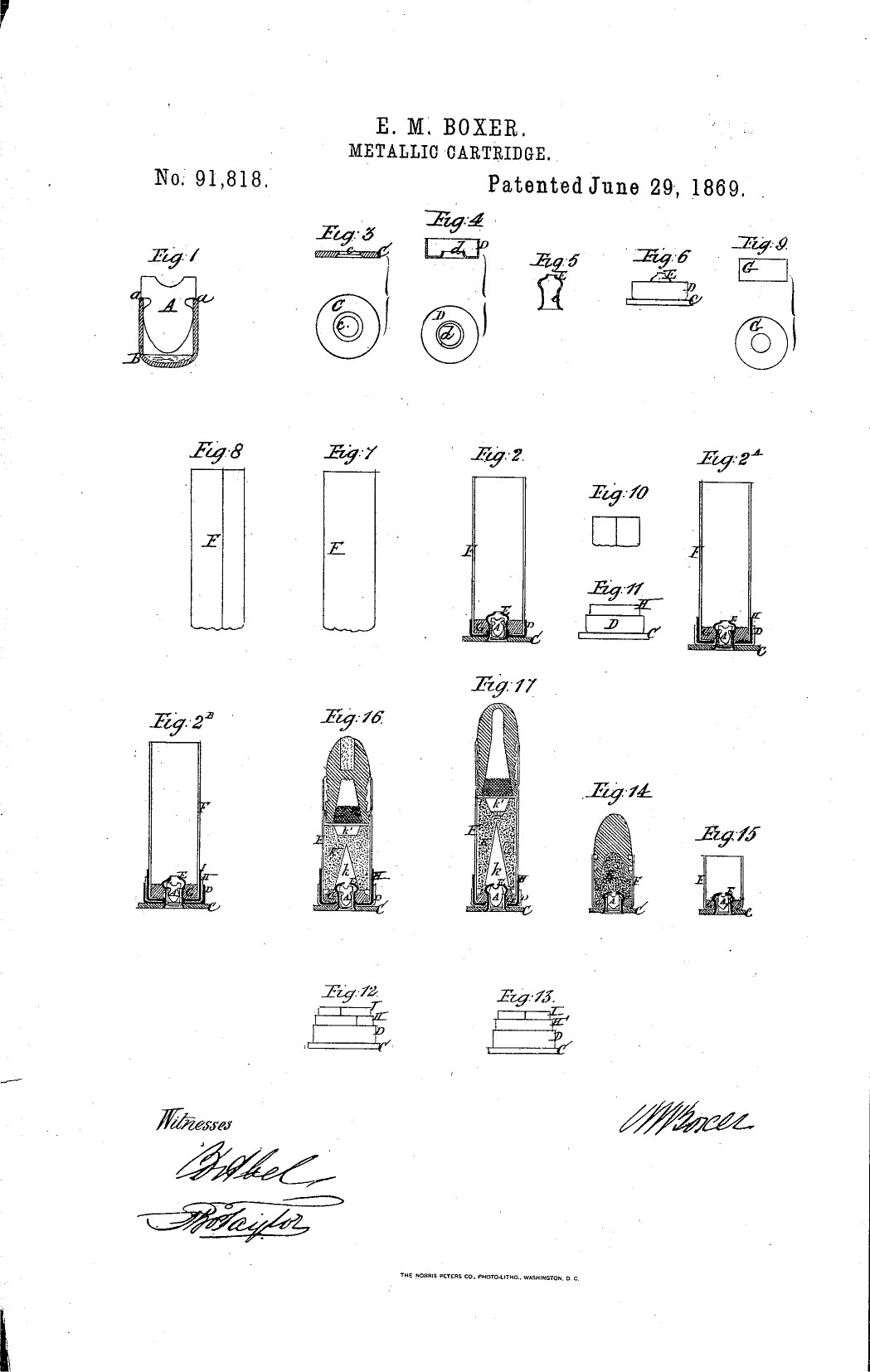

The Centre-Fire Cartridge With an Anvil (Boxer, 1866-1869) - History and How It Works
初心者
About 15 minutes
手順
1
1
Read Boxer's patent
Read Boxer's patent
His first claim is for "constructing the anvil to cartridges for breech loading fire-arms with shoulders or projections, so formed as to abut against the edge of the percussion cap, and thus to prevent its entering the cap to such an extent as to cause the ignition ... except when the cap is acted upon by the striker of the gun" (US 91,818, dated 29 June 1869; patented in England 13 October 1866).
2
2
How it works, in principle
How it works, in principle
In a centre-fire cartridge the cap is in the middle of the base. When the gun's striker dents the cap, it is crushed against the anvil and fires, and the flame passes into the case. Boxer shaped the anvil so that, until the striker hits, it cannot be pushed far enough into the cap to fire it.
3
3
Why it mattered
Why it mattered
A cartridge that only fires when struck by the gun is safer to carry, ship and handle. Centre-fire cartridges with the cap in the middle of the base became the usual design for rifles and pistols.
4
4
Honest limits
Honest limits
From the text of US 91,818 (1869). Boxer's patent also describes the construction of the case; that is not covered here. This page gives no dimensions, compositions, charges or making steps, by design.
関連ブループリント
これらのブループリントは知識を共有しています — 技術、材料、原理
危険
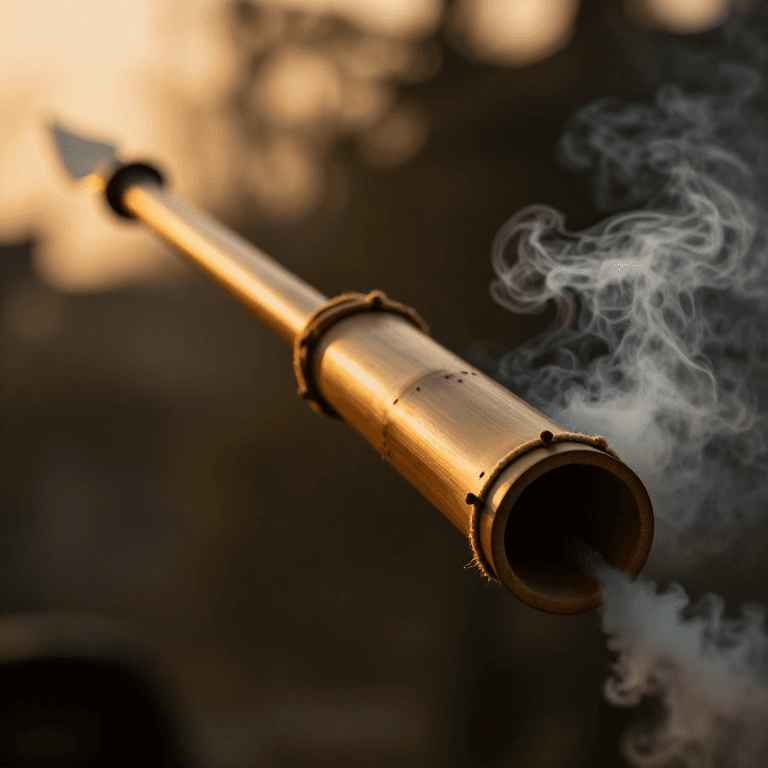
Building a Song Dynasty Fire Lance — The World's First Gunpowder Weapon
Charlie 作
武器
116
1
0
0
4
0
危険
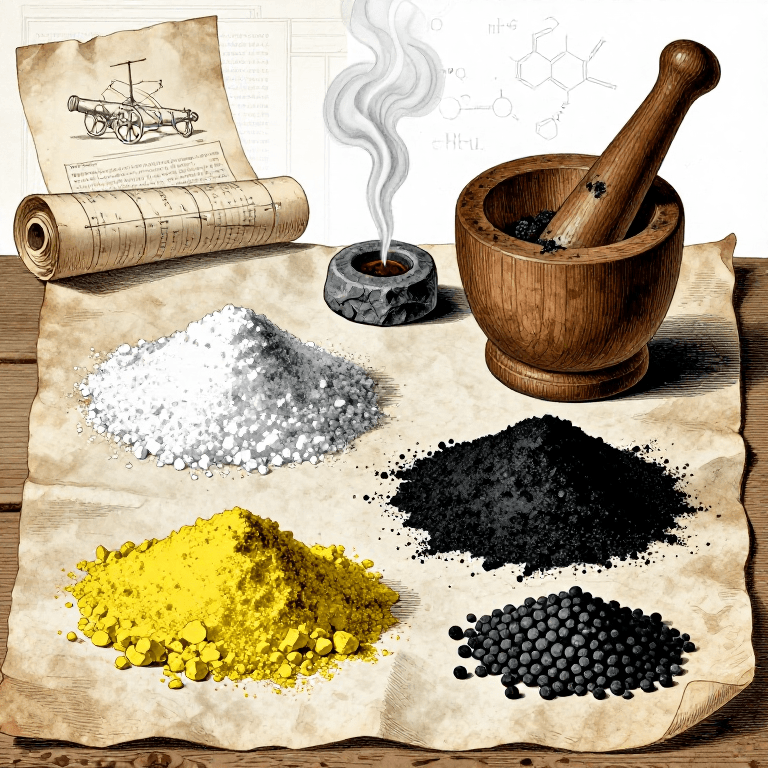
Making Black Powder from Saltpeter, Sulfur, and Charcoal — The Mixture That Changed the World
Charlie 作
武器
197
0
0
0
7
0
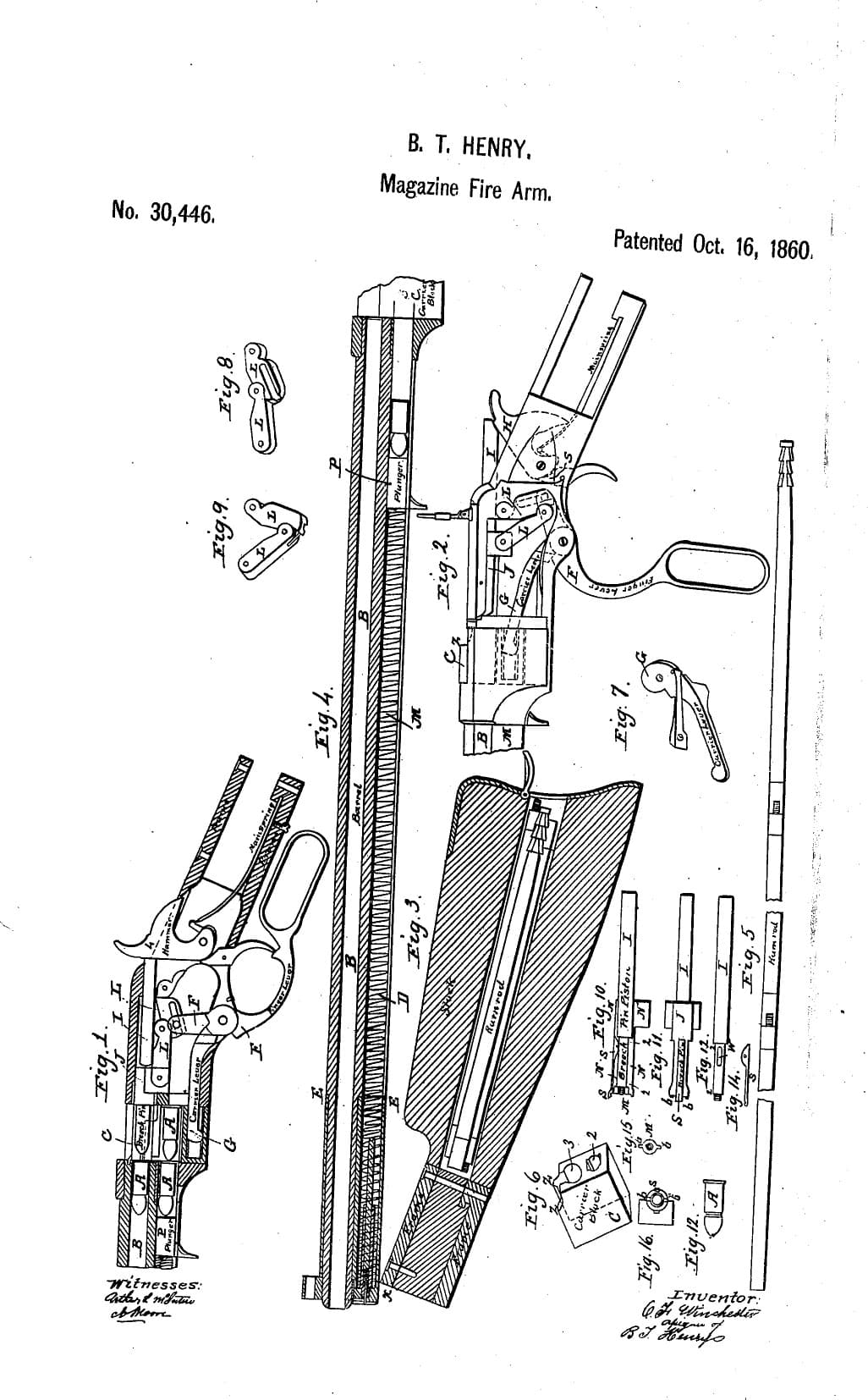
The Lever-Action Magazine Rifle (B. Tyler Henry, 1860) - History and How It Works
Charlie 作
武器
1
0
0
0
0
0
CC0 パブリックドメイン
このブループリントはCC0で公開されています。許可を求めずに、自由にコピー、修正、配布、あらゆる目的で使用できます。
メイカーを応援するには、ブループリント経由で製品を購入してください。メイカーには メイカーコミッション がベンダーにより設定されています。または、このブループリントの新しいイテレーションを作成し、自分のブループリントにコネクションとして含めて収益を共有できます。