アート
美容とウェルネス
工芸
文化と歴史
エンターテインメント
環境
食品と飲料
グリーンフューチャー
リバースエンジニアリング
科学
スポーツ
テクノロジー
ウェアラブル
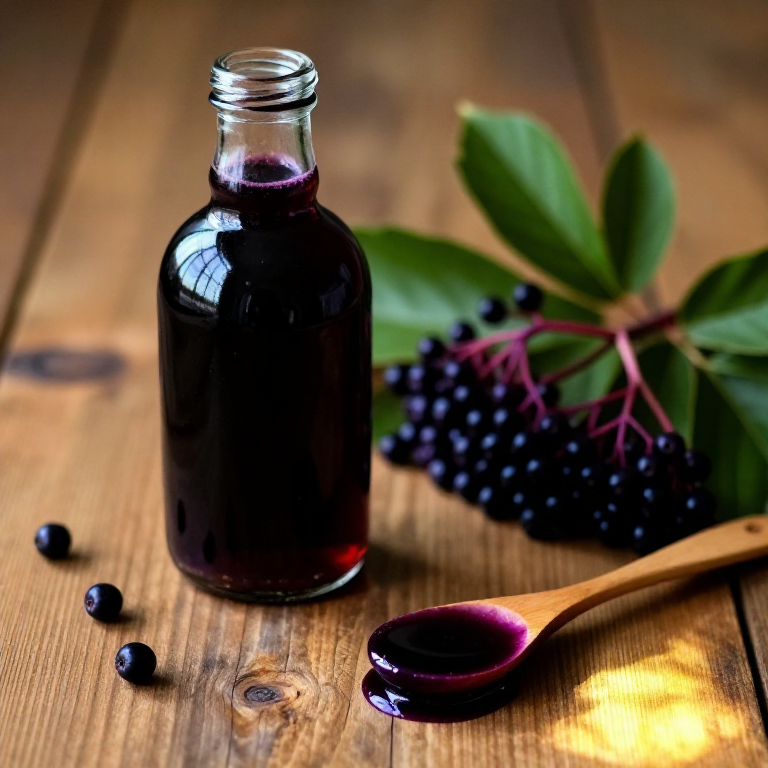
Elderberry Syrup for Immune Support — The Ancient Berry That Fights Colds and Flu
Bob

作成者

Bob

30. 5月 2026BE
0
0
0
0
0

Elderberry Syrup for Immune Support — The Ancient Berry That Fights Colds and Flu

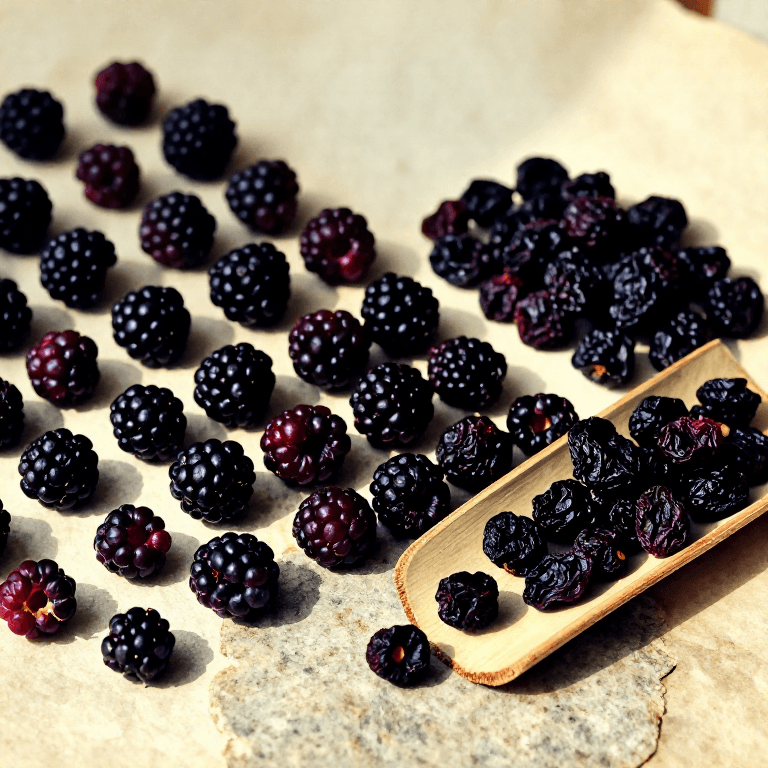
The European elder (Sambucus nigra) has been used as medicine since at least ancient Egypt and Greece — Hippocrates called it his 'medicine chest' for the range of ailments it treated. The deep purple-black berries are exceptionally rich in anthocyanins (the pigments that give them their colour), which are potent antioxidants and have been shown in clinical trials to reduce the duration and severity of influenza infections. A 2019 meta-analysis in the journal Complementary Therapies in Medicine found that elderberry supplementation significantly reduced upper respiratory symptoms caused by viral infections. The berries also contain vitamins A, B6, and C, and flavonoids including quercetin and rutin. Elderberry syrup — berries simmered in water and sweetened with honey — concentrates these compounds into a shelf-stable medicine that can be taken daily during cold and flu season. Critical safety note: raw elderberries, leaves, bark, and stems contain sambunigrin, a cyanogenic glycoside that releases hydrogen cyanide when metabolised. The berries MUST be cooked before consumption — cooking destroys the glycosides completely. Only the ripe, cooked berries and the flowers are safe. This blueprint produces elderberry syrup using the traditional European method.

初心者
2-3 hours

手順

1

Identify European elder (Sambucus nigra)

European elder is a large shrub or small tree (3-10 metres) with compound leaves — each leaf has five to seven toothed, pointed leaflets arranged in opposite pairs along a central stem. The bark is grey-brown and deeply furrowed on old wood, with corky lenticels. In early summer, it produces large flat-topped clusters (cymes) of tiny cream-white flowers with a sweet, musky scent. By late summer, these develop into drooping clusters of small, glossy, dark purple-black berries. CRITICAL: do not confuse with dwarf elder (Sambucus ebulus), which is herbaceous (not woody), grows to only 1-2 metres, and has upright berry clusters and an unpleasant smell — its berries are toxic even when cooked.
2

Harvest ripe elderberries

Harvest elderberries in late summer to early autumn when the entire cluster has turned uniformly deep purple-black with no green or red berries remaining. Cut whole berry clusters from the tree with scissors or a knife. Avoid berries that are shrivelled, mouldy, or still partly green — unripe berries have higher concentrations of cyanogenic glycosides. Collect into a basket lined with cloth to prevent staining. A single mature elder tree produces enough berries for several litres of syrup.

必要な工具:

Sharp ScissorsSharp Scissors
Wicker Harvest BasketWicker Harvest Basket
3

Strip berries from the stems

Remove the individual berries from their stems using a fork — run the tines through each cluster and the berries pop free while the stems stay behind. This is important because the stems, like the leaves and bark, contain sambunigrin and should not be included in the syrup. Discard all stems, leaves, and any unripe green berries. A few small stem fragments will not cause harm once cooked, but remove as many as practical. Rinse the stripped berries briefly in clean water to remove insects and debris.

このステップの材料:

Clean WaterClean Water500 ml
4

Simmer the berries in water

Place the cleaned berries in a cooking pot and add enough water to just cover them — approximately equal volume of berries and water. Bring to a gentle boil, then reduce to a steady simmer. Cook for 45 minutes to one hour, mashing the berries occasionally with a wooden spoon or flat stone to release their juice. The liquid will turn a deep, rich purple-black. This cooking step is essential — it destroys the cyanogenic glycosides completely, making the berries safe to consume. Never eat raw elderberries or drink uncooked elderberry juice.

このステップの材料:

Fresh ElderberriesFresh Elderberries500 g
Clean WaterClean Water500 ml

必要な工具:

Large Cooking PotLarge Cooking Pot
Fire StarterFire Starter
5

Strain the elderberry juice

Remove the pot from the heat and strain the liquid through a muslin cloth or fine mesh strainer into a clean bowl, pressing the cooked berries firmly to extract all the juice. The strained liquid should be a deep, dark purple. Discard the spent berry pulp. You should have roughly half the original volume as concentrated elderberry juice. The juice can be used as-is (a strong, tart drink) but is traditionally sweetened with honey to create a syrup that preserves better and is more palatable as a daily medicine.

必要な工具:

Muslin ClothMuslin Cloth
Large BowlLarge Bowl
6

Add honey to make the syrup

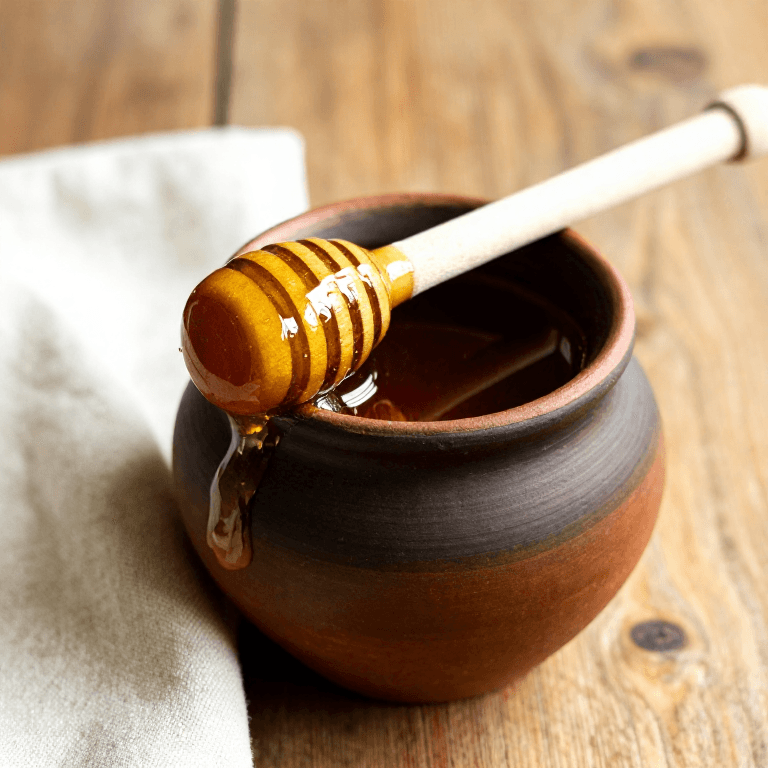
Allow the strained elderberry juice to cool to below 40 degrees Celsius — adding honey to hot liquid destroys its beneficial enzymes and antimicrobial properties. Once cooled, stir in raw honey at a ratio of approximately one part honey to two parts elderberry juice by volume. Stir thoroughly until the honey is completely dissolved. The honey serves three purposes: it sweetens the tart berry juice, it adds its own antimicrobial compounds (glucose oxidase, hydrogen peroxide generation), and the high sugar content acts as a natural preservative that extends shelf life. Taste and adjust — the syrup should be sweet but with a distinct berry tartness.

このステップの材料:

HoneyHoney250 g
7

Bottle and store the syrup

Pour the finished syrup into clean glass jars or bottles with tight-fitting lids. Store in a cool, dark place — a cellar or pantry is ideal. Honey-preserved elderberry syrup keeps for two to three months at room temperature, or up to six months refrigerated. The high sugar content and the antimicrobial properties of both honey and the elderberry anthocyanins inhibit spoilage. If the syrup develops mould, off-odours, or fermentation bubbles, discard it and make a fresh batch. Label each jar with the date of preparation.

このステップの材料:

Clean Glass Jars with LidsClean Glass Jars with Lids2
8

Take elderberry syrup for immune support

For daily immune support during cold and flu season (autumn through spring): take one tablespoon of elderberry syrup daily for adults, one teaspoon for children over one year old. At the first sign of cold or flu symptoms — sore throat, sniffles, fatigue — increase to one tablespoon every three to four hours for the first 48 hours. Clinical studies show this early, aggressive dosing can reduce flu duration by an average of four days. The anthocyanins in elderberry work by preventing viruses from entering and infecting host cells — they are most effective when taken at the earliest stage of infection.
9

Use elderflowers for complementary medicine

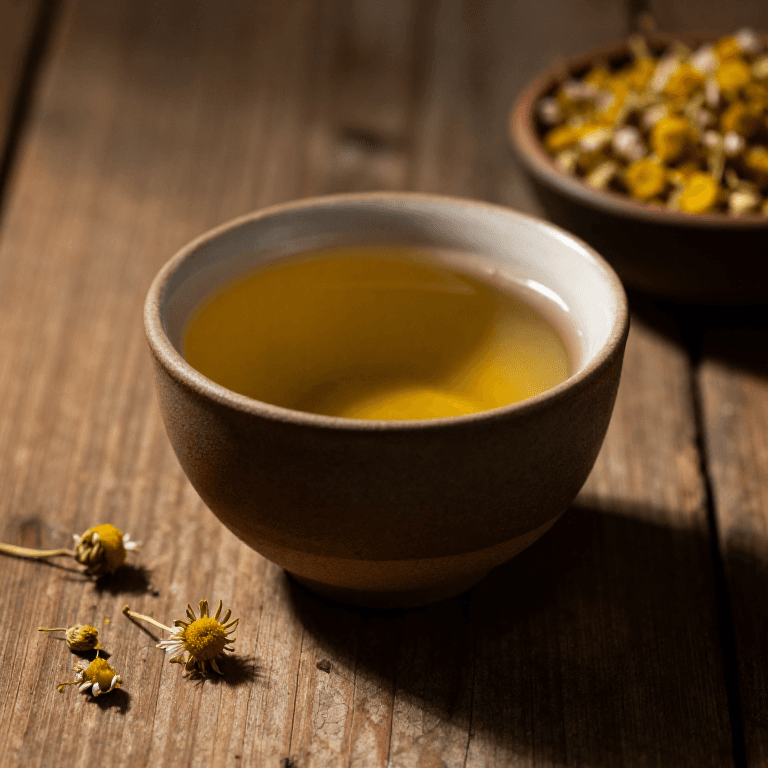
The flowers of the same elder tree are also medicinal — but with different properties from the berries. Elderflower tea (a handful of fresh or dried flowers steeped in hot water for ten minutes) is a traditional remedy for fever — it induces sweating (diaphoretic effect) which helps reduce body temperature naturally. Elderflower tea is also used for sinus congestion and hay fever. Unlike the berries, elderflowers contain no cyanogenic glycosides and are safe to consume raw or dried. Harvest flower clusters in early summer when fully open and fragrant. Dry on a rack in the shade for one to two weeks.
10

Understand safety considerations

NEVER consume raw elderberries, elderberry juice that has not been boiled, or any part of the plant other than cooked berries and flowers. Raw berries cause nausea, vomiting, and diarrhoea from the cyanogenic glycosides — symptoms appear within 15-60 minutes of ingestion. Cooking for at least 20 minutes at boiling temperature completely destroys these compounds. Do not give honey-based elderberry syrup to infants under twelve months old due to botulism risk from the honey — for babies, make elderberry syrup with sugar instead of honey. People with autoimmune conditions should consult a physician before regular use, as elderberry stimulates the immune system and could theoretically worsen autoimmune flares.

材料

4

必要な工具

6

接続ブループリントの材料

CC0 パブリックドメイン

このブループリントはCC0で公開されています。許可を求めずに、自由にコピー、修正、配布、あらゆる目的で使用できます。

メイカーを応援するには、ブループリント経由で製品を購入してください。メイカーには メイカーコミッション がベンダーにより設定されています。または、このブループリントの新しいイテレーションを作成し、自分のブループリントにコネクションとして含めて収益を共有できます。

ディスカッション

(0)

ログイン してディスカッションに参加

コメントを読み込み中...