アート
美容とウェルネス
工芸
文化と歴史
エンターテインメント
環境
食品と飲料
グリーンフューチャー
リバースエンジニアリング
科学
スポーツ
テクノロジー
ウェアラブル
Thyme Infusion for Coughs and Respiratory Infections — The Ancient Antiseptic Herb
Bob

作成者

Bob

30. 5月 2026BE
2
0
0
0
0

Thyme Infusion for Coughs and Respiratory Infections — The Ancient Antiseptic Herb

Thyme (Thymus vulgaris) has been used as both medicine and culinary herb since ancient Greece, where its name derives from 'thymos' meaning courage or fumigation. The ancient Egyptians used thyme in embalming preparations — a testament to its powerful preservative and antimicrobial properties. The herb's medicinal power comes primarily from thymol, a phenolic compound that constitutes 20-55% of thyme essential oil. Thymol is one of the strongest natural antiseptics known — it destroys bacteria, fungi, and some viruses by disrupting their cell membranes. For respiratory infections, thyme works through multiple mechanisms: thymol and carvacrol (a related compound) act as expectorants, loosening mucus so it can be coughed up more easily; they also relax the bronchial smooth muscle, reducing cough spasms; and they kill respiratory pathogens directly when inhaled as steam or absorbed through the mucous membranes. The German Commission E (the scientific advisory board for herbal medicines) has officially approved thyme for the treatment of bronchitis, whooping cough, and upper respiratory inflammation. Thyme tea remains one of the most effective home remedies for productive coughs and chest congestion.

初心者
20-40 minutes (preparation); 1-2 weeks (drying)

手順

1

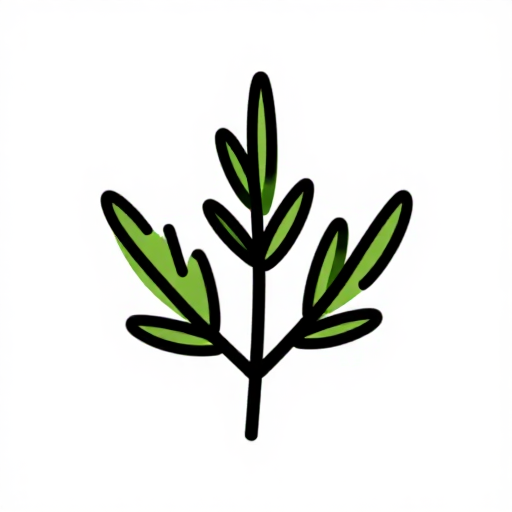
Identify common thyme (Thymus vulgaris)

Common thyme is a low-growing, woody perennial shrub (15-30 cm tall) with small, oval, grey-green leaves that are 3-8 mm long and have edges that curl slightly downward. The stems are thin, wiry, and become woody at the base. The flowers are tiny, pale pink to lilac, and grow in whorled clusters at the tips of the stems. The entire plant is intensely aromatic — crushing a leaf between your fingers releases the distinctive sharp, warm, slightly camphoraceous scent of thymol. Thyme grows naturally on dry, rocky, sun-exposed hillsides around the Mediterranean and has been cultivated worldwide. Wild thyme (Thymus serpyllum) is a related creeping species with similar but milder medicinal properties.
2

Harvest thyme at peak essential oil content

Harvest thyme just before or at the beginning of flowering — this is when thymol concentration peaks. Cut the stems about 5 cm above the woody base using scissors or a sharp knife, taking the green, leafy upper growth. Harvest on a dry morning after the dew has evaporated. The essential oil content is highest in warm, dry conditions. Avoid harvesting after rain, as the water dilutes the oils on the leaf surface. Thyme responds well to regular cutting and will produce new growth for multiple harvests per season.

必要な工具:

Sharp ScissorsSharp Scissors
Wicker Harvest BasketWicker Harvest Basket
3

Dry the thyme for storage

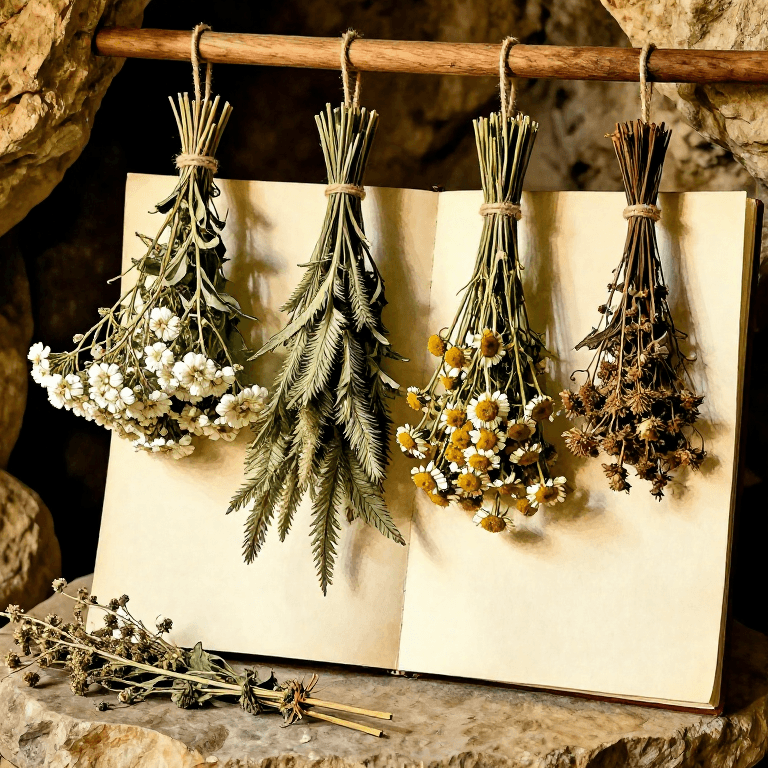
Tie small bundles of thyme stems together and hang them upside down in a warm, dry, well-ventilated area out of direct sunlight. Alternatively, strip the leaves from the stems and spread them on a drying rack. Thyme dries quickly — typically three to five days for hanging bundles, two to three days for individual leaves. The leaves are fully dry when they crumble easily and snap off the stems when rubbed. Strip the dried leaves from the stems and store in an airtight, opaque container. Dried thyme retains its thymol content well for up to two years when stored away from light and heat.

必要な工具:

Drying Rack (Well-Ventilated)Drying Rack (Well-Ventilated)
Ceramic Storage Jar with LidCeramic Storage Jar with Lid
4

Prepare a medicinal thyme infusion for coughs

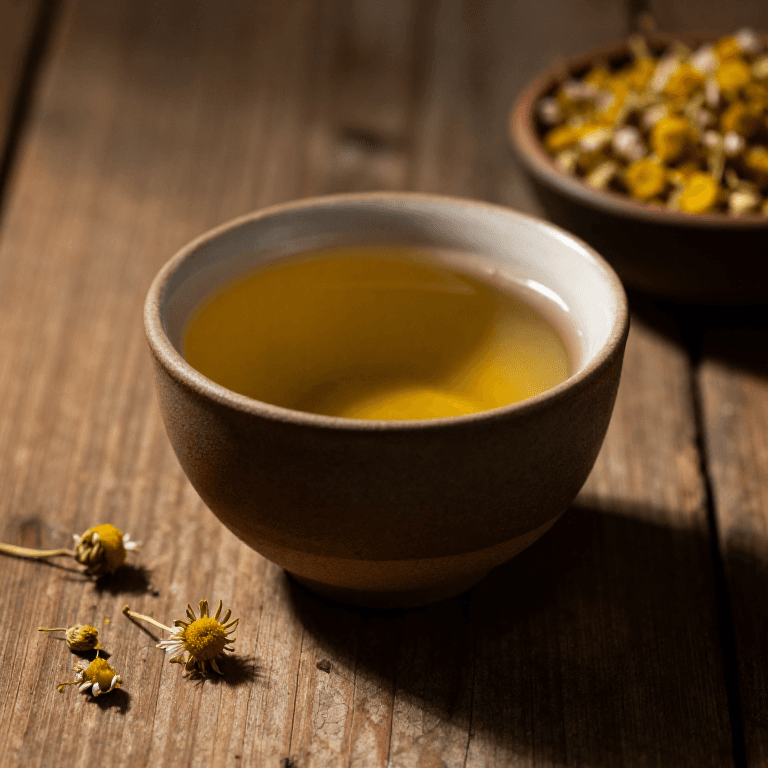
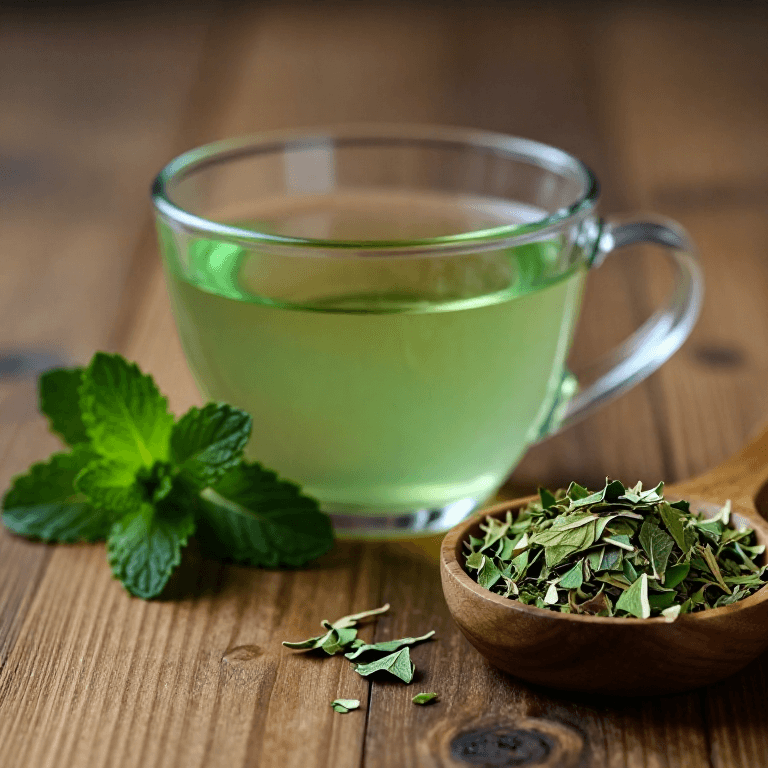
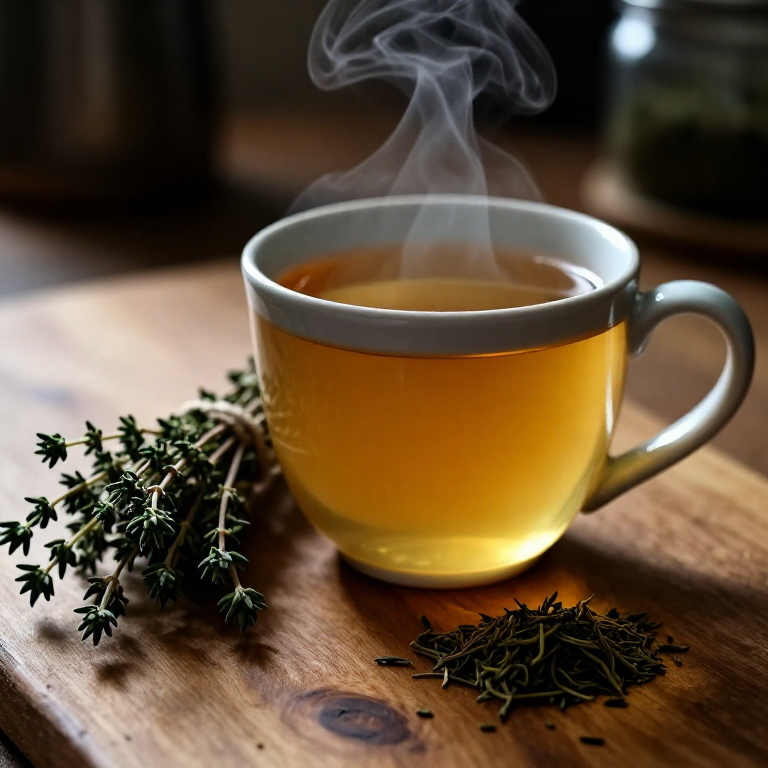
Place two tablespoons of fresh thyme (or one tablespoon dried) in a drinking vessel. Pour 250 ml of freshly boiled water over the herb — unlike chamomile and peppermint, thyme benefits from full boiling water because thymol is heat-stable and the higher temperature extracts it more efficiently from the woody leaf tissue. Cover the vessel and steep for ten to fifteen minutes. The longer steep produces a stronger, more medicinally active tea. The infusion will be a golden-amber colour with a warm, herbaceous aroma.

このステップの材料:

Dried ThymeDried Thyme4 g
Clean WaterClean Water250 ml

必要な工具:

Large Cooking PotLarge Cooking Pot
Fire StarterFire Starter
Drinking BowlDrinking Bowl
5

Strain and sweeten the infusion

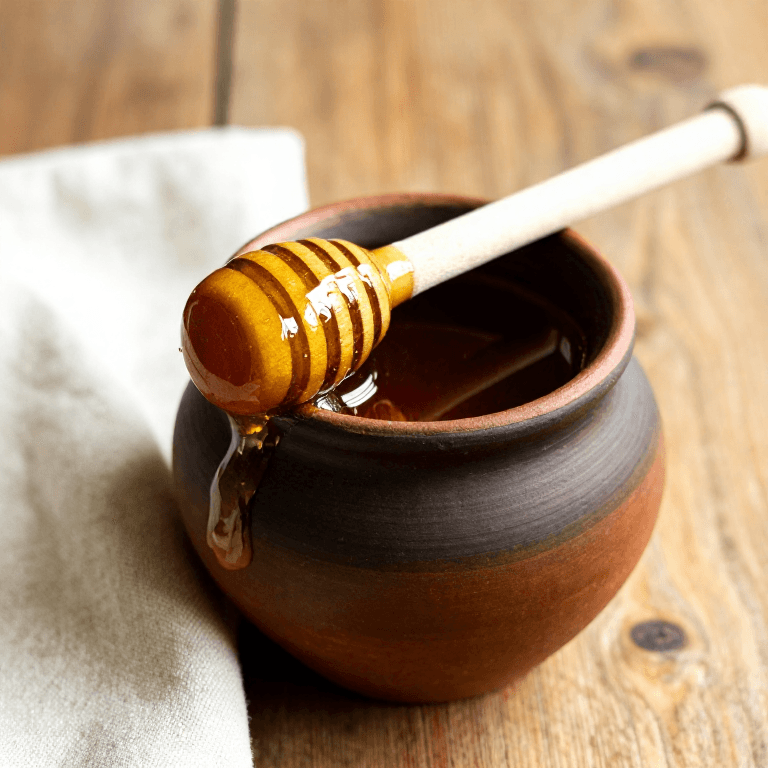
Strain through a fine mesh strainer and add honey to taste — typically one to two tablespoons per cup. The honey-thyme combination is particularly effective for coughs: honey coats and soothes the irritated throat while thymol acts as an antiseptic and expectorant deeper in the respiratory tract. For a stronger cough remedy, simmer the thyme in water for five minutes before straining (a decoction rather than an infusion) — this extracts more thymol but produces a more bitter, medicinal-tasting drink that benefits from generous honey.

このステップの材料:

HoneyHoney2 大さじ

必要な工具:

Fine Mesh StrainerFine Mesh Strainer
6

Use thyme tea for bronchitis and chest congestion

For productive coughs with chest congestion: drink three to four cups of strong thyme tea daily, spaced throughout the day. The thymol acts as an expectorant — it increases the fluidity of mucus in the bronchial tubes, making it easier to cough up. Simultaneously, the carvacrol relaxes the bronchial smooth muscle, reducing the intensity of cough spasms. This dual action — loosening mucus while calming the cough reflex — is why thyme is so effective for bronchitis. Continue drinking thyme tea for three to five days or until the congestion clears.
7

Inhale thyme steam for congestion relief

For acute nasal and sinus congestion: make a strong thyme infusion in a large bowl (four tablespoons of thyme in 500 ml of boiling water). Lean over the bowl with a cloth draped over your head and the bowl to create a steam tent. Breathe the thyme-infused steam deeply through your nose and mouth for ten to fifteen minutes. The thymol vapour acts directly on the respiratory mucous membranes — killing pathogens on contact, reducing inflammation, and loosening impacted mucus. This steam inhalation provides rapid relief and can be repeated two to three times daily.
8

Make a thyme-honey cough syrup

For a concentrated cough remedy: pack a clean glass jar loosely with fresh thyme sprigs and pour raw honey over the thyme until fully submerged. Seal the jar and leave at room temperature for two to four weeks, shaking gently every few days. The honey slowly extracts the thymol and other active compounds from the thyme, producing a potent medicinal syrup. Strain out the spent thyme and store the infused honey in a clean jar. Take one teaspoon of thyme honey directly for coughs, or dissolve in warm water as a soothing drink. This preparation keeps for up to one year.

このステップの材料:

HoneyHoney250 g

必要な工具:

Glass Jar (500ml)Glass Jar (500ml)
9

Use thyme as a wound antiseptic

Thyme's antimicrobial properties extend beyond respiratory use. A strong thyme infusion (cooled to room temperature) makes an effective wound wash for minor cuts, scrapes, and skin infections. Soak a clean cloth in the cooled infusion and dab the wound gently. Thymol is effective against Staphylococcus, Streptococcus, and E. coli — common wound pathogens. Before the discovery of antibiotics, thymol was the active ingredient in Listerine (developed in 1879) and was used as a surgical antiseptic. The essential oil can also be diluted in a carrier oil and applied to fungal skin infections.
10

Understand dosage and precautions

Thyme tea is safe for most adults at three to four cups daily for short-term use (up to two weeks). For children over two years, use half the adult dose. Do not give thyme tea to children under two — thymol can cause breathing difficulties in very young children. Pregnant women should avoid medicinal doses of thyme (culinary amounts in food are fine) as thymol can stimulate uterine contractions. People with thyroid conditions should use thyme cautiously, as thymol may affect thyroid function at high doses. Thyme essential oil should NEVER be taken internally undiluted — it is concentrated enough to cause chemical burns to the mouth, throat, and stomach. The dried herb in tea is safe; the distilled essential oil is not.

材料

4

必要な工具

9

接続ブループリントの材料

CC0 パブリックドメイン

このブループリントはCC0で公開されています。許可を求めずに、自由にコピー、修正、配布、あらゆる目的で使用できます。

メイカーを応援するには、ブループリント経由で製品を購入してください。メイカーには メイカーコミッション がベンダーにより設定されています。または、このブループリントの新しいイテレーションを作成し、自分のブループリントにコネクションとして含めて収益を共有できます。

ディスカッション

(0)

ログイン してディスカッションに参加

コメントを読み込み中...