アート
美容とウェルネス
工芸
文化と歴史
エンターテインメント
環境
食品と飲料
リバースエンジニアリング
科学
スポーツ
テクノロジー
ウェアラブル
危険


Unsaturated Polyester Resin (Fibreglass)
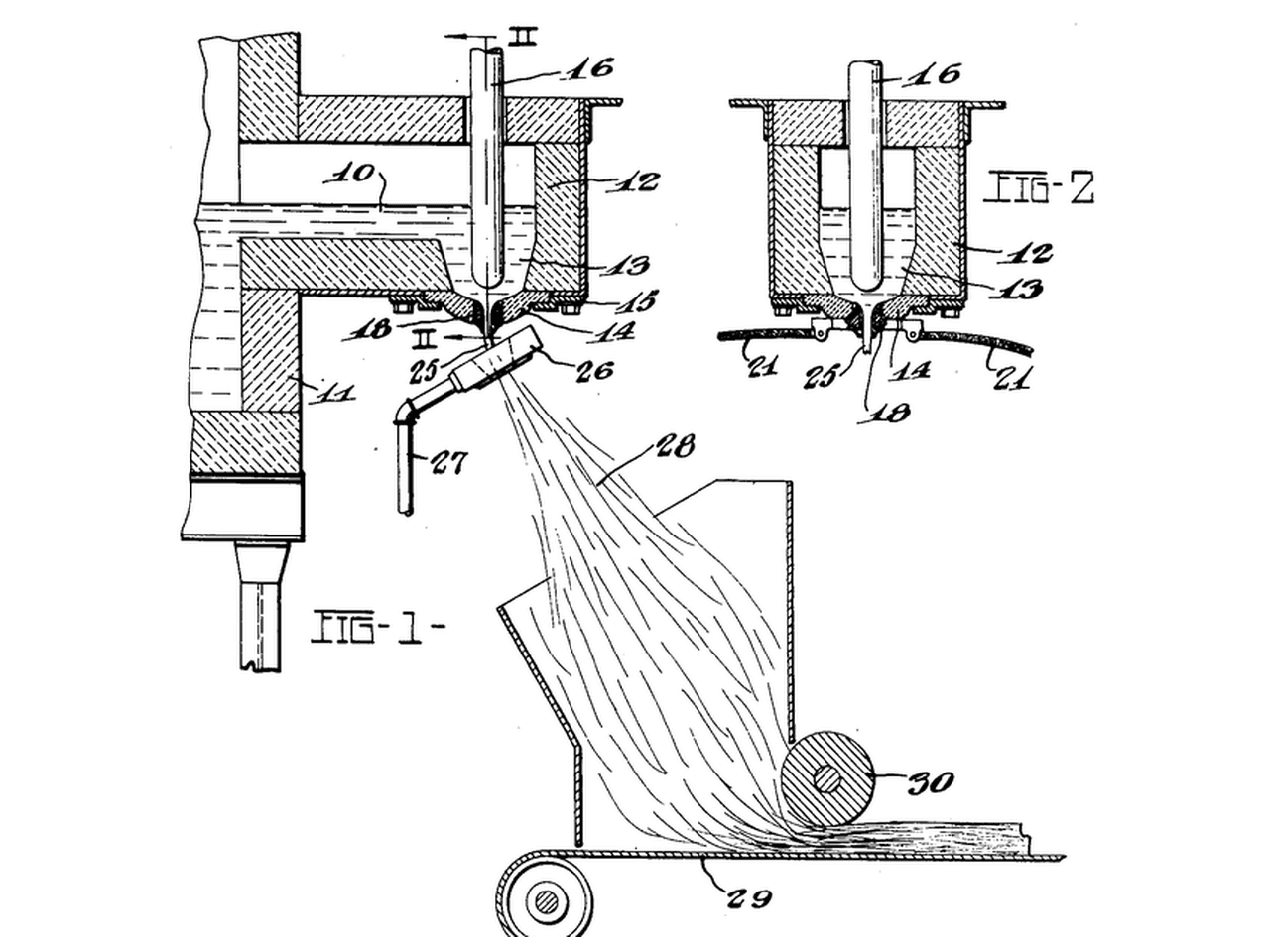
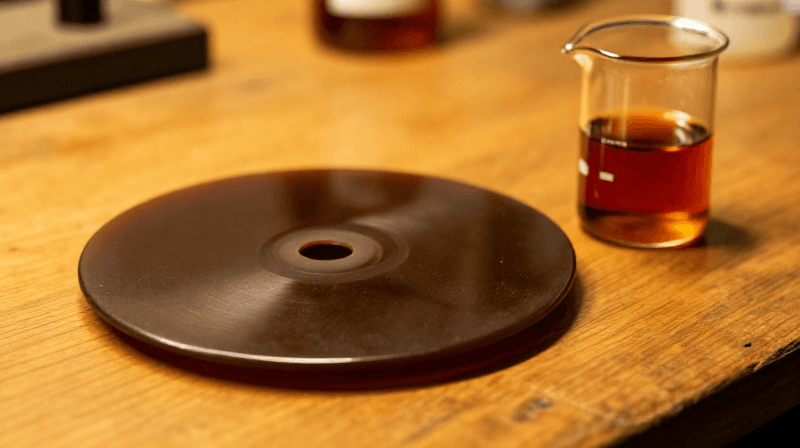
Carleton Ellis, one of the most prolific American inventors of his time, found that a polyester made with maleic acid - which leaves a reactive double bond in every repeat - could be dissolved in a liquid monomer such as styrene and then cured with a catalyst into a hard solid, with no pressure and no by-product. That made it possible to soak glass fibre in a liquid and let it harden in shape: fibreglass boats, car bodies and radomes followed within a decade.
**US 2,255,313**, "Ethylenic-alpha-beta synthetic resins and process of making same", Ellis, filed 6. August 1937, granted 9. September 1941: a maleic-polyhydric-alcohol ester, "a polymerizable alpha-substituted ethylene body and a curing catalyst", with a fibrous filler.
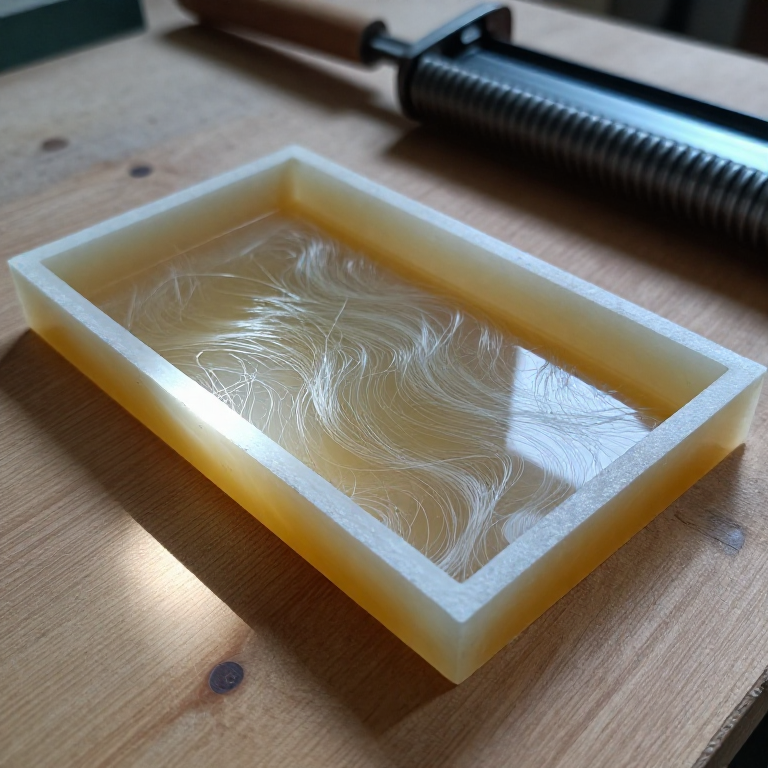
**Hazardous: the resin gives off styrene and the catalyst (MEKP) burns eyes and skin.** Work outdoors or with strong ventilation. You lay up a two-layer fibreglass tray and weigh how much of it is glass.
中級者
3 hours plus overnight cure
この設計図で作るもの
関連ブループリント
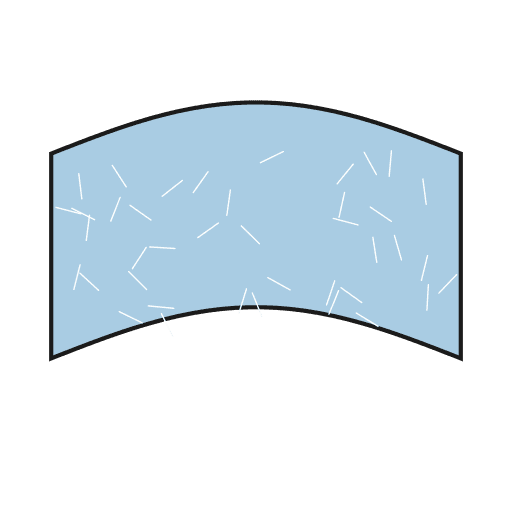
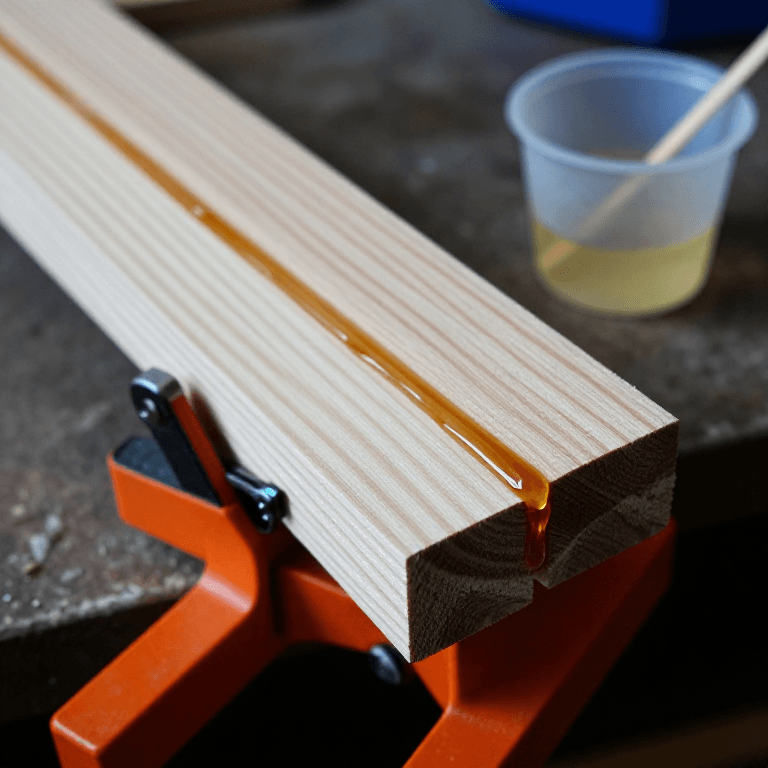
これらのブループリントは知識を共有しています — 技術、材料、原理


CC0 パブリックドメイン
このブループリントはCC0で公開されています。許可を求めずに、自由にコピー、修正、配布、あらゆる目的で使用できます。
メイカーを応援するには、ブループリント経由で製品を購入してください。メイカーには メイカーコミッション がベンダーにより設定されています。または、このブループリントの新しいイテレーションを作成し、自分のブループリントにコネクションとして含めて収益を共有できます。